
Body Care
3 Ways to Recover Your Voice After Losing It
Jun
Losing your voice is one of those tiny life disasters that feels dramatic in the moment. One day you are ordering coffee, laughing with friends, teaching a class, leading a meeting, or singing in the car like the dashboard is your Grammy stage. The next day, your voice comes out as a squeak, a rasp, or a mysterious whispery foghorn. Congratulations: your vocal cords have filed a formal complaint.
The good news is that most cases of a lost voice are temporary. Hoarseness and voice loss often happen when the vocal folds become irritated or inflamed, a condition commonly called laryngitis. It can follow a cold, flu, allergies, yelling at a game, singing too hard, breathing dry air, exposure to smoke, or irritation from acid reflux. In many cases, your voice improves with simple home care and a little patience.
The tricky part is that “getting your voice back fast” does not mean forcing it back. Your vocal folds are delicate tissues that need moisture, rest, and fewer irritants. Treat them like a tired athlete, not a stubborn garage door. Below are three practical, medically sensible ways to recover your voice after losing it, plus common mistakes, warning signs, and real-life recovery experiences that can help you avoid turning a three-day rasp into a two-week communication crisis.
Why Do You Lose Your Voice?
Your voice is created when air from your lungs passes through the larynx, also called the voice box. Inside the larynx are the vocal folds, which vibrate to produce sound. When those folds are swollen, dry, irritated, or overworked, they cannot vibrate smoothly. That is when your voice becomes hoarse, weak, breathy, scratchy, lower than usual, or almost completely gone.
Common causes of losing your voice include viral upper respiratory infections, vocal overuse, shouting, singing without rest, dehydration, dry indoor air, allergies, postnasal drip, smoking, vaping, air pollution, and gastroesophageal reflux disease. Sometimes the cause is obvious, such as cheering at a concert. Other times, the voice fades slowly after days of coughing, throat clearing, or sleeping in dry air.
Most acute cases improve within several days to about a week. However, persistent hoarseness should not be ignored. If your voice remains hoarse for more than two weeks, especially without a clear cold or overuse trigger, it is smart to see a healthcare professional or an ear, nose, and throat specialist.
Way 1: Rest Your Voice the Smart Way
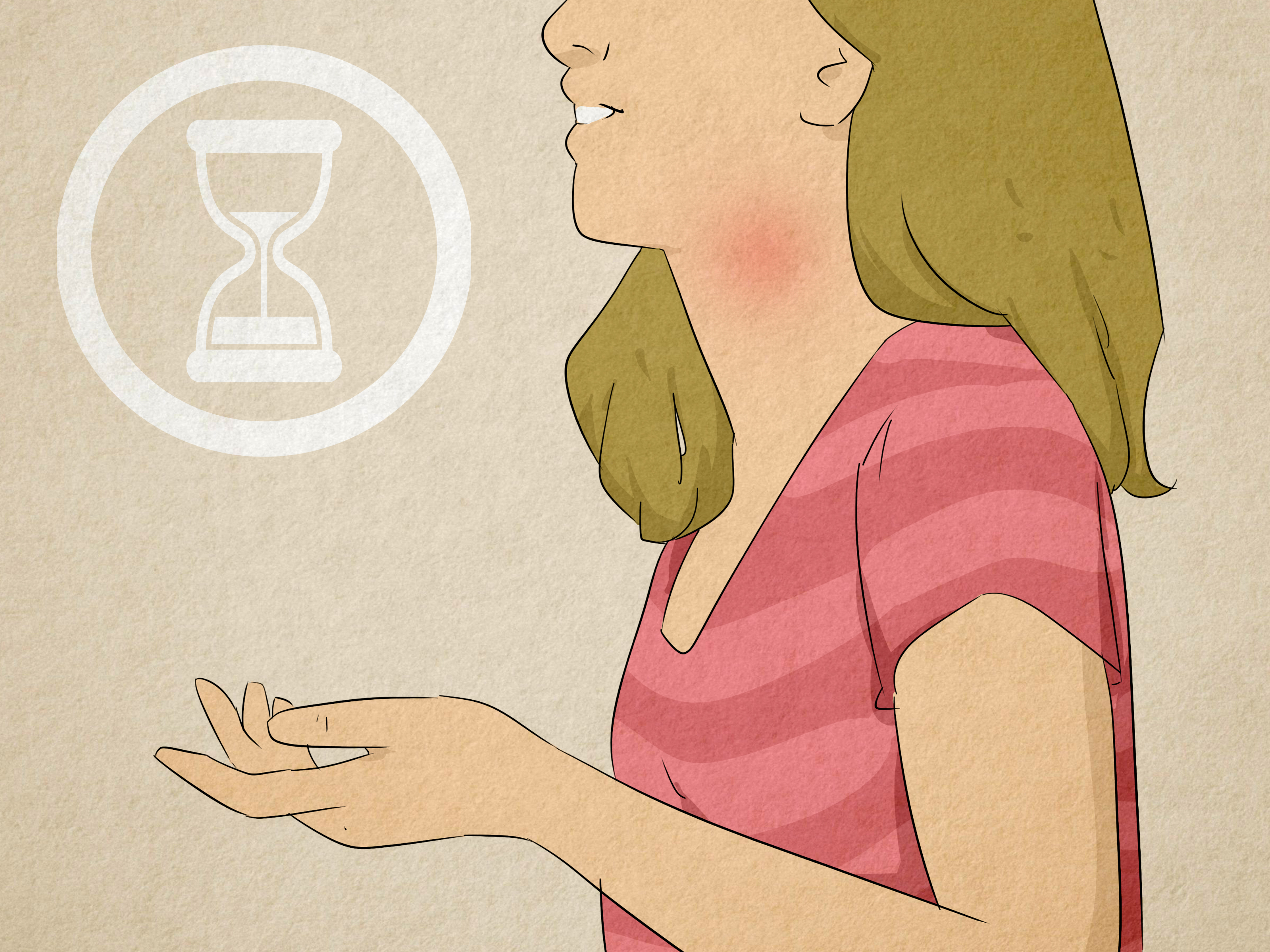
The first and most important way to recover your voice after losing it is voice rest. This does not mean you must become a silent monk living on soup and hand gestures, but it does mean you should dramatically reduce how much you talk.
When your vocal folds are inflamed, every conversation creates vibration. A little vibration is normal; too much can delay healing. Think of it like walking on a sore ankle. A few careful steps may be necessary, but running errands all day because “it feels almost fine” is how you end up limping into next week.
What Smart Voice Rest Looks Like
Use your voice only when necessary. Send texts instead of making calls. Use notes, gestures, or a speech-to-text app if you need to communicate. If you are at school, work, or home, tell people early that your voice is resting. This prevents the awkward cycle of someone asking, “What?” and you repeating yourself louder until your vocal folds start waving tiny white flags.
If you must speak, use a quiet, gentle, normal tone. Do not force volume. Do not try to push through the rasp. Avoid long conversations, public speaking, singing, and shouting until your voice is clearly improving.
Do Not Whisper
Whispering feels polite, but it is often harder on the voice than people realize. Whispering can place extra strain on the vocal folds, especially when you are already hoarse. A soft, relaxed speaking voice is usually better than a dramatic secret-agent whisper. In other words, this is not the time to narrate your life like you are hiding in a spy movie.
Avoid Throat Clearing
Throat clearing is another sneaky voice villain. It slams the vocal folds together and can make irritation worse. Instead of clearing your throat, try sipping water, swallowing, or making a gentle “hmm” if your clinician has told you that is appropriate. Coughing and clearing may feel satisfying for two seconds, but they often restart the irritation cycle.
Give Your Whole Body Rest
Your voice does not recover in isolation. If you lost your voice after a cold or flu-like illness, your immune system is already busy. Sleep, physical rest, and lower stress can support recovery. A tired body often produces a tired voice, which is why “I will just power through” is not a recovery plan. It is a plot twist.
Way 2: Hydrate, Humidify, and Soothe the Throat
The second way to recover your voice is to keep your throat and vocal folds well hydrated. Hydration helps the vocal folds stay flexible and reduces the sticky, dry feeling that makes people cough, strain, or clear their throat. Moisture will not magically rebuild your voice in five minutes, but it creates a better environment for healing.
Drink Water Throughout the Day
Water is the simplest voice recovery tool. Sip regularly instead of chugging a huge bottle once and declaring yourself medically sophisticated. Steady hydration helps thin mucus and keeps the throat from feeling dry. Warm liquids such as herbal tea, warm water with honey, or broth may feel soothing, especially when your throat is scratchy.
Honey can coat the throat and calm irritation for many people, though it should not be given to children under one year old. For older kids, teens, and adults, warm tea with honey can be comforting. It will not directly “heal” the vocal cords like a magic potion, but comfort matters when your throat feels like sandpaper wearing a sweater.
Use Moist Air
Dry air can make hoarseness worse. A cool-mist humidifier can add moisture to your room, especially during winter or in air-conditioned spaces. Clean the humidifier according to the manufacturer’s instructions so it does not become a tiny swamp with a power cord.
Steam from a warm shower may also help soothe throat irritation. You do not need to do anything extreme. Simply breathing moist air for a few minutes can feel relieving. Avoid very hot steam that could burn your face or airway.
Try Lozenges, Gum, or Saltwater Gargles
Throat lozenges or sugar-free gum can stimulate saliva, which helps keep the throat moist. Warm saltwater gargles may ease throat discomfort, although gargling does not directly touch the vocal folds. The vocal folds sit lower in the throat, protected by the airway, so gargling is mainly for comfort in the mouth and upper throat.
Still, comfort can reduce the urge to cough or clear your throat, and that helps protect your voice. Choose soothing options rather than harsh menthol-heavy products if those make you feel drier. Everyone’s throat has opinions, and some throats are surprisingly dramatic.
Limit Drying Drinks
Alcohol can dry the throat and irritate the voice. Caffeine affects people differently, but too much may contribute to dryness for some. You do not need to panic over one cup of coffee, but if your voice is gone, this is probably not the day to run on espresso and vibes. Balance caffeinated drinks with water and avoid alcohol while your voice is recovering.
Way 3: Remove Irritants and Treat the Trigger
The third way to recover your voice is to stop feeding the problem. Voice rest and hydration help, but if you keep exposing your throat to irritants, your vocal folds may stay inflamed. Recovery is easier when you identify what started the voice loss and reduce anything that keeps it going.
Avoid Smoke, Vaping, and Air Irritants
Smoke and vaping can irritate the throat and vocal folds. Secondhand smoke can also be a problem. If your voice is hoarse, avoid smoky rooms, strong chemical fumes, heavy dust, and polluted air when possible. If you must be around irritants, improve ventilation and consider speaking less during exposure.
For singers, teachers, coaches, content creators, call center workers, and anyone who uses their voice heavily, irritants plus overuse can be a brutal combination. Your vocal cords can handle a lot, but they are not made of denim.
Manage Reflux
Acid reflux can irritate the throat and contribute to chronic hoarseness. Some people notice heartburn, sour taste, burping, or a burning feeling. Others have “silent reflux,” where the main signs are throat clearing, cough, lump-in-throat sensation, or morning hoarseness.
If reflux seems to trigger your voice problems, avoid lying down soon after meals, limit late-night snacks, and notice whether spicy, acidic, fatty, or large meals make symptoms worse. If reflux symptoms are frequent, talk with a healthcare professional instead of guessing your way through the antacid aisle like it is a treasure hunt.
Control Allergies and Postnasal Drip
Allergies can cause postnasal drip, coughing, and throat clearing. Those symptoms can irritate the vocal folds and keep your voice raspy. If you regularly lose your voice during allergy season, it may be worth discussing allergy management with a clinician. Be cautious with medications that dry you out, such as some decongestants, because dryness can worsen throat irritation for some people.
Use a Microphone or Amplification
If you need to speak to a group, use a microphone rather than projecting. This applies to teachers, coaches, presenters, performers, tour guides, fitness instructors, and anyone who has ever tried to talk over a room full of people pretending they are “just whispering.” Amplification reduces strain and helps prevent a recovering voice from collapsing again.
Common Mistakes That Slow Voice Recovery
Many people accidentally make a lost voice last longer. The biggest mistake is continuing to talk because the voice is “only a little hoarse.” Hoarseness is a signal, not a decorative sound effect. If your voice is raspy, tired, or painful, reduce use.
Another mistake is whispering all day. As mentioned earlier, whispering can strain the voice. A third mistake is relying on cough drops while continuing to shout, teach, sing, or talk for hours. Lozenges may soothe discomfort, but they do not cancel out vocal overuse.
People also underestimate dry air. Sleeping with a dry throat can make mornings especially rough. Hydration during the day and humidified air at night can help. Finally, some people ignore recurring hoarseness. If you lose your voice repeatedly, especially without obvious illness or overuse, it is worth getting evaluated.
When Should You See a Doctor?
Most short-term voice loss improves with home care, but some symptoms deserve medical attention. See a healthcare professional if hoarseness lasts more than two weeks, keeps returning, or interferes with work, school, or daily life. Professional voice users should consider getting help earlier because their voice is part of their livelihood.
Seek urgent medical care if voice loss comes with trouble breathing, trouble swallowing, severe throat pain, coughing up blood, a neck lump, unexplained weight loss, high fever, recent injury to the throat or neck, or sudden voice changes after surgery or a medical procedure. These signs do not mean something terrible is definitely happening, but they do mean you should not rely only on tea and optimism.
How Long Does It Take to Recover Your Voice?
For many people, voice loss from a cold or mild laryngitis improves within a few days and continues getting better over a week. If the voice was strained by shouting or singing, improvement may happen after a short period of careful rest. If reflux, allergies, smoke exposure, or repeated overuse are involved, recovery may take longer because the trigger keeps returning.
The goal is not just to get your voice back once. The goal is to bring it back without creating a repeat performance next weekend. If your voice begins to improve, ease back gradually. Start with short, gentle speaking periods. Avoid immediately returning to loud events, long calls, karaoke battles, or dramatic storytelling at full volume.
Practical 24-Hour Voice Recovery Plan
If you wake up with a missing voice, begin with a simple plan. First, reduce talking as much as possible. Text instead of calling. Cancel nonessential voice-heavy activities. Second, hydrate steadily with water and soothing warm liquids. Third, add moisture to the air with a humidifier or a warm shower. Fourth, avoid smoke, vaping, alcohol, and heavy throat clearing. Fifth, sleep as much as your schedule allows.
By the next day, notice whether your voice feels less painful, less tight, or slightly stronger. Improvement is a good sign. If the voice is worse, if symptoms are severe, or if you have warning signs, contact a healthcare professional.
Experience Section: What Voice Loss Really Feels Like and How People Recover
Losing your voice sounds simple until it happens during a normal week. Suddenly, the easiest tasks become weirdly complicated. Ordering lunch turns into a mime performance. Answering the phone feels like a prank. Saying “I’m fine” comes out sounding like an elderly haunted accordion. The experience can be funny, annoying, and stressful all at once.
One common scenario is the “post-event voice crash.” Imagine someone attends a concert, cheers for two hours, talks loudly over music, then goes out with friends afterward. The next morning, their voice is barely there. The first instinct is often to whisper through the day, but that usually makes the throat feel tighter. A better recovery experience is to text people, sip water, use a humidifier, and avoid retelling the entire concert story until the voice returns. The story can wait. The vocal folds are not emotionally ready.
Another familiar situation is losing your voice after a cold. At first, the person has a runny nose and cough. Then the sore throat fades, but the voice becomes raspy. This happens because the larynx can stay irritated even after other symptoms improve. In this case, recovery often feels gradual. The voice may be worse in the morning, improve slightly during the day, then fade again at night. Warm drinks, moist air, and less talking can make the process more comfortable. The key is not to celebrate too early by jumping into a two-hour phone call.
Teachers, coaches, customer service workers, singers, and creators often have a different experience: fear. When your voice is part of your job, losing it can feel like losing your main tool. The temptation is to push through, but pushing through can extend the problem. A smarter approach is to use amplification, reduce nonessential speaking, write instructions, ask for help when possible, and schedule vocal breaks. A teacher might post directions on the board instead of repeating them five times. A coach might use a whistle, hand signals, or assistant support. A singer might skip rehearsal rather than turn one strained performance into weeks of recovery.
Some people also learn that their “random” voice loss is not random at all. It may follow late meals, spicy food, dry bedrooms, allergy flare-ups, or constant throat clearing. Keeping a simple voice diary can help. Write down when the hoarseness starts, what you ate, whether you had reflux, how much you talked, and whether you were exposed to smoke or dry air. Patterns often appear faster than expected.
The most reassuring experience is realizing that voice care is mostly practical. You do not need a luxury throat spa, imported moon herbs, or a playlist of whale sounds named “Larynx Awakening.” You need rest, moisture, fewer irritants, and medical care when symptoms do not behave normally. Your voice is resilient, but it appreciates basic manners. Treat it gently, and it will usually return without making too much of a diva entrance.
Conclusion
Recovering your voice after losing it comes down to three core strategies: rest your voice intelligently, hydrate and humidify, and remove the irritants or triggers that caused the problem. Avoid whispering, shouting, smoking, vaping, unnecessary throat clearing, and long conversations while your vocal folds recover. Use water, warm drinks, moist air, and gentle communication to support healing.
Most cases of voice loss improve with time and simple care, especially when caused by a cold or overuse. Still, persistent or unusual hoarseness should be checked by a healthcare professional. Your voice is not just sound; it is how you connect, work, joke, comfort, explain, and occasionally ask where someone put the remote. Give it the recovery time it deserves.

