
Beauty Unlocked
Woman With Anxiety Makes A List For Her Boyfriend Of How To Deal With Her, And Everyone Needs To Read It
Jun
Love is romantic, yes. It is also a surprisingly advanced group project with no syllabus, no grading rubric, and at least one person forgetting to reply to a text because they were “thinking about what to say.” Now add anxiety to the mix, and suddenly a simple Friday-night plan can feel like a congressional hearing, a weather emergency, and a pop quiz all wearing the same hoodie.
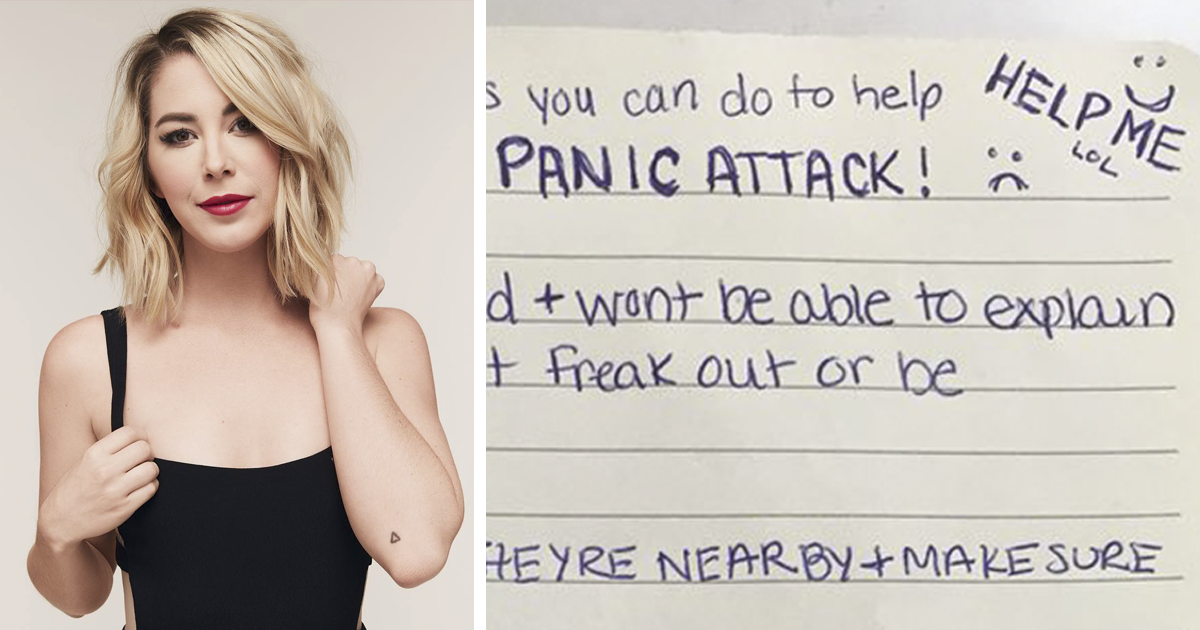
That is why the story of a woman with anxiety making a list for her boyfriend struck such a loud chord online. The viral post, widely associated with writer and performer Kelsey Darragh, was not a dramatic manifesto or a “handle me like glass” warning label. It was more like an emotional user manual: practical, honest, slightly funny, and deeply human. It said, in essence, “Here is what helps when my brain is doing cartwheels in a thunderstorm.”
And honestly? Everyone needs to read it. Not because every person with anxiety needs the same care, but because the idea behind the list is brilliant: instead of expecting a partner to magically decode panic, fear, shutdowns, spiraling thoughts, or sudden silence, write down what support actually looks like. That is not needy. That is communication with a seatbelt.
Why This Anxiety List Went Viral
The reason this story spread so fast is simple: it made anxiety visible without turning it into a spectacle. For many people, anxiety does not always look like crying in the bathroom or breathing into a paper bag like a sitcom character from 1994. Sometimes it looks like over-apologizing. Sometimes it looks like needing reassurance. Sometimes it looks like canceling plans, asking too many “Are you mad?” questions, or going quiet because the person is trying not to make their storm everyone else’s weather forecast.
The list worked because it gave the boyfriend something useful. Instead of saying, “Deal with me,” it said, “Here are specific ways to help me feel safe, grounded, and understood.” That matters. Anxiety can be confusing for the person experiencing it and for the person standing nearby with good intentions and absolutely no idea what to do with their hands.
A written list turns panic into a plan. It gives both people a shared language. It also removes guesswork, which is the relationship equivalent of letting a raccoon organize your pantry: chaotic, loud, and somehow full of crumbs.
Understanding Anxiety in Relationships
Anxiety is not just “worrying too much.” It can involve emotional symptoms, physical symptoms, and behavior changes. A person may feel restless, tense, overwhelmed, embarrassed, irritable, exhausted, or unable to concentrate. Their body may join the party uninvited with a racing heart, tight chest, upset stomach, shaky hands, fast breathing, or trouble sleeping.
In a relationship, anxiety often attaches itself to the things a person cares about most. If someone deeply values love, stability, honesty, and emotional safety, anxiety may whisper, “Great, now let’s imagine 47 ways this could collapse before lunch.” That does not mean the person distrusts their partner. It means their nervous system is trying to protect them, sometimes with the subtlety of a smoke alarm in a toaster factory.
This is why a supportive partner should not treat anxiety as laziness, drama, manipulation, or weakness. Anxiety is real, and it can affect daily life, work, school, friendships, and romantic relationships. At the same time, a partner is not a therapist, emotional repair shop, or 24-hour crisis hotline. The healthiest support sits somewhere between “I will fix everything” and “Good luck, soldier.”
What The List Teaches Us About Loving Someone With Anxiety
1. Ask What Helps Before The Panic Arrives
The best time to talk about anxiety is not always during the peak of it. When someone is panicking, spiraling, or overwhelmed, their brain may not be in “neatly explain my needs” mode. It may be in “a tiger is chasing me even though the tiger is actually an unread message” mode.
A list made during a calm moment can answer questions before the stressful moment begins. Does the person want physical comfort or space? Do they want distraction or quiet? Should the partner ask questions or simply sit nearby? Is humor helpful, or does it make things worse? These details matter because support is not one-size-fits-all. One person’s “please hug me” is another person’s “please do not touch me until my nervous system has returned from the moon.”
2. Validate First, Problem-Solve Later
One of the most common mistakes people make is trying to debate anxiety out of existence. They say things like, “You’re overthinking,” “That won’t happen,” or “Just calm down.” These comments may be well-meant, but they can feel dismissive. When someone is anxious, they often already know the fear may be exaggerated. That knowledge does not automatically turn off the alarm.
A better response is validation. Try: “I can see this feels really intense,” “I’m here with you,” or “You don’t have to explain everything right now.” Validation does not mean agreeing with every anxious thought. It means recognizing the person’s emotional experience as real. Once someone feels heard, they may be more able to breathe, think, and choose a next step.
3. Learn The Difference Between Reassurance And Support
Reassurance can be comforting, but repeated reassurance can become a loop. For example, if a partner asks, “Do you still love me?” once after a rough day, a kind answer may help. If they ask 25 times every evening and still feel terrified, the relationship may need a better strategy than endlessly refilling the same emotional cup with a teaspoon.
Support might sound like, “I love you, and I also want us to work on ways that help you feel secure without needing to ask the same question over and over.” That is compassionate and boundaried. A good anxiety list can include helpful phrases, but it can also include limits. Healthy love is not about feeding anxiety until it grows a mustache and starts charging rent.
4. Do Not Make The Anxiety The Whole Personality
A person with anxiety is still a complete person. They have jokes, opinions, favorite snacks, weird childhood stories, ambitions, talents, playlists, and possibly a suspiciously strong emotional attachment to one specific blanket. Anxiety may be part of their life, but it is not their entire identity.
Partners should avoid treating every mood, preference, or concern as “just anxiety.” Sometimes a person is anxious. Sometimes they are tired. Sometimes they are upset because you said you would be ready in five minutes and then entered a different geological era. Respect the difference.
Practical Ways To Help A Partner During Anxiety
Every couple should personalize their own plan, but the following ideas are a strong starting point:
Stay Calm Without Acting Like A Robot
A calm presence can help. That does not mean speaking in a spooky meditation-app voice or pretending nothing is happening. It means keeping your tone steady, avoiding panic, and not taking every anxious sentence personally. Anxiety can make people sound sharper, quieter, more repetitive, or more afraid than they mean to be. Staying grounded gives them something stable to lean toward.
Use Simple, Clear Sentences
During anxious moments, long speeches can feel like trying to read a software agreement while riding a roller coaster. Use short, kind statements: “I’m here.” “You’re safe with me.” “Let’s sit down.” “Take one breath with me.” “We don’t have to solve this tonight.” Simple language can be powerful.
Offer Choices, Not Commands
Instead of saying, “You need to calm down,” try, “Would it help to sit outside, drink water, or have a few quiet minutes?” Choices restore a sense of control. Anxiety often makes people feel trapped inside their own body and thoughts; a small choice can open a tiny door.
Respect Space And Touch Preferences
Some people want a hug during anxiety. Others feel overwhelmed by touch. Some want their partner close but silent. Others need to walk, stretch, breathe, or be alone for a short time. A list can prevent misunderstandings by naming what usually helps.
Encourage Professional Help Without Sounding Like A Villain
If anxiety is persistent, overwhelming, or interfering with daily life, therapy or medical support may be useful. The key is how you say it. “You need help” can sound like an insult. “I care about you, and I wonder if extra support could make this easier” sounds like love wearing clean shoes.
What Not To Do When Your Partner Has Anxiety
Do Not Mock The Fear
Even if the fear seems irrational, the feeling is not fake. Mockery teaches a person to hide their anxiety, not heal it. A partner who laughs at vulnerability may win the argument but lose emotional trust.
Do Not Turn Yourself Into The Savior
Being supportive does not mean becoming responsible for another person’s entire nervous system. That is too much pressure for both people. A partner can offer comfort, patience, encouragement, and practical help, but the person with anxiety also deserves tools, skills, self-awareness, and, when needed, professional care.
Do Not Use Anxiety As A Weapon
Never throw someone’s anxiety back at them during a fight. Phrases like “You’re crazy,” “This is why you’re anxious,” or “No one else would deal with this” are not communication; they are emotional potholes. If a relationship becomes a place where vulnerability is used as ammunition, the problem is bigger than anxiety.
How To Make Your Own Anxiety Support List
The viral list is useful because it invites people to create their own version. A good anxiety support list does not need to be poetic, perfectly formatted, or laminated like a restaurant menu. It just needs to be honest.
Start with these sections:
My Early Warning Signs
Write down what anxiety looks like before it becomes intense. Examples might include pacing, over-texting, becoming quiet, asking for reassurance, losing appetite, getting irritable, or needing to leave a crowded place.
What Usually Helps Me
This could include breathing exercises, sitting somewhere quiet, listening to music, taking a short walk, drinking water, grounding techniques, being reminded of facts, or hearing a specific comforting phrase.
What Usually Makes It Worse
This section is just as important. Maybe teasing makes it worse. Maybe too many questions feel overwhelming. Maybe being told to “relax” causes instant internal screaming. Naming these things prevents accidental damage.
What I Can Do For Myself
A healthy list should include personal responsibility too. For example: “I can tell you when I need a break,” “I can practice breathing,” “I can avoid sending ten texts in a row,” or “I can schedule therapy when I notice anxiety taking over my week.” This keeps the plan balanced.
What My Partner Can Do
This is where specific requests belong: “Please remind me we can talk later,” “Please sit next to me without asking too much,” “Please do not disappear without explanation,” or “Please tell me if you need space instead of going silent.” The goal is not control. The goal is clarity.
Why This Story Is Bigger Than One Couple
The reason everyone needs to read this kind of list is that it applies beyond romantic relationships. Friends, siblings, parents, roommates, and coworkers can all benefit from clearer communication around anxiety. We live in a world where many people are silently trying to look “fine” while their brains are hosting a disaster-planning committee.
A list says, “I am not asking you to read my mind.” That is a gift. It also says, “I trust you enough to show you the messy instructions.” That is intimacy. Not the movie kind with rain and dramatic lighting, but the everyday kind: the kind that says, “Here is how to love me when I am not easy to understand.”
Experiences Related To This Topic: What People Learn When Anxiety Enters A Relationship
People who have dated someone with anxiety often describe the same learning curve: at first, they want to fix it. This is understandable. When someone you love is hurting, the instinct is to grab a toolbox. Unfortunately, anxiety is not a leaky sink. You cannot tighten one emotional bolt and declare the whole system repaired.
One common experience is learning that silence can mean many things. A person with anxiety may go quiet because they are angry, but they may also go quiet because they are trying not to cry, trying not to overreact, trying to sort through racing thoughts, or trying to avoid saying something they do not mean. A supportive partner learns to ask gently rather than assume loudly.
Another experience is discovering that small gestures can be enormous. A text that says, “I got home safe,” may seem minor, but for someone whose anxiety fills in blanks with worst-case scenarios, it can be a soft landing. A partner saying, “I’m not mad, I’m just tired,” can prevent an entire imaginary courtroom drama. Clear communication is not boring; it is emotional pest control.
People with anxiety also learn from making lists like this. They learn that their needs are not automatically burdens. They learn to separate what helps from what only soothes for five seconds. They learn to say, “I need support,” instead of hoping someone notices the distress signals they are sending through facial expressions, delayed replies, and suspiciously aggressive dishwashing.
Couples often become stronger when they stop treating anxiety as an enemy hiding inside one person and start treating it as a challenge they can understand together. That does not mean the non-anxious partner must be endlessly patient with harmful behavior. It means both people can say, “Anxiety is here. What is our plan?” That shift changes the emotional temperature of the room.
There is also the experience of setting boundaries, which many people forget is part of love. A partner might say, “I can reassure you once, but I cannot stay up all night repeating the same answer.” Or the person with anxiety might say, “I need ten minutes alone, but I promise I am not abandoning the conversation.” Boundaries are not rejection. They are guardrails that keep both people from driving into the ditch.
Many people who read the viral list see themselves in it, even if they do not have a diagnosis. Everyone has moments when they need patience, clarity, softness, or space. Everyone has emotional weather. Anxiety simply makes the forecast louder. A written list is a reminder that love becomes more durable when people are brave enough to explain their storms before expecting someone else to bring the umbrella.
Perhaps the most valuable lesson is this: the goal is not to create a perfect relationship where anxiety never appears. The goal is to create a relationship where anxiety does not have the final word. A couple can laugh, pause, breathe, try again, apologize, learn, and build patterns that make both people feel respected. That is not glamorous in the Instagram sense. But in real life, it is gold.
Conclusion
The woman who made a list for her boyfriend gave the internet more than a viral relationship moment. She offered a model for emotional honesty. Her list showed that anxiety support does not have to be mysterious, dramatic, or impossible. It can be written down. It can be discussed. It can be practiced. It can even include a little humor, because sometimes the brain is a haunted house and the best you can do is bring snacks and a flashlight.
For anyone with anxiety, making a support list can be an act of self-respect. For anyone who loves someone with anxiety, reading that list can be an act of care. The point is not to become perfect. The point is to become clearer, kinder, and better prepared for the hard moments. Love cannot cure anxiety, but thoughtful love can make anxiety feel less lonely. And that is worth reading, sharing, and maybe taping to the emotional refrigerator.

