
Hair Care
How to Grow Succulents From Cuttings and Leaves
Jun
Growing succulents from cuttings and leaves is one of the most satisfying gardening tricks you can learn. It feels a little like plant magic: one plump leaf falls off, you resist the urge to panic, and a few weeks later it starts producing baby roots like it has been quietly attending botanical night school.
The good news is that succulent propagation is not complicated. The better news is that it is cheap, fun, and forgivingas long as you do not love your cuttings to death with too much water. Succulents are built to store moisture in their leaves, stems, and roots, which means they prefer patience over fussing. In other words, they are the houseplants that kindly ask you to put down the watering can and go make a sandwich.
This guide explains how to grow succulents from stem cuttings and leaf cuttings, what soil to use, how long to let cuttings callus, when to water, how much light they need, and what to do when something looks weird. Whether you want to multiply echeveria, jade plant, sedum, kalanchoe, graptopetalum, or other common succulents, the basic method is simple: choose healthy plant material, let the wound dry, root it in a fast-draining mix, and give it bright light with careful watering.
Why Succulents Are So Easy to Propagate
Succulents are popular because they look sculptural, survive dry indoor air, and come in shapes that range from elegant rosettes to tiny alien cabbages. Their thick tissues hold water, helping them tolerate dry conditions better than many leafy houseplants. This same survival strategy also makes many succulents excellent candidates for propagation.
Propagation means creating a new plant from part of an existing one. With succulents, that part may be a stem, a leaf, an offset, or sometimes a division. Stem cuttings usually root faster and produce a larger plant sooner. Leaf cuttings are slower, but they are wonderfully economical: one healthy mother plant can become a small army of baby plants. A peaceful army, of course. Mostly interested in windowsills.
Stem Cuttings vs. Leaf Cuttings: Which Method Should You Use?
Use Stem Cuttings When You Want Faster Results
Stem cuttings are ideal for succulents that have visible stems, branching growth, or leggy tops. Jade plant, kalanchoe, sedum, aeonium, burro’s tail, and many trailing succulents respond well to stem propagation. This method also works beautifully when a succulent has stretched toward the light and now looks like it is auditioning for a giraffe documentary.
A stem cutting gives you a head start because it already has several leaves and growing points. Once it forms roots, it can quickly settle into its own pot and begin growing like a normal plant.
Use Leaf Cuttings When You Want More Plants
Leaf propagation is best for succulents with plump, detachable leaves, such as echeveria, graptopetalum, sedum, pachyphytum, and many jade plants. A whole leaf can grow roots and eventually produce a new baby rosette at the base.
The catch is that not every succulent leaf will grow. Some leaves dry out, some rot, and some sit there dramatically doing nothing for weeks. That is normal. Leaf propagation is a numbers game, so start with several healthy leaves instead of placing all your hopes on one heroic little leaf named Kevin.
Tools and Supplies You Need
You do not need a laboratory, a greenhouse, or a secret plant wizard certificate. Gather these simple supplies before starting:
- Healthy succulent mother plant
- Clean, sharp scissors, pruning snips, or a knife
- Small pots or shallow trays with drainage holes
- Cactus and succulent potting mix
- Perlite, pumice, or coarse sand for extra drainage
- Optional rooting hormone
- Bright, indirect light
- A spray bottle or small watering can
Drainage is not optional. Succulents hate sitting in wet soil. A container without drainage holes is less of a pot and more of a tiny swamp with decorative intentions.
How to Grow Succulents From Stem Cuttings
Step 1: Choose a Healthy Stem
Pick a firm, healthy stem from a plant that is not showing signs of pests, disease, rot, or severe stress. Avoid mushy, yellowing, or shriveled stems. A cutting from a weak plant may root, but it begins the journey already tired, and propagation is not the time to ask a plant to run a marathon in flip-flops.
Step 2: Make a Clean Cut
Use clean scissors or a sharp knife to cut a stem section. A cutting around 2 to 6 inches long usually works well, depending on the plant. Cut just below a node, which is the point where leaves attach to the stem. Remove the lower leaves so the bottom portion of the stem can be inserted into the soil.
Clean tools matter because fresh cuts are vulnerable. Dirty blades can introduce disease, and succulents are dramatic enough without adding microbial chaos.
Step 3: Let the Cutting Callus
Place the cutting in a dry, shaded spot for a few days to about a week. During this time, the cut end dries and forms a callus. This step is important because planting a fresh, wet cutting directly into soil can invite rot.
Think of callusing as letting the plant put a bandage on itself. You are not ignoring the cutting; you are giving it space to heal. This is also an excellent time to practice the ancient gardening art of doing absolutely nothing.
Step 4: Plant in Fast-Draining Soil
Fill a small pot with cactus and succulent mix. For extra drainage, blend in perlite, pumice, or coarse sand. Insert the callused end into the soil just deep enough for the cutting to stand upright. If the cutting is top-heavy, use small stones or a plant support to hold it steady.
Do not bury too much of the stem. Succulents like support, not a full underground vacation.
Step 5: Place in Bright, Indirect Light
Put the cutting where it receives bright light but not harsh direct sun. Strong afternoon sun can stress an unrooted cutting before it has a way to replace lost moisture. A bright windowsill with filtered light is often perfect.
Step 6: Water Carefully
Wait a few days after planting before watering. Then lightly moisten the soil. Keep the mix barely moist while roots develop, but never soggy. Once the cutting has rooted, gradually shift to normal succulent care: water thoroughly, let excess water drain away, and allow the soil to dry before watering again.
Roots usually develop within a few weeks, but timing varies with temperature, light, plant type, and season. Gently tug the cutting after several weeks. If you feel resistance, roots are forming. Do not yank it like you are starting a lawn mower.
How to Grow Succulents From Leaves
Step 1: Remove a Whole Leaf
Choose plump, healthy leaves from the lower part of the plant. Hold a leaf gently and wiggle it side to side until it separates cleanly from the stem. The entire base of the leaf must come off. If the leaf snaps in half or leaves part of its base behind, it probably will not grow a new plant.
This is the moment where patience matters. Twist gently. Do not rip leaves off like you are opening a stubborn snack bag.
Step 2: Let the Leaf Callus
Lay the leaves on a dry plate, tray, or paper towel in bright shade. Let the broken ends callus for a few days. Larger, juicier leaves may need more time. The base should look dry before it touches soil.
Step 3: Place Leaves on Soil
Fill a shallow tray with well-draining succulent mix. Lay the callused leaves on top of the soil. You do not need to bury them. In fact, burying the leaf can trap moisture and cause rot. The baby plant and roots will emerge from the base of the leaf.
Step 4: Mist Lightly, Not Constantly
Leaf cuttings need a little moisture to encourage roots, but they do not want wet soil all day. Mist the soil lightly when it becomes dry, or water sparingly around the leaves. The goal is gentle encouragement, not a tropical thunderstorm.
Step 5: Wait for Roots and Baby Plants
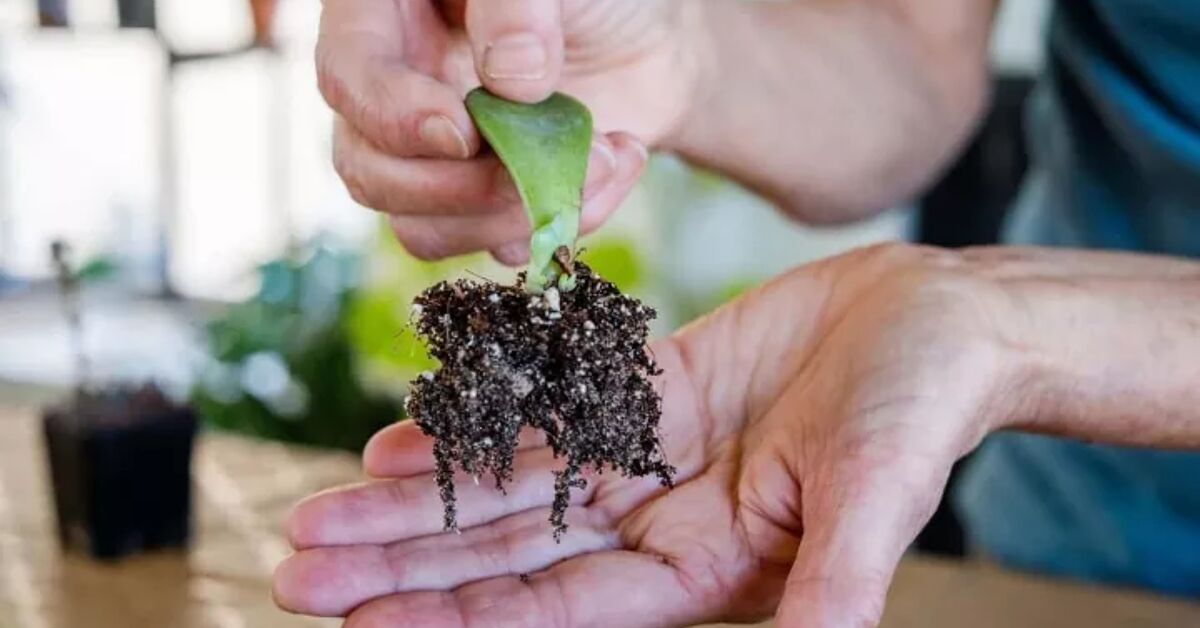
In a few weeks, you may see tiny pink, white, or pale roots. Eventually, a small rosette or baby plant forms at the base of the leaf. The original leaf will slowly shrivel as it feeds the new plant. Do not remove it too early. It is basically the baby succulent’s packed lunch.
Step 6: Pot the Baby Succulent
When the baby plant has roots and the original leaf has mostly dried up, move it into a small pot with succulent mix. Handle it gently. Young roots are delicate, and baby succulents are not impressed by rough treatment.
Best Soil for Succulent Cuttings
The best soil for succulent propagation drains quickly, holds some air, and does not stay soggy. A commercial cactus and succulent mix is a good starting point. Many growers improve it by adding perlite, pumice, coarse sand, or fine gravel. The final mix should feel loose and gritty, not dense and muddy.
Regular potting soil can hold too much moisture on its own. If that is all you have, amend it heavily with drainage material. Succulent roots need oxygen as much as they need water. Wet, compacted soil can suffocate roots and encourage rot.
How Much Light Do Succulent Cuttings Need?
Succulent cuttings need bright light to grow strong roots and compact new growth. However, unrooted cuttings and tiny leaf babies should be protected from intense direct sun, especially hot afternoon sun through glass. Too much direct sun can scorch leaves or dry cuttings before they root.
A bright east-facing window, a south-facing window with a sheer curtain, or a grow light placed at an appropriate distance can work well. If new growth stretches, becomes pale, or leans strongly toward the light, the plant is asking for brighter conditions. It may not use words, but the message is clear: “Please stop making me live in this cave.”
Watering Rules That Keep Cuttings Alive
Overwatering is the most common mistake in succulent propagation. The tricky part is that cuttings need some moisture to root, but too much moisture causes rot. The balance is simple: keep the soil lightly moist during early rooting, then reduce watering once roots are established.
For stem cuttings, wait until the cut end has callused before planting and watering. For leaves, mist or lightly water the soil when dry, but avoid keeping leaves wet. Once plants are established, water deeply and then allow the soil to dry out before watering again.
Also remember that conditions change. Cuttings dry faster in warm rooms, under grow lights, or in small terracotta pots. They dry slower in cool rooms, plastic pots, humid weather, or dense soil. The calendar is not the boss. The soil is.
Common Problems and Easy Fixes
Problem: The Cutting Turns Black or Mushy
This usually means rot. The cause is often too much moisture, planting before callusing, or soil that holds water too long. Cut away healthy tissue if possible, let it callus, and try again in a drier mix.
Problem: Leaves Shrivel Before Growing Roots
Some leaf loss is normal. Leaves may fail if they were damaged, too young, too old, or missing the base. Start with more leaves than you need. Succulent propagation rewards optimism, but it also rewards backups.
Problem: New Growth Looks Tall and Stretched
Stretching means the plant needs more light. Move it gradually to a brighter spot. Do not suddenly place tender cuttings in harsh sun, or you may trade stretching for sunburn.
Problem: Roots Grow but No Baby Plant Appears
Be patient. Some leaves root before producing visible plantlets. Keep conditions steady. If the leaf remains firm, it may still be working quietly below the surface.
Problem: Fungus Gnats Show Up
Fungus gnats often appear when soil stays wet. Let the surface dry more between waterings, improve airflow, and use a grittier mix. Yellow sticky traps can help monitor adults, but fixing moisture is the real solution.
Best Succulents to Propagate From Leaves and Cuttings
Some succulents are easier than others. For beginners, try jade plant, sedum, graptopetalum, echeveria, pachyphytum, kalanchoe, and many crassula varieties. These plants are commonly propagated from leaves, stems, or both.
Some succulents are better propagated by offsets or division instead of leaves. Aloe, haworthia, gasteria, and many snake plants often produce pups or can be divided. While some may grow from leaf cuttings, they can be slow or unpredictable. Choose the method that matches the plant’s natural growth habit.
When Is the Best Time to Propagate Succulents?
Spring and early summer are usually the best times to propagate succulents because plants are actively growing. Warm temperatures, stronger light, and longer days help cuttings root faster. You can still propagate indoors at other times of year, but winter propagation is often slower.
If your home is cool and dark in winter, cuttings may sit without much progress. A grow light and warm location can improve results. Just avoid placing cuttings near heaters, cold drafts, or windows that turn into iceboxes at night.
How Long Does Succulent Propagation Take?
Stem cuttings may begin rooting in two to four weeks. Leaf cuttings often take longer, sometimes several weeks to a few months before they produce a baby plant large enough to pot separately. Some species are speedy. Others appear to be working on government paperwork.
Do not judge success too early. If the cutting is firm, not rotting, and not completely dried out, it may still be viable. Succulent propagation teaches patience in a way that is cheaper than therapy and slightly greener.
Extra Experience: Practical Lessons From Growing Succulents From Cuttings and Leaves
After working with succulent cuttings for a while, you learn that the written instructions are only half the story. The other half comes from watching how the plants respond in your own home. A method that works perfectly on a sunny kitchen windowsill in Arizona may need adjustment in a humid apartment in Florida or a low-light bedroom in Michigan.
One of the biggest lessons is that callusing is worth the wait. Many beginners are excited to plant cuttings immediately, especially when the cuttings look fresh and healthy. But fresh succulent wounds are moisture-rich. When they are pushed into damp soil too soon, they can rot before roots ever appear. Letting the cut end dry for several days feels slow, but it dramatically improves the odds.
Another useful experience is learning to read leaf texture. A healthy leaf cutting starts firm and plump. As the baby plant grows, the mother leaf slowly wrinkles. That is normal. But if a leaf becomes translucent, mushy, or smells unpleasant, it is rotting and should be removed so it does not affect nearby cuttings. Propagation trays are like classrooms: one messy student can cause trouble for the whole row.
Lighting also makes a huge difference. In bright, indirect light, baby succulents tend to grow compact and colorful. In weak light, they stretch quickly, producing long stems and wide gaps between leaves. A stretched baby succulent is not ruined, but it is telling you the light is not enough. Moving it closer to a bright window or using a grow light can make future growth stronger.
Watering is where most people overcorrect. After hearing “succulents hate water,” some growers barely water at all. Then the tiny roots dry out before they can establish. Others mist constantly and create wet soil, which causes rot. The sweet spot is light, occasional moisture during rooting, followed by deeper but less frequent watering after the plant has roots.
Small pots are better than oversized pots. A tiny cutting in a large container sits in too much soil, and that extra soil holds moisture longer than the baby roots can use. Start small, then repot later. This keeps the root zone healthier and makes watering easier to control.
It is also smart to label your cuttings. Many succulents look similar when young, and after a month you may forget whether that tiny green dot came from an echeveria, sedum, or mystery leaf rescued from the floor of a garden center. A simple label saves future confusion.
Finally, accept that not every cutting succeeds. Even experienced growers lose some leaves and stems. That does not mean you failed. It means plants are living things, and living things occasionally make weird choices. Start with extra cuttings, keep conditions clean and bright, avoid overwatering, and celebrate every tiny root. Few gardening wins are as charming as seeing a new succulent grow from a single leaf.
Conclusion
Growing succulents from cuttings and leaves is simple, affordable, and surprisingly addictive. Once you understand the basicshealthy plant material, clean cuts, callusing, fast-draining soil, bright light, and careful wateringyou can turn one plant into many. Stem cuttings are the faster route, while leaf cuttings are slower but wonderfully rewarding.
The most important rule is to avoid too much moisture. Succulent propagation is not about constant care; it is about the right care at the right time. Let cuttings heal, let soil breathe, let roots develop, and let the plants do what they are designed to do. Before long, your windowsill may become a tiny nursery, your friends may start receiving baby succulents as gifts, and you may find yourself saying, “I can stop anytime,” while preparing another tray of leaves.

