
Beauty Unlocked
10 Easy Pieces: C-Tables
Jun
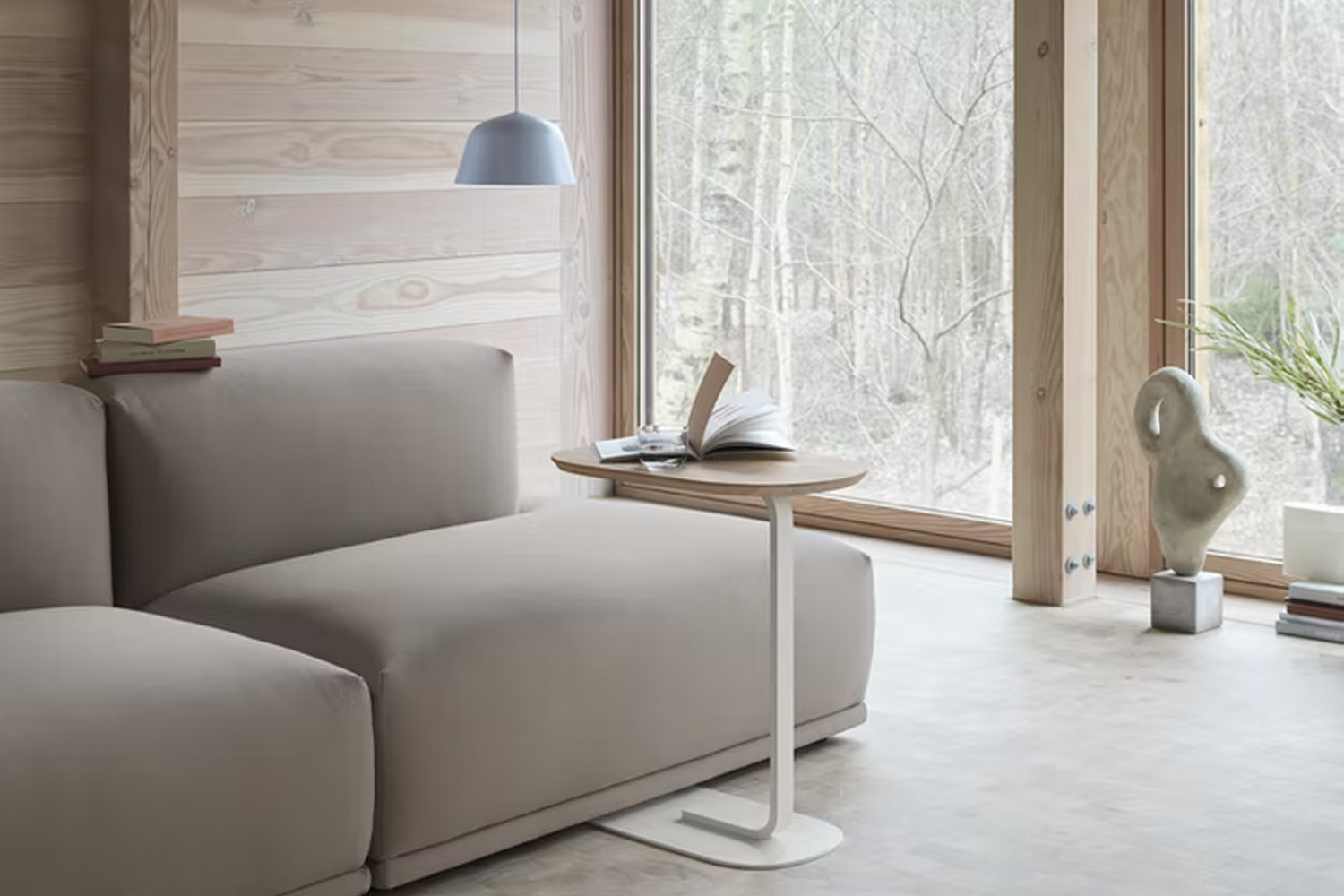
C-tables may look like the punctuation marks of the furniture world, but these compact pieces solve an impressive number of everyday problems. Their cantilevered shape lets the base slide beneath a sofa, chair, or bed while the tabletop hovers conveniently above your lap. Coffee, laptops, books, snacks, and the television remote can finally remain within reach without requiring an awkward forward lunge.
The best C-tables combine a small footprint with dependable construction, practical proportions, and enough personality to contribute to a room rather than merely occupy it. Some are made from powder-coated steel, while others pair metal frames with wood, quartz, marble, or glass. There are inexpensive models for first apartments, sculptural designer versions, and rugged outdoor tables ready to supervise an afternoon lemonade.
Here are 10 easy pieces that demonstrate why the humble C-shaped side table has become one of the most useful forms of small-space furniture.
What Is a C-Table?
A C-table is a compact side table with an open, cantilevered frame. Viewed from the side, its base, vertical support, and tabletop form a shape resembling the letter C. The lower section slides beneath a sofa or chair, allowing the upper surface to extend over the seat or armrest.
That design gives a C-shaped side table an advantage over an ordinary end table. Instead of sitting several inches away from the person using it, the table can move closer. It can serve as a sofa side table during movie night, a temporary laptop desk during a video call, a bedside surface in a tight bedroom, or a landing place for coffee beside a reading chair.
A C-table is not a replacement for a full desk, dining table, or sturdy stool. It is a flexible supporting player. Think of it as the reliable character actor who appears in every scene and quietly keeps the plot moving.
How to Choose the Right C-Table
Measure the Furniture Clearance
Before admiring finishes, measure the gap beneath your sofa, chair, or bed. The table base must be thin enough to slide underneath without scraping upholstery or becoming permanently wedged. Sofas with legs usually accommodate C-tables more easily than low platform sofas.
Compare the Tabletop With the Arm Height
The tabletop should sit near or slightly above the sofa arm. A surface that is too low will be inconvenient, while one that is excessively high can feel like a lectern parked in the living room. Adjustable-height models are especially useful when several people or seating pieces will share the table.
Consider the Intended Workload
A small round top may be perfect for a drink and phone but frustrating for a laptop. A wider rectangular top offers more workspace, although it also requires a broader base and more room to maneuver. Decide whether the table will primarily hold beverages, electronics, books, meals, or decorative objects.
Check Stability, Not Just Style
The open-sided design that makes a C-table convenient can also make a poorly constructed model feel springy. Look for a substantial base, solid joints, levelers, and a frame that does not twist when lightly pressed. Homes with children or energetic pets should favor wider bases and durable surfaces over extremely delicate silhouettes.
Choose a Surface You Can Maintain
Powder-coated metal is generally easy to wipe clean. Wood brings warmth but may need protection from wet glasses. Marble and quartz add visual weight and elegance, although natural stone should be treated carefully around acidic drinks and spills. Glass keeps a small room visually open but also displays fingerprints with remarkable enthusiasm.
10 Easy Pieces: The Best C-Tables to Consider
1. Room & Board Slim Round C-Table
The Slim Round C-Table is a strong example of the form reduced to its essentials. Its compact round top and slender metal frame can slide beside a sofa, under a bed, or next to a lounge chair without making the room feel crowded. The steel construction gives the piece a crisp architectural presence, while the range of finishes makes it possible to choose a quiet neutral or a more expressive color.
This is a particularly practical option for apartments and narrow seating areas. The circular top is best suited to a drink, phone, small book, or tablet rather than a full home-office setup. Its appeal lies in simplicity: no drawers, no elaborate hardware, and no visual commotion.
2. Blu Dot Note Side Table
Blu Dot’s Note Side Table treats the C-table as a small piece of modern sculpture. A slim powder-coated steel spine connects the round base and cantilevered top, creating a profile that looks light but feels deliberate. The colorful finish options can turn the table into an accent piece rather than a piece of furniture that apologizes for being present.
The round top works well beside a lounge chair, sofa, or bed. It offers enough room for everyday essentials while remaining compact enough for smaller interiors. This is the table for someone who wants utility but refuses to furnish the living room entirely in cautious shades of oatmeal.
3. Article Portima C Side Table
The Portima C Side Table stands out because of its adjustable height and generously sized solid-wood top. It is large enough to support a standard laptop, making it more useful for occasional work than many drink-table-sized alternatives. The combination of wood and metal also helps it bridge modern, Scandinavian-inspired, and transitional interiors.
Height adjustment is more than a novelty. It allows the tabletop to align with different sofa arms, mattresses, or chairs. That flexibility is valuable in multipurpose rooms where the same table might support a morning coffee, an afternoon spreadsheet, and an evening bowl of popcorn. It is not a full ergonomic workstation, but it is a capable temporary one.
4. AllModern Healey C Table
The Healey C Table offers a warmer interpretation of the modern cantilevered table. Its wood-grain surface and boomerang-like base introduce a midcentury note without turning the room into a television set from 1963. The angled form can nestle close to a chair or sofa, creating an accessible surface for reading, working, or snacking.
This model suits rooms that need a compact modern end table but already contain plenty of cold metal or glass. The wood appearance softens the silhouette and pairs naturally with upholstered seating, woven rugs, and neutral interiors. As with any angled base, checking the available floor space before ordering is important.
5. West Elm Streamline C-Side Table
The Streamline C-Side Table lives up to its name with an angular frame and clean industrial character. Its C-shaped construction is designed for small spaces, while the combination of a slim base and substantial top makes it feel more polished than a temporary television tray.
This is an adaptable choice for modern living rooms where straight lines, mixed materials, and restrained details already dominate. It can sit quietly beside a sofa or move over the seat when a closer surface is needed. The design is especially useful for people who want a narrow table that looks intentional even when it is not being actively used.
6. West Elm Reilly C-Shaped Side Table
The Reilly introduces a quartz top to the familiar C-table format. Quartz gives the surface a refined, stone-like appearance while the narrow metal base keeps the overall profile light. Fair Trade and contract-grade designations also make it appealing to shoppers who prioritize production standards and furniture built for frequent use.
Its polished surface can elevate an ordinary sofa corner without requiring a much larger end table. The Reilly works well in living rooms that mix warm upholstery with metallic details. It is also a sensible choice for anyone who likes the look of stone but wants a more consistent surface pattern than highly varied natural marble.
7. CB2 Smart Black C Table With Marble Top
CB2’s Smart Black C Table combines a Carrara-style white marble top with a matte black steel tube frame. The contrasting materials create a sharp, graphic look that works especially well in contemporary rooms. Levelers help the table sit more securely on slightly uneven floors, an unglamorous detail that becomes extremely glamorous after the first wobble-free cup of coffee.
The marble surface makes each table visually distinctive, but it also deserves prompt attention when liquids spill. This model is best for someone willing to use coasters and accept natural veining as part of the design. It can function beside a sofa or bed while adding more visual presence than a plain metal table.
8. Pottery Barn Delaney Oval Marble C-Table
The Delaney Oval Marble C-Table takes a softer approach with an elongated top and warm metal finishes. Its combination of marble, iron, and bronze- or brass-toned detailing gives the piece a polished appearance that can complement both traditional and modern furniture.
The oval surface provides a little more usable room than a tiny circular drink table without introducing sharp corners. Natural marble variation means every top will look slightly different, which is either charming character or a personal challenge for people who want every vein to appear in an exact location. Used beside a tailored sofa or upholstered chair, the Delaney adds function without looking purely utilitarian.
9. IKEA VITTSJÖ Laptop Stand
The VITTSJÖ Laptop Stand is not always labeled as a classic C-table, but it performs the same basic job. Its steel frame and tempered-glass top create an open, airy appearance, while the lower base allows it to sit close to a sofa. The rectangular surface is well suited to a laptop, notebook, or casual meal.
It is a practical budget-conscious option for a home office that occasionally migrates into the living room. The glass top helps the table visually recede in a small space, although it will collect fingerprints and crumbs with documentary-level accuracy. Regular wiping keeps it looking crisp.
10. Room Essentials Mixed-Material C Table
Target’s Room Essentials mixed-material model demonstrates that a useful C-table does not have to be an investment purchase. The table combines a natural wood-look rectangular top with black powder-coated steel and stands at a sofa-friendly height. Its base is designed to slide beneath a couch, bed, or chair.
The rectangular top offers room for snacks, remotes, books, and smaller laptops. It is a good starter option for dorm rooms, first apartments, guest rooms, or households that want to test the C-table concept before purchasing a premium design. It may not become a museum heirloom, but neither will anyone panic when a cracker lands on it.
Which Type of C-Table Is Best for Your Room?
For a very small apartment, choose a narrow metal model with a round top. It will occupy less visual and physical space and can be moved easily between seating areas. For occasional laptop work, select a rectangular tabletop wide enough to support the computer without leaving its corners suspended in midair.
Wood-topped C-tables work well in relaxed rooms where natural texture matters. Marble, quartz, and polished metal create a more formal or luxurious impression. In family rooms, powder-coated steel or durable composite surfaces are usually easier to live with than delicate stone.
Color can also change the table’s role. Black, white, bronze, and natural steel tend to blend into existing furniture. Tomato red, blue, mustard, or green can turn a tiny functional table into the room’s most confident accessory. Because a C-table is small, it is a relatively low-risk place to introduce a bold color.
Living With C-Tables: Practical Experiences and Lessons
The Sofa-Clearance Test Matters More Than the Product Photo
One of the most common experiences with a C-table begins with excitement and ends with someone lying on the floor beside the sofa holding a tape measure. A table may appear narrow in photographs but still have a base that is too thick for low furniture. The safest approach is to measure the vertical clearance beneath the sofa and compare it with the complete base thickness, including glides or levelers.
It is also worth measuring how far the base must extend under the sofa before the top reaches a comfortable position. A deep sofa with a thick arm may require a longer base than a compact apartment sofa. Without that reach, the table remains technically beside you but emotionally distant.
Small Tops Encourage Better Habits
A compact tabletop quickly teaches its owner what is essential. A drink, phone, and remote may fit perfectly. Add a laptop, three magazines, two charging cables, and a decorative candle, and the arrangement begins to resemble airport baggage handling.
Many people find that a small C-table reduces living-room clutter because the limited surface discourages permanent piles. Items must earn their place. Models with rectangular tops are more forgiving for work, while round tables are better for drinks and casual reading. Matching the top to the primary activity prevents daily rearranging.
Stability Becomes Obvious During the First Week
A C-table can feel stable in a showroom yet behave differently on a thick rug or uneven floor. Narrow bases may rock when placed across varying carpet heights. Levelers can help, as can positioning the base entirely on or entirely off the rug instead of balancing it across an edge.
The cantilevered top should not be treated as a seat, footrest, or launching platform for a cat. Even well-built models are designed to carry everyday objects rather than concentrated body weight. Households with small children may prefer heavier bases and rounded tops, while pet owners should avoid surfaces that slide easily when bumped.
A C-Table Is Useful for Work, but It Is Not an Office
During short work sessions, a laptop-friendly C-table can be surprisingly convenient. It brings the screen closer, keeps the computer off the lap, and creates a temporary workstation without dedicating an entire room to a desk. Adjustable models are particularly helpful because users can align the surface more comfortably with their seating position.
For all-day work, however, the sofa-and-C-table combination can encourage rounded shoulders and awkward wrist angles. The healthiest experience usually comes from treating it as a flexible secondary workspace for email, reading, or brief calls rather than an eight-hour command center.
Portable Furniture Changes How a Room Is Used
The most satisfying part of owning a C-table is often its mobility. It can begin the morning beside a bed, move to a reading chair in the afternoon, and appear next to the sofa during movie night. Unlike a heavy end table, it does not demand a permanent address.
That flexibility is valuable when guests arrive. Two C-tables can provide individual drink surfaces without filling the middle of the room with a large coffee table. They can also move out of the way when children need floor space or when the living room becomes an improvised exercise studio.
Material Choices Affect Daily Enjoyment
Owners of marble-topped tables often appreciate the natural pattern and cool, substantial feel, but they also become devoted coaster users. Wood feels warmer and hides fingerprints, although standing water can leave marks. Glass keeps a room visually light but requires more frequent cleaning. Powder-coated steel is generally straightforward, durable, and forgiving.
The best long-term experience comes from choosing a material that matches the household rather than the most glamorous product photograph. A pristine marble top may look magnificent, but a wipe-clean metal table could be the wiser companion for children, pets, and enthusiastic snackers.
Conclusion: A Small Table With an Outsized Job
C-tables succeed because they respond to how people actually use their homes. They move closer than traditional end tables, occupy less space than coffee tables, and adapt more easily than fixed furniture. A well-chosen model can support a laptop in the morning, a book in the afternoon, and a bowl of popcorn at night without demanding much floor space.
The right choice depends on careful measurements, realistic expectations, and a surface suited to daily life. Select the dimensions first, the material second, and the color or finish third. That order may not be as thrilling as falling in love with a dramatic marble tabletop, but it greatly improves the odds that the table will slide under the sofa when it arrives.

