
Beauty Tools & Accessories
Winter Itchy Skin Explained
Jun
As temperatures drop and winter arrives, many people notice that their skin becomes dry, tight, flaky, and itchy. If you’ve ever found yourself constantly scratching your arms, legs, hands, or other areas during the colder months, you’re not alone. This common seasonal issue often leads people to ask: Why does my skin get itchy during cold weather?
The primary reason is that cold weather reduces moisture in both the air and your skin. Combined with indoor heating, hot showers, and harsh environmental conditions, winter can weaken the skin’s protective barrier and cause irritation. Fortunately, understanding the causes of winter itchiness can help you take steps to keep your skin comfortable, hydrated, and healthy.
In this guide, we’ll explore why cold weather affects your skin and how you can prevent and relieve winter-related itching.
What Is Winter Itch?
Winter itch, sometimes called “winter xerosis,” refers to dry, itchy skin that develops or worsens during colder months.
It commonly affects areas such as:
- Legs
- Arms
- Hands
- Elbows
- Knees
- Feet
Symptoms may include:
- Persistent itching
- Dry patches
- Flaking
- Rough texture
- Redness
- Tightness
- Mild cracking
For some individuals, symptoms may become severe enough to interfere with daily comfort and sleep.
Why Does Cold Weather Cause Itchy Skin?
Several environmental and lifestyle factors contribute to skin irritation during winter.
1. Low Humidity Levels
Cold air naturally holds less moisture than warm air.
During winter, both outdoor and indoor environments often have significantly lower humidity levels.
As a result:
- Skin loses moisture more quickly
- The skin barrier becomes weaker
- Dryness and itching increase
Low humidity is one of the most common causes of winter skin discomfort.
2. Indoor Heating Dries Out the Skin
Heating systems help keep homes and workplaces warm, but they can also remove moisture from the air.
This dry indoor environment may lead to:
- Increased skin dehydration
- Tightness
- Flaking
- Itching
Many people spend long hours indoors during winter, which can worsen these effects over time.
3. The Skin Barrier Becomes Compromised
Your skin barrier serves as a protective shield that helps retain moisture and defend against irritants.
Cold weather can weaken this barrier, making it easier for water to escape from the skin.
When the barrier is compromised, you may experience:
- Dryness
- Sensitivity
- Redness
- Increased itching
Maintaining a healthy skin barrier is essential for preventing winter skin problems.
4. Hot Showers and Baths
Many people enjoy long, hot showers during cold weather.
While comforting, hot water can strip away the skin’s natural oils.
This may lead to:
- Increased dryness
- Barrier damage
- Irritation
- More noticeable itching
Frequent exposure to very hot water can worsen winter skin symptoms.
5. Reduced Natural Oil Production
Cold temperatures can affect the skin’s ability to maintain adequate oil production.
Natural oils help:
- Lock in moisture
- Protect the skin barrier
- Prevent dehydration
When oil production decreases, the skin becomes more vulnerable to dryness and irritation.
6. Friction from Winter Clothing
Certain winter fabrics can aggravate sensitive skin.
Common triggers include:
- Wool
- Rough synthetic materials
- Tight clothing
These fabrics may create friction that worsens:
- Itching
- Redness
- Skin sensitivity
Choosing softer, breathable layers can help reduce irritation.
Who Is More Likely to Experience Winter Itchy Skin?
Anyone can develop itchy skin during cold weather, but some people are more susceptible.
Higher-risk groups include:
- Older adults
- People with naturally dry skin
- Individuals with eczema
- Those with sensitive skin
- People living in cold, dry climates
As we age, the skin naturally produces less oil, making dryness more common.
Common Areas Affected by Winter Itching
Legs
The lower legs are one of the most frequently affected areas due to reduced oil gland activity.
Hands
Frequent washing and exposure to cold air can leave hands dry and irritated.
Arms
Dry indoor air often contributes to rough, itchy patches on the arms.
Feet
Cold weather and thick footwear can sometimes lead to dryness and cracking.
Face
The face is constantly exposed to outdoor conditions and may become red, tight, or flaky.
How to Relieve Itchy Skin During Cold Weather
Fortunately, there are several effective ways to reduce winter-related itching and restore comfort.
1. Moisturize Daily
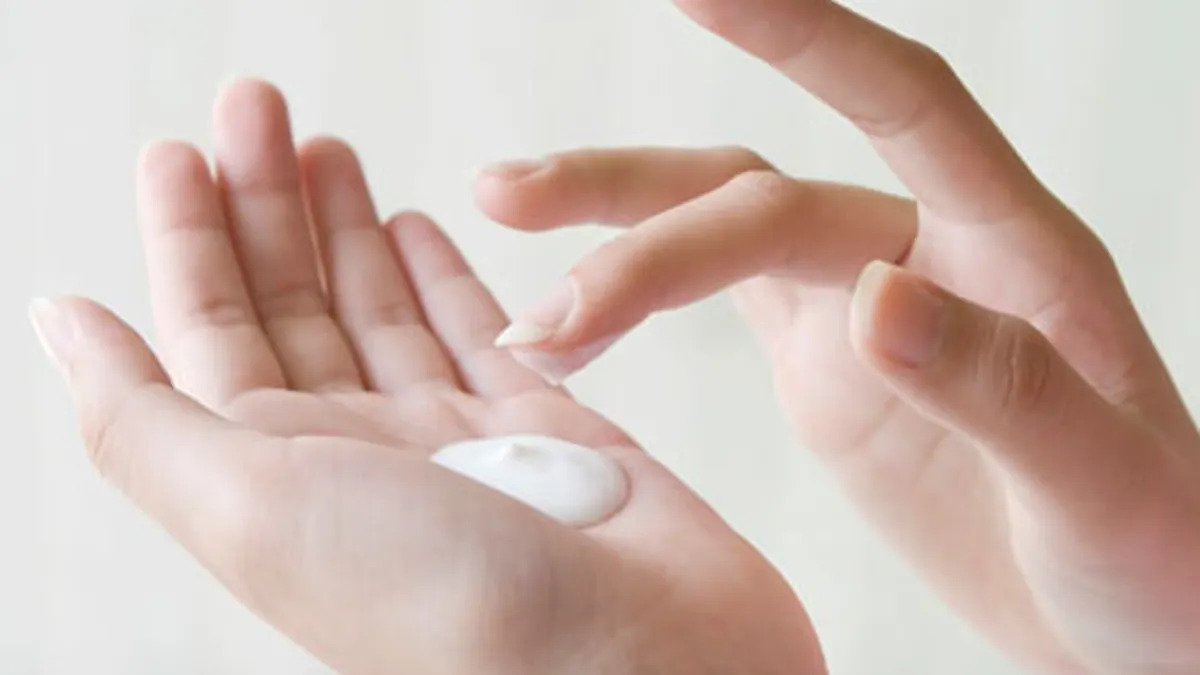
Moisturizing is one of the most important steps in winter skincare.
Apply moisturizer:
- After showering
- Before bed
- Whenever skin feels dry
Look for Ingredients Such As
- Hyaluronic acid
- Ceramides
- Glycerin
- Shea butter
- Squalane
These ingredients help attract and retain moisture.
2. Switch to a Gentle Cleanser
Harsh soaps can strip away natural oils and worsen dryness.
Choose fragrance-free, hydrating cleansers that support the skin barrier rather than disrupting it.
3. Use Lukewarm Water
Instead of very hot showers, use lukewarm water.
Benefits include:
- Reduced moisture loss
- Better skin barrier protection
- Less irritation
Try limiting showers to 10–15 minutes when possible.
4. Invest in a Humidifier
Adding moisture back into the air can help reduce skin dehydration.
A humidifier may help:
- Improve skin comfort
- Reduce dryness
- Support barrier function
This can be particularly beneficial while sleeping.
5. Wear Skin-Friendly Fabrics
Choose soft, breathable materials such as:
- Cotton
- Bamboo fabrics
- Moisture-wicking materials
If wearing wool, consider placing a softer layer underneath to minimize friction.
6. Stay Hydrated
Proper hydration supports overall skin health.
While drinking water alone won’t eliminate dryness, maintaining adequate fluid intake can contribute to healthier skin function.
7. Avoid Excessive Exfoliation
Over-exfoliating can worsen winter skin irritation.
During colder months:
- Reduce exfoliation frequency
- Use gentler exfoliating products
- Focus on hydration afterward
Protecting the skin barrier should be the priority.
8. Apply Hand Cream Frequently
Hands are particularly vulnerable during winter.
Use a rich hand cream after:
- Washing hands
- Exposure to cold weather
- Household cleaning
Regular application can help prevent cracking and irritation.
When Should You See a Dermatologist?
While most cases of winter itch improve with proper skincare, professional evaluation may be helpful if you experience:
- Severe itching
- Painful skin cracks
- Persistent redness
- Bleeding skin
- Signs of infection
- Symptoms that do not improve with moisturizers
Underlying conditions such as eczema, psoriasis, or dermatitis may require specialized treatment.
Common Winter Skincare Mistakes
Skipping Moisturizer
Dry skin requires consistent hydration, especially during winter.
Taking Extremely Hot Showers
Hot water often worsens moisture loss.
Using Harsh Soaps
Strong cleansers can damage the skin barrier.
Ignoring Indoor Humidity
Dry indoor air is a major contributor to winter itch.
Wearing Irritating Fabrics
Certain materials can aggravate already sensitive skin.
A Simple Winter Itch Prevention Routine
Morning
- Gentle cleanser
- Moisturizer
- Sunscreen on exposed skin
During the Day
- Reapply hand cream as needed
- Stay hydrated
Evening
- Lukewarm shower
- Rich body moisturizer
- Use a humidifier overnight if possible
Consistency is often the key to preventing winter skin discomfort.
So, why does your skin get itchy during cold weather? The main reason is that winter conditions reduce moisture in the air and weaken the skin’s natural protective barrier. Cold temperatures, indoor heating, hot showers, and reduced humidity all contribute to dryness and irritation.
Fortunately, winter itch can often be managed with proper skincare habits, including daily moisturizing, gentle cleansing, hydration, and barrier-supporting products. By protecting your skin from moisture loss and environmental stress, you can keep it comfortable, healthy, and itch-free throughout the colder months.

