
Beauty Tools & Accessories
Why Salicylic Acid Is One of the Best Ingredients for Acne-Prone Skin
May
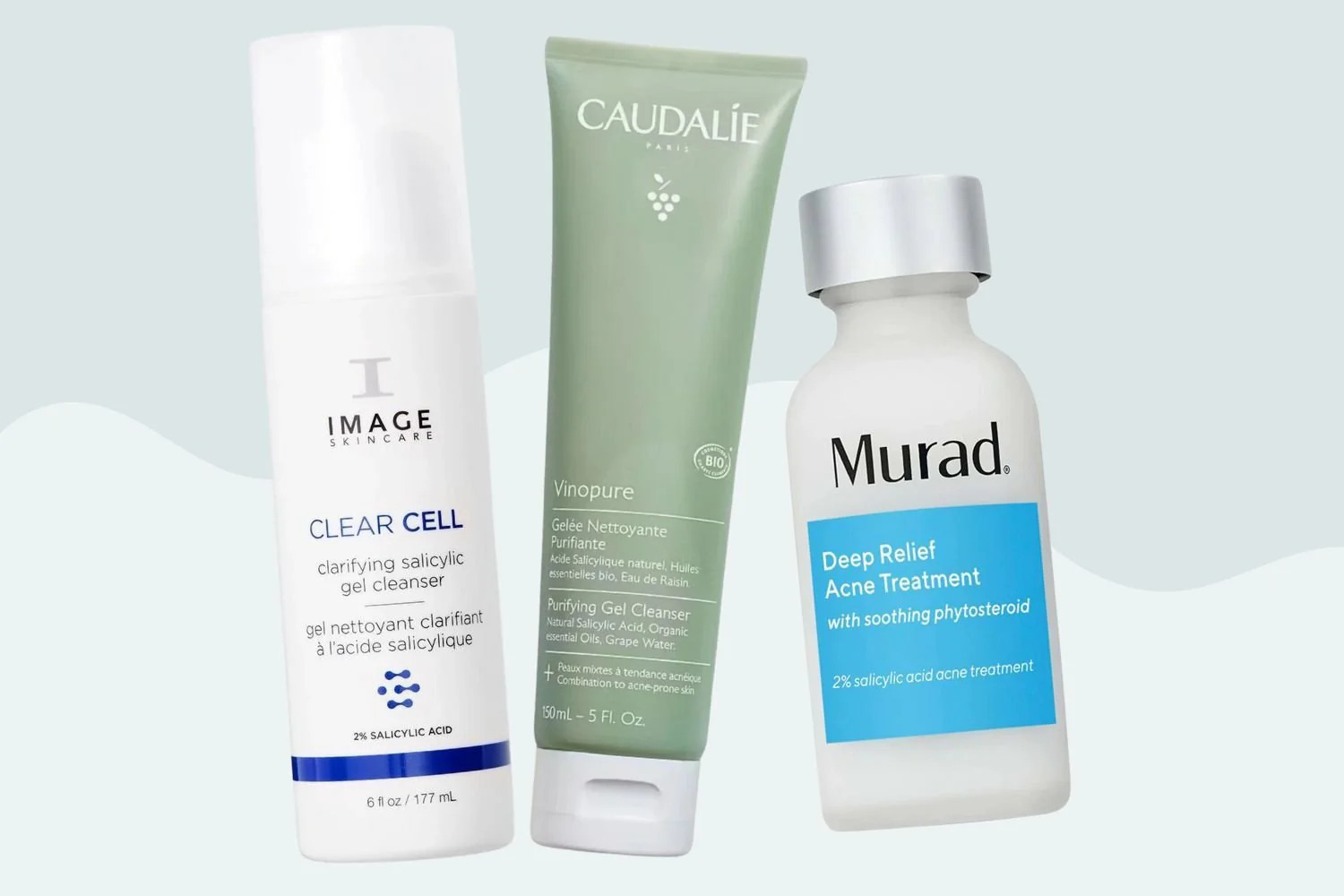
Salicylic acid is one of the most popular and widely recommended ingredients for treating acne. Found in cleansers, toners, serums, and spot treatments, it is especially effective for oily and acne-prone skin because it works deep inside the pores to remove excess oil and dead skin cells.
If you struggle with blackheads, whiteheads, clogged pores, or frequent breakouts, salicylic acid may be a valuable addition to your skincare routine. Understanding how it works and how to use it properly can help you achieve clearer and healthier skin over time.
What Is Salicylic Acid?
Salicylic acid is a type of beta hydroxy acid (BHA), a chemical exfoliant that penetrates into the pores instead of only working on the skin’s surface.
Unlike some exfoliating ingredients, salicylic acid is oil-soluble, which means it can effectively dissolve excess sebum and debris trapped inside the pores.
This makes it particularly useful for acne-prone and oily skin types.
How Salicylic Acid Helps Treat Acne
1. Unclogs Pores
One of the main causes of acne is clogged pores filled with oil, dead skin cells, and bacteria.
Salicylic acid helps:
- Break down excess oil
- Remove dead skin buildup
- Clear congested pores
This reduces the formation of blackheads, whiteheads, and pimples.
2. Reduces Excess Oil
People with oily skin often experience frequent breakouts because excess sebum can trap impurities inside the pores.
Salicylic acid helps control oil production and keeps the skin feeling cleaner and less greasy throughout the day.
3. Gently Exfoliates the Skin
Dead skin cells can accumulate on the surface of the skin and contribute to clogged pores.
Salicylic acid promotes gentle exfoliation, helping improve:
- Skin texture
- Dullness
- Rough patches
- Uneven tone
Regular use can make the skin appear smoother and clearer.
4. Helps Prevent Future Breakouts
Salicylic acid not only treats current acne but also helps prevent new blemishes from forming.
By keeping pores clean and reducing congestion, it supports long-term acne control.
5. Reduces Inflammation
Acne often causes redness and irritation.
Salicylic acid has anti-inflammatory properties that may help calm inflamed breakouts and reduce swelling.
What Types of Acne Does Salicylic Acid Work Best For?
Salicylic acid is most effective for:
- Blackheads
- Whiteheads
- Mild acne
- Congested pores
- Oily skin
It may be less effective for severe cystic acne, which often requires stronger treatments or professional care.
How to Use Safely
Although salicylic acid is highly effective, overusing it can dry out or irritate the skin.
To use it safely:
- Start slowly, 2–3 times per week
- Use a gentle moisturizer afterward
- Avoid combining too many strong active ingredients
- Apply sunscreen daily
Consistency is more important than using high concentrations too quickly.
Signs You May Be Overusing Salicylic Acid
Using too much salicylic acid may lead to:
- Dryness
- Peeling
- Redness
- Tightness
- Increased sensitivity
If irritation occurs, reduce usage and focus on hydration.
Who Should Be Careful with Salicylic Acid?
People with very dry or sensitive skin may need to use salicylic acid carefully or in lower concentrations.
Patch testing new products is always recommended before full use.
A Simple Salicylic Acid Routine
Morning:
Gentle cleanser → Moisturizer → Sunscreen
Evening:
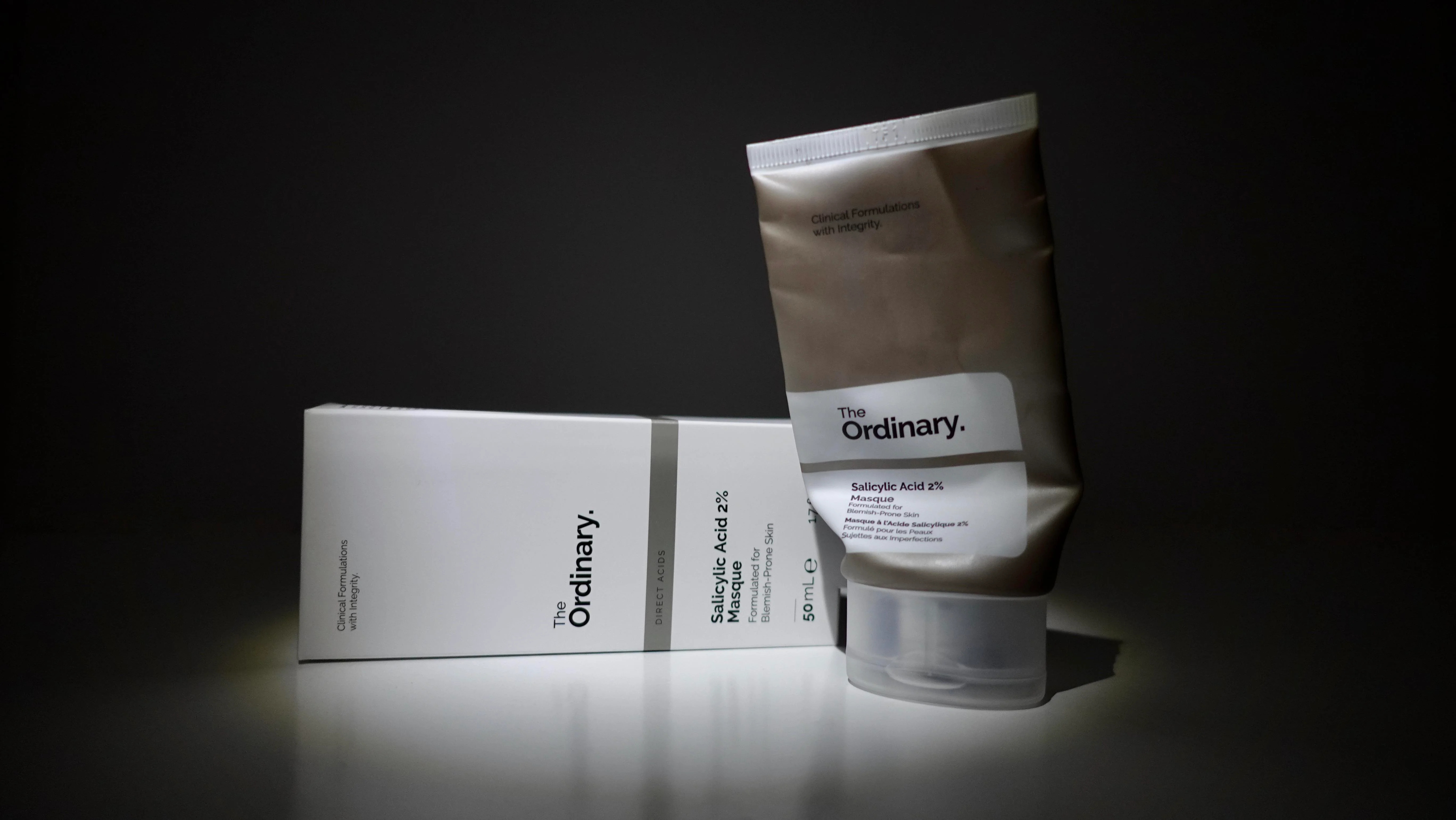
Salicylic acid cleanser or serum → Moisturizer
This simple routine can help improve acne while protecting the skin barrier.
Salicylic acid is one of the most effective ingredients for treating acne, especially for oily skin, clogged pores, blackheads, and mild breakouts. Its ability to exfoliate inside the pores makes it a powerful tool for clearer skin. When used correctly and consistently, salicylic acid can help reduce breakouts, improve skin texture, and support a healthier complexion over time.

