
Beauty Unlocked
The Importance of Nutrition and Diet in HIV and AIDS
Jul
Living with HIV today is very different from what it was decades ago. Thanks to effective antiretroviral therapy, many people with HIV can live long, active, beautifully ordinary lives: working, parenting, dating, traveling, arguing with their Wi-Fi router, and wondering why grocery prices keep doing acrobatics.
Still, HIV is not something the body simply shrugs off. HIV affects the immune system, and without treatment it can progress to AIDS, the most advanced stage of HIV infection. Nutrition cannot cure HIV, replace medication, or “boost” the immune system like a magic smoothie with a cape. But good nutrition can do something extremely important: support the body while treatment does its job.
A healthy HIV diet helps maintain strength, protect lean muscle, support a healthy weight, reduce the risk of other chronic diseases, improve tolerance of medications, and lower the risk of foodborne illness. In plain English: food is part of the care plan. Not the whole plan, not a miracle plan, but a powerful daily tool hiding in your kitchen.
Why Nutrition Matters for People Living with HIV
HIV and AIDS can influence nutrition in several ways. Some people experience appetite changes, nausea, diarrhea, mouth sores, swallowing problems, fatigue, or unplanned weight loss. Others gain weight after starting or changing HIV treatment. Some face food insecurity, limited cooking space, depression, dental problems, or medication side effects. Nutrition advice that says “just eat perfectly” is not helpful when someone is tired, broke, nauseated, or staring at a refrigerator containing mustard, one egg, and emotional damage.
The real goal is not perfection. The goal is consistent nourishment. For people living with HIV, good nutrition supports immune function, helps the body repair tissue, fuels daily energy, and helps reduce complications related to diabetes, heart disease, bone health, and digestive problems.
HIV, AIDS, and the Body’s Nutritional Needs
HIV attacks cells that help the body fight infection. When HIV is not well controlled, the immune system works harder, infections may occur more easily, and the body may need additional energy and nutrients. During illness, fever, diarrhea, or opportunistic infections, nutrition needs can change quickly.
This is why regular HIV care matters. A health care provider or registered dietitian can evaluate weight trends, lab results, medication interactions, gastrointestinal symptoms, blood sugar, cholesterol, kidney function, liver function, and bone health. Nutrition is personal. A diet that works beautifully for one person may be completely wrong for another, especially if there are other conditions such as diabetes, kidney disease, hepatitis, high cholesterol, pregnancy, or wasting syndrome.
The Foundation of a Healthy HIV Diet
A balanced eating pattern for HIV and AIDS is not exotic. It does not require rare berries harvested under a full moon. Most people benefit from meals built around nutrient-dense foods: vegetables, fruits, whole grains, lean proteins, beans, nuts, seeds, dairy or fortified alternatives, and healthy fats.
1. Protein: The Repair Crew
Protein helps maintain muscle, repair tissue, and support immune cells. People with HIV may need extra attention to protein if they are losing weight, recovering from illness, dealing with diarrhea, or rebuilding strength.
Good protein options include eggs cooked thoroughly, poultry, fish, lean meat, beans, lentils, tofu, tempeh, Greek yogurt, cottage cheese, nuts, seeds, and protein-rich whole grains such as quinoa. For someone with a small appetite, protein can be added in gentle ways: peanut butter on toast, yogurt with fruit, beans in soup, tuna with crackers, or a smoothie made with pasteurized dairy or fortified soy milk.
2. Carbohydrates: Energy Without the Drama
Carbohydrates are the body’s preferred energy source. The trick is choosing carbs that bring nutrients along for the ride. Whole grains, oats, brown rice, whole-wheat bread, potatoes, sweet potatoes, corn, beans, lentils, fruit, and vegetables can provide fiber, vitamins, minerals, and steady energy.
Highly processed foods, sugary drinks, candy, and refined snacks are not forbidden forever, but they should not be the main cast. Think of them as guest stars, not the entire season.
3. Healthy Fats: Small Amounts, Big Benefits
Fats help with energy, hormone production, and absorption of fat-soluble vitamins. Healthier fat sources include olive oil, avocado, nuts, seeds, peanut butter, and fatty fish such as salmon or sardines. These foods can also help people who need more calories but cannot eat large portions.
People with HIV may have higher risks of cardiovascular disease, so it is smart to limit trans fats and keep saturated fats reasonable. That means cutting back on fried foods, processed meats, and heavy portions of butter, cream, and high-fat packaged snacks.
4. Fruits and Vegetables: The Colorful Insurance Policy
Fruits and vegetables provide vitamins, minerals, fiber, antioxidants, and hydration. A simple goal is color variety: leafy greens, carrots, tomatoes, berries, oranges, peppers, squash, apples, bananas, and whatever else fits the budget and taste buds.
Fresh is great, but frozen and canned options count too. Choose canned fruit packed in water or juice when possible, rinse canned vegetables or beans to reduce sodium, and keep frozen vegetables ready for quick meals. Nutrition does not care whether your spinach came from a farmers market or a freezer bag. Your cells are not food snobs.
Food Safety: Extra Important with HIV and AIDS
Food safety deserves its own spotlight because people with weakened immune systems can become seriously ill from germs in food and water. For people living with HIV, especially those with low CD4 counts or AIDS, foodborne illness can be more dangerous and may last longer.
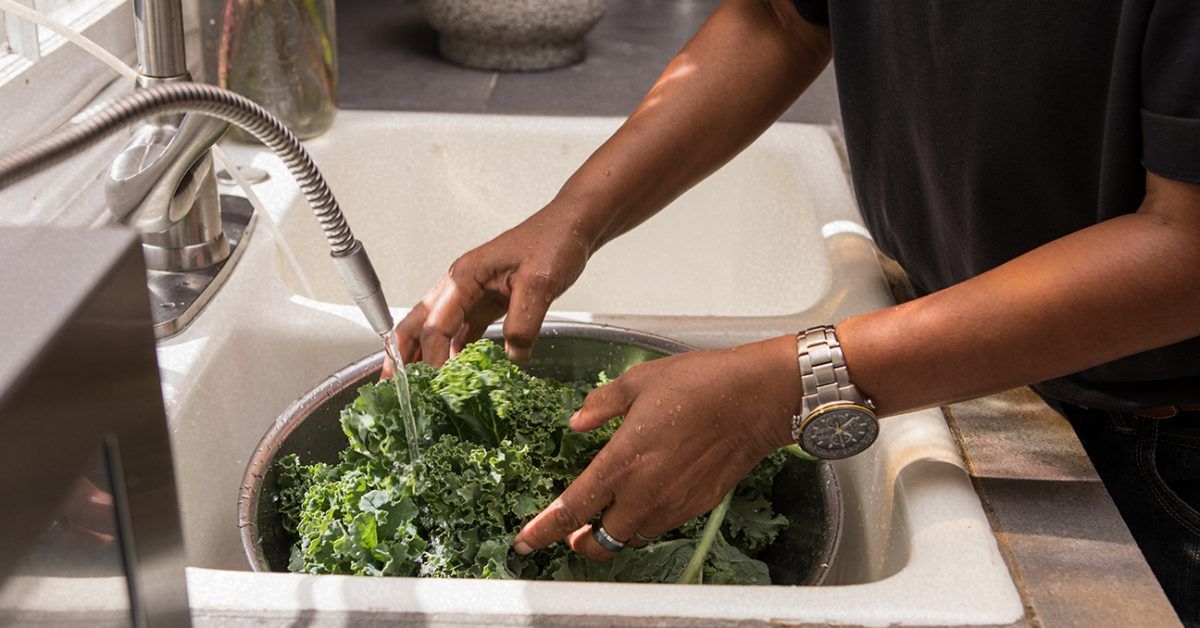
The four basic food safety habits are simple: clean, separate, cook, and chill. Wash hands and surfaces often. Keep raw meat, poultry, seafood, and eggs away from ready-to-eat foods. Cook foods to safe internal temperatures. Refrigerate leftovers promptly.
Foods to Handle with Caution
People with HIV should be especially careful with raw or undercooked eggs, raw meat, raw poultry, raw seafood, sushi made with raw fish, raw shellfish, unpasteurized milk, unpasteurized juice, soft cheeses made from raw milk, and unwashed produce. Raw cookie dough also belongs on the caution list, even if it whispers sweet promises from the mixing bowl.
Safer choices include pasteurized milk and juices, thoroughly cooked eggs, fully cooked meats and seafood, washed fruits and vegetables, and leftovers reheated until hot. When eating out, it is reasonable to ask questions about ingredients and cooking methods. That is not being difficult; that is being alive and sensible.
Managing Common Nutrition Problems in HIV
Loss of Appetite
When appetite disappears, three large meals may feel impossible. Smaller, more frequent meals can help. Try toast with peanut butter, soup with beans, yogurt with fruit, eggs, smoothies, rice bowls, or crackers with tuna. Keeping easy foods available reduces the “I should eat but I cannot deal with cooking” problem.
Nausea
For nausea, bland foods may be easier: crackers, rice, bananas, applesauce, toast, broth, oatmeal, or plain potatoes. Some people do better with cool foods because strong smells can trigger nausea. Greasy meals, alcohol, and very spicy foods may make symptoms worse. If nausea is related to medication, the HIV care team should know. There may be timing changes or treatment options that help.
Diarrhea
Diarrhea can lead to dehydration, electrolyte loss, and poor nutrient absorption. Fluids matter. Oral rehydration drinks, broth, water, and diluted juices may help. During a flare, bland lower-fat foods may be easier to tolerate. Persistent diarrhea should always be discussed with a clinician because infections, medications, lactose intolerance, and other conditions may be involved.
Unplanned Weight Loss
Unplanned weight loss can be serious, especially if muscle is being lost. Adding calories and protein may help: nut butters, olive oil, avocado, yogurt, cheese, smoothies, eggs, beans, and meal supplements when recommended. Medical nutrition therapy can be especially useful for people with wasting, poor appetite, or difficulty maintaining weight.
Weight Gain
Some people gain weight after starting effective HIV treatment. This can happen for many reasons, including recovery from illness, appetite changes, medication effects, reduced activity, stress, sleep problems, or ordinary life doing ordinary life things. The answer is not crash dieting. A better approach is regular meals, more fiber-rich foods, lean protein, fewer sugary drinks, smaller portions of ultra-processed foods, and enjoyable movement.
Diet and HIV Medications
Antiretroviral therapy, often called ART, is the main treatment for HIV. Nutrition supports treatment, but it does not replace it. Some HIV medicines may need to be taken with food, while others may need to be taken on an empty stomach. Certain supplements, especially minerals such as calcium, magnesium, iron, and zinc, may interfere with the absorption of some medications if taken at the wrong time.
This is one reason supplement advice should come from a health care provider, pharmacist, or registered dietitian. “Natural” does not automatically mean safe. Grapefruit, St. John’s wort, high-dose vitamins, bodybuilding supplements, and herbal products can interact with medications. The supplement aisle may look innocent, but it has plot twists.
Micronutrients: Vitamins and Minerals Matter
People with HIV need the same essential vitamins and minerals as everyone else, but deficiencies can be more likely when appetite is poor, digestion is affected, food access is limited, or chronic illness is present.
Important nutrients include vitamin D, calcium, iron, zinc, folate, vitamin B12, vitamin C, and magnesium. Calcium and vitamin D are especially important for bone health, because HIV and some treatments may be associated with bone-density concerns. Food sources include dairy products, fortified plant milks, fortified cereals, canned salmon with bones, leafy greens, beans, eggs, fish, citrus fruits, and nuts.
A standard multivitamin may be appropriate for some people, but high-dose supplements should not be taken casually. More is not always better. With nutrition, the “mega-dose” approach can turn into expensive urine at best and health problems at worst.
Hydration and HIV Health
Water supports digestion, circulation, temperature control, and medication tolerance. Hydration becomes even more important during fever, vomiting, diarrhea, heavy sweating, or hot weather. Good options include water, broth, oral rehydration solutions, milk, fortified plant milk, and unsweetened beverages.
Alcohol deserves caution. Heavy drinking can interfere with medication adherence, liver health, sleep, mood, and food choices. People with liver disease, hepatitis, certain medications, or substance use concerns should discuss alcohol honestly with their care team.
Food Access, Stigma, and Real Life
Nutrition advice must acknowledge real life. It is easy to say “eat salmon and berries” when someone else is paying. Many people living with HIV deal with food insecurity, unstable housing, transportation problems, stigma, depression, or limited kitchen access. A healthy HIV diet has to be realistic.
Community resources can make a major difference. Ryan White HIV/AIDS Program services, food banks, medically tailored meals, nutrition counseling, SNAP benefits, community clinics, and case managers may help people access food and professional guidance. Asking for help is not failure. It is strategy.
Practical Meal Ideas for People Living with HIV
Breakfast Ideas
Try oatmeal with peanut butter and banana, scrambled eggs with whole-grain toast, Greek yogurt with fruit, a smoothie with pasteurized milk and nut butter, or a breakfast burrito with beans and eggs.
Lunch Ideas
Good lunch options include chicken and rice bowls, lentil soup, turkey sandwiches with vegetables, tuna salad with whole-grain crackers, tofu stir-fry, or bean chili with avocado.
Dinner Ideas
Dinner can be simple: baked fish with sweet potatoes, pasta with vegetables and lean protein, chicken soup, rice with beans and salsa, turkey meatballs, vegetable omelets, or a hearty stew.
Snack Ideas
Helpful snacks include nuts, cheese and crackers, hummus with pita, fruit with peanut butter, yogurt, hard-boiled eggs, trail mix, or a small smoothie. Snacks are not “cheating.” For someone trying to maintain weight or manage medication-related appetite issues, snacks can be part of the treatment-support team.
Experience-Based Lessons: What People Often Learn About Diet, HIV, and Daily Life
One of the biggest real-world lessons about nutrition and HIV is that consistency beats dramatic reinvention. Many people start with big plans: a perfect meal schedule, organic everything, color-coded containers, and a blender powerful enough to frighten the neighbors. Then life happens. Appointments run long. Medication causes nausea. Money gets tight. Depression shows up. The carefully planned grilled chicken becomes cereal for dinner. That does not mean failure. It means the plan needs to be more human.
A useful experience-based approach is to build a “safe default meal.” This is one meal a person can make even when energy is low. It might be rice, canned beans, and frozen vegetables. It might be eggs and toast. It might be yogurt, banana, and peanut butter. It does not have to impress a cooking show judge. It just has to provide calories, protein, and some nutrients when life is being rude.
Another common lesson is that symptoms need patterns, not panic. If nausea happens every morning after medication, write it down. If diarrhea follows dairy, track it. If appetite is better at night than in the morning, use that information. A food and symptom journal can help a clinician or dietitian spot patterns. The body often leaves clues; the trick is not ignoring them like emails marked “urgent.”
People also learn that food safety becomes a quiet habit over time. At first, checking pasteurization labels, cooking eggs thoroughly, washing produce, and refrigerating leftovers quickly may feel like extra homework. Eventually, it becomes automatic. The goal is not to fear food. The goal is to enjoy food with fewer unnecessary risks.
Social eating can be emotionally complicated. A person may not want to explain HIV, medication, nausea, weight changes, or why they are avoiding raw oysters at a party. A simple phrase can help: “My doctor wants me to be careful with certain foods.” No speech required. No personal medical history handed out with the appetizers.
Another lesson is that nutrition support works best when it is shame-free. People living with HIV may already carry enough stigma. Food should not become another source of judgment. Some days are salad days. Some days are soup-from-a-can days. Some days are “I ate something, and that counts” days. Progress often looks ordinary: drinking more water, adding beans to rice, choosing pasteurized dairy, keeping snacks near medication, or asking for a dietitian referral.
Perhaps the most important experience is this: food can restore a sense of control. HIV treatment may involve lab results, appointments, prescriptions, and medical language that sounds like it was assembled by a committee of robots. Meals are different. Meals are daily choices. A bowl of soup, a washed apple, a cooked egg, a glass of water, a balanced platethese are small acts of care. They do not cure HIV, but they help a person live with strength, dignity, and a little more comfort.
Conclusion
The importance of nutrition and diet in HIV and AIDS is not about chasing miracle foods or following extreme rules. It is about supporting the immune system, maintaining energy, protecting muscle, managing side effects, reducing foodborne illness, and lowering the risk of long-term health problems. Good nutrition works best alongside effective HIV treatment, regular medical care, physical activity, emotional support, and practical food access.
For people living with HIV, the best diet is safe, balanced, realistic, affordable, and personalized. A registered dietitian or HIV care provider can help adjust nutrition for weight loss, weight gain, medication side effects, digestive symptoms, pregnancy, aging, diabetes, kidney disease, heart health, or bone health.
Note: This article is for educational purposes only and is not a substitute for professional medical advice. People living with HIV or AIDS should work with their HIV care team before making major diet changes, starting supplements, or changing medication routines.

