
Beauty Tools & Accessories
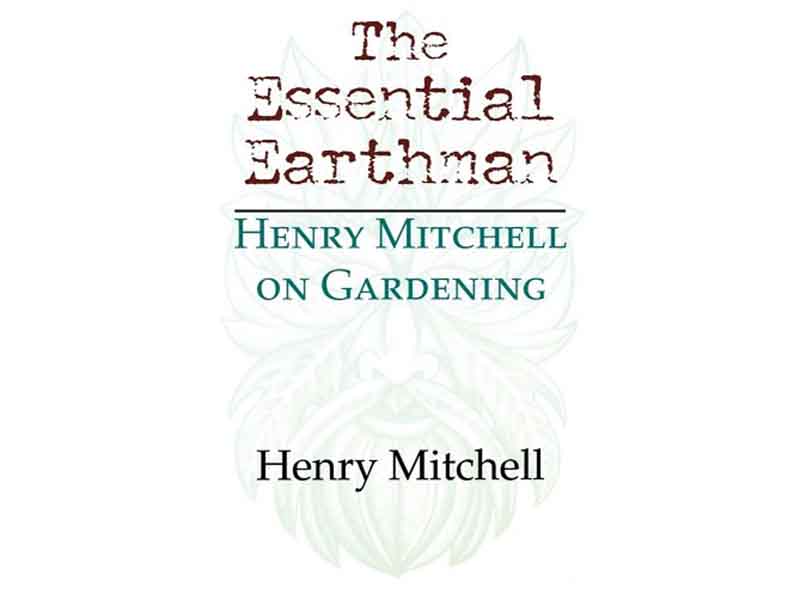
The Essential Earthman
Jun
Note: This article is based on real information from reputable publishing, gardening, horticulture, university extension, and environmental sources in the United States. Source links are intentionally not inserted so the content remains clean for web publishing.
Some gardening books teach you how to prune a rose. Others explain why your compost pile smells like a swamp creature moved in and started a jazz band. The Essential Earthman, Henry Mitchell’s beloved collection of gardening essays, does something rarer: it teaches readers how to think like a gardener. Not like a catalog addict, not like a weekend warrior armed with three bags of mulch and heroic optimism, but like a patient, observant, slightly stubborn human being who knows that plants have their own schedule and absolutely no interest in your five-year plan.
First published from Mitchell’s long-running garden writing, The Essential Earthman: Henry Mitchell on Gardening remains a classic because it blends practical gardening advice with humor, humility, and the quiet drama of real dirt. It is not a glossy fantasy of perfect borders and obedient hydrangeas. It is a book about trial, error, weather, weeds, bulbs, records, fragrance, shrubs, lawns, and the strange emotional bargain gardeners make with living things. You give the garden labor, attention, and a surprising amount of money. In return, it gives you beauty, wisdom, occasional tomatoes, and at least one plant that dies just to keep you humble.
What Is The Essential Earthman?
The Essential Earthman is a collection of garden essays by Henry Clay Mitchell, best known for his “Earthman” column in The Washington Post. The book gathers Mitchell’s sharp observations on plants, seasons, garden design, maintenance, and the deeply human comedy of trying to improve a patch of earth. The modern Indiana University Press edition presents the work as Henry Mitchell on Gardening, and the book has earned lasting praise from readers who want gardening writing with personality, not just planting charts.
The word “essential” fits. Mitchell does not merely list what to plant in sun or shade. He writes about why gardeners keep records, why winter is not a dead season but a planning season, why fragrance matters, why lawns can be overrated, and why a garden should never be treated like outdoor furniture. His essays feel especially refreshing in an age of instant makeovers, social media gardens, and “low-maintenance” promises that often mean “someone else is doing the maintenance.”
Who Was Henry Mitchell?
Henry Mitchell was an American journalist, columnist, and passionate gardener whose writing made ordinary backyard work feel literary without making it precious. He wrote about gardening for nearly a quarter century and became known for a voice that was practical, funny, skeptical, and deeply affectionate toward plants. His columns were rooted in Washington, D.C., but his insights travel well because every gardener, from Maine to Arizona, eventually learns the same lesson: climate, soil, timing, and reality always get a vote.
Mitchell’s genius was not that he had a perfect garden. In fact, part of his charm is that he understood failure. He knew that plants sulk, bulbs vanish, shrubs outgrow their welcome, and gardeners occasionally buy something at a nursery because it looked charming in a pot, only to discover later that it behaves like a leafy invasion force. His writing invites readers to laugh at these mistakes while learning from them.
Why This Gardening Classic Still Matters
Gardening trends change. One decade worships lawns. Another decade declares lawns ecological villains with excellent PR. One generation plants formal beds; another wants native meadows, pollinator patches, edible landscapes, rain gardens, and compost systems that sound suspiciously like household pets. Yet The Essential Earthman still feels current because Mitchell’s core principles are timeless: observe carefully, plant thoughtfully, record honestly, and do not confuse gardening with shopping.
Modern horticultural science supports many of the instincts that run through Mitchell’s essays. University extension programs now emphasize soil testing before fertilizing, matching plants to site conditions, using integrated pest management, composting organic materials, and supporting pollinators with regionally appropriate plants. Mitchell may not have written in today’s sustainability vocabulary, but his practical skepticism points in the same direction. He favored gardens that made sense in real life, not gardens that required constant rescue missions.
The Earthman Philosophy: Garden with Your Eyes Open
The most useful lesson in The Essential Earthman is observation. A gardener who observes learns more than a gardener who merely buys. Watch where sunlight falls in March and where it broils in August. Notice which corner stays wet after rain. See where the wind snaps stems, where rabbits dine, and where the soil cracks like an overbaked brownie. These details are not trivia; they are the garden’s operating manual.
Mitchell’s approach encourages gardeners to stop treating every problem as a product shortage. Yellow leaves do not always mean a plant needs fertilizer. A struggling perennial may not need encouragement; it may need to be moved. A pest problem may be a symptom of stress, poor placement, or too much gardener interference. In other words, the garden is usually speaking. The challenge is learning to listen before charging in with a spray bottle like a tiny suburban firefighter.
Keep Records, Even Bad Ones
One of Mitchell’s recurring ideas is the value of keeping records. A garden journal does not need leather binding, calligraphy, or watercolor sketches of heroic turnips. It can be a notebook, spreadsheet, phone note, or calendar. The important thing is to record what was planted, when it bloomed, what failed, what thrived, when pests appeared, and whether that “full sun” bed was actually full sun or just wishful thinking with mulch.
Garden records turn vague memory into useful evidence. Without notes, every spring becomes a mystery novel titled Where Did I Put the Daffodils? With notes, you can track bloom times, soil amendments, watering habits, plant performance, and seasonal patterns. A journal helps you avoid repeating the same mistake annually, which is good because gardening already provides plenty of new mistakes at no extra charge.
Right Plant, Right Place: The Earthman Rule Before It Had a Hashtag
Modern gardeners often repeat the phrase “right plant, right place,” and Mitchell’s essays live comfortably inside that idea. The principle is simple: choose plants that fit the conditions you actually have, not the fantasy conditions you wish you had. A shade-loving plant placed in punishing afternoon sun will not become brave. A drought-tolerant plant in soggy clay will not learn to swim. A tree planted too close to the house will not politely stop growing because the gutter looks nervous.
This is where The Essential Earthman becomes more than charming prose. It teaches restraint. Mitchell reminds readers that good gardening is often the art of not forcing things. Instead of rebuilding the world for one plant, choose a plant suited to the world you have. That approach saves money, reduces maintenance, improves plant health, and makes the garden feel less like a hostage situation.
Soil Is Not Dirt with Better Branding
Healthy gardening begins with soil. Soil testing can reveal pH, nutrient levels, organic matter, and possible problems before they become expensive disappointments. For vegetable gardens, flower beds, lawns, and new landscapes, testing helps gardeners make informed decisions rather than tossing fertilizer around like confetti at a parade. Overfertilizing can waste money, damage plants, and contribute to nutrient runoff, which is not exactly the kind of legacy one hopes to leave.
Mitchell’s writing often respects the stubborn facts of place, and soil is one of those facts. Clay, sand, loam, drainage, compaction, and organic matter shape what a garden can become. Compost can improve soil structure and support plant growth, but even compost is not magic fairy dust. It works best as part of a thoughtful system: observe, test, amend, plant, mulch, and repeat as needed.
Maintenance-Free Gardens? Lovely Myth, Wrong Hobby
One of the most Earthman-like truths is that gardens require maintenance. The phrase “maintenance-free garden” sounds delightful until you remember that plants are alive. They grow, lean, seed, flop, spread, fade, and occasionally attempt botanical world domination. A truly maintenance-free garden is usually either plastic, paved, or abandoned.
Mitchell’s attitude toward maintenance is refreshing because he does not romanticize drudgery, but he also does not pretend gardening is effortless. The work is part of the relationship. Deadheading, pruning, watering, dividing, composting, weeding, and moving plants are not punishments; they are how gardeners stay involved. That does not mean every garden should be high-maintenance. It means the goal should be meaningful maintenance, not a fantasy of no maintenance at all.
Design for Joy, Not Just Display
A garden is not a showroom. It should have rhythm, surprise, fragrance, texture, and places where the gardener actually wants to stand. Mitchell understood that gardens are experienced over time, not consumed in one perfect photograph. A bed that looks modest in April may become spectacular in June. A shrub that seems dull at noon may perfume the evening. A path may matter as much as a flower because it changes how you move, pause, and notice.
Modern design often focuses on curb appeal, but The Essential Earthman encourages soul appeal. Plant for pollinators, yes. Plant for structure, certainly. But also plant for delight. Add something fragrant near a door. Grow bulbs where winter-weary eyes will find them. Use foliage contrast instead of relying only on flower color. Put beauty where you will actually see it, not only where visitors can admire it while pretending not to judge your recycling bins.
Lawns, Alternatives, and the Small-Garden Mindset
Mitchell wrote memorably about lawns and small gardens, questioning the assumption that grass must be the default landscape. That idea feels even more relevant today as gardeners rethink water use, biodiversity, mowing, fertilizer, and habitat. Lawns can be useful for play, pets, paths, and visual calm, but they are not sacred. In small lots especially, replacing some turf with shrubs, perennials, groundcovers, vegetables, herbs, or native plants can create a richer and more personal garden.
The point is not to declare war on every blade of grass. The point is to ask what the space should do. Does it feed pollinators? Offer shade? Grow food? Frame a sitting area? Manage stormwater? Make the homeowner happy on a Tuesday evening after a dreadful meeting? A lawn may answer some of those needs. Often, a more diverse planting answers more of them.
Pollinators, Native Plants, and the Modern Earthman
If Mitchell were writing today, he would likely have plenty to say about pollinator gardens, native plants, and ecological landscaping. Native plants are adapted to local climates and soils, and many provide nectar, pollen, seeds, or habitat for insects, birds, and other wildlife. Pollinator-friendly gardens benefit from a range of plants that bloom from early spring through late fall, giving bees, butterflies, moths, and other visitors a reliable buffet instead of one lonely flower clump trying to run a restaurant by itself.
Still, the Earthman spirit would resist turning native gardening into a rigid purity contest. A good garden can be ecological and beautiful, disciplined and generous, practical and eccentric. The goal is not to shame every rose or peony. The goal is to make better choices: reduce unnecessary pesticides, include regionally appropriate plants, leave some habitat, compost when possible, conserve water, and understand that the garden is part of a larger living system.
Pest Control Without Panic
Integrated pest management, or IPM, fits beautifully with Mitchell’s common-sense tone. IPM begins with identification and observation, not immediate chemical warfare. Some insects are harmless. Some are beneficial. Some are pests only when their populations get out of hand. Before treating a problem, gardeners should ask what the pest is, how much damage it is causing, whether the plant is otherwise healthy, and what low-risk methods might work first.
This is practical, not preachy. A gardener who recognizes lady beetle larvae will not accidentally destroy allies. A gardener who improves spacing and airflow may reduce disease pressure. A gardener who tolerates minor cosmetic damage may save time, money, and beneficial insects. The garden does not need to be sterile to be successful. In fact, a sterile garden is usually less alive than it looks.
How to Read The Essential Earthman Today
Read The Essential Earthman slowly. It is not a troubleshooting manual to search only when your lilac looks tragic. It is a companion book, ideal for winter evenings, rainy afternoons, and those moments when you need reassurance that even great gardeners have plants that fail dramatically. Keep it beside your seed catalogs and your garden journal. Let it argue with you.
Some advice may feel dated because gardening knowledge has evolved, especially around ecology, pesticides, native plants, and climate stress. That is fine. A classic gardening book should not be treated like a law code carved into stone. It should be read as a conversation across seasons. Mitchell gives readers his judgment, humor, and experience; modern gardeners can add soil science, climate awareness, pollinator research, and regional extension guidance.
Practical Takeaways from the Earthman Mindset
1. Start with observation
Before buying plants, study the site. Track sun, shade, drainage, wind, soil texture, and existing plant performance. The best garden decisions usually happen before the shovel enters the story.
2. Keep a simple garden journal
Record planting dates, bloom times, failures, harvests, pests, weather extremes, and plant names. The future version of you will be grateful, especially after the plant tags vanish into the mulch like tiny plastic submarines.
3. Test soil before guessing
Soil testing helps determine what your garden actually needs. Guessing can lead to wasted fertilizer, poor growth, and unnecessary amendments. Plants appreciate accuracy, even if they never say thank you.
4. Compost thoughtfully
Composting yard debris and suitable food scraps can build healthier soil, reduce waste, and support better plant growth. A compost pile is not glamorous, but neither is buying bag after bag of soil amendment while your banana peels go to the landfill.
5. Choose plants for place and purpose
Think about mature size, light needs, water needs, soil preference, wildlife value, fragrance, texture, and seasonal interest. A plant should earn its spot, not just flirt with you at the nursery.
Experiences Related to The Essential Earthman
The best way to understand The Essential Earthman is to step outside after reading it. The book changes how you see ordinary garden moments. A patch of bare soil becomes a question. A struggling shrub becomes a case study. A clump of bulbs becomes a promise you made to spring months ago and then completely forgot, which is one of gardening’s most reliable joys.
Imagine reading Mitchell in late winter, when the garden appears to be doing absolutely nothing except charging rent. You walk outside with a mug of coffee and notice the first green noses of daffodils pushing through the cold soil. Before reading The Essential Earthman, you might simply think, “Nice, flowers soon.” After reading Mitchell, you are more likely to wonder when you planted them, whether they have multiplied, whether they are in the right place, and whether you should have planted three times as many because restraint in bulb planting is often just regret wearing sensible shoes.
Another Earthman experience happens at the nursery. Every gardener knows the danger zone: rows of healthy plants, cheerful tags, and the false confidence produced by a sunny Saturday. Without an Earthman mindset, you may load the cart with whatever is blooming loudest. With Mitchell whispering common sense from the back of your mind, you pause. Where will this go? How big will it get? Does it need moist soil? Do I have moist soil, or do I have concrete disguised as earth? Is this plant beautiful in July or only charming right now because the nursery has watered it better than I water myself?
The book also deepens the experience of failure. A tomato collapses. A rose blackens. A perennial disappears so completely you begin to question whether you invented it. Instead of treating failure as proof that you lack a green thumb, Mitchell’s style encourages you to treat it as information. Maybe the drainage was wrong. Maybe the plant was weak. Maybe the weather was brutal. Maybe you watered with the discipline of a distracted raccoon. The point is not shame. The point is learning.
There is also a social experience connected to The Essential Earthman. Gardeners who love Mitchell tend to recognize one another. They are the people who laugh about dead plants without sounding defeated. They appreciate a strong opinion about tulips, lawns, paths, or fragrance. They understand that gardening is both practical and philosophical. Ask such a gardener about compost, and you may receive a lecture, a warning, a bucket, and possibly a zucchini. This is community in its most earthy form.
Finally, The Essential Earthman improves the quietest garden experience of all: standing still. Many people rush through gardens looking for tasks. Mitchell helps readers notice the pauses. The scent near the gate. The shadow of a branch on brick. The absurd ambition of a vine. The first bee on a warm afternoon. The satisfaction of moving one plant to a better place and watching it recover as if it had been waiting for you to become less foolish. That is the real essential Earthman lesson: a garden is not finished, and neither is the gardener.
Conclusion
The Essential Earthman endures because it is not merely about plants. It is about attention, patience, humor, and the long education of working with living things. Henry Mitchell gives gardeners permission to be opinionated, experimental, reverent, and ridiculous all at once. His essays remind us that gardening is not a performance of perfection. It is a relationship with soil, weather, seasons, memory, failure, and hope.
For modern readers, the book pairs beautifully with today’s best gardening practices: soil testing, composting, native planting, pollinator support, integrated pest management, water-wise design, and careful record keeping. Mitchell’s voice may come from another era, but his wisdom still lands squarely in the present. The essential earthman, after all, is not a person who controls nature. It is someone who pays attention, keeps digging, laughs often, and knows that the garden always gets the last word.

