
Beauty Tools & Accessories
Spring Sweet Pea Soup
Aug
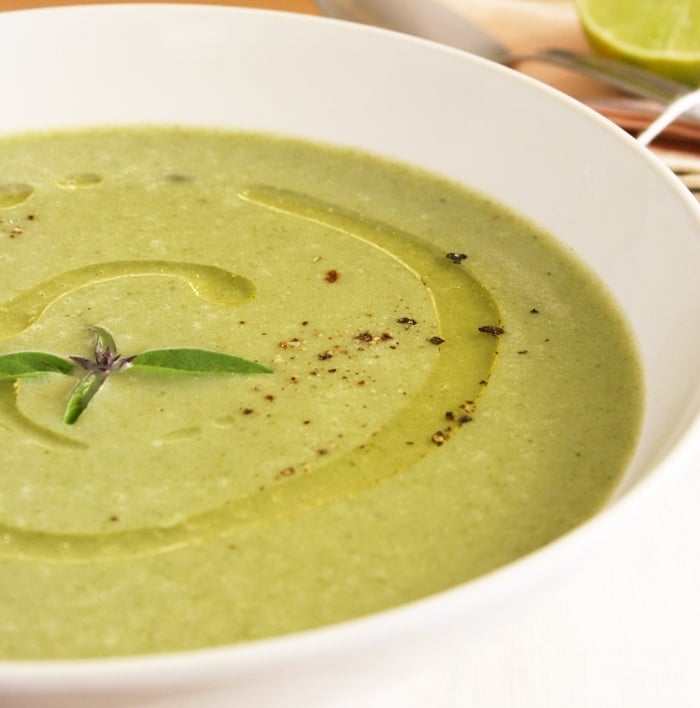
Spring sweet pea soup is what happens when comfort food opens the windows, puts on a lighter sweater, and invites fresh herbs over for lunch. Made with tender green peas, leeks, mint, lemon, and a modest splash of cream, this vibrant soup tastes fresh without feeling flimsy. It is silky, naturally sweet, and ready in about 35 minutesroughly the time required to decide what to watch while eating it.
Freshly shelled peas are lovely when they are truly fresh, but frozen peas are not a consolation prize. They are picked and frozen quickly, making them consistently sweet, colorful, and convenient. That means you can serve a bowl that looks like spring even when the farmers market is still mostly selling tote bags and optimism.
Why This Spring Pea Soup Works
Green peas contain natural sugars, starch, fiber, and plant protein. Their sweetness pairs well with mellow alliums such as leeks and scallions, while lemon provides enough acidity to keep the flavor from becoming flat. Mint reinforces the peas’ cool, grassy character, and parsley adds freshness without making the soup taste like toothpaste wearing a gardening hat.
The secret is brief cooking. Fresh peas need only a few minutes to become tender, while frozen peas cook even faster. Extended simmering can dull their bright flavor and transform their lively green color into something closer to military upholstery. Recipes from Serious Eats and Epicurious likewise emphasize short cooking times for a fresher result.
A Small Potato Creates a Creamy Texture
A peeled Yukon Gold potato gives this sweet pea soup body without requiring a large amount of cream. As the potato simmers, its starch thickens the broth. Once blended, the soup becomes smooth and substantial while still tasting primarily of peas.
The potato should play a supporting role. Add too much and the recipe becomes green potato soupa perfectly respectable dish, but not the one invited to this particular party.
Fresh and Frozen Peas Are Both Welcome
Use fresh peas when their pods are plump, crisp, and recently harvested. Peas gradually lose sweetness after picking, so cool them promptly and use them soon. The University of Minnesota Extension recommends quickly cooling harvested peas and notes that they can keep for about a week under appropriate refrigerated conditions.
Frozen petite peas are usually the best year-round option. Add them directly from the freezer; thawing is unnecessary. Avoid canned peas for this recipe because their softer texture, muted flavor, and olive-green color will produce a heavier soup.
Spring Sweet Pea Soup Recipe
- Prep time: 15 minutes
- Cook time: 20 minutes
- Total time: 35 minutes
- Yield: 6 appetizer servings or 4 light main-course servings
Ingredients
- 2 tablespoons unsalted butter or extra-virgin olive oil
- 1 medium leek, white and pale-green portions only, thinly sliced and thoroughly rinsed
- 2 scallions, sliced, with white and green portions separated
- 1 small garlic clove, minced
- 1 small Yukon Gold potato, about 5 ounces, peeled and diced
- 3 cups low-sodium vegetable broth, plus more as needed
- 4 cups fresh shelled green peas or frozen petite peas
- 1/3 cup loosely packed fresh mint leaves
- 1/4 cup loosely packed flat-leaf parsley
- 1 teaspoon finely grated lemon zest
- 1 1/2 tablespoons fresh lemon juice, plus more to taste
- 1/2 teaspoon kosher salt, plus more as needed
- 1/4 teaspoon freshly ground black pepper
- 1/3 cup heavy cream, half-and-half, or unsweetened cashew cream, optional
Optional Garnishes
- Crème fraîche, plain Greek yogurt, or cashew cream
- Pea shoots or edible microgreens
- Thinly sliced scallion greens
- Chopped mint or parsley
- Extra-virgin olive oil
- Freshly cracked black pepper
- Homemade croutons
- Toasted pistachios or sliced almonds
Step-by-Step Instructions
-
Soften the aromatics. Melt the butter in a medium Dutch oven or heavy saucepan over medium-low heat. Add the leek, scallion whites, and a small pinch of salt. Cook for 5 to 6 minutes, stirring occasionally, until tender but not browned. Add the garlic and cook for another 30 seconds.
-
Cook the potato. Add the diced potato and vegetable broth. Increase the heat and bring the mixture to a gentle boil. Reduce to a simmer, partially cover, and cook for 8 to 10 minutes, or until the potato can be easily pierced with a fork.
-
Add the peas briefly. Stir in the peas. Cook fresh peas for approximately 4 to 5 minutes or frozen peas for 2 to 3 minutes. Stop cooking as soon as they are tender and bright green.
-
Add the herbs. Remove the pot from the heat. Stir in the mint, parsley, lemon zest, salt, black pepper, and most of the scallion greens. Let the herbs wilt for about 30 seconds.
-
Blend until silky. Purée the soup directly in the pot with an immersion blender. For an exceptionally smooth texture, use a countertop blender in carefully vented batches, following the manufacturer’s hot-liquid instructions. Never tightly seal hot soup in a blender.
-
Finish and adjust. Return the soup to low heat if necessary. Stir in the lemon juice and optional cream. If the soup is too thick, add broth a few tablespoons at a time. Taste and adjust the salt, pepper, and lemon juice.
-
Serve. Ladle the soup into warm bowls. Finish each serving with crème fraîche, olive oil, herbs, pea shoots, or crunchy croutons.
How to Keep Pea Soup Bright Green
Color is not merely decorative here. A vivid green soup usually signals that the peas were cooked briefly enough to retain their fresh flavor. These practical techniques help protect both qualities:
- Prepare everything first. Peas cook quickly, so chop the herbs and measure the lemon before they enter the pot.
- Cook the potato before adding peas. Waiting until the potato is tender prevents the peas from simmering for an extra ten minutes.
- Use gentle heat. The soup should simmer, not stage a reenactment of an erupting geyser.
- Blend promptly. Remove the pot from the burner as soon as the peas are tender.
- Add lemon near the end. The acid tastes brighter when it is not boiled for an extended period.
- Cool chilled soup quickly. Set the pot in a larger bowl of ice water and stir occasionally before refrigerating.
If appearance is especially important, reserve half a cup of peas. Blanch them separately until just tender, cool them in ice water, and blend them into the finished soup immediately before serving.
Useful Variations
Vegan Spring Pea Soup
Use extra-virgin olive oil, vegetable broth, and unsweetened cashew cream. A spoonful of white miso can add savory depth, but whisk it in after blending and reduce the added salt. Coconut milk also works, although it gives the soup a noticeably tropical personality.
Pea and Asparagus Soup
Add one cup of chopped asparagus during the final two minutes of cooking the potato. Include the tender upper stalks in the soup and reserve blanched tips for garnish. Asparagus makes the flavor earthier while maintaining the spring-green theme.
Pea and Spinach Soup
Add two packed cups of baby spinach with the herbs. Spinach deepens the color and increases the volume without dominating the peas. It is also useful when the available peas taste less exciting than their packaging promised.
Chilled Sweet Pea Soup
Use only 2 1/2 cups of broth initially, since cold foods can taste less intense and watery soup becomes particularly obvious when chilled. Refrigerate for at least two hours, then adjust the consistency, salt, and lemon before serving. Top with yogurt, cucumber, mint, or finely diced radishes.
A More Substantial Main Course
Serve the soup with ricotta toast, a grilled cheese sandwich, or sourdough topped with goat cheese and herbs. For additional protein, garnish each bowl with white beans, shredded chicken, smoked salmon, or a softly cooked egg.
Nutrition and Everyday Benefits
Green peas may be treated as vegetables in the kitchen, but botanically they belong to the legume family. They provide plant protein, fiber, folate, vitamin C, vitamin K, and several minerals. According to the Cleveland Clinic’s overview of pea nutrition, one cup of cooked peas provides approximately 8 grams of protein and nearly 9 grams of fiber.
The final nutritional profile depends on the broth, butter, cream, and toppings used. For a lighter bowl, choose olive oil, low-sodium vegetable broth, and yogurt. For a richer special-occasion version, finish with cream and crème fraîche. Both approaches are valid; one simply arrives wearing fancier shoes.
Common Spring Pea Soup Problems
The Soup Tastes Too Sweet
Add another squeeze of lemon, a pinch of salt, or more black pepper. A small spoonful of crème fraîche also introduces tanginess. Avoid adding sugar; the peas have already handled that department.
The Flavor Is Flat
Flat soup often needs salt or acidity rather than more herbs. Add salt in small increments, stir, and taste. Then try half a teaspoon of lemon juice. Repeat only if necessary.
The Soup Is Too Thick
Blend in warm broth until the desired consistency is reached. Remember that potato-thickened soup becomes firmer after refrigeration.
The Soup Is Too Thin
Simmer it gently for several minutes before adding the lemon and cream. Alternatively, blend in another cup of cooked peas. Do not add raw flour directly; nobody ordered green wallpaper paste.
The Texture Is Grainy
Blend for a little longer, then pass the soup through a fine-mesh sieve. A high-powered blender produces the silkiest result, but an immersion blender gives the soup a pleasant rustic texture and creates fewer dishes.
Storage, Reheating, and Make-Ahead Tips
Spring sweet pea soup can be prepared one or two days before serving. Cool it promptly and transfer it to shallow, airtight containers. The FDA recommends refrigerating perishable food within two hours, or within one hour when the surrounding temperature is above 90°F.
Refrigerate the soup for up to four days. Reheat it gently over medium-low heat, stirring frequently and adding broth if it has thickened. Avoid prolonged boiling because high heat can dull the color and fresh herb flavor.
The soup can also be frozen for approximately two months. For the best texture, freeze it before adding dairy. Thaw it safely in the refrigerator, reheat, and stir in the cream immediately before serving. The green color may soften slightly after freezing, but the flavor should remain pleasant.
Serving Ideas for a Spring Menu
Serve small portions as an Easter appetizer, a Mother’s Day brunch course, or the opening dish at a spring dinner. White bowls highlight the soup’s color, while wide shallow bowls provide more room for garnishes.
For brunch, pair the soup with quiche, asparagus tart, or a simple herb salad. At dinner, follow it with roasted salmon, lemon chicken, or mushroom risotto. A crisp Sauvignon Blanc, dry rosé, or sparkling water with cucumber and lemon complements the sweet, herbal flavors.
Texture makes the presentation feel complete. Add one creamy element, one fresh element, and one crunchy elementfor example, yogurt, pea shoots, and croutons. That trio makes a simple blended soup look restaurant-ready without requiring tweezers or a culinary degree.
From Market Bag to Soup Bowl: A Cook’s-Eye Experience
The experience of making spring sweet pea soup begins with a choice that seems more dramatic than it is: fresh or frozen peas. Fresh pods look charming at the market, especially when piled into rustic baskets under flattering morning light. Then the shelling begins. A generous bag of pods produces a surprisingly modest bowl of peas, along with enough empty shells to make you question the laws of vegetable economics.
Still, shelling peas can be relaxing. The pods open with a soft snap, and the peas tumble out in uneven rows. Some are tiny and intensely sweet; others are larger and starchier. Tasting one raw tells you what kind of soup you are about to make. Very fresh peas taste juicy and grassy. Older peas remain usable, but they benefit from extra lemon, herbs, and perhaps a spoonful of cream.
The Moment the Kitchen Smells Like Spring
The first major shift occurs when the leek softens in butter. At the beginning, the pot smells sharply oniony. After several minutes, the aroma becomes mellow and almost sweet. This is the point at which patience matters: browning the leek creates deeper flavor, but it also changes the soup’s delicate character. Soft and translucent is the goal.
Once the peas enter the hot broth, the kitchen takes on a fresh vegetal scent. Their color intensifies almost immediately. This stage moves quickly, which is why having the herbs, blender, and lemon ready makes the process calmer. There is no dignified way to search the refrigerator for parsley while four cups of peas quietly overcook.
Blending Changes Everything
Before blending, the mixture looks like peas floating around a potato-based waiting room. After blending, it becomes glossy and unified. An immersion blender leaves a little texture, which feels casual and homey. A countertop blender creates a finer, more luxurious purée. Passing it through a sieve makes it exceptionally smooth, although the extra step is usually more noticeable at a formal dinner than at a Tuesday lunch.
The most revealing moment is the first taste after blending but before adding lemon. The soup may taste sweet, soft, and slightly sleepy. Lemon wakes it up. Salt brings the pea flavor forward, while mint extends the fresh finish. Adjusting these three ingredients gradually is more effective than following an exact finishing measurement without tasting.
Serving the First Bowl
A plain bowl of green soup can look unfinished even when it tastes excellent. A white swirl of yogurt, a few scallion rings, and several drops of olive oil change the entire presentation. Croutons provide a welcome crunch, especially if the soup is being served as lunch rather than an appetizer.
The final experience is pleasantly contradictory: warm yet fresh, creamy yet not heavy, elegant yet easy. It is the kind of recipe that works for guests but does not punish the cook. If conversation runs long, it can wait over very low heat. If the afternoon turns warm, it can be chilled. If someone asks whether the color is natural, you can say yesand then guard the remaining bowl with reasonable determination.
Conclusion
Spring sweet pea soup turns a short list of familiar ingredients into a bright, polished meal. Briefly cooking the peas preserves their fresh character, while potato provides body and mint, parsley, and lemon create balance. Fresh peas are wonderful at their seasonal peak, but frozen petite peas make this recipe dependable throughout the year.
Serve the soup warm on a rainy spring evening, chilled at a sunny brunch, or in small cups at a garden party. Dress it up with crème fraîche and pea shoots or keep it simple with olive oil and black pepper. Either way, it delivers comfort without winter heavinessand gives everyone an excellent reason to eat something spectacularly green.
SEO Metadata

