
Skincare
13 Ways to Cope When Your Friend Dumps You
Aug
Romantic breakups get sad songs, dramatic movies, and entire ice cream aisles devoted to recovery. Friendship breakups usually get a confused shrug and an awkward question: “Wait, you two just stopped talking?”
Yet losing a close friend can hurt every bit as much as losing a romantic partner. A friend may have known your history, understood your strange collection of inside jokes, and received enough late-night voice messages to qualify as an unpaid therapist. When that relationship suddenly ends, you do not simply lose a person. You may also lose routines, shared plans, mutual friends, emotional support, and part of the identity you built around the friendship.
Whether your friend confronted you, slowly disappeared, excluded you from the group, or performed the increasingly popular magic trick known as ghosting, your pain is legitimate. Recovering does not require pretending the friendship meant nothing. It means learning how to respect what it meant without allowing its ending to control your future.
Here are 13 practical ways to cope when your friend dumps you, rebuild your confidence, and eventually make room for healthier connections.
Why a Friendship Breakup Can Hurt So Much
Friendships are voluntary relationships. Unlike relatives, friends generally remain in our lives because both people continue choosing each other. That makes a strong friendship feel deeply affirmingand its rejection especially personal.
The loss can also create a form of grief that other people fail to recognize. There may be no formal goodbye, no accepted mourning ritual, and no obvious explanation to give coworkers who wonder why you look as though you spent lunch crying in your car. This lack of social recognition can leave you questioning whether you are “allowed” to be upset.
You are. Grief can follow many meaningful losses, including the end of a friendship. It may bring sadness, anger, disbelief, embarrassment, guilt, relief, or several contradictory emotions before breakfast. Healing is rarely a straight line, so do not judge your progress by whether you had one difficult day after several good ones.
13 Healthy Ways to Cope With a Friendship Breakup
-
1. Call the Experience What It Is: A Real Loss
Begin by acknowledging that something important ended. Saying, “It was only a friendship,” does not reduce the pain; it merely adds shame to it. You may be grieving a trusted companion, a daily routine, a shared social circle, or the future experiences you expected to have together.
Try naming the specific losses: “I miss having someone to call after work,” or “I am grieving the trips we planned.” Precise language turns one enormous emotional cloud into smaller pieces you can understand and process.
-
2. Let Yourself Feel Without Turning Feelings Into Facts
You may feel rejected, replaceable, foolish, or unlovable. Those feelings deserve attention, but they are not automatically accurate descriptions of you.
Use a two-part sentence: “I feel unwanted right now, but that does not mean I am unwanted by everyone.” This acknowledges the emotion without appointing it chief executive officer of your identity.
Give yourself permission to cry, vent privately, sit quietly, or admit that you are angry. Emotional avoidance may offer temporary relief, but feelings usually become louder when repeatedly shoved into a mental storage closet.
-
3. Stop the Digital Detective Work
Constantly checking your former friend’s social media can turn recovery into an unpaid surveillance job. Every photograph becomes “evidence,” every new follower becomes a suspect, and every cheerful caption feels suspiciously directed at you.
Mute, unfollow, restrict, or temporarily block the account if viewing it repeatedly causes distress. This is not childish retaliation. It is a boundary that reduces fresh emotional triggers while your nervous system settles down.
Also resist asking mutual friends for continuous updates. Knowing who attended brunch rarely produces the closure your brain promised it would.
-
4. Create Space Before Seeking Answers
When a friendship ends suddenly, your first impulse may be to demand an immediate explanation. Sometimes a calm conversation is useful, but reaching out while overwhelmed can produce messages you later wish had remained in the drafts folder.
Allow a cooling-off period. Eat, sleep, talk to someone trustworthy, and decide what you actually need. Are you seeking information, reconciliation, an apology, or reassurance that you are not a terrible person? Knowing your goal helps you communicate without turning the exchange into a courtroom drama with 47 exhibits.
-
5. Ask for Closure OnceNot Seventeen Times
If communication is safe and appropriate, you may request one honest conversation. Keep the message short and non-accusatory:
“I value the friendship we had, and I would appreciate understanding what changed. I am open to one calm conversation if you are willing.”
Your friend may agree, decline, give an incomplete answer, or never respond. Closure is helpful when available, but it cannot always be obtained from the person who hurt you. At some point, protecting your dignity means accepting that silence is also information.
-
6. Separate Your Mistakes From Your Worth
Reviewing your behavior can promote growth. Conducting an endless internal prosecution does not.
Ask three questions: What did I do well? What would I handle differently? What was outside my control? Perhaps you interrupted too much, ignored a boundary, became unreliable, or avoided a needed conversation. Take responsibility for genuine mistakes without concluding that one failed friendship makes you fundamentally defective.
A useful apology identifies the behavior, recognizes its impact, and explains what you will change. It should not demand forgiveness as payment.
-
7. Write the Message You Do Not Send
Writing can help organize emotions that otherwise circle endlessly. Create an uncensored letter containing everything you wish you could say: the gratitude, anger, confusion, disappointment, and jokes that are probably better kept off the internet.
Then save it, destroy it, or revise it after a few days. Do not send the first draft while emotionally activated. The purpose is to understand your experience, not to launch a seven-page surprise attack at 2:14 a.m.
You can also divide a journal page into three columns: facts, interpretations, and lessons. This makes it easier to distinguish what happened from what fear is telling you happened.
-
8. Lean on Other People Without Creating Teams
Supportive relationships can protect emotional well-being during stressful periods. Tell a trusted person what happened and what kind of help you need. You might say, “I need you to listen, not solve it,” or “Can we make dinner plans so I am not alone tonight?”
Avoid forcing mutual friends to choose sides unless there has been abuse, harassment, or a genuine safety concern. Recruiting an army may provide a quick burst of validation, but it can enlarge the conflict and damage relationships that did not need to become casualties.
-
9. Maintain the Boring Basics
Emotional pain can disrupt appetite, sleep, concentration, and energy. Unfortunately, your body does not suspend its maintenance requirements merely because someone removed you from the group chat.
Return to simple routines: eat regular meals, drink water, shower, get outside, and keep a reasonably consistent sleep schedule. Physical activity can reduce stress and improve mood, but it does not need to involve an heroic fitness montage. A walk around the neighborhood counts.
When your mind feels chaotic, predictable habits provide structure and remind you that life is still moving.
-
10. Replace Missing Routines Deliberately
Friendship loss often leaves empty spaces in the calendar. If Saturday mornings were always spent together, the absence may feel especially sharp at that time.
Plan a replacement activity before the difficult period arrives. Visit a relative, take a class, explore a bookstore, volunteer, exercise, or invite an acquaintance for coffee. The goal is not to replace your friend as though people were interchangeable phone chargers. It is to prevent isolation from becoming your default routine.
Choose small, specific actions. “Build an entirely new social life” is intimidating. “Attend one community event Thursday” is manageable.
-
11. Learn From the Friendship Without Rewriting Its Entire History
A painful ending can tempt you to declare that the whole relationship was fake. Sometimes a friendship was unhealthy for years. In other cases, two people cared about each other and still became incompatible.
Ask what the relationship taught you about communication, loyalty, boundaries, conflict, and your own needs. Notice patterns without turning them into permanent rules. “I ignored several warning signs” is useful insight. “Nobody can ever be trusted” is fear wearing a detective hat.
You can appreciate good memories while acknowledging that the relationship no longer works.
-
12. Decide Whether Reconciliation Would Actually Be Healthy
Missing someone does not automatically mean you should resume the friendship. Before reconnecting, consider why it ended and whether anything has changed.
Reconciliation may be possible when both people communicate honestly, accept responsibility, respect boundaries, and make consistent changes. It is less promising when the friendship involved repeated humiliation, manipulation, threats, discrimination, exploitation, or cycles of dramatic departures and returns.
Forgiveness and renewed access are separate decisions. You can release resentment without handing someone a front-row seat in your life again.
-
13. Seek Professional Support When the Pain Stays Overwhelming
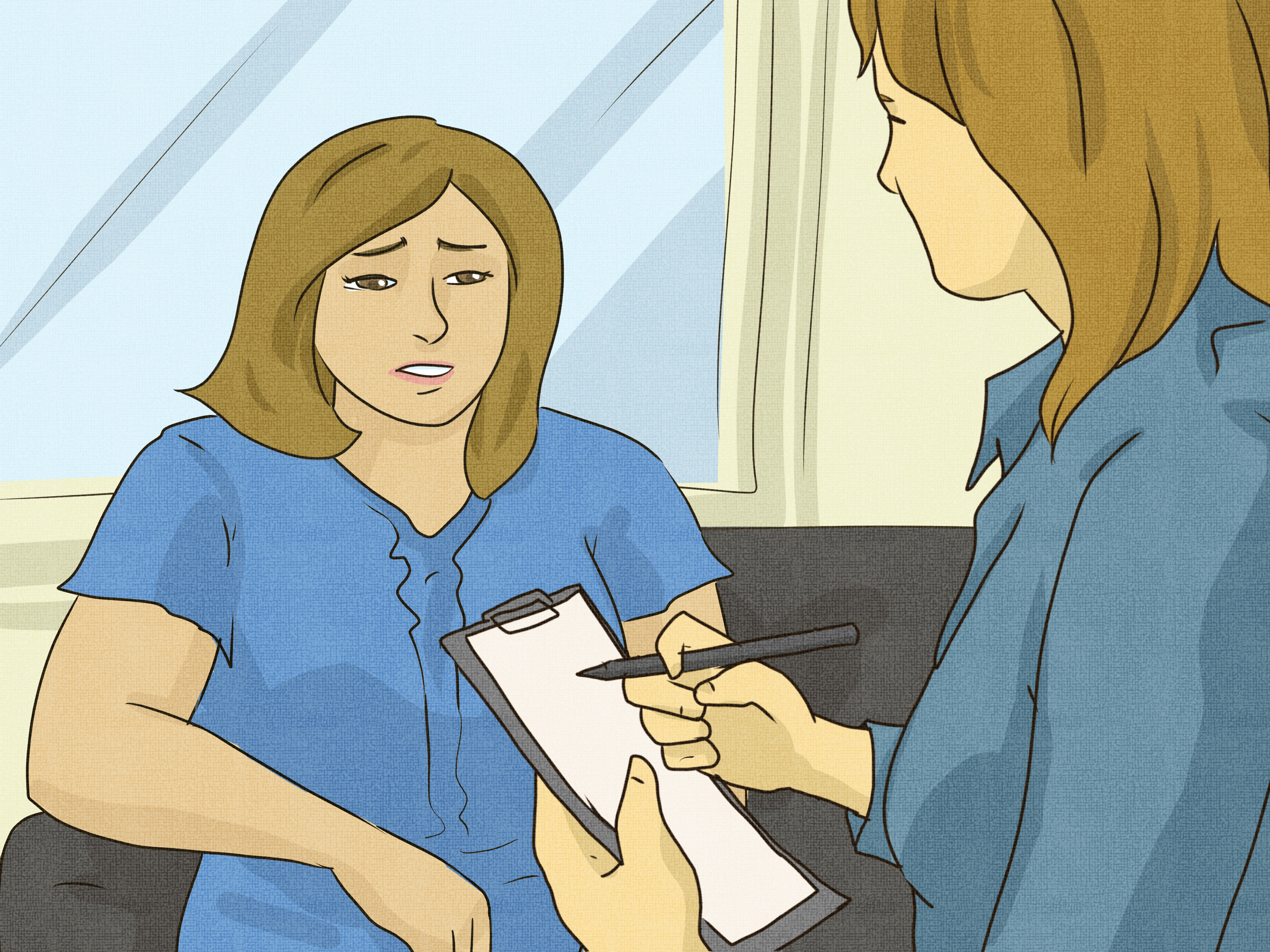
Consider talking with a licensed mental health professional if the breakup is interfering with work, school, sleep, appetite, or everyday responsibilities. Therapy can help you examine rejection sensitivity, grief, self-esteem, attachment patterns, and recurring relationship difficulties without reducing the entire story to “just get over it.”
Professional support is especially important if you feel persistently hopeless, withdraw from nearly everyone, rely on alcohol or drugs to cope, or think about harming yourself. In an immediate crisis, contact local emergency services or a crisis support service in your area.
Asking for help is not evidence that you are coping badly. It is one of the available ways to cope well.
What Not to Do After a Friend Dumps You
Avoid posting vague accusations designed for an audience of one, sharing private messages publicly, repeatedly contacting someone who has requested space, or rushing into a replacement friendship solely to prove that you are desirable.
Also be cautious about using revenge as motivation. Becoming healthier, happier, or more successful is worthwhile, but your recovery should eventually belong to younot remain a long-term performance for someone who is no longer watching.
Moving Forward After a Friendship Ends
A friendship breakup may alter how you see the past, but it does not have to shrink your future. Healing often happens quietly: you check the person’s profile less often, tell the story without shaking, enjoy an event they would once have attended, or realize an entire afternoon passed without thinking about them.
Moving forward does not require erasing the relationship. It means placing it in the correct chapter instead of allowing it to become the title of the whole book.
Some friendships are repaired. Others become meaningful memories, uncomfortable lessons, or stories you eventually tell with affection and slightly raised eyebrows. Whatever the outcome, being rejected by one person does not cancel your capacity to build supportive, reciprocal, and joyful relationships.
Experiences From the Other Side of a Friendship Breakup
The following composite experiences illustrate common friendship-breakup situations. They are not descriptions of specific individuals.
The Friend Who Disappeared Without Explaining
After six years of daily messages, weekend plans, and shared vacations, one woman noticed that her closest friend had stopped replying. First, responses took several days. Then they became one-word answers. Eventually, there was silencealthough the friend remained visibly active online.
She initially responded by checking social media constantly and rereading old conversations for hidden clues. Had she been too needy? Was there an offensive joke from 18 months ago? Had she failed some friendship examination she did not know she was taking?
Her recovery began when she sent one respectful message asking whether something had changed. No answer came. Although that silence hurt, she stopped treating uncertainty as a puzzle she was obligated to solve. She muted the account, wrote an unsent letter, and made weekly plans with two acquaintances she had neglected.
Months later, she still wished she had received an explanation, but she no longer believed she needed one to move forward. Her lesson was uncomfortable but valuable: closure can be something you practice, not merely something another person gives you.
The Friendship That Ended After an Argument
Two longtime friends ended their relationship after a disagreement about a canceled birthday trip. What began as frustration about money and scheduling quickly expanded into a historical tour of every disappointment since 2018.
One friend initially focused entirely on proving that she had been right. After cooling down, she recognized that she had dismissed the other person’s feelings and used sarcasm when direct communication would have been kinder. She sent an apology that named those behaviors without defending them.
The apology was accepted, but the friendship did not immediately resume. Both people needed distance, and one ultimately decided that the relationship had become too exhausting to continue closely.
The experience taught her that apologizing is worthwhile even when it does not restore the previous relationship. Accountability is not a vending machine in which you insert the correct words and receive a friendship. Her apology helped her become more thoughtful in future conflicts, which was meaningful even without reconciliation.
The Friend Group That Chose Sides
Another person lost not only one friend but most of a social group after a private disagreement became public. Invitations stopped arriving, shared photographs appeared online, and nobody directly explained what had been said.
His first impulse was to contact every group member and present his defense. Instead, he spoke privately with two people he trusted and asked whether they were open to hearing his perspective. One was supportive; the other preferred not to get involved.
For several months, his social calendar looked bleak. He joined a recreational sports league, accepted invitations from coworkers, and began volunteering at a local event. None of those connections instantly replaced the old group. Some conversations were awkward, and one coffee meetup felt long enough to qualify as a geological era.
Gradually, however, he formed relationships that were based on his current interests rather than his old social identity. The breakup remained painful, but it forced him to stop relying on one group for every form of companionship.
The Quiet Friendship That Simply Ran Its Course
Not every friendship ends with betrayal or a dramatic final speech. Sometimes two people slowly develop different priorities, communication habits, and values.
One pair of friends kept trying to recreate the closeness they had shared in college. Every meeting became a discussion about how rarely they met. Plans felt obligatory, conversations became cautious, and both left feeling guilty.
Eventually, they acknowledged that the friendship had changed. They did not block each other or declare emotional bankruptcy. They simply stopped demanding that the relationship remain what it had been at age 21.
This ending involved sadness, but also relief. It showed that a friendship can be genuine, important, and still have a natural conclusion. Not every ending needs a villain. Sometimes the explanation is that two lives grew in different directions.
What These Experiences Have in Common
Each person recovered differently, but the same themes appeared repeatedly: acknowledging the loss, reducing exposure to emotional triggers, seeking support, taking responsibility where appropriate, and building a life that was not organized around the former friend.
The turning point was rarely a perfect explanation or dramatic final conversation. More often, healing began with ordinary actions repeated over time: getting enough sleep, leaving the house, making one plan, resisting one social media check, or speaking to oneself with slightly more kindness than the day before.

