
Body Care
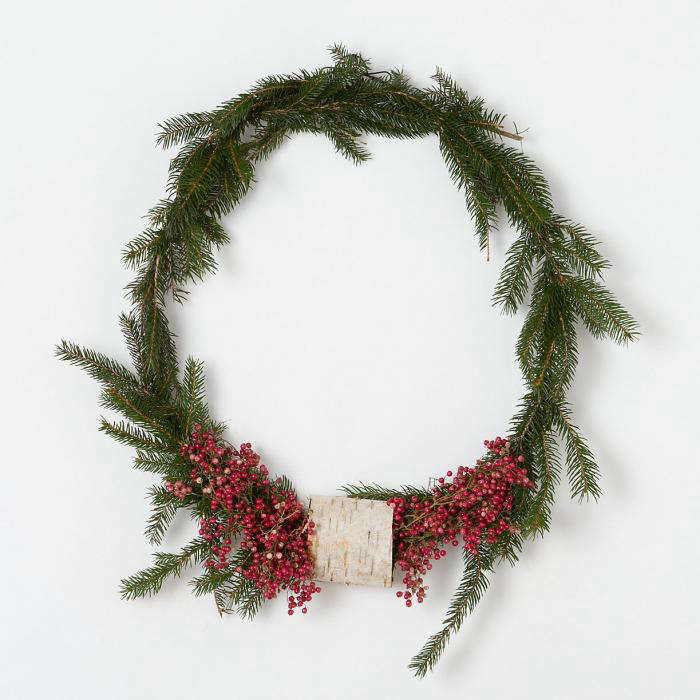
Pepperberry & Birch Wreath
Jun
Some holiday decorations whisper. A Pepperberry & Birch Wreath walks up to your front door wearing a cozy sweater, carrying a mug of cocoa, and saying, “Yes, I absolutely belong here.” It is rustic without looking unfinished, festive without turning your entryway into a glitter explosion, and natural enough to make even the most ordinary door look like it belongs on a snowy cottage postcard.
The magic comes from contrast. Pepperberries bring small bursts of red, pink, burgundy, or deep berry color, depending on the variety and finish. Birch adds pale bark, woodsy texture, and that unmistakable winter-forest feeling. Together, they create a wreath that feels both elegant and relaxed. It says “holiday home,” but not in a way that requires fourteen inflatable reindeer and a neighborly power-grid apology.
Whether you are decorating a front porch, mantel, interior wall, mirror, kitchen window, or dining room, a pepperberry and birch wreath offers a flexible seasonal look. It works for Christmas, Thanksgiving, winter weddings, cabin decor, farmhouse interiors, and year-round rustic styling if you choose a subtle color palette. This guide explains what makes the wreath special, how to style it, how to care for it, and how to make it look expensive even if your holiday budget is currently being held hostage by gift wrap.
What Is a Pepperberry & Birch Wreath?
A Pepperberry & Birch Wreath is a decorative wreath that combines berry-like pepperberry stems with birch accents, often layered over a base of grapevine, evergreen, moss, twigs, eucalyptus, pine, fir, or mixed dried botanicals. Depending on the maker, the wreath may be fresh, dried, preserved, artificial, or a blend of several materials.
The term “pepperberry” can be used in different ways in the decor world. In botanical and culinary contexts, pepperberry may refer to plants such as Schinus molle, often known as Peruvian pepper tree or California pepper tree, or Tasmannia lanceolata, the Tasmanian mountain pepper. In wreath design, however, pepperberry usually refers to decorative berry stems selected for color, texture, and seasonal character. In other words, do not assume the berries on a wreath are edible. They are there to make your door look charming, not to season a roast.
Birch brings the second half of the design story. Birch bark is prized in rustic decorating because of its pale color, papery texture, and natural markings. Even a small piece of birch bark or a few slim birch twigs can make a wreath feel wintery, handmade, and more dimensional. When paired with pepperberry clusters, birch keeps the design from becoming too sweet. The berries add cheer; the bark adds backbone.
Why Pepperberry and Birch Work So Well Together
The best wreaths are not just circles of greenery. They are little compositions. A Pepperberry & Birch Wreath succeeds because it balances three major design elements: color, texture, and mood.
Color That Feels Seasonal but Not Loud
Pepperberries offer a softer alternative to shiny plastic ornaments. Red pepperberry stems can create a classic Christmas feel, while dusty pink, burgundy, ivory, or muted berry tones feel more modern and understated. Against the light surface of birch, those berry colors stand out without shouting.
This makes the wreath especially useful for homeowners who want festive decor but do not want the house to look like Santa’s storage unit. A pepperberry and birch wreath can be warm, wintry, romantic, farmhouse, woodland, minimalist, or cottage-inspired depending on the surrounding accents.
Texture That Looks Good Up Close
From the sidewalk, the wreath reads as welcoming and seasonal. Up close, it becomes more interesting. The rounded berry clusters, rough twigs, papery birch bark, and layered greens create depth. That texture matters because a wreath is often viewed at arm’s length when guests arrive. A flat wreath says, “I came from a bargain bin.” A textured wreath says, “Someone here owns scissors, taste, and possibly a hot glue gun.”
A Natural Mood That Fits Many Homes
Birch and pepperberry feel rooted in nature, which helps the wreath blend with different home styles. On a white farmhouse door, it looks fresh and cozy. On a dark green or navy door, it looks dramatic. On a brick exterior, it softens the hard surface. Indoors, it can warm up modern spaces that might otherwise feel too polished for the holidays.
Best Places to Display a Pepperberry & Birch Wreath
The front door is the obvious spot, but it is not the only one. A Pepperberry & Birch Wreath is versatile because its materials are decorative rather than overly theme-specific.
Front Door
For a classic look, hang the wreath at eye level using a sturdy wreath hanger, wide ribbon, or an outdoor-safe hook. If the wreath is fresh or partially fresh, a covered porch is ideal because it protects the materials from harsh sun, wind, and rain. A shaded exterior door often helps fresh wreaths last longer than a warm indoor room.
Mantel
Above a fireplace, the wreath becomes a focal point. Pair it with simple garland, brass candlesticks, battery-operated taper candles, pinecones, or small ceramic houses. If the wreath is fresh, keep it away from active heat. Fireplaces are cozy for humans and aggressively rude to fresh botanicals.
Windows and Mirrors
Hanging a wreath over a mirror doubles the visual effect because the reflection adds depth. In windows, smaller wreaths look charming when hung with velvet or linen ribbon. For a set of windows, repeat the same ribbon color to make the display feel intentional rather than “I got excited and ran out of hooks.”
Dining Table Centerpiece
A wreath can also lie flat as a centerpiece. Place a hurricane vase, pillar candle, ceramic bowl, or small lantern in the center. This works especially well for Thanksgiving, Christmas dinner, or winter brunch. Use flameless candles if the wreath contains dried materials. Dried botanicals and open flames should not be close friends.
How to Style It Like a Designer
The easiest way to make a Pepperberry & Birch Wreath look polished is to repeat its colors and textures nearby. A wreath should not feel stranded on the door like it missed the decorating bus.
Use a Matching Texture Nearby
Add birch logs to a porch basket, fireplace hearth, or entryway corner. Even a small bundle of birch branches in a tall vase can echo the wreath. This repetition makes the design feel cohesive without buying every matching item in the store.
Repeat the Berry Color
If the pepperberries are red, add a red ribbon, red plaid throw, or a few berry stems in a planter. If the berries are burgundy, try deep wine-colored velvet ribbon or dark red taper candles. If they are pink, pair them with champagne ornaments, dried hydrangeas, or blush ribbon for a softer winter look.
Layer With Greenery
A wreath with pepperberry and birch pairs beautifully with evergreen garland, cedar, pine, eucalyptus, boxwood, magnolia, or olive branches. The greenery gives fullness while the birch and berries provide detail. For a front porch, flank the door with two planters filled with evergreen cuttings, birch sticks, pinecones, and berry stems. It is a simple formula that looks far more difficult than it is, which is the best kind of decorating trick.
Choose the Right Ribbon
Ribbon can change the entire personality of the wreath. Burlap gives it a farmhouse feel. Red velvet makes it classic. Black-and-white stripe feels modern. Plaid adds nostalgic cabin energy. Linen ribbon keeps things soft and natural. For a designer-style finish, let the ribbon tails hang long instead of tying a tiny bow that looks like it panicked.
Fresh, Dried, Preserved, or Faux: Which Type Should You Choose?
Not every Pepperberry & Birch Wreath is made the same way. The best choice depends on where you plan to use it and how much maintenance you are willing to tolerate.
Fresh Wreaths
Fresh wreaths offer fragrance, natural color, and that just-made look. They are excellent for covered outdoor spaces and cool entryways. The downside is lifespan. Fresh greenery and berries gradually dry out, especially indoors or near heat. If you enjoy misting plants and checking on them like tiny botanical pets, fresh can be wonderful.
Dried Wreaths
Dried wreaths are low-maintenance and often have a softer, more vintage appearance. They should be kept away from water, humidity, and direct sunlight. They can last a long time if handled gently, but they may shed if bumped, dropped, or attacked by an enthusiastic front-door gust.
Preserved Wreaths
Preserved botanicals are treated to maintain color and flexibility longer than fully dried materials. They are a great choice for indoor decor, especially if you want a natural look without daily care. They still need protection from moisture and strong sunlight.
Faux Wreaths
Artificial wreaths are practical, reusable, and ideal for busy households. A high-quality faux pepperberry and birch wreath can look convincing from a normal viewing distance, especially when mixed with real ribbon, pinecones, or a few natural accents. The secret is fluffing and shaping it before hanging. A faux wreath straight from storage often looks as if it has just lost an argument with a cardboard box.
Care Tips to Keep It Beautiful
Care depends on the materials, but a few rules apply to most wreaths. Avoid direct sunlight when possible. Keep fresh wreaths away from heating vents, fireplaces, and hot indoor rooms. Lightly mist fresh greenery and pepperberry stems according to the maker’s instructions. Do not mist dried or preserved wreaths unless the label specifically says it is safe.
For outdoor use, choose a covered location. Rain can damage dried materials, bleach colors, or loosen glued accents. Wind can also pull at delicate stems. If your porch is exposed, consider using a faux or weather-resistant wreath instead of a fragile handmade one.
At the end of the season, remove dust gently with a soft cloth, hair dryer on a cool low setting, or a soft brush. Store the wreath in a rigid wreath box or roomy container so it does not flatten. Avoid crushing berry stems, bending birch bark, or stacking heavy decorations on top. Future you will appreciate this. Future you is already dealing with tangled lights.
DIY Pepperberry & Birch Wreath Ideas
If you want to make your own wreath, start with a grapevine base. It already has a rustic shape, holds floral wire well, and looks good even when some of the base shows through. Add evergreen sprigs or faux greenery in one direction around the form. Then tuck in birch bark pieces, small birch twigs, pinecones, and pepperberry stems.
For a traditional round wreath, distribute the berries evenly around the circle. For a more modern look, concentrate the berries and birch on one side, leaving part of the grapevine visible. This asymmetrical style feels fresh and handmade without looking chaotic.
Use floral wire for heavier materials and hot glue for small accents. If the wreath will hang outdoors, wire is more reliable than glue. Finish with ribbon, bells, dried orange slices, eucalyptus, magnolia leaves, or tiny LED fairy lights. Keep the add-ons restrained. The goal is “woodland holiday,” not “craft store avalanche.”
Buying Tips: What to Look For
When shopping for a Pepperberry & Birch Wreath, pay attention to size, depth, materials, and placement recommendations. A 16-inch wreath works well for interior doors, cabinets, windows, and small apartments. A 20- to 24-inch wreath usually fits a standard front door. Larger wreaths make a bold statement on barn doors, fireplaces, gates, or wide porches.
Check whether the wreath is approved for outdoor use, covered outdoor use, or indoor use only. Many natural wreaths can handle a protected porch but not heavy rain. Also check depth. A thick wreath may look luxurious, but it can get squished between a front door and storm door.
Look for good spacing. Berries should appear secure, not dangling sadly like they are considering retirement. Birch pieces should be integrated into the design rather than randomly glued on top. If the wreath includes fresh greenery, it should look full and lively, not brittle before it even arrives.
Experience Section: Living With a Pepperberry & Birch Wreath
The first thing people usually notice about a Pepperberry & Birch Wreath is that it feels warmer than a standard evergreen wreath. It has personality. A plain green wreath can be beautiful, but add pepperberries and birch and suddenly the whole thing has a story. It looks like it came from a walk through the woods, a small-town holiday market, or the home of someone who knows how to fold napkins into swans but is polite enough not to mention it.
In practical use, the wreath is surprisingly easy to style. On a front door, it needs very little help. A simple ribbon is enough. If the door is dark, the birch brightens it. If the door is light, the berries provide contrast. On a mantel, the wreath works best when paired with simple pieces: candles, pinecones, small brass objects, or greenery. Too many decorations around it can compete with the natural texture. The wreath already has berries, bark, branches, and movement. It does not need to be surrounded by a full committee of ornaments.
One useful lesson is to choose the display spot before buying. A fresh wreath looks wonderful outdoors in cool weather, but indoors it can dry faster than expected. A dried wreath is better for a hallway, bedroom, or interior wall. A faux wreath is the champion of homes with pets, kids, strong sunlight, unpredictable weather, or people who forget to mist things. There is no shame in faux. The best holiday decoration is the one that survives the holiday.
Another experience-based tip is to check the wreath from a distance after hanging it. What looks balanced on a table may look lopsided on a door. Step back to the sidewalk or across the room. Adjust the ribbon, rotate the wreath slightly, and fluff the greenery. Small changes can make a big difference. A wreath should look relaxed, but not as if it slid into place after a dramatic fall.
Storage is where many beautiful wreaths meet their villain origin story. Do not toss a pepperberry and birch wreath into a plastic bag and hope for the best. Berry stems can snap, birch bark can curl, and dried pieces can crumble. A proper wreath box, clear storage tote, or roomy container helps preserve the shape. Label it clearly so next year you are not opening six boxes labeled “XMAS???” while questioning your past choices.
The biggest pleasure of this wreath style is its flexibility. It can feel festive in December, cozy in January, and rustic in late fall. Remove a bright red bow and replace it with linen ribbon, and it becomes winter decor rather than strictly Christmas decor. Add velvet and bells, and it becomes holiday-ready again. That adaptability makes the Pepperberry & Birch Wreath more than a seasonal impulse buy. It becomes one of those pieces you reach for again because it makes the house feel instantly cared for.
Conclusion
A Pepperberry & Birch Wreath is a small decoration with big atmosphere. It blends color, texture, and natural charm in a way that feels festive but not forced. Pepperberries bring cheerful movement and seasonal color. Birch adds rustic elegance and winter character. Together, they create a wreath that works on doors, mantels, mirrors, windows, and tables.
The best version for you depends on your space. Choose fresh for fragrance and natural beauty, dried for a soft handmade look, preserved for longer-lasting botanical style, or faux for durability and easy storage. Keep it away from harsh sun and heat, protect it from rough weather, and store it carefully when the season ends.
Most importantly, let the wreath set the mood instead of overwhelming the room. A few repeated textures, a thoughtful ribbon, and a simple surrounding color palette are enough. Holiday decorating does not need to be complicated to feel special. Sometimes all it takes is a circle of berries, birch, and greenery to make the whole home feel warmer.

