
Skincare
Can You Use Tallow for Eczema Creams or Balms?
Jun
Note: This article is for general educational purposes and should not replace advice from a dermatologist or healthcare professional, especially for children, severe eczema, infected skin, or recurring flare-ups.
If you spend more than eight minutes on skincare TikTok, you may come away believing beef tallow can fix dry skin, eczema, acne, wrinkles, taxes, and possibly your Wi-Fi. The internet has fallen hard for this old-fashioned ingredient, and eczema sufferers are understandably curious. When your skin feels like it has been personally offended by the atmosphere, a thick balm that promises comfort sounds pretty tempting.
So, can you use tallow for eczema creams or balms? The honest answer is: maybe, but carefully. Tallow can work as a rich, occlusive moisturizer for some people because it helps seal moisture into the skin. However, it is not an eczema treatment, it is not a proven cure, and it is not automatically safer just because it is “natural.” For eczema-prone skin, the details matter: purity, fragrance, added oils, skin type, flare severity, and whether your skin is cracked, weeping, infected, or angry enough to file a complaint.
This guide breaks down what tallow is, why people use it in eczema balms, what dermatology-based skincare principles say, who should avoid it, and how to test it without turning your skin barrier into a science fair volcano.
What Is Tallow?
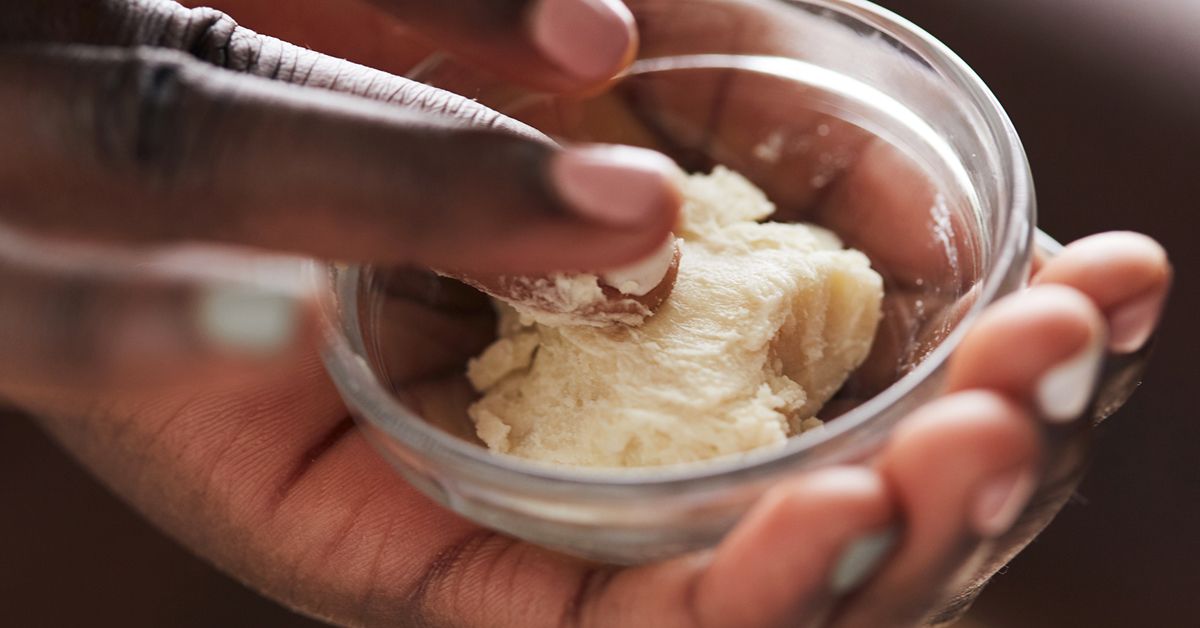
Tallow is rendered animal fat, most commonly from beef. “Rendered” simply means the fat has been heated and clarified to remove water, protein bits, and impurities. When cooled, it becomes a thick, creamy-to-waxy fat that has historically been used in soap, candles, cooking, and traditional skin balms.
In skincare, beef tallow is usually marketed as a deeply moisturizing balm ingredient. Many tallow eczema creams or balms combine it with beeswax, olive oil, jojoba oil, coconut oil, calendula, honey, essential oils, or herbal extracts. That ingredient list can sound cozy and cottage-core, like your moisturizer just came from a tiny farmhouse with excellent lighting. But eczema skin is picky. A short ingredient list can be great, but only if the ingredients are actually friendly to sensitive skin.
Why People Use Tallow for Eczema-Prone Skin
Eczema, especially atopic dermatitis, involves a weakened skin barrier. When the barrier is not functioning well, moisture escapes more easily and irritants sneak in like uninvited guests. This can lead to dryness, itching, redness, scaling, cracking, and flare-ups.
Moisturizers are a major part of eczema care because they help reduce water loss and support the skin barrier. Dermatology guidance typically favors thick, fragrance-free creams and ointments over lightweight lotions because heavier products are better at sealing in hydration. This is where tallow gets attention: it is thick, fatty, and occlusive, meaning it can form a protective layer on the skin.
Potential Benefits of Tallow in Eczema Balms
Tallow contains fatty acids such as oleic acid, palmitic acid, stearic acid, and smaller amounts of linoleic acid. These fats can help soften skin and reduce the feeling of dryness. A tallow balm may also create a barrier that slows moisture loss, especially when applied after bathing while the skin is still slightly damp.
Some people like tallow because it feels richer than many lotions. Others prefer it because it can be made with very few ingredients. For people whose eczema is triggered by long ingredient lists, dyes, perfumes, or preservatives, a simple balm may feel appealing.
But here is the moisturizer plot twist: “simple” does not always mean “safe,” and “natural” does not always mean “non-irritating.” Poison ivy is natural too, and nobody is inviting it into their skincare routine.
Is Tallow Proven to Treat Eczema?
At this time, there is not strong clinical evidence showing that beef tallow itself treats eczema or reduces eczema inflammation better than established moisturizers. Most claims about tallow for eczema are based on personal experience, traditional use, and indirect reasoning about its fatty acid content.
That does not mean every tallow balm is useless. It means the evidence is limited. Tallow may help some people feel less dry because it acts as an emollient and occlusive. However, eczema is more than dry skin. It is an inflammatory skin condition with immune, genetic, environmental, and barrier-related factors. A balm may support comfort, but it cannot replace prescribed topical medications, infection care, trigger management, or a dermatologist’s treatment plan when eczema is moderate to severe.
Tallow vs. Dermatologist-Recommended Eczema Moisturizers
Dermatologists often recommend fragrance-free creams or ointments containing ingredients such as petrolatum, ceramides, glycerin, dimethicone, colloidal oatmeal, hyaluronic acid, or shea butter. These ingredients are common in eczema-friendly products because they are designed to hydrate, protect, soothe, or reinforce the skin barrier.
Petrolatum, for example, is one of the most reliable occlusive ingredients for reducing water loss from the skin. Ceramides help replace lipids that eczema-prone skin may lack. Colloidal oatmeal is recognized as a skin protectant ingredient and is widely used in products for itching and irritation. Glycerin is a humectant, meaning it attracts water to the skin. These ingredients may not sound as rustic as “grass-fed whipped tallow balm,” but your skin barrier is not judging ingredients by their Instagram aesthetic.
Tallow may fit into the “heavy moisturizer” category, but it does not have the same level of eczema-specific research behind it as many conventional barrier-repair creams. If someone wants a highly evidence-based first choice, a fragrance-free ointment or cream with petrolatum, ceramides, colloidal oatmeal, or glycerin is usually a safer starting point.
When Tallow Might Be Helpful
Tallow may be worth considering as a supportive moisturizer if your eczema is mild, dry, and not actively infected. It may work best on rough areas such as elbows, knees, hands, ankles, or dry patches on the body. It is usually better as a sealant step rather than a stand-alone miracle.
For example, after a lukewarm shower, you might gently pat the skin so it remains slightly damp, apply a plain fragrance-free moisturizer, and then use a very thin layer of tallow balm over extra-dry areas. This “seal the deal” approach may help trap moisture. Think of it as putting a lid on leftovers, except the leftovers are hydration and the fridge is your skin.
Some people also use tallow balms on hands that get dry from frequent washing. In that case, a small amount at night under cotton gloves may feel soothing. However, if your hands are cracked, bleeding, swollen, or showing signs of infection, skip the experiment and ask a healthcare professional for guidance.
When You Should Avoid Tallow for Eczema
Tallow is not a great choice for everyone. Avoid using tallow on eczema that is oozing, crusted, very painful, hot to the touch, or possibly infected. Do not apply it to deep cracks or open wounds unless a healthcare professional says it is appropriate. Heavy occlusive products can sometimes trap heat, sweat, bacteria, or irritants against the skin.
You may also want to avoid tallow on the face if you are acne-prone. Beef tallow is rich and heavy, and some people find it clogs pores or triggers breakouts. This can be especially frustrating if you are trying to calm eczema around the cheeks or jawline and end up with acne crashing the party.
People with known allergies or sensitivities to animal-derived products should avoid tallow. Vegans and people who avoid animal ingredients for ethical, religious, or personal reasons will also prefer plant-based or petroleum-based alternatives.
Watch Out for Added Ingredients
The biggest problem with many tallow balms is not always the tallow itself. It is the extras. Essential oils, fragrance oils, citrus oils, tea tree oil, peppermint, cinnamon, lavender, and botanical extracts can irritate eczema-prone skin. Even when they smell delightful, they can act like tiny scented troublemakers.
For eczema, “fragrance-free” is usually better than “unscented.” Unscented products may still contain masking fragrances. If you choose a tallow balm, look for one that is truly fragrance-free and has as few ingredients as possible.
Be cautious with homemade tallow products too. A kitchen-made balm can be lovely, but skincare requires cleanliness, stability, and proper storage. Poorly rendered or poorly stored tallow may spoil, smell rancid, or become contaminated. If a balm smells off, changes texture, grows anything mysterious, or makes you say, “Is it supposed to do that?” the answer is no. Throw it away.
How to Choose a Tallow Balm for Eczema-Prone Skin
If you decide to try tallow, choose a product made for sensitive skin rather than a random jar from the internet promising to “detox your pores” and “balance your aura.” Look for a short ingredient list, no fragrance, no essential oils, no harsh preservatives, no exfoliating acids, and no strong herbal actives.
A Better Tallow Balm Checklist
- Fragrance-free, not merely unscented
- No essential oils or perfume blends
- Made by a transparent company with clear ingredient labeling
- Packaged in a clean, stable container
- Designed for sensitive or eczema-prone skin
- No claims that it “cures” eczema
- Patch-test friendly and easy to stop using
If a brand says its tallow balm replaces all eczema medication, run away. Maybe do not sprint, because sweat can trigger eczema, but emotionally? Sprint.
How to Patch Test Tallow Safely
Patch testing is the skincare equivalent of reading the first page before committing to a 700-page fantasy novel. It helps you see whether your skin is likely to tolerate a product before you apply it everywhere.
Apply a small amount of the tallow balm to a limited area, such as the inner forearm or a small patch near the eczema-prone area but not directly on broken skin. Use it once daily for several days. Watch for itching, burning, redness, bumps, rash, swelling, or worsening dryness. If irritation appears, stop using it.
If your skin tolerates the patch test, try it on a small eczema-prone area. Use a thin layer. More balm does not mean more healing. It usually just means more grease on your sleeves.
Best Way to Use Tallow in an Eczema Routine
The best eczema routine is usually boring, consistent, and gentle. Boring skincare does not trend well, but it often works better than a 12-step routine with three serums, a snail product, and emotional support toner.
Simple Routine Example
Start with a short, lukewarm shower or bath. Avoid hot water, harsh soap, scrubbing, and long shower concerts. Pat the skin dry gently, leaving it slightly damp. Apply a fragrance-free eczema cream or ointment within a few minutes. If you are using tallow, apply a thin layer over the driest patches as the final step. During a flare, use prescribed medication exactly as directed by your healthcare provider, then moisturize according to their instructions.
For daytime, you may prefer a less greasy cream. For nighttime, tallow may be easier to tolerate because you are not trying to touch your phone, keyboard, steering wheel, backpack, or every door handle in existence.
Tallow Cream vs. Tallow Balm: What Is Better?
A tallow balm is usually an anhydrous product, meaning it contains little or no water. It tends to be thick, greasy, and highly occlusive. A tallow cream usually contains water plus emulsifiers, preservatives, and other moisturizing ingredients. Creams may feel lighter and spread more easily, but they also have more formulation complexity.
For eczema-prone skin, neither format is automatically better. A balm may be useful for sealing moisture over dry patches. A cream may be more comfortable for larger areas. The safest choice depends on the full ingredient list, not just whether the label says “tallow.”
Can Tallow Replace Steroid Creams or Prescription Eczema Treatments?
No. Tallow should not replace prescription eczema treatments. Topical corticosteroids, calcineurin inhibitors, PDE-4 inhibitors, JAK inhibitors, biologics, antibiotics, and other therapies are used for specific reasons. They target inflammation, immune activity, itching, infection, or severe disease in ways a moisturizer cannot.
A tallow balm may help with dryness, but it does not control the underlying inflammatory cycle of eczema. If your eczema keeps flaring, wakes you at night, spreads, bleeds, forms crusts, or affects your daily life, you need medical guidance, not a bigger jar of balm.
Safer Alternatives to Tallow for Eczema
If tallow feels too risky or too greasy, there are many eczema-friendly alternatives. Fragrance-free petrolatum ointment is a classic option for sealing moisture. Ceramide creams can help support the skin barrier. Colloidal oatmeal creams may help calm itching and irritation. Dimethicone-based products can protect the skin while feeling smoother than heavy ointments. Shea butter can be helpful for some people, as long as the formula is fragrance-free and well tolerated.
For babies, children, or people with severe eczema, it is best to use products recommended by a pediatrician, dermatologist, or trusted eczema organization. Young skin can be extra reactive, and “natural” balms are not automatically gentle enough.
Real-Life Experiences: What People Often Notice When Trying Tallow for Eczema
Many people who try tallow for eczema describe the same first impression: it feels rich. Not “lightweight gel moisturizer” rich. More like “this could survive winter in a cabin” rich. For dry patches, that heaviness can feel comforting, especially at night. Someone with rough knuckles or flaky elbows may notice that tallow softens the area and reduces that tight, papery feeling by morning.
A common positive experience is better moisture retention. For example, a person with mild eczema on the hands may apply a fragrance-free cream after washing, then add a small amount of tallow balm before bed. By morning, the skin may feel less rough because the balm helped slow water loss overnight. This does not mean the eczema is cured. It means the skin was better protected from drying out.
Another experience people report is that tallow can sting less than some lotions. Lightweight lotions often contain more water, preservatives, or additives that may burn on irritated skin. A plain balm may feel calmer simply because it has fewer ingredients. However, this depends completely on the formula. A tallow balm loaded with essential oils can sting, itch, or trigger a flare faster than you can say, “But the label said lavender was soothing.”
There are also less glamorous experiences. Some people find tallow too greasy for daytime use. It can transfer to clothing, pillowcases, phones, notebooks, and anything else your skin touches. If you apply too much, you may feel like a glazed dinner roll. This is why a pea-sized amount is often enough for a small patch.
Facial use is especially mixed. Someone with dry, non-acne-prone skin may enjoy using a tiny amount on cheeks during cold weather. Someone with oily or acne-prone skin may develop clogged pores, bumps, or breakouts. Eczema around the eyes or mouth is also tricky because the skin is thin and reactive. For facial eczema, it is smarter to ask a dermatologist before experimenting with heavy balms.
People also notice scent differences. Even well-rendered tallow may have a mild animal-fat smell. Some brands cover this with essential oils, but fragrance can be a major eczema trigger. The better eczema-friendly choice is usually unscented and fragrance-free, even if that means the product smells faintly like a very clean kitchen. Glamorous? Not exactly. Practical? Often.
Storage matters too. Users of homemade or small-batch tallow sometimes notice graininess, separation, or rancid odor over time. This can happen if the product is not processed, stored, or preserved properly. A spoiled balm should never go on eczema-prone skin. Your skin barrier already has enough drama.
The most realistic experience is this: tallow may be a helpful comfort product for some people with dry, mild eczema, but it is rarely the whole solution. The people who do best usually keep the rest of their routine simple: gentle cleanser, lukewarm bathing, fragrance-free moisturizer, trigger avoidance, and medication when needed. Tallow is just one possible tool, not the entire toolbox.
Final Verdict: Can You Use Tallow for Eczema Creams or Balms?
Yes, you can use tallow for eczema creams or balms if your skin tolerates it, but it should be approached as a moisturizing support product, not a medical treatment. It may help seal in moisture and soften dry patches, especially when used sparingly over damp skin or over a fragrance-free moisturizer.
The safest tallow product for eczema-prone skin is plain, fragrance-free, cleanly made, and free of essential oils or irritating botanicals. Patch test first, avoid broken or infected skin, and stop using it if symptoms worsen. If your eczema is moderate, severe, infected, painful, spreading, or interfering with sleep, see a healthcare professional. Your skin deserves more than internet guesswork in a cute jar.
Tallow may have a place in some eczema routines, but the gold standard is still gentle, boring, barrier-focused skincare. In the battle between trendy and tolerated, tolerated wins every time.

