
Beauty Unlocked
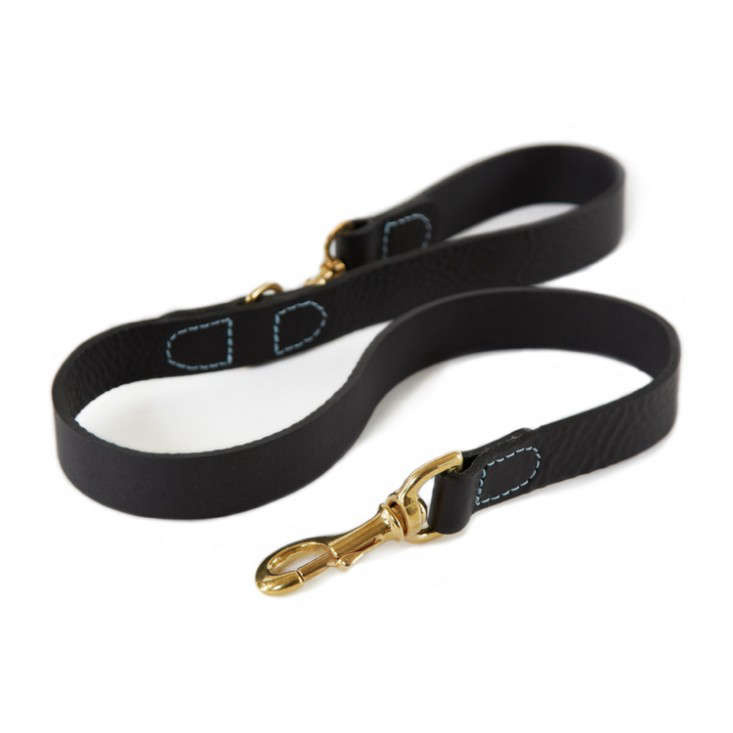
Leather Lead with Teal Stitching
Jun
A leather lead with teal stitching is the kind of pet accessory that quietly walks into the room and says, “Yes, my dog has better taste than some adults.” It is practical, classic, durable, and stylish without trying too hard. Whether you call it a leather lead, a leather dog leash, or “the thing that keeps your enthusiastic Labrador from greeting every squirrel personally,” this accessory has earned its place among premium dog walking gear.
At first glance, the charm is visual: rich leather, clean edges, strong hardware, and a bright line of teal stitching that adds personality without turning the leash into a parade float. But a good leather lead is not just about looks. It should feel comfortable in the hand, offer dependable control, age beautifully, and survive daily walks, weekend trips, muddy paws, coffee runs, and the occasional dramatic sidewalk sniffing session.
This guide explores what makes a leather lead with teal stitching worth considering, how to choose one, how to care for it, and why this small detail can turn an everyday dog leash into a long-lasting piece of functional style.
What Is a Leather Lead with Teal Stitching?
A leather lead with teal stitching is a dog leash made primarily from leather and finished with decorative or reinforced teal-colored thread. In the United States, most shoppers search for “leather dog leash,” while “lead” is more commonly used in the United Kingdom and by some premium pet brands. Either way, the meaning is simple: it is a strap designed to connect your dog’s collar or harness to your hand, giving you control, safety, and communication during walks.
The teal stitching is more than a splash of color. In a well-made lead, stitching helps reinforce stress points such as the handle loop, trigger clip area, and any adjustment rings. When done properly, the stitching supports the structure of the leash while adding a visual accent. Teal is especially popular because it works beautifully against brown, tan, black, chestnut, or navy leather. It feels modern, fresh, and slightly coastal, like your dog might own a beach house even if you definitely do not.
Why Leather Still Matters in Dog Leashes
Leather has remained popular for dog leashes because it combines strength, flexibility, and comfort. Unlike some synthetic materials that can feel sharp, slippery, or stiff, quality leather softens over time. With repeated use, it molds naturally to your grip, creating that broken-in feel many dog owners love.
A leather dog lead also offers excellent handling. When a dog pulls suddenly, a well-conditioned leather leash is easier to grip than thin nylon webbing, which can burn the hand if it slides quickly. This matters for strong dogs, excitable puppies, reactive walkers, and humans who were not expecting a squirrel to launch a full neighborhood emergency.
Full-Grain Leather vs. Genuine Leather
Not all leather is equal. Full-grain leather is often considered the highest-quality option because it uses the strongest outer layer of the hide and keeps the natural grain intact. It tends to develop a patina over time, meaning the surface becomes richer and more character-filled with use. Top-grain leather is also durable but may be sanded or corrected for a smoother finish.
“Genuine leather” can sound impressive, but it is a broad term. It may refer to lower-grade leather that has been processed or bonded. For a dog lead that needs to handle daily tension, outdoor exposure, and real-world wear, buyers should look for clear product details such as full-grain, top-grain, bridle leather, latigo leather, or vegetable-tanned leather.
Vegetable-Tanned Leather
Vegetable-tanned leather is processed using tannins from plant-based materials. It is valued for its natural appearance, firm structure, and ability to age beautifully. Many premium leather goods makers prefer vegetable-tanned leather because it develops a unique finish with time. For dog leads, it can be an excellent choice when properly conditioned and protected from excessive moisture.
The Role of Teal Stitching: Style Meets Structure
Teal stitching gives a leather lead instant personality. It creates contrast without looking loud, making it a smart choice for dog owners who want something distinctive but still polished. Brown leather with teal stitching feels warm and artisanal. Black leather with teal stitching looks sleek and modern. Natural tan leather with teal thread has a relaxed, handmade charm.
From a design perspective, stitching also draws attention to craftsmanship. Clean, even stitches signal care and precision. Messy, loose, or uneven stitches can suggest weak construction. When shopping, look closely at the handle, the clip attachment, and any riveted or sewn areas. A beautiful thread color is nice; secure stitching is non-negotiable.
Best Features to Look For
1. Comfortable Handle
The handle should feel smooth, secure, and easy to hold. Rolled edges, burnished edges, or padded handle sections can improve comfort. If you walk a dog that pulls, avoid narrow, sharp-edged leather strips that dig into your palm. Your leash should not feel like a medieval handshake.
2. Strong Hardware
Hardware is one of the most important parts of any dog lead. Look for solid brass, stainless steel, or high-quality coated metal clips. The clip should open and close smoothly, rotate without sticking, and feel substantial. Lightweight hardware may be fine for small dogs, but medium and large dogs need stronger components.
3. Proper Length
For everyday walking, a four-foot to six-foot leather dog leash is usually the most practical choice. A shorter lead offers more control in busy areas, while a six-foot leash gives a dog more room to explore while still keeping the handler in charge. Long training lines are useful for recall practice, but they are not ideal for crowded sidewalks, outdoor cafés, or any situation where your dog may accidentally become a furry tripwire.
4. Correct Width
Leash width should match your dog’s size and strength. A narrow leather lead may be comfortable for toy breeds and small dogs. Larger dogs typically need wider leather for strength and control. However, wider is not always better. A very thick leash can feel heavy and awkward, especially for smaller handlers or long walks.
5. Reinforced Stress Points
The strongest leather lead designs reinforce the handle and clip areas with stitching, rivets, or both. These are the points that take the most pressure when a dog lunges, pulls, or changes direction. Teal stitching in these areas can be both decorative and functional when the thread is durable and properly sewn.
Leather Lead vs. Nylon, Rope, and Biothane
Every leash material has advantages. Nylon is affordable, lightweight, and available in countless colors. Rope leashes can be strong and flexible, especially for active dogs. Biothane is waterproof, easy to clean, and popular among outdoor trainers. Leather, however, has a special balance of durability, grip, and style.
A leather lead with teal stitching is especially appealing for owners who want a leash that looks refined enough for city walks but strong enough for daily use. It is less sporty than rope, more classic than nylon, and warmer in appearance than waterproof-coated materials. The trade-off is care: leather needs occasional cleaning and conditioning, while nylon and Biothane can usually be wiped or rinsed more casually.
Who Should Use a Leather Lead with Teal Stitching?
This type of leash works well for many dog owners, especially those who value both function and aesthetics. It is a strong choice for daily walkers, style-conscious pet parents, owners of medium to large dogs, and anyone who wants a leash that ages instead of simply wearing out.
It can also be a beautiful gift for a new dog owner. Unlike novelty pet items that end up in a drawer next to squeaky toys with mysterious missing parts, a premium leather lead is useful every day. Add teal stitching, and it becomes memorable without being silly.
However, it may not be the best choice for every situation. If your dog swims daily, rolls in mud as a lifestyle choice, or regularly chews through gear, a waterproof or chew-resistant leash may be more practical. Leather is strong, but it is not magic. No leash material can fully outsmart a determined puppy with tiny shark teeth.
Safety Considerations Before Buying
A leash is safety equipment first and a fashion accessory second. Before buying a leather lead with teal stitching, consider your dog’s size, behavior, training level, and walking environment.
Match the Lead to the Dog
A small dog does not need heavy hardware that swings like gym equipment. A large, powerful dog should not be clipped to a thin decorative lead meant for gentle strolls. Always choose a leash rated for your dog’s weight and strength, not just one that matches the collar beautifully.
Use the Right Collar or Harness
A leather lead can attach to a flat collar, martingale collar, or harness, depending on your dog’s needs. Dogs that pull heavily may benefit from a well-fitted front-clip harness. Dogs with delicate necks, breathing concerns, or trachea sensitivity should not be walked in a way that places constant pressure on the throat.
Avoid Retractable-Leash Habits
Many trainers prefer fixed-length leashes for control and communication. A leather lead naturally encourages better leash manners because the distance between dog and handler remains consistent. This makes it easier to reward loose-leash walking, redirect attention, and prevent sudden darting into traffic, crowds, or someone else’s picnic.
How to Style a Leather Lead with Teal Stitching
Yes, dogs care mostly about smells, snacks, and whether the couch is available. But humans enjoy a good-looking walking set, and there is nothing wrong with that. A leather lead with teal stitching pairs well with matching or complementary collars, neutral harnesses, brass ID tags, and simple waste bag holders.
For a classic look, pair brown leather and teal stitching with brass hardware. For a modern look, choose black leather with teal thread and silver-toned hardware. For a playful but tasteful setup, add a teal collar, bandana, or tag. The goal is coordinated, not “my dog has joined a marching band.”
How to Care for a Leather Dog Lead
Leather lasts longer when it is treated kindly. The good news is that caring for a leather lead is simple. The bad news is that ignoring it completely can lead to dryness, cracking, stiffness, and sadness. Mostly yours.
Clean Gently
After muddy or dusty walks, wipe the leash with a soft, dry cloth. For light dirt, use a slightly damp cloth and mild leather-safe cleaner if needed. Avoid soaking the leather. Water can weaken fibers, cause stiffness, or leave stains, especially on vegetable-tanned leather.
Dry Naturally
If the lead gets wet, let it air dry at room temperature. Do not place it near a heater, fireplace, hair dryer, or direct hot sun. Heat can dry out leather and cause cracking. Your leash wants a spa day, not a desert survival challenge.
Condition Occasionally
Use a small amount of leather conditioner when the leash starts to feel dry. Apply sparingly with a soft cloth, let it absorb, and wipe away excess. Too much conditioner can make leather greasy or weaken the structure. Less is usually more.
Inspect Before Walks
Check stitching, rivets, clips, and leather surfaces regularly. If the teal stitching is fraying, the clip is sticking, or the leather is cracking near a stress point, repair or replace the lead before using it. A leash failure during a walk is not the kind of surprise anyone needs.
Common Mistakes to Avoid
The first mistake is buying purely for appearance. A leather lead with teal stitching should be attractive, but it must also be strong and comfortable. Pretty stitching cannot compensate for weak hardware or poor leather quality.
The second mistake is choosing the wrong length. A very short leash may frustrate dogs that need some sniffing freedom, while a very long leash can reduce control in busy places. For most everyday walks, a fixed four-foot to six-foot lead is the sweet spot.
The third mistake is neglecting care. Leather is durable, but it is a natural material. Without cleaning and conditioning, it can become dry and brittle. Treat it well, and it can become one of those items that looks better after years of use.
Is a Leather Lead with Teal Stitching Worth It?
For many dog owners, yes. A well-made leather lead offers comfort, control, style, and longevity. The teal stitching adds character while highlighting craftsmanship. It is practical enough for daily walks and polished enough for dog-friendly patios, weekend outings, and family photos where your dog somehow looks more composed than everyone else.
The best version is not necessarily the most expensive one. Look for quality leather, strong hardware, neat stitching, secure construction, and a length that matches your walking routine. If those boxes are checked, the teal stitching becomes the delightful bonus: a small detail that makes the lead feel special.
Real-Life Experience: Walking with a Leather Lead with Teal Stitching
Using a leather lead with teal stitching feels different from grabbing a basic nylon leash off the hook. The first thing you notice is the hand feel. Leather has weight, but not the annoying kind. It feels grounded and secure, like it was made for actual walks rather than emergency use from the bottom of a pet-store bin. The teal stitching catches the eye just enough to make the leash feel personal. It says, “Yes, this dog has a schedule, a personality, and possibly a better wardrobe than the owner.”
On everyday neighborhood walks, the biggest advantage is grip. When a dog spots another dog, a delivery truck, or a suspicious leaf moving with criminal intent, the leash does not slide through the hand as quickly as thin synthetic webbing. The leather gives the handler a better sense of connection. Small changes in tension are easier to feel, which helps with training. You can tell when the dog is about to pull, when they are slowing to sniff, or when their brain has briefly left the building because a squirrel appeared.
Another pleasant surprise is how well leather settles into a routine. At first, a new leather lead may feel a little firm. After several walks, it begins to soften. The handle becomes more comfortable, the leather relaxes, and the leash starts to feel like a familiar tool rather than a new accessory. That break-in period is part of the charm. A good leather lead does not stay frozen in showroom condition; it develops character.
The teal stitching also proves more useful than expected. In a pile of dog gear near the door, it makes the leash easy to identify. If you have multiple dogs, multiple leashes, or a household where everyone says “Where’s the leash?” while standing directly beside it, colored stitching helps. Teal is bright enough to stand out but not so bright that it clashes with everything.
During city walks, the lead looks polished. It pairs nicely with a leather collar, a neutral harness, or even a simple flat collar. In parks, it feels sturdy and controlled. For café stops, it has a refined look that does not scream “muddy hiking gear,” even if your dog is currently trying to lick foam from a dropped latte lid. The balance between elegance and utility is exactly why leather remains popular.
The care routine becomes part of ownership. After rainy walks, wiping the lead dry takes less than a minute. Conditioning it occasionally keeps it supple and prevents cracking. This small maintenance habit makes the leash feel more like a long-term investment than a disposable accessory. It is the opposite of buying a cheap leash every year because the old one frayed, faded, or mysteriously became “the backup leash.”
Of course, leather is not perfect for every dog. If your puppy is still in the chewing phase, supervision is essential. If your dog swims daily, a waterproof leash may be easier. But for regular walks, training sessions, errands, and stylish everyday use, a leather lead with teal stitching delivers a satisfying mix of beauty, strength, and comfort. It is not just a leash. It is the quiet luxury version of “Come on, buddy, please stop sniffing that mailbox.”
Conclusion
A leather lead with teal stitching is a smart choice for dog owners who want durability, comfort, and style in one everyday accessory. The leather provides a strong, comfortable grip, while the teal stitching adds personality and craftsmanship. When chosen carefully and cared for properly, this type of dog leash can become more attractive with age, developing a rich character that synthetic options rarely match.
The key is to focus on quality. Choose strong leather, reliable hardware, secure stitching, and the right length for your dog’s size and walking habits. Keep it clean, dry it naturally, condition it when needed, and inspect it often. Do that, and your leather dog lead will not just look good on day one. It will keep earning its place by the door, walk after walk.
Note: This article is written for web publication in standard American English and is based on current pet gear, leash safety, leather care, and dog walking best practices without inserting source links or citation markers.

