
Hair Care
7 Health Benefits of Saffron
Jun
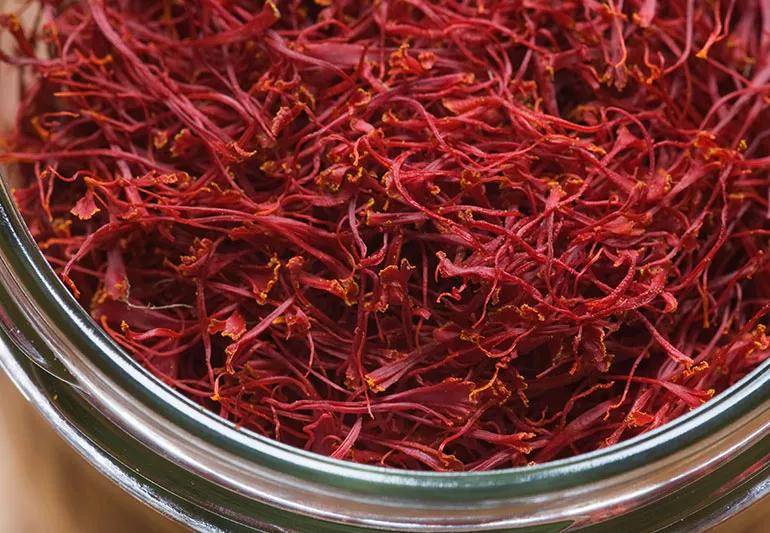
Saffron is the little red thread that walks into a kitchen and immediately acts like royalty. It colors rice gold, perfumes tea, gives desserts a warm floral lift, and somehow costs enough to make your spice cabinet feel like it needs a security guard. But beyond its famous price tag and luxurious flavor, saffron has earned serious attention for its potential health benefits.
Made from the dried stigmas of the Crocus sativus flower, saffron has been used for centuries in Persian, Mediterranean, Indian, and Middle Eastern cooking. Modern research is now looking at its active compounds, especially crocin, crocetin, safranal, and picrocrocin. These natural plant chemicals may help explain why saffron is linked with antioxidant activity, mood support, PMS relief, appetite control, eye health, heart health, and better sleep or brain function.
Before we crown saffron the tiny red king of wellness, let’s be clear: saffron is not a cure-all, and saffron supplements should not replace medical treatment. Many studies are small, and researchers still need larger long-term trials. Still, when used wisely, saffron may be one of the most interesting spices in the wellness world. It is flavorful, versatile, and much easier to add to dinner than a treadmill.
What Makes Saffron Special?
Saffron’s health benefits come mainly from its antioxidant and anti-inflammatory compounds. Crocin gives saffron its deep red-orange color. Safranal contributes to its distinct aroma. Picrocrocin is responsible for its slightly bitter taste. Together, these compounds may influence oxidative stress, inflammation, neurotransmitters, blood flow, and cellular protection.
That does not mean more saffron is always better. In cooking, only a few threads are usually enough. In supplement studies, common doses often fall around 20 to 100 milligrams per day, depending on the goal and product. High doses can cause side effects and may be dangerous, especially during pregnancy or for people with bleeding disorders, kidney problems, or medication interactions. In other words, saffron is elegant; do not treat it like a bulk seasoning challenge.
1. Saffron Is Rich in Antioxidants
One of the most important health benefits of saffron is its antioxidant power. Antioxidants help protect the body from oxidative stress, a process that can damage cells over time. Oxidative stress is linked with aging, inflammation, and many chronic health concerns.
Saffron contains several antioxidant compounds, including crocin, crocetin, and safranal. These compounds may help defend cells from free radical damage. In practical terms, that means saffron may support the body’s natural protection systems when it is part of a healthy diet rich in fruits, vegetables, whole grains, beans, nuts, and other colorful plant foods.
How to use it for antioxidant support
A simple way to enjoy saffron is to steep a few threads in warm water for 10 to 15 minutes before adding the golden liquid to rice, soup, tea, or oatmeal. This helps release its color and aroma. A tiny pinch can make a meal feel fancy without requiring you to speak in a royal accent.
2. Saffron May Support Mood and Emotional Balance
Saffron is perhaps best known in supplement research for its potential mood-supporting effects. Several clinical studies and reviews suggest that saffron extract may help reduce symptoms of mild to moderate depression in some adults. Researchers believe saffron may influence mood-related brain chemicals such as serotonin, dopamine, and norepinephrine, while also helping reduce inflammation and oxidative stress in the nervous system.
This does not mean saffron should replace therapy, prescribed medication, or professional care. Depression is a real medical condition, not a “just drink some fancy tea” situation. However, saffron may be a helpful wellness tool for some people when used under medical guidance, especially for those exploring nutrition-based mood support.
Real-life example
Someone dealing with seasonal low mood might add saffron tea to an evening routine while also prioritizing sleep, exercise, sunlight, and social support. The saffron is not doing all the heavy lifting; it is one member of the support team. Think of it as the tiny but dramatic assistant coach.
3. Saffron May Help Ease PMS Symptoms
Premenstrual syndrome, or PMS, can bring mood swings, irritability, anxiety, cramps, fatigue, headaches, and cravings. Saffron has been studied for its possible role in easing some PMS symptoms, especially mood-related discomfort. Some small studies suggest saffron may help improve emotional symptoms associated with PMS, including irritability and low mood.
This benefit may be connected to saffron’s potential effects on serotonin and inflammation. Since PMS symptoms vary widely, saffron will not work the same way for everyone. Still, it may be worth discussing with a healthcare provider for people who want a natural addition to a broader PMS care plan.
Best way to think about it
Saffron is not a magic wand for PMS. It will not fold laundry, answer stressful emails, or tell cramps to leave the premises. But it may gently support mood and comfort when combined with steady meals, hydration, movement, adequate sleep, and medical care when symptoms are severe.
4. Saffron May Support Eye Health
Eye health is another promising area of saffron research. Some studies have explored saffron’s potential role in age-related macular degeneration, diabetic maculopathy, and glaucoma. The theory is that saffron’s antioxidant and anti-inflammatory compounds may help protect delicate eye tissues from oxidative stress and support blood flow in the retina.
Vision is precious, and eye conditions need professional diagnosis and treatment. Anyone with macular degeneration, glaucoma, diabetes-related eye disease, or changing vision should work with an eye doctor. Saffron may be supportive, but it should not replace prescribed drops, injections, surgery, monitoring, or other medical care.
Food-first tip
For everyday eye support, saffron pairs beautifully with foods already associated with eye-friendly nutrients, such as leafy greens, eggs, salmon, pistachios, carrots, and citrus. A saffron rice bowl with spinach, chickpeas, olive oil, and lemon is basically a golden dinner with a résumé.
5. Saffron May Benefit Heart and Metabolic Health
Saffron may also support cardiovascular and metabolic wellness. Research suggests that saffron and its compounds may influence inflammation, blood pressure, cholesterol, blood sugar, and circulation. These effects are still being studied, but they make sense given saffron’s antioxidant activity and possible impact on blood vessel function.
Heart health, however, is never about one ingredient. A heart-friendly lifestyle includes regular physical activity, enough sleep, stress management, not smoking, and a diet rich in vegetables, fruits, legumes, whole grains, fish, nuts, seeds, and healthy fats. Saffron can add flavor to these foods, which may help people rely less on heavy sauces or excess salt.
Simple heart-smart use
Add saffron to lentil soup, vegetable stew, brown rice, or baked fish. Its aroma makes simple food feel special, which is helpful because the most heart-healthy meal is the one you actually want to eat again tomorrow.
6. Saffron May Help With Appetite and Weight Management
Some research suggests saffron may help reduce snacking frequency or support appetite control in certain people. This may be related to mood, satiety signals, or reduced stress-related eating. When cravings are driven by boredom, stress, or emotional dips, mood-supporting compounds may indirectly help some people make steadier food choices.
Still, saffron is not a weight-loss shortcut. No spice can cancel out an overall eating pattern, and any product promising effortless fat loss deserves a raised eyebrow. Sustainable weight management depends on balanced meals, protein, fiber, movement, sleep, and realistic habits. Saffron may help some people feel more in control of snacking, but it works best as a supporting actor, not the star of the show.
Practical example
A person who tends to snack late at night might create a calming routine: a light dinner with protein and fiber, a cup of saffron tea, dimmer lights, and a set bedtime. The tea creates a pause. Sometimes that pause is enough to ask, “Am I hungry, stressed, or just bored because my phone has become a tiny casino?”
7. Saffron May Support Sleep and Brain Function
Saffron is also being studied for sleep quality, memory, learning, and cognitive function. Its antioxidant compounds may help protect nerve cells from oxidative stress, while its effects on mood-related pathways may support relaxation and emotional balance. Some research has looked at saffron for sleep improvement and cognitive support in older adults, including people with mild to moderate cognitive decline.
Good sleep and brain health still depend on the basics: a consistent sleep schedule, morning light, physical activity, limited late caffeine, and a bedroom that is cool, dark, and not secretly an office. Saffron may support the routine, but it cannot outwork scrolling until 2 a.m.
How to try saffron at night
Steep 5 to 10 saffron threads in warm water or milk. Add cinnamon or cardamom if desired. Keep it lightly sweetened or unsweetened. Use it as a signal that the day is ending, not as a medical sedative.
How to Use Saffron Safely
For cooking, saffron is usually used in tiny amounts. A pinch of threads can flavor an entire dish. To get the best color and taste, crush or steep the threads before adding them to food. Good saffron should smell floral, earthy, and slightly sweet. If it smells dusty or looks suspiciously uniform, it may be old or adulterated.
Saffron supplements are different from culinary saffron. Extracts can be concentrated, and the strength varies by brand. Before taking saffron capsules or extracts, talk with a healthcare provider, especially if you are pregnant, breastfeeding, taking antidepressants, using blood thinners, preparing for surgery, receiving cancer treatment, or living with kidney or bleeding disorders.
Possible side effects from higher doses may include nausea, headache, dizziness, anxiety, appetite changes, and allergic reactions. Very high doses can be toxic. The golden rule is simple: enjoy saffron like a precious spice, not like a dare.
of Experience: What Using Saffron Feels Like in Real Life
The first experience many people have with saffron is not medical at all. It is sensory. You open the jar, see a tiny nest of red threads, and think, “That’s it?” Then you steep a few strands in warm water, and suddenly the liquid turns golden, like the spice is showing off. The aroma is hard to describe: floral, honeyed, earthy, and slightly mysterious. It does not shout like garlic or sprint into the room like peppermint. It arrives slowly, wearing nice shoes.
In everyday life, saffron works best when it becomes part of a ritual. For example, making saffron tea after dinner can feel calming because it forces a pause. You boil water, wait a minute so it is not aggressively hot, add a few threads, and watch the color bloom. That small act can become a signal to slow down. Is the relaxation from saffron itself, the warm drink, the routine, or the fact that you are finally not answering emails? Probably a bit of everything. Wellness often works that way.
Cooking with saffron can also change how healthy meals feel. A plain pot of rice becomes fragrant and golden. Lentil soup becomes richer. Fish tastes more elegant. Oatmeal with saffron, cardamom, and pistachios feels like breakfast got invited to a boutique hotel. This matters because healthy eating is easier when food feels enjoyable, not like a punishment designed by a very strict clipboard.
Some people use saffron because they are curious about mood support. In that case, expectations matter. Saffron is subtle. It is not like flipping a switch from gloomy to jazz hands. A better way to judge it is to track mood, sleep, cravings, and stress over several weeks while keeping other habits consistent. If someone starts saffron, improves sleep, walks daily, eats more protein, and stops drinking coffee at 5 p.m., they should not give saffron all the credit. The spice may help, but the whole routine deserves applause.
For PMS, saffron is often experienced as part of comfort care. A warm saffron drink, a balanced meal, magnesium-rich foods, gentle stretching, and an earlier bedtime may create a more supportive premenstrual week. Again, severe symptoms need medical attention, but small rituals can still make a hard week feel less like a monthly ambush.
The biggest lesson from real-life saffron use is moderation. Because saffron is expensive, people naturally use it sparingly, which is convenient because sparingly is exactly how it should be used in food. A few threads are enough. More is not more sophisticated; it is just more expensive and potentially unpleasant. With saffron, elegance lives in restraint.
Conclusion
Saffron is more than a luxury spice. It is a deeply aromatic plant food with antioxidant compounds that may support mood, PMS comfort, eye health, heart health, appetite control, sleep, and brain function. The strongest research is still developing, and many studies are small, but the early evidence is interesting enough to make saffron worth watching.
The smartest approach is simple: use saffron as part of a healthy lifestyle, not as a replacement for medical care. Add it to tea, rice, soups, stews, and balanced meals. Choose quality products. Be cautious with supplements. Talk to a healthcare provider if you have medical conditions, take medication, or are pregnant or breastfeeding.
In the end, saffron’s greatest gift may be that it makes healthy routines feel a little more beautiful. And honestly, if a few red threads can turn dinner gold and remind you to slow down, that is a pretty impressive résumé for something smaller than a paperclip.

