
Skincare
53 Photos From The ‘That’s It, I’m Food Shaming” FB Group That Explain Why Such Online Communities Exist
Jun
Some meals enter the world as art. Others arrive looking like they lost a small courtroom battle with a microwave. That is exactly why the Facebook group “That’s It, I’m Food Shaming” has become such a weirdly comforting corner of the internet: it gives people a place to gather, gasp, laugh, and ask the one question every home cook has secretly asked at least once“Was this supposed to look like that?”
The viral collection of 53 food photos from the group is not just a parade of culinary chaos. It is a snapshot of how online communities work. These photos include overstuffed pizzas, suspiciously shiny casseroles, aggressively experimental snacks, sad beige dinners, alarming leftovers, and food combinations that feel less like recipes and more like dares from a bored refrigerator. But behind the jokes is something more interesting: people love communities where low-stakes failure becomes shared entertainment.
Food shaming, when aimed at dishes rather than people, works because food is universal. Everyone eats. Everyone has burned toast, overcooked pasta, misjudged a sauce, or made something that looked better in the recipe photo than on the plate. A strange food picture is instantly understandable. You do not need a culinary degree to know when a pizza popsicle, bologna-filled candy cup, or neon mystery loaf has crossed from dinner into evidence.
Why Food-Shaming Communities Exist
Online communities exist because people want belonging without needing a formal invitation. A Facebook group built around terrible food photos is simple, specific, and easy to join emotionally. You see one picture, laugh, and immediately understand the rules of the room. The community has a shared language: “What is this?” “Who approved this?” “Would you eat it?” and the classic, “I hate that I’m curious.”
That specificity matters. Broad social media feeds can feel noisy, but niche groups feel like themed parties. In “That’s It, I’m Food Shaming,” the theme is culinary disbelief. Members are not gathering to debate fine dining theory. They are gathering to witness the brave frontier where macaroni, meat, frosting, canned vegetables, and overconfidence collide.
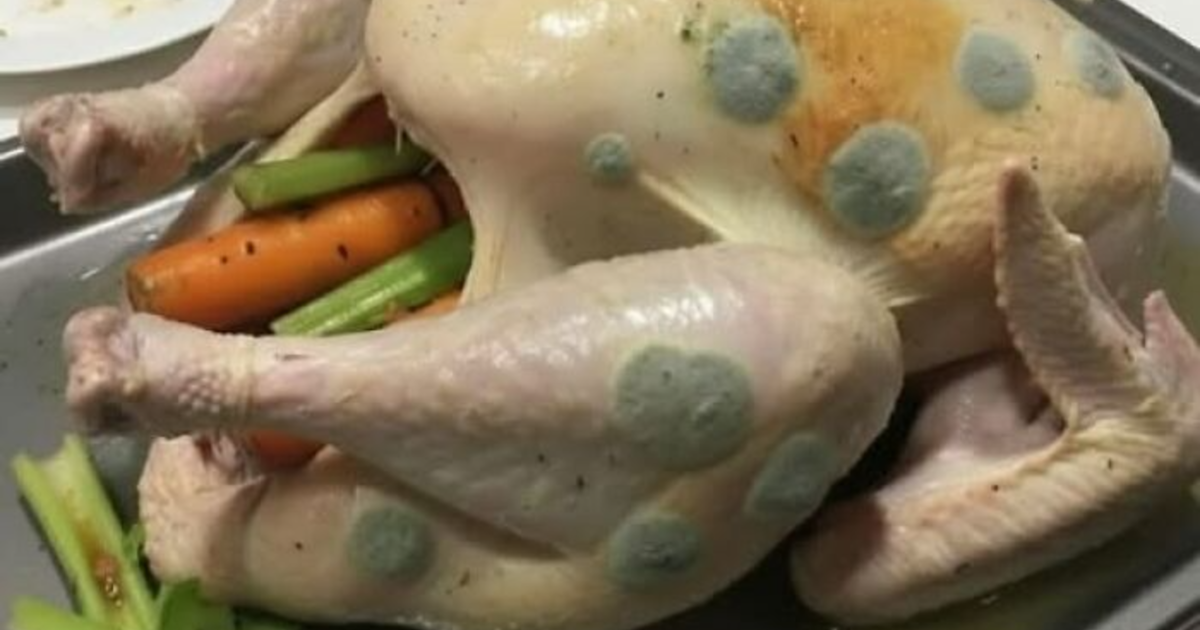
These communities also give people a harmless way to process discomfort. A photo of a moldy cake, a gray dinner plate, or a steak cooked into tragedy creates a quick emotional reaction. Instead of quietly recoiling alone, users can share the reaction with thousands of others. The result is not just mockery; it is a collective “please tell me you see what I see.” That shared recognition is the magic.
The Appeal of Bad Food Photos
Beautiful food photography is everywhere. Social media has trained us to expect glossy burgers, perfect pancakes, symmetrical sushi, and salads arranged like tiny edible gardens. Food-shaming groups flip that expectation upside down. They celebrate the opposite: food that is lumpy, confusing, overbuilt, undercooked, badly lit, or conceptually illegal in at least three emotional states.
That contrast is funny because it breaks the polished rules of online food culture. Instead of another golden grilled cheese pull, you get a plate that looks like it was assembled during a power outage. Instead of a professional recipe reel, you get a casserole that seems to be asking for privacy. The humor comes from the gap between intention and result.
Some photos are funny because the food is ugly. Others are funny because the idea is too bold. Cinnamon cereal-flavored bacon, peanut butter cups hiding bologna, or a deep-dish pizza stuffed like it is preparing for winter all trigger the same delightful confusion. They are not automatically disgusting; sometimes they are almost impressive. The internet loves a creation that makes people say, “I would never eat that,” followed immediately by, “Okay, maybe one bite.”
Food Fails Are Relatable, Not Just Ridiculous
The best food-shaming posts do not work because they make people feel superior. They work because they remind us that cooking is risky, messy, and deeply human. A recipe can go wrong for a hundred reasons: a missing ingredient, a distracted cook, a misleading tutorial, a tired parent improvising dinner, or a midnight snack idea that should have remained a private thought.
That is why the comments under these posts are often as entertaining as the pictures. People do not simply insult the food. They confess. Someone sees a dry chicken breast and says they have served worse. Someone sees a strange pizza and admits they would try it. Someone sees an overloaded plate of fries and gravy and defends it with suspicious passion. Suddenly, the post is no longer about one bad dish; it becomes a group therapy session for everyone who has ever trusted a recipe with too much confidence.
Food is also tied to memory. A dish that looks horrifying to one person may remind another person of a beloved family meal. One user may see a strange gelatin salad and recoil; another may say, “My grandma made that every holiday.” This is where food-shaming communities become culturally interesting. They reveal how personal taste really is. One person’s nightmare loaf is another person’s childhood.
The Difference Between Funny Food Shaming and Mean Food Shaming
A good online food-shaming community needs an invisible line: shame the dish, not the person. The funniest posts focus on presentation, combinations, texture, portion size, or the sheer mystery of what is happening on the plate. The joke should land on the food, the idea, or the chaosnot on someone’s body, income, culture, or background.
This distinction matters because food is personal. People cook with different budgets, traditions, abilities, kitchens, and time limits. A college student making dinner with two appliances and a dream is not the same as a brand selling a questionable product with a marketing budget. A tired person’s leftover mash-up deserves more mercy than a corporation releasing a limited-edition flavor that tastes like a focus group got trapped in a vending machine.
The healthiest version of food shaming is playful. It says, “This dish is confusing, and we must discuss it immediately.” It does not say, “The person who made this deserves cruelty.” That difference keeps the community funny instead of toxic. After all, everyone has produced a meal that looked like it needed a publicist.
Why Facebook Groups Are Perfect for This Kind of Humor
Facebook groups remain powerful because they turn scrolling into participation. A person can see a strange food photo, react, comment, tag a friend, or upload their own disaster from last night’s dinner. The barrier to entry is low, and the reward is instant: laughter, attention, and the relief of knowing your kitchen mistakes are not alone in the universe.
Groups also create repeat rituals. Members return because they know the format. The content changes, but the emotional experience stays familiar. Today it might be a frozen pizza on a stick. Tomorrow it might be a cake with frosting that looks medically concerning. Next week it might be a casserole named “surprise” by someone who should not be allowed to use suspense as an ingredient.
That repetition builds community. People begin recognizing the tone, the running jokes, and the types of posts that always perform well. Over time, the group becomes more than a feed of images. It becomes a shared comedy club where the admission ticket is one questionable snack.
What These 53 Photos Reveal About Internet Culture
The 53-photo collection shows that internet culture is powered by strong reactions. A perfect plate may earn a like, but a bizarre plate earns a conversation. People comment because they feel compelled to solve the mystery. What is inside that loaf? Why is the egg sitting there like a warning? Is that sauce, gravy, frosting, or something from a home repair aisle?
Visual confusion creates engagement. A strange image makes people pause, zoom in, share, and argue. That is exactly what online platforms reward. But in this case, the stakes are refreshingly low. Nobody needs a policy degree to discuss whether bacon should taste like breakfast cereal. You can have an opinion immediately, and that opinion can be dramatic without ruining anyone’s day.
The posts also reveal our complicated relationship with abundance. Some of the most shocking dishes are not small mistakes; they are excessive experiments. Too much cheese. Too much meat. Too many toppings. Too much sauce. Too much confidence. The humor often comes from watching a meal go past “generous” and enter “architectural emergency.”
Food Safety, Waste, and the Serious Side of Silly Posts
Even the funniest food photos can accidentally teach useful lessons. A moldy dessert, undercooked meat, or leftovers with suspicious texture can remind viewers that food safety is not just a boring kitchen poster. Clean surfaces, proper storage, safe cooking temperatures, and timely refrigeration matter. The joke may be silly, but the consequences of unsafe food are not.
Food-shaming groups can also spark conversations about waste. Not every ugly meal belongs in the trash. Some dishes look bad but taste fine. Others are unsafe and should absolutely retire from public service. The difference is important. A messy plate of leftovers may be a smart way to avoid wasting food. A fuzzy cake, however, has chosen a new career and should be allowed to leave.
This is where humor becomes useful. People may ignore a lecture about leftovers, but they will remember a funny post about a refrigerator experiment gone wrong. Communities like this can make ordinary kitchen lessons more memorable because laughter helps information stick.
Why We Love Judging Food Together
Judging food together is one of humanity’s oldest hobbies. Long before Facebook, people gathered around tables and silently evaluated Aunt Linda’s potato salad. The internet simply gave everyone a bigger table and better lighting, although, judging by some of these photos, not always better lighting.
There is also a game-like quality to these posts. Users rank the food in their heads: Would I eat it? Would I serve it? Would I report it to a group chat? Is it ugly but delicious? Is it beautiful but suspicious? The comments become a public scoreboard of appetite, bravery, and moral flexibility.
Food judgment is fun because it feels safe. You can have a strong opinion about a pizza stuffed with ground beef without needing to understand global politics, taxes, or why your printer says it is offline when it clearly is not. In a stressful digital world, a ridiculous casserole is a gift.
How Brands and Home Cooks Accidentally Create Viral Food
Some food-shaming posts come from home kitchens, but many come from stores, restaurants, ads, and brands chasing novelty. Limited-edition flavors are especially likely to end up in these communities. When companies combine familiar foods in strange ways, they are not just selling taste; they are selling curiosity. Sometimes curiosity tastes good. Sometimes it tastes like a board meeting ran out of adult supervision.
Home cooks go viral for different reasons. Their creations often feel more sincere. Someone genuinely believed in that sushi cake. Someone truly looked at bologna and peanut butter cups and saw opportunity. That sincerity makes the post funnier and, strangely, more lovable. The dish may be wrong, but the courage is undeniable.
The Community Exists Because Perfection Is Exhausting
One reason food-shaming groups feel refreshing is that perfection online has become exhausting. Perfect meals, perfect homes, perfect routines, and perfect morning smoothies can make ordinary life feel like a failed audition. A bad food photo cuts through that pressure. It says, “Relax. Someone just put noodles in a bathtub. Your toast is fine.”
That is the hidden charm of the group. It is not only laughing at food; it is laughing at the idea that everything online must be polished. The posts are messy, chaotic, and gloriously unfiltered. They remind us that the internet is more fun when it leaves room for mistakes.
Experiences Related to Food-Shaming Communities
Anyone who has spent enough time around home cooking has a food-shaming story. Maybe it was the first attempt at homemade bread that came out dense enough to qualify as gym equipment. Maybe it was a birthday cake that leaned like it had received bad news. Maybe it was a “creative” leftover bowl that combined rice, tuna, pickles, hot sauce, and regret. These moments are funny because they are familiar. We laugh at the photo because we recognize the emotion behind it: hope entering the oven and confusion coming out.
One common experience is the recipe-photo betrayal. You follow the instructions, measure the ingredients, preheat the oven, and imagine yourself becoming the kind of person who casually says, “Oh, I just whipped this up.” Then reality arrives. The cookies spread into one giant continent. The pancakes burn outside and remain emotionally raw inside. The cheese sauce breaks. The roast looks dry enough to file paperwork. At that moment, a food-shaming group feels less like a place of judgment and more like a support network with better jokes.
Another familiar experience is the family dish that outsiders do not understand. Every family has at least one recipe that looks questionable but tastes like home. It might be a casserole with crushed chips on top, a holiday gelatin dish, a sandwich combination invented during hard times, or a soup that photographs terribly but fixes the soul. Online food communities can be funny because they reveal this tension. We may laugh at a strange plate, but we also know that food carries stories. Sometimes the ugliest dish at the table is the one everyone fights over.
Then there are the late-night experiments. These are meals created when hunger is high, standards are low, and the grocery situation is mostly condiments. A person at midnight is capable of culinary decisions they would deny under oath the next morning. Tortilla with shredded cheese and leftover spaghetti? Maybe. Pickles dipped in ranch and crushed crackers? Possibly. Microwaved nachos with three kinds of sauce and no structural integrity? Absolutely. Food-shaming communities exist because people need somewhere to put these masterpieces of desperation.
Restaurant experiences also contribute to the appeal. Many people have ordered something that sounded elegant on the menu and arrived looking like a prank. A “deconstructed” dish can sometimes appear as if the chef got tired halfway through construction. A trendy dessert may look less like art and more like a science project with confidence. When diners share these moments online, others understand instantly. It is not about hating restaurants; it is about the comedy of expectation versus plate.
The best personal lesson from these communities is simple: bad-looking food is not always bad, and good-looking food is not always good. Presentation matters, but taste, safety, effort, and context matter too. A dish can be ugly and comforting. It can be strange and delicious. It can be visually alarming and still made with love. The funniest food-shaming communities leave room for that complexity. They laugh, but they also invite curiosity.
That is why a collection like “53 Photos From The ‘That’s It, I’m Food Shaming’ FB Group” works so well. It is not merely a list of unfortunate meals. It is a celebration of the internet’s favorite emotional recipe: surprise, laughter, mild horror, nostalgia, and the tiny voice that whispers, “I would try it if nobody was watching.”
Conclusion
The “That’s It, I’m Food Shaming” Facebook group proves that online communities do not need complicated missions to matter. Sometimes they exist because people need a place to laugh at a pizza that has gone too far. Sometimes they exist because food is personal, visual, emotional, and endlessly debatable. And sometimes they exist because the world is stressful, but a suspicious casserole can still bring strangers together.
These 53 photos explain why niche groups thrive: they create instant connection through shared reactions. They let people be funny, curious, dramatic, and oddly supportive. They remind us that imperfection is more relatable than polish. Most importantly, they prove that the internet is at its best when it turns everyday chaos into communitypreferably with a side of fries that have not been buried under a pepper avalanche.

