
Body Care
Yes, Derma Rollers Work but How You Use It Makes a Big Difference
Jun
Derma rollers have the strange honor of looking like tiny medieval torture tools while promising smoother, brighter, happier skin. Scroll through social media long enough and you will see someone rolling a needle-covered device across their face with the calm confidence of a person buttering toast. The big question is obvious: do derma rollers work, or is this another beauty trend wearing a lab coat it borrowed from the internet?
The honest answer is: yes, derma rollers can work. But there is a very important “please do not skip this part” attached. Derma rolling is a form of microneedling, a technique that creates controlled micro-injuries in the skin to encourage the body’s natural repair process. When done correctly, microneedling may help improve the appearance of acne scars, fine lines, uneven texture, enlarged pores, stretch marks, and certain types of discoloration. When done recklessly, it can irritate your skin, spread bacteria, worsen inflammation, trigger hyperpigmentation, or leave you with a face that looks like it argued with a cactus and lost.
In other words, the tool is not magic. The technique is the magic. And the safety rules are the bouncer at the club.
What Is a Derma Roller?
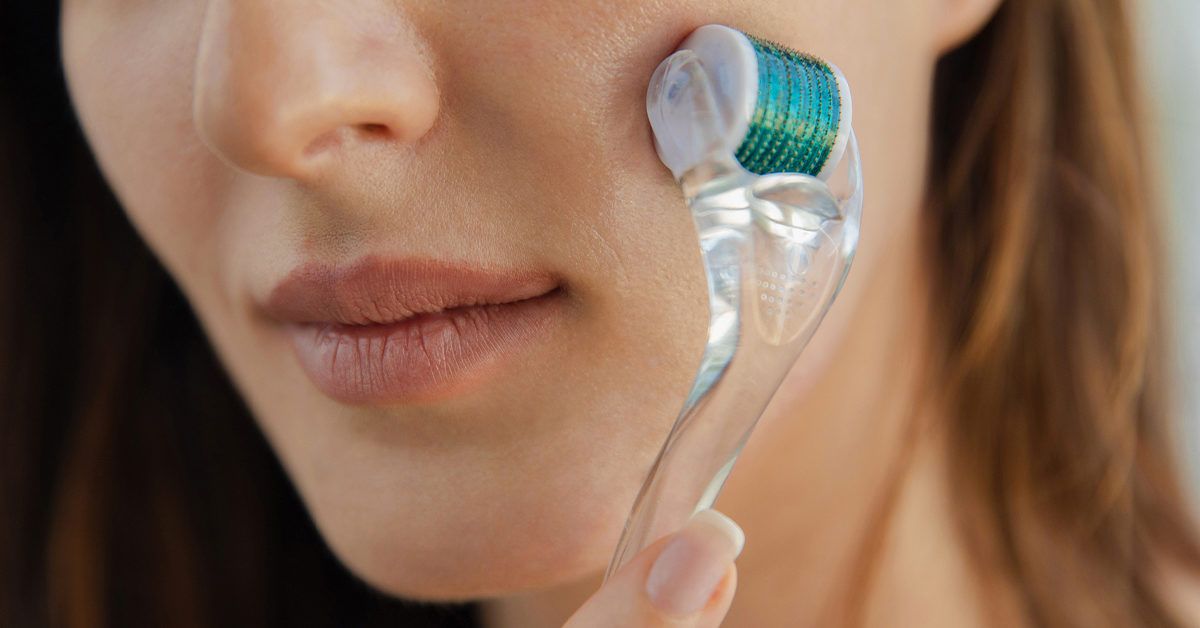
A derma roller is a handheld skincare device with a small rotating head covered in tiny needles. As you roll it across the skin, those needles create microscopic channels. This process is commonly called derma rolling, skin needling, or at-home microneedling.
Professional microneedling is usually performed in a dermatologist’s office or medical setting with sterile, controlled devices. These tools may penetrate more deeply and evenly than home rollers, and the treatment can be customized for acne scars, wrinkles, surgical scars, stretch marks, or texture concerns. At-home derma rollers are generally much milder. They are usually intended for surface-level use and may help with product absorption, mild texture, and a temporary glow rather than dramatic scar remodeling.
How Derma Rollers Work
Microneedling works by triggering the skin’s wound-healing response. When the skin detects tiny controlled injuries, it starts repairing itself. That repair process can increase collagen and elastin production over time. Collagen helps keep skin firm and structured, while elastin helps skin bounce back instead of behaving like a tired couch cushion.
This is why microneedling is often called collagen induction therapy. The idea is not to damage the skin aggressively. The goal is to create just enough controlled stimulation to encourage renewal without causing lasting injury. Think of it like strength training for your skin: a smart workout can build resilience; overdoing it can leave everything sore, angry, and questioning your life choices.
What Skin Concerns Can Derma Rolling Help?
Professional microneedling has stronger evidence than at-home derma rolling, but both are often discussed for similar skin goals. Results depend on needle depth, device quality, skin type, consistency, aftercare, and whether the treatment is done by a trained professional.
Acne Scars
Microneedling is best known for improving the appearance of atrophic acne scars, the indented scars that form when acne damages collagen in the skin. It may help soften the look of rolling scars and shallow boxcar scars. Deep ice-pick scars, however, usually need more targeted treatments such as punch excision, laser resurfacing, chemical peels, or a dermatologist-designed combination plan.
Fine Lines and Wrinkles
Because microneedling encourages collagen production, it may help soften fine lines and improve skin firmness over time. It is not a facelift in roller form, so do not expect your jawline to file a change-of-address form. But for mild lines, dullness, and early texture changes, it can be helpful when used properly.
Uneven Texture and Enlarged Pores
Derma rolling may improve the look of rough texture and enlarged pores by supporting skin renewal. People often notice a smoother surface and better glow before they see deeper structural changes. That early glow can be encouraging, but real collagen remodeling takes time.
Stretch Marks and Surgical Scars
Professional microneedling is sometimes used to improve stretch marks and surgical scars. These concerns usually require deeper, more controlled treatment than a home roller can safely provide. For scars on the body, especially newer surgical scars, a dermatologist or plastic surgeon can help determine whether microneedling is appropriate and when it should begin.
At-Home Derma Roller vs. Professional Microneedling
The biggest difference between home and professional microneedling is control. In a medical office, the provider can adjust needle depth, use sterile equipment, apply numbing cream, avoid unsafe areas, manage bleeding, and tailor aftercare. At home, you are the provider, the patient, the cleaning crew, and occasionally the person saying, “Oops.”
At-home rollers are typically less powerful, which can be both good and bad. The good part: shorter needles are less likely to cause serious injury. The bad part: they also produce less dramatic results. A short-needle roller may help with surface smoothness and skincare absorption, but it is unlikely to remodel deep acne scars the way professional microneedling can.
For acne scars, wrinkles, stretch marks, and significant pigmentation concerns, professional treatment is usually the smarter route. For mild texture, dullness, or curiosity that has been properly supervised by common sense, an at-home derma roller may be reasonable for some people.
Needle Size Matters More Than People Think
Needle length is one of the most important safety factors. Longer needles penetrate more deeply, create more injury, and carry more risk. Many dermatology sources caution that deeper microneedling should be left to professionals. For at-home use, shorter needles are generally safer.
A roller under 0.5 millimeters is often discussed for home use because it is less likely to reach deeper skin structures. Longer needles may be marketed online, but “available for purchase” does not mean “wise to drag across your face on a Tuesday night while watching reality TV.” If your goal is to treat acne scars, deep wrinkles, or stretch marks, book a professional consultation rather than trying to become a bathroom dermatologist.
How to Use a Derma Roller Safely at Home
If you choose to use a derma roller at home, safety should come before ambition. Your skin barrier is not a craft project. Treat it kindly.
Start With Clean Skin
Wash your face with a gentle cleanser and remove makeup, sunscreen, sweat, and oil. Never roll over dirty skin. Derma rolling can create tiny openings, and bacteria are always thrilled to receive an invitation.
Sanitize the Tool
Use a properly sterilized roller and follow the manufacturer’s cleaning instructions. Do not share your derma roller with anyone. Sharing a roller is not friendship; it is a skin infection group project.
Use Gentle Pressure
You do not need to press hard. The goal is light, controlled contact. If your skin is bleeding heavily, burning intensely, or looking unusually swollen, stop. More pressure does not mean better results. It usually means more irritation.
Avoid Active Acne and Irritated Skin
Do not roll over active breakouts, cold sores, eczema flares, psoriasis plaques, open wounds, sunburn, or infected skin. Rolling over inflamed acne can spread bacteria and worsen the breakout. Rolling over a cold sore can spread the virus to other areas of the face.
Keep Aftercare Simple
After derma rolling, use bland, hydrating products. Fragrance-free moisturizers, hyaluronic acid, and barrier-supporting ingredients are usually better choices than strong acids or aggressive actives. Skip retinoids, exfoliating acids, harsh scrubs, and high-strength vitamin C immediately after rolling unless a dermatologist has told you otherwise.
Use Sunscreen Like It Owes You Money
Skin can be more sensitive after microneedling. Daily broad-spectrum sunscreen is essential, especially if you are prone to dark spots or post-inflammatory hyperpigmentation. If you roll at night and then spend the next day outdoors unprotected, your skin may send you a strongly worded complaint in the form of discoloration.
Common Derma Roller Mistakes
Using It Too Often
Overuse can damage the skin barrier and cause redness, dryness, breakouts, and irritation. Your skin needs time to recover. If you keep poking it before it has repaired itself, you are not “boosting collagen.” You are interrupting the healing process like a roommate who keeps asking if dinner is ready.
Using a Dirty Roller
This is one of the fastest ways to turn a skincare routine into a medical appointment. Dirty needles can introduce bacteria and increase the risk of infection. If your roller is bent, dull, rusty, dropped on the floor, or older than your favorite hoodie, replace it.
Rolling Over the Wrong Products
Derma rolling may increase product penetration, which sounds exciting until you remember that not every ingredient belongs deeper in the skin. Fragrance, essential oils, exfoliating acids, strong retinoids, and irritating formulas may sting or trigger inflammation after rolling. Keep it boring. Boring skincare often wins.
Expecting Overnight Results
Collagen remodeling is slow. You may see a quick glow from temporary swelling and increased circulation, but deeper changes take weeks to months. If a product promises “glass skin by breakfast,” please escort it gently but firmly out of your shopping cart.
Who Should Avoid Derma Rolling?
Derma rolling is not right for everyone. Avoid at-home microneedling if you have active acne, skin infections, cold sores, open wounds, uncontrolled eczema, psoriasis flares, a history of keloid scarring, or a condition that affects healing. People taking certain acne medications, blood thinners, or immune-suppressing medications should speak with a healthcare provider before trying microneedling.
If you have darker skin that is prone to hyperpigmentation, be extra cautious. Microneedling can be useful for many skin tones, but irritation and inflammation can trigger dark marks. A dermatologist can help choose the safest approach and reduce the chance of unwanted pigmentation changes.
What Results Can You Realistically Expect?
With professional microneedling, many people need several sessions spaced weeks apart. Results often appear gradually as collagen develops. Mild improvements in glow or smoothness may show up sooner, while acne scars, wrinkles, and stretch marks can take longer.
With an at-home derma roller, expect subtler results. You may notice smoother skin, better product spread, and a fresher look. You probably will not erase deep scars or transform loose skin. That does not mean the tool is useless. It means expectations should be parked in the same zip code as reality.
Derma Roller Aftercare: The 48-Hour Rule
The first day or two after derma rolling is not the time to experiment with spicy skincare. Avoid exfoliating acids, scrubs, retinoids, fragranced products, tanning, heavy makeup, and intense sun exposure. Focus on hydration, barrier support, and sunscreen.
A simple aftercare routine might include a gentle cleanser, hydrating serum, plain moisturizer, and broad-spectrum sunscreen in the morning. If your skin feels hot, itchy, painful, swollen, or starts oozing, crusting, or developing bumps, stop using the roller and contact a healthcare provider.
Are Derma Rollers Worth It?
Derma rollers can be worth it for people with mild texture issues who understand the limits and follow safety guidelines. They are not worth it for anyone hoping to DIY their way out of deep acne scars, severe wrinkles, active acne, or major pigmentation concerns. In those cases, professional microneedling or another dermatologist-recommended treatment is safer and more effective.
The smartest approach is to treat derma rolling as a cautious supporting tool, not the main character in your entire skincare drama. Pair it with daily sunscreen, gentle cleansing, moisturizer, and proven ingredients such as retinoids or vitamin C when your skin can tolerate them. Healthy skin is built by routines, not one dramatic gadget with a spiky personality.
Real-Life Experience: What Using a Derma Roller Is Actually Like
People often imagine derma rolling as a glamorous, spa-like ritual. In reality, the first experience is usually less “luxury facial” and more “am I doing this correctly, and why does my forehead suddenly feel like warm toast?” That is normal. A short-needle roller can create mild redness and sensitivity, especially the first time. The skin may feel tight, slightly prickly, or flushed for several hours. For many users, the next morning brings a subtle smoothness or glow, which is encouraging enough to make the roller feel like a tiny skincare trophy.
One common beginner experience is learning that less is truly more. A person might start with big hopes: acne scars softened, pores minimized, skin glowing like it has its own public relations team. Then they roll too often, apply a strong serum afterward, and wake up with irritation. That is the derma roller’s way of saying, “Congratulations, you have discovered the skin barrier.” The lesson is simple: gentle pressure, short sessions, and calm aftercare beat aggressive technique every time.
Another realistic experience involves patience. After two or three uses, the skin may look temporarily brighter, but deeper scars will not suddenly vanish. This can be frustrating, especially when online before-and-after photos make it seem like one roller can reverse ten years of acne, stress, and questionable sunscreen habits. In real life, meaningful changes are gradual. The people who are happiest with derma rolling are usually the ones who see it as a long-term maintenance step rather than a miracle wand.
There is also the product-absorption effect. Many users notice that hydrating serums feel more effective after gentle rolling. Skin may look plumper because hydration sits better and the surface feels smoother. However, this is exactly why product choice matters. A bland hyaluronic acid serum may feel soothing. A strong exfoliating acid may feel like you have invited a tiny dragon to live on your cheeks. The experience teaches you quickly that “active ingredient” does not always mean “better after needles.”
For people with acne-prone skin, the biggest experience-based warning is to avoid active pimples. Rolling over a breakout can spread bacteria and make the situation worse. Many users learn this the hard way when a small breakout becomes a constellation. The better approach is to wait until active inflammation calms down, then focus on leftover texture or post-acne marks with professional guidance if needed.
The most positive experiences usually come from people who keep the routine boring and clean. They wash their face, use a properly sanitized roller, apply almost no pressure, follow with gentle hydration, and protect their skin from the sun. They do not roll every night. They do not chase blood. They do not treat their face like a patch of lawn that needs aerating. Over time, they may notice smoother makeup application, softer texture, and a more even-looking surface.
The less positive experiences often involve the same mistakes: using long needles at home, rolling too frequently, skipping sanitation, applying harsh products afterward, or using the device during a breakout. In those cases, derma rolling can cause irritation, dark marks, infection, or scarring. The tool did not necessarily fail; the technique did.
So, what is the real experience of using a derma roller? It is not instant transformation. It is a careful, slightly prickly skincare habit that rewards restraint. If you respect your skin’s healing process, choose the right tool, keep everything clean, and know when to call a professional, derma rolling can be useful. If you treat it like a shortcut, your skin may respond with the dermatological equivalent of a slammed door.
Conclusion
Yes, derma rollers work, but not in the exaggerated way the internet sometimes suggests. They work by stimulating the skin’s repair response, supporting collagen production, and improving the appearance of certain texture concerns over time. Professional microneedling offers stronger, more controlled results for acne scars, wrinkles, stretch marks, and surgical scars. At-home derma rollers are gentler and more limited, but they may help with mild texture, glow, and product absorption when used carefully.
The biggest difference between good results and regret is technique. Use a clean tool, choose a conservative needle length, avoid active acne or irritated skin, keep aftercare simple, and protect your skin from the sun. Most importantly, know when a concern belongs in a dermatologist’s office rather than your bathroom mirror. A derma roller can be a helpful tool, but only when your common sense is sharper than the needles.

