
Skincare
#457 That Tiny Little Hole at the Top of Your Sink That Prevents It from Overflowing – 1000 Awesome Things
May
There are heroes in every home. Some wear capes. Some wear tool belts. And some are tiny, round, suspiciously ignored holes sitting near the top of your bathroom sink, quietly waiting for the day you forget the faucet is running.
Yes, we are talking about the sink overflow hole: that small opening near the rim of many bathroom sinks that looks like a design afterthought but may be the only thing standing between you and an indoor wading pool. It is not glamorous. It does not sparkle like a new faucet. It does not get compliments from guests. Nobody walks into a bathroom and says, “Wow, gorgeous overflow drain.” But when the sink stopper is down, the water is running, and your attention has wandered to a text message, a snack, or an existential debate with yourself in the mirror, that tiny little hole becomes a plumbing superhero.
The sink overflow hole is one of those humble household features that proves good design does not always shout. Sometimes it whispers, “I’ve got this,” while quietly redirecting excess water into the drain system before your floor becomes a slippery disaster zone. It is practical, clever, and weirdly comforting once you understand what it does.
What Is the Tiny Hole at the Top of Your Sink?
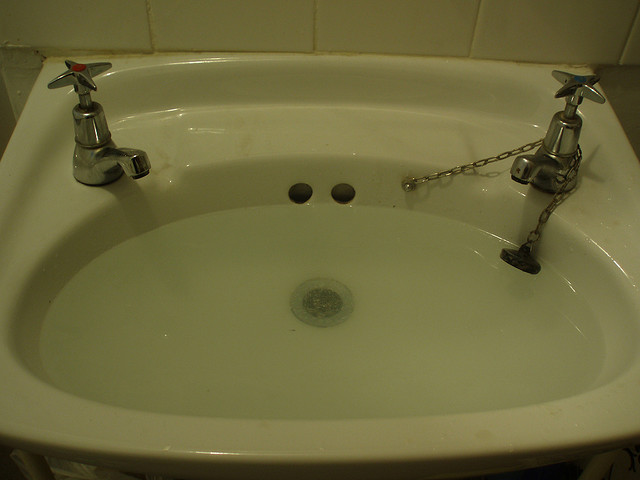
The small hole near the upper inside wall of many bathroom sinks is called an overflow hole or overflow drain opening. It connects to a hidden channel inside the sink body, which leads excess water down toward the drain assembly. When the basin fills too high, water enters the overflow opening instead of spilling over the rim.
In simple terms, it is a backup route. The main sink drain is the highway. The overflow hole is the emergency exit. Ideally, you never need it, but when you do, you are very glad it exists.
Most commonly, overflow holes appear in bathroom sinks rather than kitchen sinks. Many bathroom sinks include them because people often use a stopper while shaving, washing delicate items, rinsing skincare tools, or soaking something that probably should have been cleaned last week. Kitchen sinks may or may not have overflow systems depending on the sink design, material, and manufacturer.
How the Sink Overflow Hole Works
The overflow hole works through a hidden passage molded into the sink. When water reaches the height of the opening, gravity pulls it through the hole, down the overflow channel, and into the drainpipe below. The process is beautifully low-tech. No batteries. No app. No Bluetooth pairing with a faucet named “Sinky_472.” Just smart plumbing geometry doing its job.
It Helps Prevent Overflow When the Drain Is Closed
The most obvious job of the overflow hole is to reduce the chance of water spilling over the sink rim. Imagine you close the pop-up drain, turn on the faucet, and then step away for “just a second.” That second becomes two minutes because the dog barks, your phone rings, or you suddenly remember laundry exists. Without an overflow opening, the sink fills until water spills onto the counter and floor.
With an overflow hole, water has an escape route before it reaches the top. It is not magic, and it cannot handle unlimited water flow forever, but it can buy precious time and prevent many everyday accidents.
It Can Improve Drainage by Letting Air Move
The overflow opening may also help drainage feel smoother. When water exits through the main drain, air movement can affect how quickly the water flows. The overflow channel can allow air into the drain path, helping reduce suction and allowing water to move more freely. It is a small detail, but small details are often what separate “works fine” from “why is my sink making haunted swamp noises?”
Why This Tiny Hole Is More Important Than It Looks
The sink overflow hole is easy to ignore because it does its best work quietly. You may go years without thinking about it. But that does not mean it is useless. It is a safety feature, a convenience feature, and a design feature all tucked into one tiny opening.
It Protects Floors, Cabinets, and Sanity
Water damage is sneaky. A little spill on the floor may seem harmless, but repeated moisture can damage vanity cabinets, loosen flooring, encourage mold growth, and create stains that make your bathroom look older than it is. An overflow hole helps reduce the risk of those little accidents that become annoying repairs.
Anyone who has ever stepped into a bathroom puddle while wearing socks knows the emotional damage is also real. Wet socks are not a minor inconvenience. They are a betrayal.
It Supports Everyday Bathroom Habits
Think about how often bathroom sinks are used casually. People brush teeth, wash hands, rinse razors, clean makeup brushes, soak jewelry, shave, and splash water around with the confidence of a toddler at a water park. A sink overflow hole adds a layer of forgiveness to all that daily chaos.
It does not mean you should leave the faucet running unattended. It simply means the sink is designed with human forgetfulness in mind. And honestly, that is compassionate engineering.
Not Every Sink Has an Overflow Hole
If you are now sprinting to your bathroom to inspect your sink, you may discover that your sink has no visible overflow hole. Do not panic. Some sinks are designed without one, especially certain vessel sinks, modern minimalist basins, glass sinks, stone sinks, and some decorative models.
A sink without an overflow is not automatically defective. It simply needs the right drain assembly and more user awareness. If a sink does not include an overflow channel, it usually requires a drain made for non-overflow sinks. Using the wrong type of drain can create leaks or poor sealing because overflow and non-overflow drain assemblies are built differently.
Overflow vs. Non-Overflow Drains
A drain with overflow is designed to accept water from the sink’s overflow channel. A drain without overflow is made for sinks that do not have that hidden passage. This distinction matters during installation or replacement. If you are changing a bathroom sink drain, always match the drain type to the sink type.
This is one of those plumbing details that sounds boring until it saves you from crawling under the vanity with a flashlight, a towel, and the facial expression of someone questioning every life choice.
Why the Overflow Hole Sometimes Smells Bad
Now for the less adorable side of our tiny household hero: it can get gross. Because the overflow channel is narrow, damp, and rarely cleaned, it can collect soap scum, toothpaste residue, mineral deposits, bacteria, mildew, and whatever mysterious bathroom gunk science has not yet named.
If your bathroom sink smells unpleasant even after you clean the basin and drain, the overflow hole may be part of the problem. Odors can hide in the channel and drift out whenever air moves through it.
Common Signs the Overflow Hole Needs Cleaning
Your sink overflow may need attention if you notice a musty smell near the basin, dark buildup around the overflow opening, slow drainage, water coming back through the opening, or visible grime inside the hole. These signs do not mean your sink is doomed. They mean your tiny hero needs a bath.
How to Clean a Sink Overflow Hole Safely
Cleaning the overflow hole does not have to be dramatic. In most cases, you can freshen it up with basic household tools and gentle cleaning methods.
Step 1: Inspect the Opening
Use a flashlight to look into the overflow hole. You may see residue, mineral buildup, or dark grime. Try not to take it personally. Bathrooms are hardworking places.
Step 2: Loosen Debris Gently
Use a flexible cleaning brush, pipe cleaner, bottle brush, or cotton swab to clean around the opening. Avoid scratching the sink finish. The goal is to remove buildup, not excavate the sink like an archaeological site.
Step 3: Flush With Warm Water
Slowly pour warm water into the overflow opening using a funnel or cup. This helps rinse loosened debris through the channel and into the drain. If the sink material is delicate, avoid boiling water unless the manufacturer says it is safe.
Step 4: Use a Mild Cleaner
A mild dish soap solution is often enough for routine cleaning. Some homeowners use baking soda followed by vinegar for odor control, then flush with warm water. However, avoid harsh chemical drain cleaners in the overflow channel unless the sink and plumbing manufacturer recommends them. Strong chemicals can damage finishes, seals, or pipes, and they are often unnecessary for routine maintenance.
Step 5: Keep the Area Dry When Possible
After cleaning, wipe the sink dry. A dry sink surface helps reduce mineral spotting and slows grime buildup. It is a tiny habit with a surprisingly polished payoff.
How Often Should You Clean the Sink Overflow Hole?
For most bathrooms, cleaning the overflow hole once a month is a reasonable habit. If the sink gets heavy use, if your water is hard, or if you notice odors sooner, clean it more often. A quick wipe around the opening during weekly bathroom cleaning can also prevent buildup from becoming stubborn.
Think of it like flossing, except your sink cannot lie to the dentist.
The Overflow Hole and Water Efficiency
The overflow hole does not reduce faucet flow by itself, but it works alongside a broader idea: bathrooms are better when they are designed to waste less water and prevent accidents. Modern water-efficient bathroom faucets, especially WaterSense-labeled models, use less water than older standard fixtures while still performing well for everyday tasks.
That means a thoughtful sink setup includes multiple layers: an efficient faucet, a properly matched drain, a clean overflow channel, and habits that prevent water from running longer than needed. The overflow hole is not an excuse to waste water. It is a backup plan for the moments when real life interrupts your perfect routine.
Why This Little Hole Feels Weirdly Awesome
The best everyday inventions are often the ones we stop noticing. Doorstops. Zippers. The little tab on a tape dispenser. The rubber feet under a cutting board. And yes, the tiny hole at the top of your sink.
It is awesome because it represents a very human truth: we are forgetful creatures living in houses full of flowing water, electricity, sharp corners, and snacks. Good design anticipates our flaws and softens the consequences. The sink overflow hole does not judge you for leaving the faucet on. It simply opens its tiny mouth and says, “Let me handle this before things get weird.”
Specific Examples of When the Overflow Hole Saves the Day
The Toothbrushing Distraction
You turn on the faucet to rinse your toothbrush. Then you notice a text. Then you notice another text. Then you are somehow watching a 48-second video about a raccoon stealing cat food. Meanwhile, the sink stopper is down. The water rises. The overflow hole quietly steps in like a responsible adult at a birthday party.
The Shaving Sink Fill-Up
Many people fill the bathroom sink while shaving. If hair or shaving cream slows the main drain, the overflow opening can help prevent the basin from becoming a miniature lake. It is not glamorous, but neither is mopping shaving water off the floor.
The Kid-Washing-Hands Situation
Children can transform a simple handwashing session into a full aquatic event. They may plug the sink, forget the faucet, and become fascinated by bubbles. The overflow hole provides an extra layer of protection when curiosity meets plumbing.
The Guest Bathroom Mystery
Guests may not know that your sink drains slowly or that your pop-up stopper sticks. An overflow hole can help prevent one awkward visit from becoming a towel-based emergency.
What the Overflow Hole Cannot Do
As useful as it is, the overflow hole is not a miracle device. It cannot handle every situation. If the faucet is running at full blast and the overflow channel is partially clogged, water may still spill. If the main drainpipe is blocked below the point where the overflow connects, the water may have nowhere to go. If the sink does not have an overflow system, no tiny hole will magically appear to save the day.
The overflow hole is a backup, not a substitute for responsible water use or proper plumbing maintenance. Respect the tiny hole. Do not overwork the tiny hole.
Design Lessons From a Tiny Sink Hole
The overflow hole teaches a surprisingly elegant design lesson: the best solutions are often small, passive, and built into the object itself. It does not require instructions. It does not require maintenance beyond occasional cleaning. It solves a predictable problem before it becomes a dramatic one.
In a world where everything seems to need a password, a charger, or a firmware update, the sink overflow hole is refreshingly simple. It is a hole. A useful hole. A tiny architectural shrug that says, “People forget faucets. Let’s plan for that.”
Experience Section: Living With the Tiny Sink Hero
There is a special kind of appreciation that only arrives after a household near-disaster. You do not truly admire the sink overflow hole when everything is dry and peaceful. You admire it when you walk back into the bathroom and realize the faucet has been running longer than intended, the basin is full, and yet the floor is not covered in water. That moment feels like discovering your quiet coworker has secretly been doing all the hard tasks for years.
One common experience happens during rushed mornings. The bathroom becomes a tiny command center: toothbrush in one hand, phone on the counter, towel slipping off the hook, coffee still waiting in the kitchen. Someone plugs the sink to rinse a razor or soak a stained collar, then gets pulled into another task. The water level creeps upward. Nothing dramatic happens. No cinematic flood. No frantic towel throwing. Just a little stream disappearing into the overflow hole, buying time until someone notices. It is not exciting, which is exactly why it is wonderful.
Another experience comes from cleaning day. At first, the overflow hole seems like an impossible little cave of mystery. You wipe the sink basin until it shines, polish the faucet, scrub the drain ring, and then there it is: the tiny dark opening staring back like it knows secrets. Once you clean it with a small brush and flush it with warm water, the sink somehow feels more complete. The bathroom smells fresher. The basin looks more cared for. You realize that cleaning the visible parts of a sink while ignoring the overflow hole is like washing a car and leaving one muddy shoe on the roof.
Parents often develop a quiet friendship with overflow holes. Children are enthusiastic water users. They do not merely wash hands; they conduct experiments. They test bubble height. They investigate whether soap floats. They discover that faucets can make different sounds at different speeds. In those moments, the overflow hole becomes less of a plumbing feature and more of a household peacekeeper. It cannot replace supervision, of course, but it can reduce the odds of a small handwashing adventure becoming a mop-and-bucket situation.
Renters may appreciate it even more. In a rental home or apartment, water damage is not just inconvenient; it can become a deposit-threatening event. A working overflow drain adds a little reassurance. It is not something people usually ask about during a tour, but perhaps they should. “Nice closet space, good natural light, and does the bathroom sink have an overflow?” That may not sound romantic, but neither does calling maintenance because the vanity cabinet has swollen like a loaf of bread.
There is also a oddly satisfying emotional side to noticing small useful things. Once you understand the overflow hole, you start seeing the home differently. The little rubber bumper on a cabinet door. The slope in a shower floor. The notch in a measuring cup spout. These details are quiet reminders that someone thought ahead. Someone expected mess, forgetfulness, gravity, splashes, and daily life. The sink overflow hole belongs in that category of tiny, practical kindnesses.
That is why this little feature deserves a place among awesome things. It is not beautiful in the traditional sense, but it is deeply satisfying. It protects without bragging. It solves without buzzing. It waits patiently for the one time you need it, then performs its job with humble precision. In the grand museum of household design, the sink overflow hole may not get the spotlight, but it deserves at least a small plaque: “Here sits the tiny hole that saved the floor.”
Conclusion
The tiny little hole at the top of your sink is more than a random opening. It is a smart overflow drain designed to help prevent water from spilling over the basin, support smoother drainage, and protect your bathroom from everyday forgetfulness. It may be small, quiet, and easy to overlook, but it carries a surprisingly important job.
Like many awesome household details, the sink overflow hole proves that good design often hides in plain sight. It does not need attention to be valuable. It simply waits near the rim, ready to rescue your floor from the consequences of a closed drain, a running faucet, and a distracted human being. And honestly, that is pretty awesome.

