
Beauty Tools & Accessories
11 Surprising Benefits and Uses of Black Rice
May
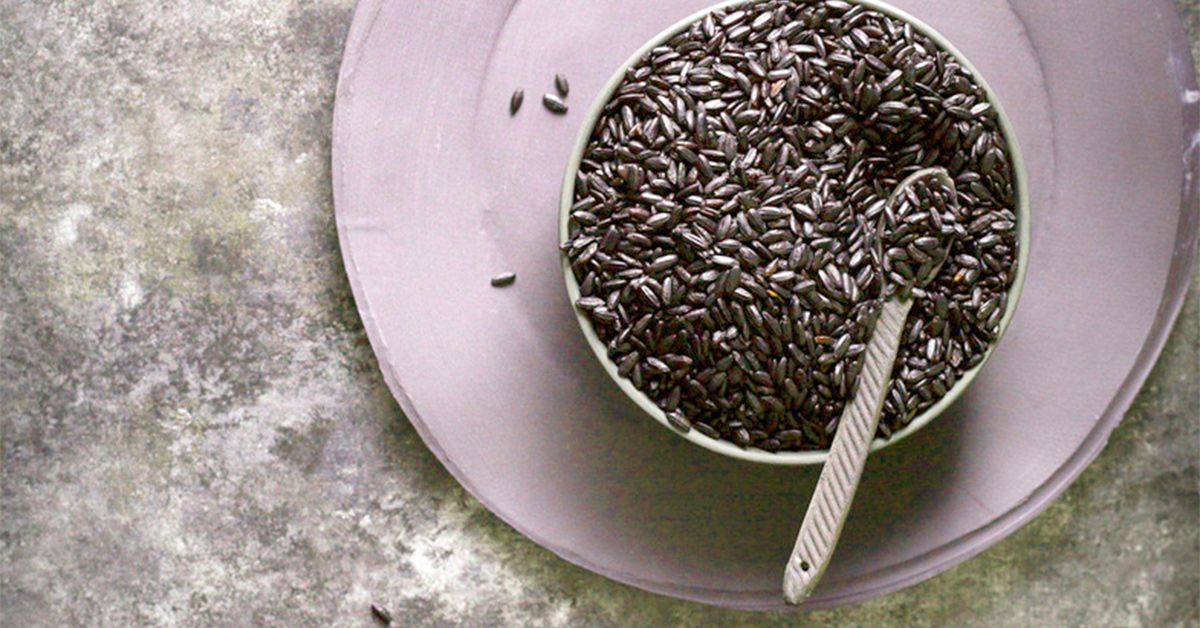
Black rice has a PR problem. It looks like it should be used to summon a dragon, stain your favorite cutting board, and scare your children away from dinner. And yetonce you cook itit turns a gorgeous deep purple, tastes nutty and slightly sweet, and behaves like the overachiever of the rice world. If white rice is the reliable sedan of your pantry, black rice is the sporty hybrid with a killer sound system and surprisingly good mileage.
Often called “forbidden rice,” black rice is a whole grain with its bran layer intactmeaning it keeps more of the fiber, minerals, and plant compounds that refined rice loses. The real headline, though, is its natural pigment: anthocyanins (the same antioxidant family that gives blueberries and purple sweet potatoes their color). Translation: black rice isn’t just a pretty plate trickit’s a legit upgrade for both nutrition and flavor.
Quick snapshot: what makes black rice different?
- Whole-grain structure: More fiber and a slower-digesting carb profile than refined white rice.
- Deep color = plant compounds: Anthocyanins live mostly in the bran, which is why color matters here.
- Texture that holds up: Chewy, hearty, and less likely to turn into a sad mush puddle in meal prep.
Before we get into the fun list, one practical note: rice can contain arsenic from the environment. The good news is you can reduce exposure by varying your grains (rotate quinoa, oats, farro, barley if tolerated, etc.) and using a cooking method that uses excess water and drains it. (More on that in the cooking section.)
How to cook black rice without turning your kitchen into a crime scene
Method A: The “classic pot” (simple and reliable)
- Rinse black rice briefly (to remove dust, not to “wash away arsenic” miracles).
- Combine 1 cup black rice + 2 cups water (or broth) + a pinch of salt.
- Bring to a boil, then reduce to a low simmer, cover, and cook 30–35 minutes.
- Turn off heat and let it steam covered for 5–10 minutes. Fluff and serve.
Method B: The “boil like pasta” trick (great for meal prep)
- Boil a pot of water, salt it lightly.
- Add black rice and simmer until tender (often 35–40 minutes).
- Drain well. Spread on a plate to steam-dry so it doesn’t clump.
Flavor upgrade that takes 60 seconds
Toast the dry rice in a pot with a teaspoon of oil until it smells nutty (about 1–2 minutes), then add liquid and cook as usual. It’s a tiny step that makes black rice taste like it got a promotion.
11 Surprising Benefits and Uses of Black Rice
Below, each benefit comes with at least one genuinely useful way to put black rice to workbecause “eat it because it’s healthy” is not a dinner plan.
1) It’s an antioxidant flex (and not the fake kind)
Black rice is especially rich in anthocyaninsplant pigments studied for antioxidant and anti-inflammatory activity. While no single food is a magical shield, diets rich in colorful plant foods are consistently linked with better long-term health markers. Black rice earns its “superfood” nickname mostly because it’s a grain that brings berry-like pigments to the table.
Use it like this
- Antioxidant grain bowl: black rice + roasted sweet potatoes + spinach + salmon/tofu + lemon-tahini sauce.
- Color pop salad base: toss cooled black rice with cucumbers, herbs, feta, and a bright vinaigrette.
2) It’s a heart-friendly swap that doesn’t taste like punishment
Whole grains support cardiovascular health largely because they deliver fiber and a “package deal” of nutrients and phytochemicals. Replacing refined grains with whole grains is a simple, high-impact moveespecially if you’re trying to improve overall dietary quality. Black rice is a satisfying way to do that without feeling like you’re eating “diet food.”
Use it like this
- Pilaf mode: cook black rice in broth with garlic and bay leaf; finish with toasted nuts and parsley.
- “Fancy side dish” effect: serve it under grilled chicken or shrimp with citrus and herbs.
3) It can help steady the blood sugar rollercoaster
Compared with refined white rice, whole grains generally digest more slowly thanks to intact bran and fiber. That slower pace can help smooth post-meal blood sugar spikesespecially when you pair the grain with protein, healthy fats, and vegetables. Black rice isn’t “low-carb,” but it’s a smarter carb.
Use it like this
- Balanced plate formula: half non-starchy veggies + a palm of protein + a fist of black rice.
- Stir-fry partner: use black rice under a vegetable-heavy stir-fry to keep portions sane and satisfaction high.
4) It feeds your gut microbes (and your future self will appreciate that)
Fiber is basically your gut microbiome’s favorite subscription service. Whole grains provide fermentable fibers that help support a healthier gut ecosystem. Bonus: cooked-and-cooled starches can develop more resistant starch, which behaves a bit like fiber and may be gentler on blood sugar response.
Use it like this
- Meal-prep grain salad: cook black rice, cool it, then mix with chickpeas, chopped veggies, and olive oil + vinegar.
- Breakfast bowl: warm leftover black rice with cinnamon, Greek yogurt, and berries.
5) It’s surprisingly helpful for satiety (a.k.a. “why am I hungry again?” prevention)
If you’ve ever eaten a white-rice-heavy meal and felt hungry again approximately seven minutes later, you’ve met the satiety problem. Fiber and chewy texture help you feel fuller longer, and black rice brings both. It’s a small shift that can make your meals feel more substantial.
Use it like this
- Burrito bowl upgrade: black rice + black beans + pico + avocado + lettuce + your protein of choice.
- Stuffed veggies: mix black rice with turkey or lentils and stuff peppers or zucchini boats.
6) It’s a sneaky way to boost iron and mineralsespecially in plant-forward diets
Black rice contributes minerals like iron and also provides some protein for a grain. Is it a complete nutrition plan by itself? No. But if you’re leaning more plant-based, small upgrades add up: swap refined grains for whole grains, and suddenly your bowl has more nutritional “stuff” without extra mental effort.
Use it like this
- Iron-friendly combo: pair black rice with vitamin C foods (bell peppers, citrus, tomatoes) to support iron absorption from plant sources.
- Protein assist: combine with edamame, tofu, or beans for a more complete meal.
7) It may support a healthier inflammation response (with realistic expectations)
Chronic inflammation is complicated, but diet matters. Anthocyanin-rich foods are studied for anti-inflammatory potential, and whole grains are often associated with healthier inflammatory markers in overall dietary patterns. Black rice isn’t a curebut it’s a solid “supporting actor” in an anti-inflammatory style of eating.
Use it like this
- Mediterranean-ish bowl: black rice + olive oil + tomatoes + cucumber + olives + fish or chickpeas.
- Spice synergy: cook it with turmeric, ginger, or garlic for extra flavor and phytochemical variety.
8) It’s naturally gluten-free, but still feels like real food
For people avoiding gluten, it can be hard to find carbs that feel hearty and satisfying without relying on ultra-processed substitutes. Black rice is a naturally gluten-free whole grain option that works in everything from bowls to salads to breakfast porridge. (If you have celiac disease, always check for cross-contamination depending on the brand and facility.)
Use it like this
- Swap for pasta salad: use black rice as the base, add veggies, cheese, herbs, and a vinaigrette.
- Comfort-food porridge: simmer longer with more liquid until creamy; top with fruit and nuts.
9) It’s a meal-prep champion that won’t turn sad by day three
Some grains go from “perfect” to “glue” after one night in the fridge. Black rice tends to hold its chewy texture and still tastes good cold, which makes it ideal for lunches and batch cooking. If you like cooking once and eating four times, black rice is your new best friend.
Use it like this
- Batch-and-build: cook a big pot; use it in bowls, salads, and stir-fries throughout the week.
- Freezer-friendly: portion cooked black rice into containers and freeze for quick sides.
10) It’s a chef-level “wow” ingredient for surprisingly simple dishes
Let’s be honest: sometimes you want dinner to look like you tried harder than you did. Black rice does that. Its dramatic color makes basic meals look restaurant-y, and its nutty flavor pairs well with bold ingredientscitrus, herbs, roasted vegetables, mushrooms, sesame, and coconut.
Use it like this
- Sushi-adjacent at home: use black rice under sliced avocado, cucumber, smoked salmon, and a drizzle of soy-sesame sauce.
- Mushroom moment: black rice + sautéed mushrooms + miso + scallions = weeknight luxury.
11) It doubles as a dessert ingredient that practically styles itself
Black rice turns deep purple when cooked and plays extremely well with coconut milk, vanilla, cinnamon, and fruit. It can be the base for puddings, breakfast bowls, and desserts that feel indulgent but still bring fiber and whole-grain structure to the party. Yes, dessert can have a résumé.
Use it like this
- Coconut black rice pudding: simmer cooked black rice with coconut milk, a little sweetener, and a pinch of salt; top with mango.
- “Breakfast dessert” bowl: warm black rice + almond butter + banana + cocoa powder + chopped nuts.
Smart tips: buying, storing, and eating black rice like you know what you’re doing
- Look for: “black rice,” “forbidden rice,” or “purple rice.” Some varieties are more aromatic or slightly stickier.
- Store: airtight in a cool pantry; for longer storage, keep it in the fridge/freezer to protect the natural oils in the bran.
- Portion clue: start with 1/2 cup cooked as a base, then build the plate with protein and vegetables.
- Pairing cheat code: black rice loves bright flavors (lemon, lime, vinegar) and rich flavors (miso, sesame, coconut).
Food safety note: what to know about arsenic in rice
Rice can absorb arsenic from water and soil more readily than many other crops. You don’t need to fear ricebut it’s smart to be intentional: rotate your grains, avoid making rice the only daily starch, and consider cooking rice in excess water and draining it to reduce arsenic. Also note that simply rinsing rice has minimal effect on arsenic levels and can wash away some nutrients in certain rice types.
Conclusion: black rice is the rare “healthy” food that’s also a culinary upgrade
Black rice isn’t trendy because a celebrity whispered about it into a smoothie. It’s trendy because it’s legitimately useful: a whole grain with anthocyanins, a chewy texture that survives meal prep, and a color that makes ordinary bowls look like something you’d pay $18 for. Start with a simple swapuse it once where you’d normally use white riceand let the obsession develop naturally.
Experiences: what it’s actually like to add black rice to your routine (about )
The first “experience” most people have with black rice is visual: you open the bag and think, “Did I buy rice or aquarium gravel?” Then you rinse it and watch the water turn inky purple, which is both satisfying and mildly suspicious. This is also the moment you learn an important life lesson: black rice does not respect white countertops, white dish towels, or your favorite wooden spoon. If you’ve ever wanted to feel like a dramatic TV chef, now’s your chance.
Once it’s cooked, the surprise is the texture. Black rice is chewy in a pleasant waymore like a hearty grain than a fluffy pile. That chewiness changes how a meal feels. A bowl with black rice tends to feel more “complete,” even when the ingredients are simple. People who meal prep often notice they’re less tempted to snack right after lunch, because the meal sticks with them. It’s not magic; it’s just the combo of fiber, slower digestion, and the fact that you’re actually chewing something.
Another common experience is realizing black rice is weirdly flexible. The first time you toss it into a salad cold, it doesn’t fall apart. It holds its shape, absorbs dressing without becoming soggy, and makes the whole dish look more intentional. Suddenly, you’re the person bringing “a beautiful grain salad” to a potluck instead of “a container of something beige.” And because it plays well with bold flavors, it’s easy to build a signature bowl you’ll genuinely look forward to: citrus + herbs for freshness, sesame + soy for savory depth, or coconut + fruit for a dessert vibe.
If you cook for a family, you may notice the reactions are split. Some people are instantly into the nutty flavor; others need a familiar pairing (think stir-fry, taco bowls, or a comforting curry) before they buy in. A practical approach is to mix black rice with another grain at firsthalf black rice, half brown riceso the transition feels less “new.” Over time, the color becomes a feature instead of a hurdle. Kids especially tend to enjoy foods that look “different,” as long as the rest of the plate feels safe.
Finally, there’s the “I didn’t expect dessert to work” moment. When black rice meets coconut milk and a little sweetness, it turns lush and purple, like it was designed for a dessert menu. That experience tends to stick, because it reframes black rice as more than a side dish. It becomes a pantry ingredient you can use for breakfast, lunch, dinner, and dessertwithout needing a completely different skill set each time. In other words: black rice is the rare healthy staple that also makes cooking feel more fun, more colorful, and slightly more impressive than it has any right to be.

