
Body Care
What Is a Febrile Seizure or Febrile Convulsion?
Jul
A child has a fever, then suddenly stiffens, shakes, rolls their eyes, or goes limp. For a parent or caregiver, the room can feel as though someone pressed the pause button on reality. A febrile seizurealso called a febrile convulsion or fever seizureis a seizure that happens with a fever in a young child. It is frightening to watch, but the reassuring news is that most febrile seizures are brief, stop on their own, and do not cause lasting harm.
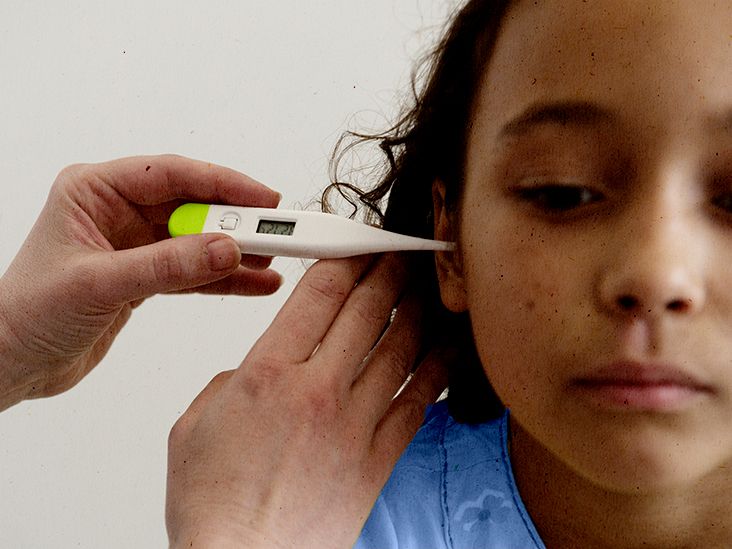
This guide explains what a febrile seizure looks like, how to respond safely, why doctors distinguish “simple” from “complex” episodes, and when urgent care matters. It is designed to help replace panic-driven guesswork with a calm, practical plan. A thermometer is useful, but it is not a crystal balland a fever alone does not tell you how serious an illness is.
What Does “Febrile Seizure” Mean?
Febrile means related to fever. A febrile seizure is abnormal electrical activity in the brain that occurs while a young child has a fever, usually from a common infection. In clinical terms, it generally refers to a seizure in a child about 6 months through 5 years old who has a temperature of at least 100.4°F (38°C), without evidence that a brain or spinal-cord infection, a metabolic problem, or an existing seizure disorder is the cause.
These seizures are not rare. Up to about 5% of young children have one, and they are especially common in toddlers. They can run in families, which helps explain why one child may have a fever and merely demand three popsicles while another has a seizure during a routine virus.
A febrile convulsion can occur early in an illness, sometimes before a caregiver realizes the child is sick. It may happen as the temperature changes quickly, but it can also happen at a fever that does not look dramatically high. In other words, the number on the thermometer is only part of the story.
What Does a Febrile Seizure Look Like?
Many febrile seizures are generalized tonic-clonic seizures, meaning they affect both sides of the body. A child may:
- Become suddenly unresponsive or appear to “zone out” completely.
- Stiffen, then have rhythmic jerking of the arms and legs.
- Roll their eyes, stare, moan, drool, or vomit.
- Have a brief change in breathing or skin color, including bluish lips.
- Lose bladder control.
- Seem sleepy, confused, clingy, or irritable after the shaking stops.
That recovery period is called the postictal period. It can be unnerving, but temporary drowsiness after a short seizure is common. Still, a child who does not begin to recover, has persistent breathing trouble, or seems seriously ill needs emergency help.
Not every strange movement with a fever is a seizure. Shivering, fainting, breath-holding, and some sleep movements can look alarming too. The details matter: what started first, whether one side moved differently, how long it lasted, and how the child behaved afterward. When it is safe, a short video can help clinicians understand what happenedbut never delay first aid to record one.
Simple vs. Complex Febrile Seizures
Doctors use two categories because they guide the evaluation and follow-up. The names are practical labels, not a report card on your child.
Simple febrile seizure
A simple febrile seizure is the most common type. It affects the whole body, lasts less than 15 minutes, and happens only once in a 24-hour period during the illness. Most are far shorter than 15 minutesoften only a minute or two, even though to a terrified parent they can feel roughly the length of a director’s cut.
Complex febrile seizure
A seizure is called complex when it has one or more of these features: it lasts 15 minutes or longer, affects only one part or one side of the body, or happens again within 24 hours. Complex does not automatically mean brain damage or epilepsy. It does mean the medical team may look more carefully at the child’s examination, the illness causing the fever, and the need for further observation or testing.
Why Do Febrile Seizures Happen?
The exact reason is not fully understood. Young brains are still developing and may be more sensitive to the physiologic changes that accompany fever. Genetics appear to play a role, since febrile seizures often occur in families. The infection causing the fevernot the fever as a moral failure of parentingis usually the trigger.
Common fever-producing illnesses include viral colds, influenza, roseola, ear infections, respiratory infections, and stomach bugs. A child can have a febrile seizure before the fever becomes obvious. That is why “But they were fine at breakfast!” is a very common and entirely believable sentence in the emergency department.
Vaccines can occasionally cause a fever, and fever can rarely be associated with a febrile seizure after vaccination. This is a fever response, not evidence that vaccines cause epilepsy. Recommended vaccines also prevent illnesses, such as influenza and measles, that can cause fevers and febrile seizures. Discuss any previous seizure with your child’s pediatrician so vaccine questions can be addressed with context rather than internet megaphones.
What to Do During a Febrile Seizure: Calm, Safe First Aid
Your job is not to stop the shaking with superhero reflexes. Your job is to prevent injury, protect breathing, and get help when needed.
- Look at the clock. Note the time the seizure starts. Duration is one of the most useful details for emergency clinicians.
- Put the child in a safe position. Lay them on the floor or another flat, safe surface. Move hard, sharp, or hot objects away.
- Turn them on their side if you can do so gently. This helps saliva or vomit drain. Do not force the position or struggle against movements.
- Loosen tight clothing around the neck. Do not attempt a cold bath, ice bath, or vigorous cooling while the seizure is happening.
- Do not restrain them. Holding a child down can cause injury and does not end the seizure.
- Do not put anything in their mouth. No spoon, fingers, medicine, food, drink, or “something soft.” People do not swallow their tongues, and objects in the mouth can cause choking or injury.
- Stay nearby and watch their breathing. Once the seizure ends, continue to keep them on their side and do not give food, fluids, or oral medicine until they are fully awake and able to swallow safely.
Call 911 or seek emergency help immediately when:
- The seizure lasts more than five minutes or you are not sure when it began.
- The child has trouble breathing, remains blue or gray, or is not waking as expected afterward.
- Another seizure starts soon after the first.
- Movements are limited to one side, or the child has new weakness afterward.
- The child has a stiff neck, a concerning rash, repeated vomiting, severe headache, marked lethargy, or other signs of serious illness.
- You are worried that the child is in immediate danger for any reason.
Even when a seizure ends quickly, contact the child’s clinician promptly. A first seizure deserves medical evaluation so the clinician can assess the child, identify the likely source of fever, and rule out conditions that need different treatment.
What Happens at the Doctor’s Office or Emergency Department?
The priority is not usually a dramatic brain scan. It is a careful evaluation of the child and the fever. Clinicians ask what the seizure looked like, how long it lasted, whether it happened before, what illnesses or medicines are involved, and whether there is a family history of seizures. They check the child’s temperature, hydration, ears, throat, lungs, skin, neck, and neurologic status.
For a well-appearing child who has returned to normal after a simple febrile seizure, routine blood tests, EEGs, and brain imaging are often unnecessary. Testing is tailored to the child’s symptoms and examination. A lumbar puncture, blood work, imaging, or other testing may be considered when clinicians are concerned about meningitis, encephalitis, metabolic problems, a focal neurologic finding, prolonged seizure activity, or a child who is not returning to baseline.
Think of the visit as an investigation into the cause of the fever and the child’s overall conditionnot just a hunt for the word “seizure.” An ear infection, influenza, urinary infection, or other illness may need treatment or specific guidance. In a prolonged seizure, emergency teams may use a rescue medicine to stop it.
Can You Prevent Another Febrile Seizure?
It is understandable to want a foolproof fever-control blueprint after witnessing a seizure. Unfortunately, febrile seizures are not reliably prevented by giving acetaminophen or ibuprofen. These medicines can improve comfort when used at the correct dose for the child, but they do not guarantee that a fever-related seizure will not happen.
Use fever medicine only as directed by your child’s clinician or the label, based on the child’s age and weight. Never give aspirin to children or teenagers with a viral illness unless a clinician specifically tells you to do so. Focus on comfort, fluids when the child can drink, appropriate clothing, and observationnot on chasing every decimal point of the temperature.
Daily anti-seizure medication is not routinely used after a simple febrile seizure because the usual prognosis is good and medicines can have meaningful side effects. Some children with prolonged or recurrent episodes may receive an individualized emergency plan, including a prescribed rescue medicine. That plan should come from the child’s clinician and include exactly when and how to use it.
Will a Febrile Seizure Cause Epilepsy or Brain Damage?
For most children with a simple febrile seizure, the long-term outlook is excellent. Simple febrile seizures do not cause brain damage, learning problems, paralysis, or epilepsy. Many children never have another event, and most outgrow the tendency by school age.
About one in three children who has a febrile seizure will have another one during childhood. Recurrence is more likely when the first episode happens at a younger age, when febrile seizures run in close relatives, or when the seizure occurs soon after a fever begins. That possibility is stressful, but recurrence is not the same as epilepsy.
The chance of later epilepsy is still low overall, though it is higher for children with complex features, developmental concerns, a family history of epilepsy, or seizures without fever. Your child’s pediatrician or a pediatric neurologist can explain what the specific pattern means for your child. One frightening event is not a fortune-teller.
Questions to Ask Before You Leave the Appointment
- What do you think caused the fever?
- Was the episode simple or complex, and why?
- What symptoms should make us call 911 or return to the emergency department?
- When can the child return to daycare or school?
- Should we have a written seizure action plan or rescue medicine?
- Does our child need follow-up with pediatric neurology?
Write the answers down. Stress has a very efficient way of deleting details from memory. A short plan on the refrigerator can be more useful at 2 a.m. than a browser history full of alarming search results.
Experience: What Families Commonly Describe After a Febrile Seizure
The following is a composite, education-focused account based on common caregiver concerns and clinical patterns; it is not a description of one child or a substitute for personal medical care.
Many parents describe the first febrile seizure as the scariest minute of their lives. The child may have seemed only mildly unwell earlier in the daywarm cheeks, less appetite, perhaps a nap that ran longer than usual. Then the child stiffens or starts shaking, does not answer when called, and suddenly the adults in the room feel as if every first-aid lesson has vanished behind a locked door.
In that moment, parents often do two things very well without realizing it: they stay with the child, and they call for help. The details that later become useful are simple ones: “It started at 2:14,” “both arms were moving,” “there was vomiting,” or “she was sleepy afterward but recognized me.” Those observations help the medical team far more than a perfect description of a seizure ever could.
At the hospital or clinic, families are sometimes surprised by how normal the child can look after the event. A toddler who was limp and unresponsive may be crying for crackers or protesting a blood-pressure cuff with Olympic-level determination. That quick return toward normal is often reassuring, but clinicians still need to examine the child carefully and look for the illness behind the fever.
The emotional aftershock can last longer than the seizure. Parents may sleep lightly for days, repeatedly touch foreheads, or become convinced that every twitch during sleep is a warning. Grandparents may suggest old-fashioned remedies; group chats may produce confident but conflicting advice; online searches may turn a two-minute event into an all-night panic spiral. A useful reset is to make a short action plan with the child’s clinician: where to place the child, when to time the episode, when to call 911, and which symptoms deserve urgent evaluation.
Families who experience a second febrile seizure often say it is still frightening, but the fear is less paralyzing because the steps are familiar. They clear the space, turn the child safely on their side when possible, watch the clock, and avoid putting anything in the mouth. They also learn that treating fever is about comfort and hydration, not trying to win a wrestling match against the thermometer.
For daycare staff, babysitters, and relatives, a brief written plan can be especially calming. It should include the parent’s contact information, the pediatrician’s number, emergency instructions, and whether the child has prescribed rescue medicine. Sharing the plan is not “making a big deal” of the situation. It is what helps adults respond calmly if another fever arrives at an inconvenient timewhich, because children have a sense of scheduling humor, is usually when you have finally put away the laundry.
With time, many families regain confidence. They learn the difference between being watchful and living on high alert. They keep follow-up appointments, ask questions, and let the child return to ordinary childhood activities once the illness has passed. The memory of the event may remain vivid, but for most children, it becomes a frightening chapternot the whole story.
SEO Metadata
Medical facts were cross-checked against U.S. pediatric and public-health guidance.

