
Hair Care
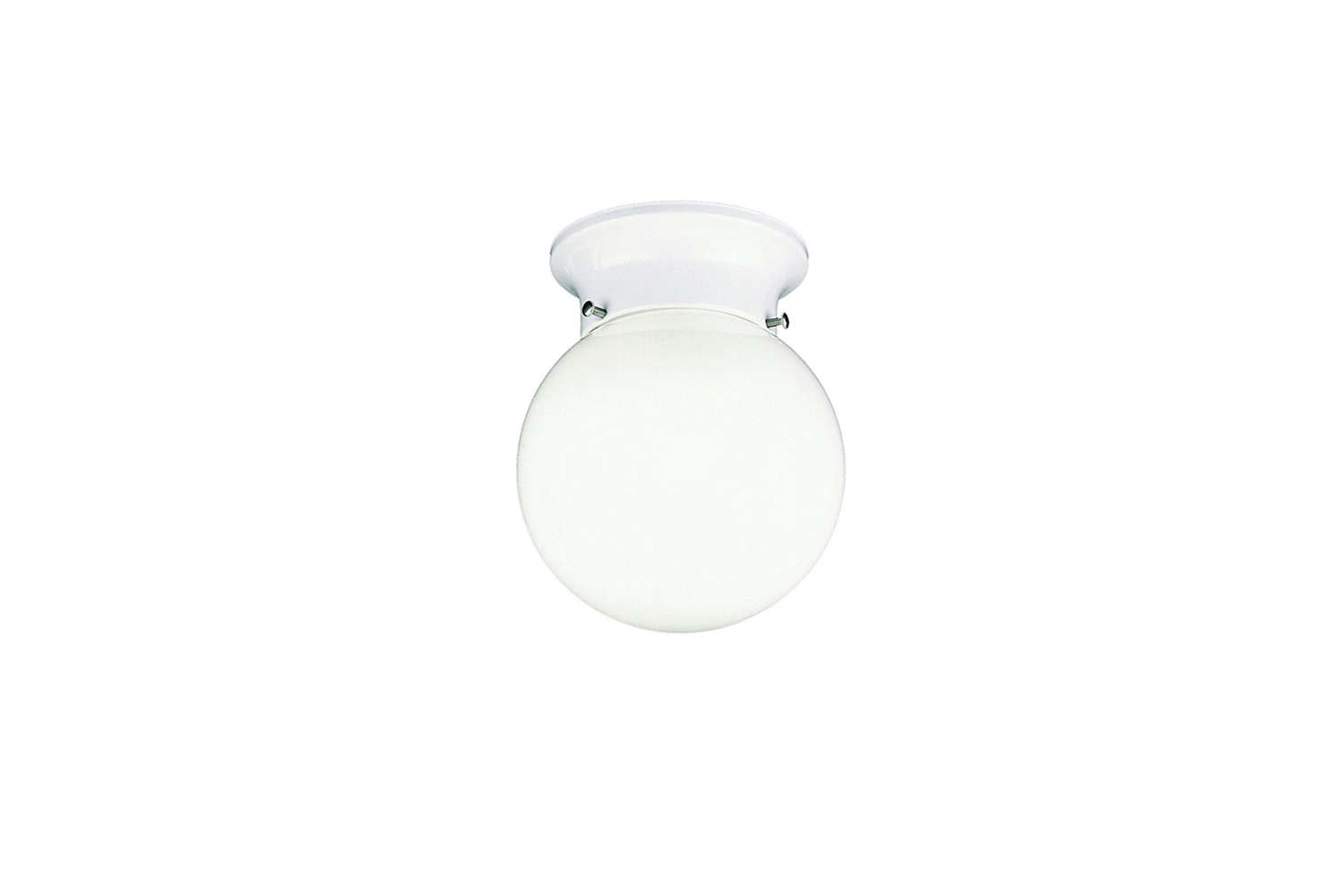
Thomas Lighting Ceiling Essentials Ceiling Light
Jul
A ceiling light rarely gets the dramatic attention given to a chandelier or a sculptural pendant. Nobody gathers guests beneath a flush-mount fixture and announces, “Please admire tly improve an entire room. It makes the hallway safer, the bedroom more comfortable, and the laundry room less likely to swallow a missing sock.
The Thomas Lighting Ceiling Essentials Ceiling Light belongs to this practical category. The collection was designed around familiar shapes, compact profiles, versatile finishes, and straightforward illumination. Rather than trying to become the room’s main attraction, these fixtures are intended to provide dependable overhead lighting without demanding excessive ceiling height, installation effort, or decorating gymnastics.
Several models have appeared under the Ceiling Essentials name, so dimensions, finishes, bulb counts, and shade designs may differ. One commonly listed example is the Thomas Lighting SL878215, a traditional two-light flush mount with an oil-rubbed bronze finish, etched glass, and an approximately 13.25-inch-wide body. Other Ceiling Essentials fixtures include smaller single-light models, larger LED-compatible designs, and white or brushed-nickel options.
This guide examines what the collection offers, where it works best, what to check before buying, and what homeowners can realistically expect after installation.
What Is the Thomas Lighting Ceiling Essentials Collection?
Ceiling Essentials is a family of close-to-ceiling fixtures associated with Thomas Lighting, a long-established residential lighting name. The Thomas Lighting brand was acquired by ELK Group International from Philips Lighting in 2016, strengthening ELK’s selection of value-oriented products for homeowners, builders, and remodeling projects.
The collection generally favors traditional or transitional styling. Most designs use a metal base combined with a glass diffuser that softens the bulb’s glare. Depending on the specific model, finishes may include textured white, brushed nickel, satin pewter, or oil-rubbed bronze.
The word “essentials” is accurate. These lights are not loaded with motion sensors, color-changing party modes, voice assistants, or an app that asks to update itself while you are carrying groceries. They focus on the fundamentals:
- Compact flush-mount construction
- Broad general illumination
- Familiar household bulb compatibility on many models
- Neutral finishes that coordinate with common hardware
- Simple glass shades that diffuse overhead light
- Practical sizing for bedrooms, halls, closets, and utility spaces
Design and Appearance
A Low-Profile Shape for Everyday Rooms
A flush-mount light sits close to the ceiling rather than hanging from a chain, rod, or cord. This compact form makes the Thomas Lighting Ceiling Essentials Ceiling Light particularly useful in homes with standard eight-foot ceilings. It also reduces the chance of tall residents introducing their foreheads to the fixture.
The shallow shape visually preserves ceiling height and keeps walkways open. That makes it a sensible choice for narrow hallways, small entries, closets, laundry rooms, guest bedrooms, and other spaces where a pendant would feel oversized.
Traditional Details Without Excessive Decoration
Many Ceiling Essentials models have a gently rounded glass shade held against a metal canopy with a central finial. This familiar arrangement works with traditional, farmhouse, transitional, and casual interiors. It is decorative enough to look finished but restrained enough to avoid competing with furniture, wall color, or architectural details.
The oil-rubbed bronze versions bring warmth to rooms with wood furniture, beige walls, bronze cabinet pulls, or darker door hardware. Brushed-nickel models feel lighter and more contemporary, especially when paired with stainless-steel appliances or silver-toned hardware. Textured-white fixtures nearly disappear against a white ceiling, making them useful when the goal is illumination rather than visual emphasis.
Etched Glass and Softer Light
Etched or frosted glass helps distribute light more evenly than a completely clear shade. Instead of looking directly at a bare bulb, occupants see a broader glowing surface. This reduces harsh visual contrast and gives the room a softer, more comfortable atmosphere.
The trade-off is that a diffuser absorbs a small portion of the bulb’s output. Bulb selection therefore matters. A dim bulb behind thick glass may create an unexpectedly moody closet, which is charming only when you are not trying to distinguish a navy shirt from a black one.
Common Specifications and Model Differences
There is no single specification sheet that applies to every Ceiling Essentials fixture. Buyers should identify the exact model number before purchasing replacement glass, selecting bulbs, or planning installation.
For example, the frequently indexed SL878215 model is described as an oil-rubbed bronze, two-light flush mount measuring approximately 13.25 inches wide and 5.5 inches high. It uses a steel body and etched glass in a traditional close-to-ceiling design.
Another model, SL868218, is commonly listed as a textured-white two-light fixture approximately 14 inches wide and 6 inches high. Smaller models in the family may measure around 5.5 or 7.5 inches and use one bulb, while larger fixtures can reach approximately 15 inches in diameter.
Some later Ceiling Essentials listings are described as dimmable, UL certified, and compatible with LED bulbs. However, these features should be confirmed on the individual product label or manual rather than assumed for every older Thomas Lighting fixture.
What to Verify Before Ordering
- The complete model number
- Fixture width and height
- Number of bulb sockets
- Socket or bulb-base type
- Maximum permitted wattage
- Dry-location or damp-location rating
- LED and dimmer compatibility
- Included mounting hardware
- Condition and return policy if buying discontinued stock
This verification is especially important when shopping through resale marketplaces. Thomas Lighting products are sometimes offered as new old stock, open-box inventory, or discontinued merchandise. A low price can be appealing, but only when the glass, mounting bracket, finial, screws, and instructions are actually inside the box.
Where This Ceiling Light Works Best
Hallways and Entry Areas
Hallways need clear, even illumination without dangling fixtures that make the passage feel crowded. A medium-size Thomas Lighting flush mount can brighten the floor, doorways, and surrounding walls while maintaining a tidy profile.
In a long hallway, one fixture may not be enough. Multiple fixtures spaced along the ceiling often provide better uniformity than one extremely bright light in the center. Otherwise, the middle of the hallway resembles a stage while both ends remain mysterious.
Bedrooms
The diffused glass shade is well suited to general bedroom lighting. A warm-white LED bulb can create a relaxed atmosphere, while bedside lamps provide focused reading light. This layered approach is usually more comfortable than asking one ceiling fixture to perform every lighting job.
For bedrooms, bulbs around 2700K to 3000K generally produce a warm appearance. A compatible dimmer can add flexibility, although both the bulbs and the dimmer must be designed to work together.
Closets and Dressing Areas
A smaller Ceiling Essentials model can be practical in a walk-in closet or dressing area, provided the fixture’s location and clearances meet applicable electrical and building requirements. Choose a bulb with strong color rendering so clothing colors look accurate.
Brightness is also important. A decorative warm glow is pleasant in a dining room, but closets benefit from crisp visibility. Look at lumen output rather than relying only on the traditional wattage comparison printed on the bulb package.
Laundry and Utility Rooms
These fixtures make sense in hardworking spaces where reliability matters more than visual drama. A bright LED bulb can help with stain inspection, sorting, folding, and locating the tiny object that has been rattling in the dryer for three weeks.
For utility areas, a neutral-white color temperature around 3000K to 4000K can provide a cleaner, more task-friendly appearance than very warm light.
Kitchens
A Ceiling Essentials flush mount may provide useful ambient lighting in a compact kitchen, breakfast nook, or pantry. It should not be the only source of task lighting over countertops, sinks, and food-preparation areas. Under-cabinet fixtures or dedicated task lights can fill shadows that a central ceiling light cannot eliminate.
Choosing the Right Bulbs
Many traditional Thomas Lighting ceiling fixtures use replaceable medium-base bulbs. This gives homeowners more control over brightness, color temperature, efficiency, and replacement cost than an integrated LED fixture.
LED Bulbs Are Usually the Practical Choice
Modern LED bulbs use substantially less electricity and typically last much longer than comparable incandescent bulbs. They also produce less heat, which is useful inside an enclosed glass ceiling fixture.
That does not mean every LED bulb is suitable. Select a bulb labeled for enclosed fixtures when the glass shade limits airflow. Using an unsuitable LED in a confined housing can shorten the life of its electronic components.
Stay Within the Fixture’s Maximum Wattage
The wattage printed on the fixture is a safety limit, not a personal challenge. Never install a bulb that exceeds the manufacturer’s maximum permitted wattage. Older labels may state limits based on incandescent bulbs, but the instruction remains important even when switching to LEDs.
Use Lumens to Compare Brightness
Watts measure energy consumption, while lumens describe visible light output. When selecting LEDs, compare lumens rather than assuming every bulb marketed as a “60-watt replacement” will look identical behind the fixture’s glass.
A two-light fixture offers useful flexibility. Two moderate-output bulbs can create more even illumination than one extremely bright bulb. They also spread light across a larger portion of the diffuser.
Select an Appropriate Color Temperature
- 2700K: Warm, relaxed light for bedrooms and traditional interiors
- 3000K: Warm but slightly cleaner light for hallways and multipurpose rooms
- 3500K: Balanced light for kitchens, closets, and laundry rooms
- 4000K: Crisp task-oriented light for utility spaces
Avoid mixing noticeably different color temperatures in the same fixture. One warm bulb and one cool bulb can make the shade appear as though it is having an argument with itself.
Installation Considerations
A typical flush-mount installation involves attaching a mounting strap to an approved ceiling box, connecting the fixture wires, securing the canopy, installing the bulbs, and fastening the glass shade. Exact steps vary by model, box type, and local electrical requirements.
Turn off power at the circuit breaker before beginning, confirm that the circuit is de-energized with an appropriate tester, and follow the manufacturer’s instructions. Do not rely only on the wall switch. Labels can be wrong, circuits can be shared, and electricity is famously uninterested in optimism.
The ceiling box must be properly secured and suitable for the fixture’s weight. Electrical connections should remain inside the box, and the grounding conductor must be connected as directed. If the wiring is damaged, unusually old, aluminum, ungrounded, or difficult to identify, hiring a licensed electrician is the responsible choice.
Professional help is also advisable when there is no existing ceiling box, when the breaker continues to trip, when scorch marks are visible, or when the new fixture is substantially heavier than the previous one.
Cleaning and Maintenance
Routine care is uncomplicated. Switch off the light, allow the bulbs and glass to cool, and support the shade while loosening the finial or retaining hardware. Wash removable glass with mild dish soap and warm water unless the manufacturer specifies another method.
Dry the shade completely before reinstalling it. Moisture trapped around sockets or electrical components is an unwelcome home-improvement plot twist.
Use a soft cloth on the metal canopy. Abrasive pads and aggressive cleaners may damage painted, plated, or oil-rubbed finishes. While the shade is removed, inspect the sockets, wiring, mounting screws, and glass for discoloration, looseness, or cracking.
Advantages of the Thomas Lighting Ceiling Essentials Light
- Space-conscious profile: Appropriate for standard and lower ceilings
- Versatile styling: Coordinates with many traditional and transitional rooms
- Diffused illumination: Frosted or etched glass reduces direct bulb glare
- Replaceable bulbs: Many models allow easy changes in brightness and color temperature
- Multiple sizes: Options have been produced for compact and medium-size rooms
- Familiar installation: Conventional construction is recognizable to electricians and experienced DIYers
- Value-oriented design: The collection focuses on useful everyday lighting rather than expensive decorative complexity
Potential Drawbacks
The collection’s simplicity may be a disadvantage for homeowners seeking a bold design statement. These fixtures are visually polite. They illuminate the room, behave themselves, and rarely become the subject of an interior-design magazine cover.
Product availability can also be inconsistent. Some models are discontinued or found mainly through third-party sellers. Replacement glass may be difficult to locate, especially when the model number is missing.
Older fixtures may not include bulbs, smart controls, selectable color temperatures, or integrated LEDs. Dimming performance depends on the bulbs, switch, wiring, and individual fixture rating. The central finial design can also make shade removal slightly awkward because the glass must be supported with one hand while the hardware is loosened with the other.
How to Decide Whether It Is Right for Your Home
The Thomas Lighting Ceiling Essentials Ceiling Light is most appealing when you want a practical, low-profile fixture with traditional styling and replaceable bulbs. It is particularly suitable for modest renovation budgets, rental-property updates, builder-grade replacements, and rooms where a large decorative light would feel unnecessary.
Before buying, measure the existing fixture and ceiling box area. A new canopy that is smaller than the old one may expose unpainted drywall or an outline on the ceiling. Also consider the room’s dimensions. A tiny fixture can look stranded in a large bedroom, while a wide model may dominate a narrow hallway.
Compare the finish with nearby door handles, faucets, cabinet pulls, and furniture. Every metal surface does not have to match perfectly, but repeating a finish at least once or twice helps the room feel intentional.
Experience-Based Notes: What Living With This Style of Light Is Like
The following section is an editorial composite based on common installation and ownership patterns for Thomas Lighting Ceiling Essentials fixtures. It is not presented as a claim of laboratory testing or personal use of every model.
The First Impression
Out of the box, a Ceiling Essentials fixture tends to look straightforward rather than luxurious. The metal canopy is compact, the glass is substantial enough to require careful handling, and the mounting system follows the familiar flush-mount formula. It is the kind of product that makes sense almost immediately. There are no mysterious decorative branches to assemble and no crystal strings waiting to tie themselves into sailor’s knots.
The etched glass often appears plain while sitting on a table. Once installed and illuminated, however, it becomes more attractive. The bulb points are softened, the fixture gains visual depth, and the light spreads across the ceiling instead of glaring downward from exposed sockets.
The Installation Experience
Replacing an existing flush mount with a similarly sized Thomas Lighting model can be a manageable project when the ceiling box and wiring are already in good condition. The most awkward stage is usually not the wiring. It is holding the canopy near the ceiling while aligning screws that appear to move whenever nobody is looking.
A second person can make installation easier by supporting the fixture or passing tools. After the canopy is secure, fitting the glass shade requires patience. The finial should be snug enough to hold the glass safely but not tightened with heroic force. Overtightening can stress or crack the shade.
The visual improvement is most noticeable when replacing a yellowed plastic light, a damaged builder fixture, or an exposed-bulb socket. Even a simple bronze or brushed-nickel model makes the ceiling look more complete.
Day-to-Day Lighting Performance
In a small bedroom or hallway, a two-light version can produce comfortable ambient illumination when paired with appropriate LED bulbs. The glass diffuser removes the sharpness of bare bulbs, making the light easier on the eyes when entering the room at night.
Bulb choice changes the experience dramatically. Warm 2700K LEDs create a cozy bedroom atmosphere, but they may feel too amber in a laundry area. A 3500K bulb makes whites and colors easier to inspect, although it can feel less relaxing. The fixture itself remains neutral; the bulbs determine much of the room’s personality.
A dimmable setup adds convenience in bedrooms and hallways. At full brightness, the fixture handles cleaning, organizing, and getting dressed. At a lower level, it provides enough light to move around without creating the emotional intensity of a supermarket at midnight.
Cleaning and Long-Term Ownership
Dust gradually becomes visible on the glass, particularly when the fixture is illuminated. Cleaning it once or twice a year usually restores the softer, brighter appearance. Removing the shade takes only a few minutes, but supporting the glass throughout the process is essential.
Replaceable LED bulbs are a practical long-term advantage. If a bulb fails or the homeowner decides that the room needs a different color temperature, the entire fixture does not have to be replaced. This flexibility is especially valuable with an older product whose integrated electronic components might otherwise be difficult to service.
The ownership experience is ultimately quiet and predictable. That may sound like faint praise, but predictability is a virtue in household lighting. A ceiling fixture should turn on, distribute light, coordinate with the room, and avoid becoming a weekend repair project. The Thomas Lighting Ceiling Essentials collection was built largely around that sensible goal.
Final Verdict
The Thomas Lighting Ceiling Essentials Ceiling Light is a practical choice for homeowners who value a compact profile, diffused illumination, replaceable bulbs, and uncomplicated traditional design. It works especially well in bedrooms, hallways, closets, laundry rooms, entries, and other spaces that need dependable overhead light rather than a dramatic centerpiece.
Its greatest strengths are versatility and simplicity. Its main limitations are inconsistent availability, model-specific specifications, and styling that may feel too conservative for highly contemporary interiors. Buyers should confirm the exact model number, dimensions, location rating, bulb requirements, and included hardware before ordering.
Choose the correct size and pair it with quality LED bulbs, and this modest ceiling fixture can perform its job for years without demanding attention. In a world full of smart devices sending notifications about absolutely everything, a light that simply lights the room can feel refreshingly intelligent.
Note: Product specifications vary across the Thomas Lighting Ceiling Essentials collection. Confirm all dimensions, electrical ratings, location approvals, and bulb requirements on the individual fixture label or manufacturer documentation before purchase or installation.

