
Skincare
Welsh Coast: Traditional Wool Blankets in Unexpected Palettes from Melin Tregwynt
Aug
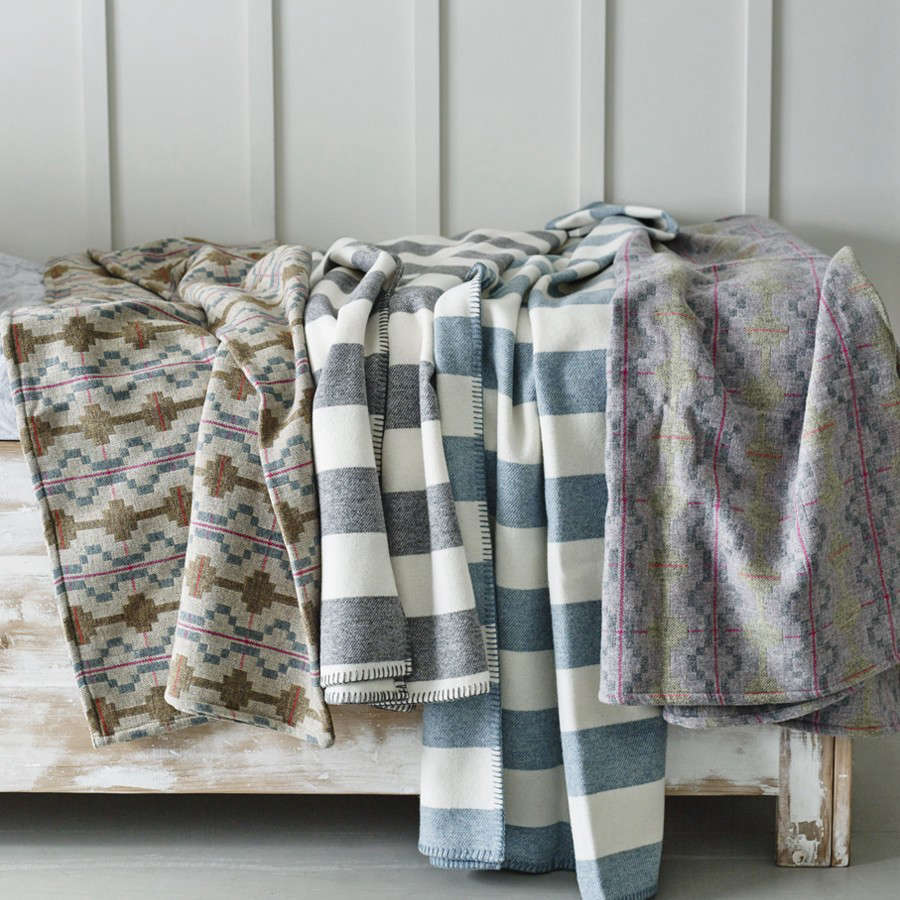
Some home objects whisper. Others clear their throat, enter the room wearing excellent shoes, and politely demand a better sofa. A Melin Tregwynt Welsh wool blanket belongs to the second group. Woven on the Pembrokeshire coast in Wales, these traditional wool blankets carry the soul of a centuries-old craft while showing up in color palettes that feel surprisingly modern: rust and topaz, blue and olive, tomato red, soft neutrals, deep greens, and graphic combinations that somehow look both historic and ready for a design magazine close-up.
The phrase “Welsh wool blanket” may sound like something pulled from a cottage cupboard, folded beside a tin of shortbread and a mildly judgmental teapot. But Melin Tregwynt proves that heritage does not have to look sleepy. Its blankets are rooted in Welsh tapestry weaving, especially reversible double-cloth patterns, yet the colors often feel fresh enough for a Brooklyn loft, a California bungalow, a minimalist bedroom, or a cabin where the Wi-Fi is weak but the taste level is strong.
This article explores why Melin Tregwynt blankets have become beloved by design lovers, how their Welsh coast origin shapes their identity, what makes their patterns special, and how to style traditional wool blankets in unexpected palettes without making your living room look like a museum gift shop had an emotional breakthrough.
The Story Behind Melin Tregwynt: A Mill with Weather in Its Bones
Melin Tregwynt is not a brand invented in a conference room after someone said, “What if heritage, but make it Instagram?” The mill sits in a remote wooded valley near the Pembrokeshire coast, where wool, weather, craft, and local life have long been woven together. A mill has stood on the site for centuries, with local farmers historically bringing fleeces to be processed into yarn and woven into practical Welsh wool blankets.
The current identity of Melin Tregwynt is closely tied to the Griffiths family, who owned the business for generations after the family company began there in 1912. In 2022, the company became an employee-owned trust, a move designed to protect skills, jobs, and the mill’s legacy. That detail matters. In a world where “handcrafted” can sometimes mean “mass-produced but photographed next to a fern,” Melin Tregwynt remains connected to real people, real machines, and real regional knowledge.
The result is a textile brand that feels honest. Its blankets are not merely decorative accessories; they are working pieces of domestic design. They warm the bed, sharpen the sofa, soften a reading chair, and add character without shouting, “I hired a stylist and now nobody is allowed to sit here.”
What Makes Welsh Tapestry Blankets Different?
Reversible Design with Double the Personality
One of the defining features of traditional Welsh tapestry blankets is the double-cloth weaving technique. In simple terms, two layers of fabric are woven together, creating intricate geometric patterns that appear on both sides. This makes many Welsh blankets reversible, so one side may look bolder while the reverse offers a quieter version of the same design.
That reversibility is not just clever; it is genuinely useful. Flip the blanket and the room changes. A bright patterned side can energize a neutral sofa, while the softer reverse can calm things down when your decor has had too much coffee. This two-in-one quality is one reason Melin Tregwynt blankets work especially well in modern homes where flexibility matters.
Patterns That Feel Ancient and Modern at Once
Welsh tapestry designs often use strong repetition, stepped geometry, diamonds, checks, stripes, and interlocking motifs. These patterns have a rhythm that feels architectural. They can sit beside midcentury furniture, rustic wood, modern ceramics, linen bedding, or even sleek metal lighting without looking out of place.
Melin Tregwynt’s popular designs include archive-inspired weaves such as Knot Garden and Vintage Star, along with other patterns that reinterpret Welsh textile traditions through contemporary color. The magic lies in the balance: the structure is traditional, but the palette can be playful, moody, coastal, earthy, or boldly unexpected.
Unexpected Palettes: Where Heritage Gets a Plot Twist
Traditional wool blankets often bring to mind cream, brown, navy, forest green, and deep red. Those colors are classics for a reason: they work, they age well, and they pair nicely with fireplaces and serious novels. But Melin Tregwynt’s color story goes further. Its blankets can appear in vivid combinations, subtle contemporary tones, and exclusive colorways created with design-led retailers.
One reason these palettes feel so fresh is that they do not abandon tradition; they remix it. A geometric pattern that might once have appeared in restrained rural tones suddenly arrives in rust and topaz, blue and olive, tomato red, smoky gray, blush, copper, or sea-washed hues. The bones of the blanket remain Welsh, but the mood shifts depending on the color.
Rust, Topaz, and Warm Earth Tones
Warm palettes are perfect for rooms that need depth. A rust-and-topaz Welsh wool blanket can make a white bedroom feel less clinical and a gray sofa feel less like it came with a tax form. These tones work beautifully with walnut furniture, terracotta pots, brass lamps, cream walls, and natural fiber rugs.
Blue, Olive, and Coastal Colors
Blue and olive combinations feel especially connected to the Welsh coast. They echo sea, moss, lichen, weathered stone, and those dramatic coastal walks where the wind styles your hair without asking permission. In interiors, these palettes suit navy sofas, pale oak floors, white bedding, stone fireplaces, and rooms that need color but not chaos.
Tomato Red and Graphic Statements
A tomato red Welsh blanket is not shy. It is the textile equivalent of a confident dinner guest who brings excellent wine and knows exactly where to sit. Used sparingly, a red geometric blanket can become the visual anchor of a room. Try it over a leather chair, folded at the foot of a neutral bed, or layered with charcoal and cream cushions.
Why Wool Still Wins in the Modern Home
Wool is one of those materials that keeps quietly outperforming trendier options. It is breathable, naturally insulating, durable, and comfortable in a wide range of temperatures. A good wool blanket is warm without feeling suffocating, structured without being stiff, and practical without looking boring.
Melin Tregwynt offers blankets and throws in different wool types and weights, including lambswool and pure wool options. Lighter lambswool throws are excellent for beds, reading chairs, and shoulder-wrapping during movie nights. Heavier pure wool blankets bring more structure and weight, making them ideal for cold evenings, layered bedding, or adding a substantial decorative accent.
Another advantage is longevity. A quality wool blanket is not a seasonal fling. It can live with you through apartments, houses, redecorations, questionable paint choices, and the decade when everyone briefly considered buying a boucle sofa. Over time, it becomes less like an accessory and more like part of the household cast.
How to Style a Melin Tregwynt Blanket
1. Fold It at the Foot of the Bed
This is the easiest styling move and almost impossible to mess up. Fold the blanket lengthwise and place it across the lower third of the bed. On white bedding, a vivid Welsh tapestry blanket creates a clean, editorial look. On patterned bedding, choose a more restrained colorway so the room does not start arguing with itself.
2. Drape It Over a Sofa
A geometric wool blanket over a sofa adds movement and texture. If your sofa is neutral, go bold. If your sofa already has color, choose a blanket that picks up one existing tone. The goal is harmony, not a textile wrestling match.
3. Use It as a Reading Chair Upgrade
Every good reading chair deserves a blanket. A Melin Tregwynt throw adds warmth and makes even a plain chair look intentional. Add a small side table, a ceramic lamp, and a book you may or may not actually finish. Congratulations: you now have a corner with atmosphere.
4. Layer It with Other Natural Materials
Welsh wool looks especially good with linen, oak, stone, leather, rattan, and handmade ceramics. The graphic pattern keeps rustic materials from feeling too sleepy, while the natural wool texture keeps modern rooms from feeling too polished.
5. Let One Blanket Be the Star
Because Melin Tregwynt blankets often have strong patterns, they work best when allowed to lead. Keep nearby accessories simple. A blanket with a bold Welsh tapestry design does not need six competing pillows, three patterned rugs, and a lamp that looks like it has opinions.
Traditional Craft Meets Contemporary Design
Part of Melin Tregwynt’s appeal is its ability to bridge old and new. The mill preserves historic weaving knowledge while producing pieces that fit effortlessly into contemporary interiors. This is not nostalgia for nostalgia’s sake. It is craft with current relevance.
Modern consumers increasingly want home goods with a story, but they also want those goods to function. A Welsh wool blanket checks both boxes. It is beautiful, useful, and connected to place. It has texture, weight, pattern, and provenance. It is the opposite of disposable decor.
That is why these blankets appear in design-led shops, boutique interiors, and homes where people care about materials. They offer a way to bring heritage into a room without turning the space into a themed cottage. The blanket can sit beside contemporary art, clean-lined furniture, and modern lighting while still carrying the memory of a Welsh mill by the sea.
Buying Tips: Choosing the Right Melin Tregwynt Blanket
Consider the Room’s Existing Palette
Before choosing a colorway, look at what already exists in the room. Do you have warm woods, cool grays, cream walls, navy upholstery, or colorful artwork? A blanket should either echo one of those tones or introduce a controlled contrast. Rust warms up cool rooms. Blue and olive soften pale interiors. Red creates energy. Neutrals add texture without visual noise.
Choose the Right Weight
If you want a blanket mainly for styling and light warmth, lambswool is a lovely choice. If you want something more substantial for cold evenings or layered bedding, a heavier pure wool blanket may be better. Think about how you will actually use it. A beautiful blanket that is always folded in a cupboard is basically a very fancy secret.
Pay Attention to Scale
Large patterns make a strong statement and work well on beds, sofas, and open spaces. Smaller or more tonal patterns can be easier to use in compact rooms. If your space is already visually busy, choose a design with fewer competing colors.
Think Long-Term
A Melin Tregwynt blanket is not a throwaway trend piece. Choose a palette you can imagine living with for years. The best option is usually the one that makes your home feel more like itself, only warmer, sharper, and slightly more interesting.
Care and Everyday Use
Wool does not need constant washing, which is excellent news for anyone who has ever looked at a care label and felt personally attacked. Most wool blankets benefit from regular airing, gentle brushing when needed, and careful spot cleaning. Always follow the specific care instructions for the blanket you buy, especially because different wool weights and finishes may require different handling.
For everyday use, avoid storing wool in damp spaces and keep it folded or draped where air can circulate. If storing long-term, make sure the blanket is clean and dry first. Treat it well and it can last for many years, developing the kind of quiet character that mass-produced synthetics rarely achieve.
Why the Welsh Coast Matters
The phrase “Welsh coast” is not just decorative branding here. Place matters. Pembrokeshire is known for its rugged coastline, changing weather, green valleys, stone buildings, and craft traditions shaped by both practicality and beauty. A wool blanket from this region carries that atmosphere. It feels connected to wind, landscape, shelter, and the human habit of making useful things beautiful.
That connection to place is part of what makes Melin Tregwynt blankets emotionally appealing. They are not anonymous. They come from a specific valley, a specific craft history, and a living mill where traditional skills continue to evolve. In a global marketplace full of lookalike home goods, that specificity is powerful.
Experience: Living with a Welsh Wool Blanket
The first thing you notice about a Melin Tregwynt-style Welsh wool blanket is its presence. Not drama, exactly. More like confidence. It has the kind of texture that makes a room feel finished even if you still have one sad unpacked box in the corner labeled “miscellaneous,” which we all know means “things I refuse to emotionally process.”
In a bedroom, the blanket changes the temperature of the design before it changes the temperature of your toes. Folded across the foot of the bed, it gives plain bedding a sense of intention. White sheets suddenly look crisp instead of unfinished. Beige linen becomes calm rather than bland. A dark wood bed frame feels richer. The room begins to look collected, not decorated in a panic after scrolling for “cozy bedroom ideas” at midnight.
On a sofa, the experience is more casual but just as satisfying. The blanket invites use. It does not feel like one of those precious throws that exists only for guests who are not allowed to touch anything. You can actually wrap up in it during a rainy afternoon, toss it over your knees during a movie, or use it to claim your favorite corner of the couch like a tasteful little flag.
The unexpected palettes are where the fun begins. A rust-toned blanket can make a room feel warmer instantly, especially if the space leans gray or white. A blue and olive combination brings in a coastal feeling without resorting to seashells, anchors, or signs that say “Beach House” in distressed lettering. A bold red or graphic pattern gives the room energy, but because the geometry is rooted in traditional weaving, it feels grounded rather than gimmicky.
There is also something deeply satisfying about owning a textile with a real origin story. You are not just buying “a throw.” You are bringing home a piece connected to Welsh wool traditions, double-cloth weaving, and a working mill near the Pembrokeshire coast. That story gives the object depth. Guests may not know why the room feels more layered, but they will notice that it does.
The best experience comes from letting the blanket move around the house. Use it on the bed in winter, the sofa in spring, a reading chair in fall, or folded over a bench in the entryway when you want the space to look charmingly composed. A good wool blanket should not be trapped in one styling pose forever. It should travel, work, warm, and occasionally rescue a room from looking too polished for its own good.
Over time, a Welsh wool blanket becomes part of daily rituals. Morning coffee under a throw. Evening reading with the corners tucked around your feet. A guest room made instantly more welcoming. A quiet Sunday when the weather outside is doing its best impression of Wales, even if you live nowhere near Pembrokeshire. That is the real beauty of Melin Tregwynt’s work: it brings together craft, color, comfort, and a little coastal poetry without making a fuss.
Conclusion
Melin Tregwynt’s traditional Welsh wool blankets prove that heritage design can feel alive, modern, and surprisingly versatile. Their reversible double-cloth patterns honor Welsh tapestry weaving, while unexpected palettes give them a fresh place in contemporary interiors. Whether styled across a bed, draped over a sofa, or wrapped around your shoulders during a chilly evening, these blankets offer more than warmth. They bring texture, history, color, and character into the home.
For anyone drawn to authentic materials, thoughtful craftsmanship, and design that does not expire when the next trend report arrives, a Melin Tregwynt blanket is a beautiful investment. It is practical enough for everyday life and distinctive enough to transform a room. In other words: cozy, clever, and very well dressed.
Note: This article is written for web publishing in standard American English, based on real information about Melin Tregwynt, Welsh tapestry weaving, wool blanket construction, and contemporary interior styling.

