
Makeup
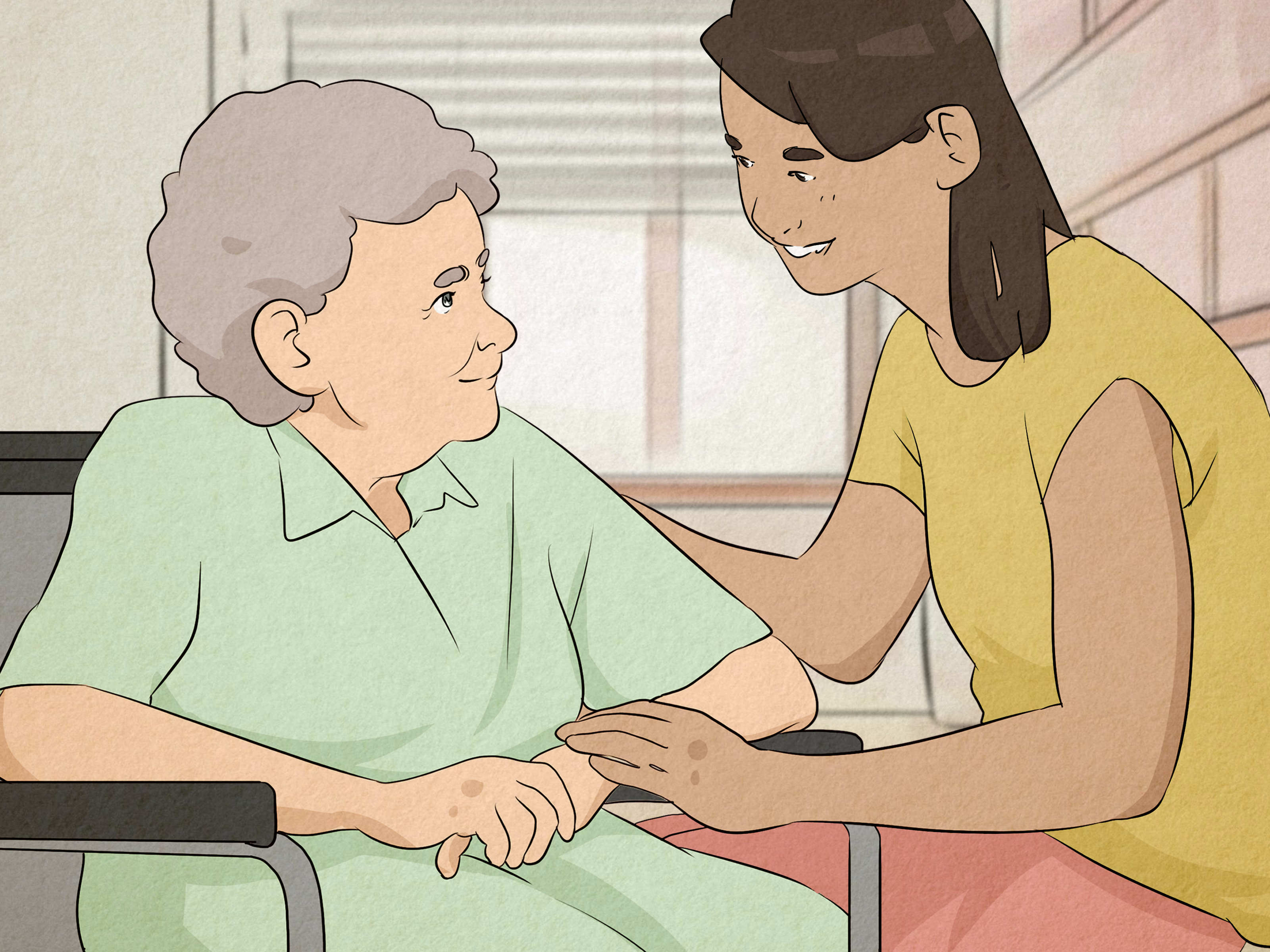
How to Communicate with Older Adults: Talking to Seniors
Aug
Talking with older adults should not feel like decoding ancient scrolls, negotiating a peace treaty, or shouting across a canyon. Yet many people accidentally make conversations harder than they need to be. They talk too fast. They talk over the person. They use babyish language. They assume hearing loss, memory changes, or slower responses mean the person is confused. Then everyone leaves the conversation feeling like they just survived a customer-service phone tree.
Good communication with seniors is simpler, kinder, and much more human than that. It starts with respect. Older adults are adults first. They have histories, opinions, preferences, humor, boundaries, and stories that could fill several streaming-service documentaries. Whether you are speaking with an aging parent, grandparent, neighbor, patient, client, or older friend, the goal is not to “manage” them. The goal is to connect.
This guide explains how to communicate with older adults in a clear, warm, practical way. You will learn how to speak respectfully, listen better, handle sensitive topics, adjust for hearing or memory challenges, and avoid common mistakes that can turn a simple conversation into a family group chat with emotional fireworks.
Why Communication with Older Adults Matters
Communication affects nearly every part of aging: health care decisions, family relationships, safety, independence, emotional well-being, and daily dignity. A senior who feels heard is more likely to share concerns, ask questions, accept help when needed, and stay involved in decisions about their own life.
On the other hand, poor communication can create frustration quickly. If an older adult feels ignored, rushed, corrected, or talked down to, they may shut down or resist future conversations. And honestly, who can blame them? Nobody enjoys being treated like a malfunctioning appliance.
Clear communication is especially important when discussing medications, doctor visits, finances, transportation, living arrangements, memory changes, or caregiving. These topics can feel personal and emotional. The way you begin the conversation often determines whether it becomes a useful discussion or an argument with extra seasoning.
Start with Respect: Speak to Seniors as Adults
The first rule of talking to seniors is simple: do not talk to them like children. Avoid exaggerated sweetness, baby talk, singsong tones, or phrases like “young lady” and “sweetie” unless you already know the person likes that style. Even when meant kindly, this kind of speech can feel patronizing.
Use the person’s preferred name. If you are meeting someone for the first time, ask how they would like to be addressed. Some people prefer “Mr. Johnson” or “Mrs. Rivera.” Others prefer first names. The respectful move is not guessing; it is asking.
Also, speak directly to the older adult, not only to the caregiver, adult child, spouse, or medical professional standing nearby. If the senior is present, they should not be treated like furniture with opinions pending. Even when someone has memory loss, hearing loss, or physical limitations, they deserve to be included in the conversation as much as possible.
Slow Down, But Do Not Overdo It
Speaking clearly does not mean speaking like a robot whose batteries are fading. The goal is to slow down enough for comfort, not to stretch every sentence into a dramatic courtroom confession.
Many older adults appreciate a slightly slower pace, especially when the topic is complex. Pause between ideas. Give the person time to respond. Do not jump in just because there is a moment of silence. A pause is not always confusion. Sometimes it is thinking. Sometimes it is choosing the right words. Sometimes it is deciding whether your idea is brilliant or needs to be gently escorted out of the room.
If you ask a question, wait. Let the answer arrive. Interrupting too quickly can make the person feel pressured or dismissed. This is especially important when discussing health, grief, finances, or major life changes.
Use Plain Language, Not Jargon
Plain language is one of the most powerful tools for communicating with older adults. It is also useful for everyone else, because nobody has ever said, “Please explain this in a more confusing way.”
Instead of saying, “You need to increase your hydration due to potential medication-related dehydration,” say, “This medicine can make you lose more fluid, so it is important to drink enough water.” Instead of saying, “We should explore mobility support options,” try, “Would a cane, walker, or grab bar make moving around easier?”
Plain language does not mean dumbing things down. It means removing clutter. Use short sentences. Explain one idea at a time. Avoid acronyms unless you explain them. When giving instructions, break them into steps. For example:
- “Take this pill with breakfast.”
- “Check your blood pressure in the morning.”
- “Call the clinic if you feel dizzy or short of breath.”
Clear language reduces stress, prevents mistakes, and shows respect for the listener’s time and energy.
Pay Attention to Hearing Challenges
Hearing changes are common with age, but that does not mean every older adult has hearing loss. Do not assume. If the person asks you to repeat yourself, respond naturally and without irritation.
To communicate better with someone who has difficulty hearing, face them directly. Keep your mouth visible. Do not shout from another room, unless your goal is to sound like a haunted house announcement. Move closer, reduce background noise, and speak in a clear, steady voice.
Background noise can sabotage conversation. Televisions, clinking dishes, fans, traffic, and crowded restaurants can make speech harder to understand. If the conversation matters, choose a quieter place. Sit where there is good lighting so the person can see your facial expressions and mouth movements.
Quick Tips for Better Hearing-Friendly Conversations
- Get the person’s attention before speaking.
- Face them directly.
- Lower background noise when possible.
- Speak clearly, not dramatically loudly.
- Repeat or rephrase instead of saying the same thing louder.
- Write down key details when needed.
Support Vision and Reading Needs
Communication is not only spoken. Printed instructions, forms, text messages, appointment notes, menus, and medication labels all matter. If you are writing something for an older adult, make it easy to read.
Use larger font, strong contrast, simple formatting, and enough space between lines. Avoid tiny print that looks like it was designed by a committee of ants. If you are helping with documents, offer to read them aloud, summarize key points, or highlight important dates and phone numbers.
For digital communication, keep messages short and specific. Instead of sending a long paragraph with five questions and a calendar link, send one clear message: “Your appointment is Tuesday at 10:00 a.m. I can pick you up at 9:30. Does that work?”
Listen More Than You Lecture
One of the biggest communication mistakes people make with seniors is turning every conversation into a lecture. “You should do this.” “You need to stop that.” “I already told you.” “Why won’t you listen?” This approach usually works about as well as yelling at a smoke alarm to be less dramatic.
Older adults, like everyone else, want to feel in control of their own lives. When you listen first, you create trust. Ask open-ended questions:
- “How are you feeling about this?”
- “What worries you most?”
- “What would make this easier?”
- “What kind of help would feel useful, not annoying?”
Then listen without preparing your rebuttal. Reflect back what you heard. For example: “It sounds like you are not against help, but you do not want people taking over.” That sentence can open more doors than a dozen arguments.
Avoid Ageist Assumptions
Ageism often sneaks into conversation quietly. It appears when people assume seniors cannot learn technology, do not understand current issues, are automatically lonely, are always fragile, or should be cheerful about every offer of help.
Older adults are not one identical group. A 66-year-old marathon runner, an 82-year-old retired teacher, a 74-year-old caregiver, and a 91-year-old with dementia may have completely different needs. Age alone does not tell you how someone thinks, feels, communicates, or makes decisions.
Instead of assuming, ask. Instead of labeling, describe the actual issue. Rather than saying, “You are too old to drive,” try, “I noticed you had trouble seeing the lane markings at night. Can we talk about safer options for evening trips?” The second version is specific, respectful, and less likely to start World War III in the kitchen.
How to Talk About Sensitive Topics
Some conversations with older adults require extra care. Topics like driving, memory loss, money, hygiene, home safety, medical care, and moving to assisted living can feel threatening. They may touch on independence, identity, privacy, and fear.
Choose the right time. Do not begin a serious conversation when everyone is tired, hungry, rushed, or already irritated. A calm afternoon beats a tense holiday dinner where someone is holding mashed potatoes like evidence.
Start with concern, not accusation. Say, “I care about your safety,” rather than, “You are being stubborn.” Use specific observations, not broad judgments. Say, “I noticed the stove was left on twice this week,” instead of, “You cannot take care of yourself anymore.”
Ask permission when possible: “Would it be okay if we talked about the stairs?” This simple question helps the person feel respected. Even if the topic is serious, the tone does not have to be harsh.
Communicating with Seniors Who Have Memory Changes
Memory changes can make communication more challenging, especially for people living with Alzheimer’s disease or other forms of dementia. The key is patience, simplicity, and emotional awareness.
Use the person’s name. Make eye contact. Keep your tone calm and warm. Ask one question at a time. If the person does not understand, try using different words instead of repeating the same sentence louder. For example, if “Would you like to take your medication now?” does not work, try, “It is time for your morning pill. Would you like water or juice with it?”
For people with dementia, yes-or-no questions may be easier than open-ended questions. Instead of “What do you want for lunch?” ask, “Would you like soup?” or “Would you like a sandwich?” Choices are useful, but too many choices can overwhelm.
Do not argue about facts that are not important. If a person with dementia says they need to go to work, even though they retired years ago, correcting them sharply may cause distress. A better response might be, “You always cared about being on time. Let’s have breakfast first.” You are acknowledging the emotion without turning the conversation into a courtroom battle over the calendar.
Use Body Language That Builds Trust
Nonverbal communication matters. Your posture, facial expression, eye contact, gestures, and tone can say “I am here with you” or “I would rather be trapped in an elevator with a kazoo band.” Seniors notice these signals.
Sit or stand at the same level when possible. Avoid looming over someone seated in a chair or hospital bed. Keep your arms relaxed. Nod to show you are listening. Do not check your phone during the conversation unless it is directly related to the topic, such as looking up an appointment time.
Warmth matters, but personal space matters too. Some older adults welcome a hand on the shoulder or a hug. Others do not. Respect preferences. When in doubt, ask: “Would you like a hug?” Consent is not just polite; it is basic respect.
Include Seniors in Decisions
Older adults should be involved in decisions that affect their lives. That includes medical care, home support, transportation, finances, meals, schedules, and living arrangements. Even when family caregivers are deeply involved, the senior’s voice should remain central.
Instead of saying, “We decided you need help,” try, “Let’s talk about what kind of support would make your days easier.” Instead of, “You are moving,” try, “What would you want in a place if you ever decided this house became too difficult?”
People are more likely to cooperate when they feel respected. Involving seniors in decision-making also helps preserve dignity and independence. The goal is not to win the argument. The goal is to create a plan that works in real life, not just on paper.
Write Down Important Information
When conversations involve appointments, medications, instructions, phone numbers, or decisions, write down the main points. This is helpful for older adults, caregivers, and frankly anyone who has ever walked into another room and forgotten why they entered.
Use a notebook, printed checklist, calendar, whiteboard, or shared digital note. Keep the format simple. For medical instructions, include the medication name, dose, time, purpose, and warning signs that require a call to the doctor.
After explaining something important, use the teach-back method. Ask the person to repeat the plan in their own words: “Just so I know I explained it clearly, can you tell me when you will take this medicine?” This avoids sounding like a test and helps catch confusion early.
Respect Cultural, Personal, and Family Differences
Communication styles vary across families and cultures. Some older adults are direct. Others are private. Some expect family members to be heavily involved. Others value independence so fiercely they would rather wrestle a lawn chair than admit they need help opening a jar.
Ask about preferences. “Would you like your daughter included in this conversation?” “Do you prefer written instructions or a phone call?” “Would you like me to speak more slowly?” These questions show respect and reduce guesswork.
Also remember that older adults may have different experiences with doctors, institutions, technology, money, or authority. Trust may need to be built slowly. Do not mistake caution for stubbornness.
What Not to Say to Older Adults
Even well-meaning comments can land badly. Here are a few phrases to avoid:
- “You are too old for that.”
- “You would not understand.”
- “I already told you.”
- “Calm down.”
- “At your age…”
- “Let me do everything for you.”
- “You are just being difficult.”
Replace them with more respectful language:
- “Let’s go through it together.”
- “What part feels unclear?”
- “I know this is frustrating.”
- “What would help you feel more comfortable?”
- “Would you like help, or would you prefer to try first?”
How to Communicate During Conflict
Conflict happens. Families disagree. Care decisions are emotional. Older adults may resist help. Adult children may feel worried. Caregivers may feel exhausted. Everyone may believe they are the only reasonable person in the room, which is usually the official start of trouble.
When conflict begins, lower the temperature. Speak calmly. Use “I” statements: “I feel worried when I see you climbing the stairs with laundry,” rather than, “You are going to hurt yourself because you never listen.”
Focus on shared goals. Most people want safety, independence, comfort, and dignity. Say, “We both want you to stay at home safely for as long as possible. Let’s figure out what would help.” This frames the conversation as teamwork instead of a power struggle.
If emotions run high, take a break. A pause is not failure. Sometimes the most productive sentence is, “Let’s come back to this after lunch.” Sandwiches have saved more family conversations than they get credit for.
Communication Tips for Caregivers
Caregivers often carry a heavy communication load. They coordinate appointments, explain instructions, manage family updates, answer repeated questions, and sometimes act as translators between medical language and real life.
If you are a caregiver, remember that your tone matters, but so does your energy. Stress can make even loving people sound sharp. Build routines that make communication easier. Use calendars, pill organizers, reminder notes, and written plans. Share updates with other family members so the older adult is not overwhelmed by five separate phone calls asking the same question.
Also, take care of yourself. Caregiver burnout can make patient communication harder. Rest, support groups, respite care, and honest conversations with other family members are not luxuries. They are part of keeping the whole system from running on fumes and coffee.
Examples of Better Conversations with Seniors
Instead of arguing about driving
Try: “I know driving is important to you. I noticed night driving has seemed stressful lately. Would you be open to talking about ways to keep you safe and still help you get where you want to go?”
Instead of criticizing the house
Try: “I noticed the rug near the hallway slips a little. Would it be okay if we moved it or added a non-slip pad so you do not have to worry about tripping?”
Instead of taking over medical visits
Try: “Would you like me to come in with you, or would you rather I wait outside? I can help write down questions either way.”
Instead of correcting repeated questions
Try: “Yes, your appointment is at 2:00. I wrote it on the calendar here, and I will remind you after lunch.”
Technology Can Help, But Keep It Simple
Technology can support communication with older adults, especially when family members live far away. Video calls, shared calendars, medication reminder apps, smart speakers, and text messages can all help. But technology should reduce stress, not create a new hobby called “Why Is This Password Not Working?”
Choose tools that match the person’s comfort level. Teach one feature at a time. Write down steps. Use large icons and simple settings when possible. Avoid making the older adult feel embarrassed for needing help. Everyone has struggled with technology at some point; some of us are just better at pretending the printer is not winning.
For seniors with memory changes, technology should be paired with regular human check-ins. A device can remind someone to take medication, but a caring call can notice confusion, loneliness, or a change in mood.
Experience-Based Advice: What Really Works When Talking to Seniors
In real life, the best conversations with older adults rarely happen because someone used the perfect script. They happen because someone slowed down, paid attention, and treated the older person as a full human being. The practical experience of talking with seniors teaches a lesson that no checklist can fully capture: people remember how your tone made them feel.
One useful approach is to begin with everyday conversation before moving into serious topics. If you walk into a room and immediately say, “We need to talk about your blood pressure, the stairs, and your finances,” the older adult may feel ambushed. Start with connection. Ask about their morning. Comment on the garden. Mention the baseball game, the weather, the neighbor’s noisy dog, or whatever ordinary topic fits the relationship. Small talk is not wasted time. It is the bridge that helps harder conversations cross safely.
Another experience-based lesson is that timing can make or break the conversation. Many older adults have times of day when they feel more alert and relaxed. A morning conversation after breakfast may go beautifully, while the same topic at 8:30 p.m. may feel impossible. If someone is tired, in pain, hungry, anxious, or overstimulated, even simple information can feel like too much. Good communication means noticing the person’s energy, not just delivering your message because it is convenient for you.
It also helps to bring choices, not commands. For example, instead of saying, “You need someone to come clean the house,” try, “Would it help to have someone come once a week for the heavier chores, or would you prefer help with groceries first?” Choices preserve dignity. They remind the older adult that they are still steering the ship, even if someone else is helping with the sails.
Humor can be wonderful when it is kind and shared. A gentle joke can reduce tension, especially when discussing awkward subjects like hearing aids, walkers, or medication routines. But humor should never make the older adult the punchline. Laugh with them, not at them. If the person jokes about their own forgetfulness, you can smile with them, but avoid piling on. Respect is the difference between warmth and insult.
Written reminders are another real-world lifesaver. After a good conversation, people may still forget details. That does not mean the conversation failed. It means life is busy and brains are not filing cabinets. A short written note, a calendar entry, or a simple checklist can prevent repeat confusion. For example: “Tuesday: Dr. Lee at 10:00. Bring insurance card. Maria will drive.” That is better than a long speech nobody remembers.
Finally, the most effective communicators accept that one conversation may not solve everything. Seniors may need time to think, especially about big changes. Pushing too hard can create resistance. Coming back gently, with patience and consistency, often works better. Communication with older adults is not about winning quickly. It is about building trust steadily, one respectful conversation at a time.
Conclusion: Better Communication Begins with Respect
Learning how to communicate with older adults is not about memorizing fancy techniques. It is about combining respect, patience, clarity, and curiosity. Speak to seniors as adults. Slow down without being condescending. Listen before advising. Use plain language. Adapt for hearing, vision, or memory needs. Include older adults in decisions. And when the topic is sensitive, lead with care instead of control.
The best conversations with seniors do more than exchange information. They protect dignity, strengthen relationships, and help older adults feel seen. That matters at every age. After all, if we are lucky, we are all heading toward older adulthood ourselves. We might as well build the communication skills now, before someone tries to explain our smart refrigerator to us in 30 years.
Note: This article is based on widely accepted communication practices from U.S. aging, health literacy, hearing, caregiving, and dementia-care resources, rewritten in original language for educational web publishing.

