
Skincare
Storage: Celebar Spice Jar at Ikea
Jun
Note: Product availability, spelling, and pricing for vintage IKEA items may vary by market and year. The jar discussed here is commonly referenced as the IKEA CELEBER or “Celebar” spice jar in older design and storage write-ups.
The Little Jar That Made Kitchen Storage Look Calm
Some kitchen storage products shout for attention. They spin, stack, flash chrome, promise “life-changing organization,” and somehow still end up hiding the cumin behind three jars of pumpkin pie spice. The Celebar Spice Jar at Ikea took the opposite approach. It was simple, white, compact, and charmingly usefulthe kind of object that looked like it belonged in a quiet Scandinavian kitchen where even the paprika had good posture.
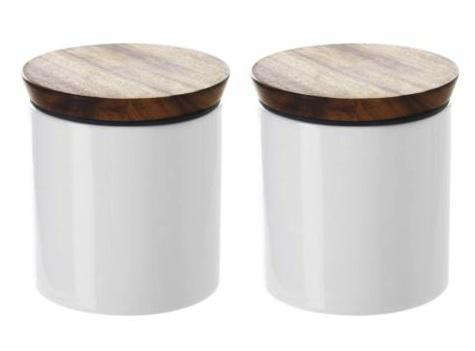
The IKEA Celebar spice jar became a small favorite among design-minded organizers because it did more than hold spices. It looked good doing it. With a smooth white ceramic body, a warm acacia wood lid, and a silicone seal, it offered a soft, natural look that fit neatly into kitchens, bathrooms, craft rooms, desks, and anywhere tiny things gather to start a rebellion.
Although the original Celebar spice jar is not always easy to find today, it remains a useful example of why good storage design matters. A spice jar may seem minor, but in everyday life, minor things are the things we touch constantly. Salt, cinnamon, paper clips, cotton balls, tea leaves, rubber bands, chili flakesthese are not glamorous objects, but give them a good home and suddenly the entire room feels more intentional.
What Was the IKEA Celebar Spice Jar?
The Celebar, often spelled “Celeber” in older IKEA references, was a small storage jar sold by IKEA as part of a broader jar series. The spice jar version was known for its clean white ceramic body and solid wood top. Older product references describe it as made from feldspar porcelain or smooth white ceramic, with an acacia wood lid and a sealing element that helped keep dry contents protected.
Its size made it especially practical. The spice jar was compact enough for cabinet shelves, open shelving, trays, and drawers, yet large enough to hold more than a few teaspoons of seasoning. Some older listings describe the spice jar as around 6 ounces, while design write-ups note that it was sold as a two-pack and measured roughly 4 inches high and 4 inches in diameter. In plain kitchen language: small enough to be cute, big enough to be useful.
That balance is exactly why the jar became memorable. It did not look like a disposable container. It looked like a tiny ceramic canister with manners. The white base kept visual clutter low, while the acacia lid added warmth. The silicone seal made it better suited for dry goods than a purely decorative pot. It was practical, but not boringa rare achievement in the land of kitchen storage.
Why the Celebar Spice Jar Still Feels Relevant
Kitchen organization trends change constantly. One year everyone wants open shelves. The next year, open shelves are accused of being dust museums. But the core principles behind good storage remain the same: items should be easy to find, easy to use, easy to clean, and pleasant enough that you actually want to keep them organized.
The Celebar spice jar checks many of those boxes. Its opaque ceramic body hides the visual chaos of mismatched spice colors, while the lid gives each jar a consistent, finished look. That matters more than people admit. A dozen grocery-store spice containers can make a shelf look busy even when it is technically organized. A row of matching jars, on the other hand, tells your brain, “Relax. We have control of the oregano situation.”
Modern IKEA spice storage has moved toward clear glass jars such as GULDFISK, CITRONHAJ, RAJTAN, and drawer-friendly inserts like UPPDATERA. These are excellent for visibility, refilling, and fast identification. But the Celebar has a different appeal. Instead of showing everything, it simplifies everything. It turns storage into decor without becoming fussy.
Best Uses for the Celebar Spice Jar in the Kitchen
1. Everyday Spices
The obvious use is still the best one: spices. The jar is ideal for seasonings you use often, such as cinnamon, cumin, paprika, garlic powder, chili flakes, turmeric, oregano, or everything bagel seasoning. If your cooking style includes a “just a little more” moment every five minutes, storing your favorite seasonings in attractive jars makes the kitchen feel smoother.
Because the Celebar body is opaque, labeling is essential. A beautiful row of white jars becomes less beautiful when you accidentally put powdered sugar in your taco seasoning. Use small front labels, bottom labels, or lid labels depending on where the jars live. For drawer storage, lid labels are especially useful. For open shelves, front labels look cleaner.
2. Loose Tea and Coffee Add-Ins
The jar also works well for loose tea, dried mint, chai spice, cocoa powder, or cinnamon sugar. A small ceramic jar beside a kettle looks more intentional than a half-crumpled packet leaning sadly against the toaster. It is also a good way to create a compact drink station without turning the counter into a café supply closet.
3. Baking Extras
For bakers, small jars are perfect for sprinkles, sanding sugar, baking soda, yeast packets, vanilla sugar, chopped nuts, or mini chocolate chips. The Celebar’s tidy shape makes it easy to group several jars on a tray. That tray can then move from pantry to counter when you bake, which is helpful because flour already travels enough without encouragement.
4. Countertop Salt Cellar
A lidded ceramic jar can also serve as a salt cellar for kosher salt or finishing salt. The lid helps protect the contents, while the wide opening makes pinching easy if the jar design allows comfortable access. Keep it away from steam and splatter, though. Salt can tolerate a lot, but moisture turns many dry ingredients into tiny kitchen bricks.
How to Store Spices Properly
A good jar is only half the spice-storage story. The other half is where and how you store it. Spices keep their best flavor when protected from heat, light, air, and moisture. That means the charming shelf right above the stove may not be the best long-term home, even if it looks amazing in photos. Steam and heat are not friends of paprika.
For best results, keep spice jars in a cool, dry cabinet, pantry, drawer, or shaded shelf. Avoid shaking spices directly over a steaming pot because moisture can enter the jar and cause clumping. Instead, shake into your hand, a spoon, or a small prep bowl first. Yes, it is one extra step. No, your cumin will not send you a thank-you card. But it will stay fresher.
Whole spices generally keep their aroma longer than ground spices because less surface area is exposed to air. Ground spices are convenient, but they fade with time. That does not mean old spices become dangerous overnight; they usually just become bland. If your oregano smells like cardboard with ambition, it is time to replace it.
Labeling: The Secret Sauce of Pretty Storage
Beautiful jars without labels are a prank waiting to happen. The Celebar spice jar’s white body makes labeling especially important because you cannot see what is inside. Luckily, this is also an opportunity to make the storage system look polished.
For a clean modern look, use small printed labels in black text on white or kraft paper. For a softer handmade look, use a waterproof marker on removable labels. If the jars live in a drawer, place labels on the lids. If they sit on a shelf, label the front. If you are the type of person who reorganizes seasonings by cuisine, frequency, and emotional attachment, consider adding purchase dates on the bottom.
Dating spices may sound intense, but it prevents the classic pantry mystery: “Did I buy this coriander last month or during the early internet?” A simple month-and-year note is enough. You do not need a spreadsheet unless spreadsheets bring you joy, in which case, organize boldly.
Celebar vs. Clear Glass Spice Jars
Clear glass spice jars are popular because they let you see contents at a glance. IKEA’s current spice storage options often favor this approach, especially with small glass jars and drawer inserts designed for visibility. Clear jars are practical when you refill often, cook quickly, or want to avoid opening five containers to find the smoked paprika.
The Celebar offers a different advantage: visual calm. Opaque jars hide mismatched colors and textures. If your kitchen has open shelving, this can make a big difference. A collection of spices may include red flakes, brown powders, green herbs, yellow turmeric, and mystery beige. In clear jars, that can look lively. In white ceramic jars, it looks serene.
So which is better? It depends on your kitchen personality. If you value speed and visibility, clear glass wins. If you value a quiet, decorative shelf, Celebar-style ceramic storage wins. If you value both, use clear jars in drawers and ceramic jars on open shelves. That is not cheating. That is strategy.
Small-Space Storage Benefits
Small kitchens need storage that works harder than a brunch cook on Sunday morning. The Celebar spice jar is useful because it can live in multiple zones: a cabinet, shelf, drawer, cart, tray, or countertop corner. Its simple shape makes it easy to group with other containers.
In a studio apartment or compact kitchen, matching jars can reduce visual noise. This matters because clutter feels louder in small spaces. A few tidy containers can make a shelf look designed rather than crowded. Pair the jars with a narrow tray, a wall shelf, or a shallow basket, and suddenly the spice collection looks intentional instead of “I bought cumin three times because I couldn’t find it.”
For renters, jars are especially helpful because they improve storage without requiring installation. No drilling, no custom cabinetry, no awkward conversation with a landlord about why there are holes near the stove. Just decant, label, arrange, and enjoy the illusion that life is under control.
Beyond the Kitchen: Other Uses for the Celebar Jar
Bathroom Storage
The Celebar jar works beautifully in bathrooms for cotton balls, cotton swabs, bath salts, hair ties, floss picks, or small soaps. The ceramic body feels cleaner and more spa-like than plastic packaging. Place two or three jars on a tray and even a basic bathroom counter starts acting like it has a design degree.
Desk and Office Storage
On a desk, the jar can hold paper clips, binder clips, push pins, rubber bands, stamps, memory cards, or tiny charging adapters. Small office supplies are notorious for spreading across drawers like confetti after a very boring parade. A lidded jar keeps them contained and makes the workspace feel calmer.
Craft Room Organization
For crafters, the jar is ideal for buttons, beads, thread bobbins, safety pins, washi tape samples, or small sewing notions. The lid keeps dust away, and the ceramic base hides visual clutter. If you prefer seeing your materials, clear jars may be better. But if your craft shelf is already a rainbow explosion, a few opaque jars can provide breathing room.
Entryway Catchall
Near the front door, one jar can hold keys, coins, lip balm, earbuds, or spare change. It is basically a tiny bouncer for all the pocket debris that otherwise lands on every flat surface. Add a tray beneath it and the entryway becomes instantly more organized.
Design Style: Why White Ceramic and Wood Works
The appeal of the Celebar spice jar comes from a classic material pairing: white ceramic and natural wood. White ceramic feels clean, simple, and timeless. Wood adds warmth and texture. Together, they avoid the sterile look that all-white storage can sometimes create.
This combination works in many interiors: Scandinavian, farmhouse, modern organic, minimalist, cottage, Japandi, and casual contemporary kitchens. It also pairs well with stainless steel appliances, butcher block counters, marble, white subway tile, open shelving, and neutral cabinetry. In short, it plays nicely with others.
The shape is also important. The jar feels soft and rounded rather than sharp or industrial. That makes it friendly on open shelves. It does not scream “storage system.” It whispers, “I have your cloves, and everything is going to be fine.”
How to Style Celebar Spice Jars
For open shelving, group jars in odd numbers or line them up evenly for a calm, symmetrical look. Pair them with a small plant, a stack of bowls, a wooden cutting board, or a ceramic oil bottle. Keep the arrangement functional; the goal is not to create a museum exhibit for oregano.
For cabinet storage, use a riser so the back row remains visible. Since the jars are opaque, front labels become essential. For drawer storage, add lid labels and use a non-slip liner to prevent rolling or shifting. If you store many jars together, alphabetize them or group by cooking style: baking spices, savory spices, spicy spices, herbs, and blends.
For countertops, limit the display to your most-used items. A dozen jars on the counter can quickly become clutter. Three to five jars on a tray feels curated. Twenty jars beside the stove feels like the spice aisle moved in and forgot to pay rent.
Cleaning and Care Tips
Because older references describe the Celebar series as handwash-friendly rather than dishwasher-first, gentle cleaning is the safest approach. Wash the ceramic body with mild dish soap and warm water. Avoid soaking the wood lid for long periods because wood can swell, crack, or lose its finish. Wipe the lid with a damp cloth and dry it thoroughly.
If the jar has held strong spices such as curry powder, cumin, cloves, or garlic powder, odors may linger. A simple baking soda rinse can help. Let the jar dry completely before refilling it. Moisture trapped in a spice jar is the villain of the story. It causes clumps, dulls flavor, and may make dry goods less pleasant to use.
Check seals periodically. A silicone seal helps protect contents, but seals can wear out or loosen over time. If the lid no longer fits well, use the jar for non-food storage such as paper clips, buttons, or cotton balls.
Buying Advice: What to Know Today
The original IKEA Celebar or Celeber spice jar appears to be a vintage or discontinued item in many markets, so shoppers may need to look at resale sites, archived product listings, or secondhand marketplaces. When buying secondhand, check condition carefully. Look for chips, cracks, lid damage, missing seals, staining, or odors.
If you want a similar look from current IKEA storage, consider combining modern IKEA glass spice jars with drawer organizers, or look for small ceramic jars with wooden lids. IKEA’s current spice and food storage lines often include clear glass, stainless steel lids, airtight jars, and drawer-friendly formats. They may not have the exact Celebar look, but they deliver the same basic promise: small things stored neatly.
For collectors, the original Celebar’s appeal is partly nostalgic. It belongs to that category of IKEA products people remember because it was affordable, useful, and better-looking than it needed to be. That is the sweet spot of good everyday design.
Practical Spice Organization System
To build a system around Celebar-style jars, start by removing every spice from the cabinet. Yes, every spice. This is the part where you discover three jars of cinnamon and one seasoning blend with a label that looks old enough to vote.
Next, check freshness. Open each jar and smell it. If the color is dull and the aroma is weak, replace it. Combine duplicates only if they are similarly fresh. Then decide which spices deserve prime real estate. Daily-use spices should be easiest to reach. Holiday-only spices can live farther back.
Decant spices into clean, dry jars. Label clearly. Add purchase or refill dates if you want better tracking. Arrange by alphabet, cuisine, frequency, or category. The best method is the one you will actually maintain. A perfect system that annoys you is not perfect. It is just bossy.
500-Word Experience Section: Living With Celebar-Style Storage
Using a jar like the IKEA Celebar changes the mood of a kitchen in a surprisingly noticeable way. The first experience is visual. Instead of seeing brand labels, plastic caps, and different container heights, you see a tidy rhythm of matching ceramic shapes. It makes the shelf feel quieter. Even before you cook, the kitchen feels more prepared.
The second experience is behavioral. When spices are stored beautifully and clearly labeled, you use them more often. That sounds dramatic for a jar, but it is true. A messy spice cabinet makes cooking feel like a scavenger hunt. You reach for cumin, find nutmeg, knock over thyme, and suddenly dinner has become a tiny obstacle course. With labeled jars, the process is smoother. You grab, season, return, and keep moving.
There is also a small ritual pleasure in refilling the jars. Pouring paprika or cinnamon into a clean ceramic container feels more satisfying than stuffing another plastic bottle into an already crowded cabinet. It makes pantry maintenance feel less like a chore and more like resetting the kitchen. That kind of small domestic satisfaction is underrated. Not every home improvement needs a contractor and a dramatic before-and-after reveal. Sometimes it is just a spice jar behaving nicely.
In daily use, the best place for Celebar-style jars is close to the prep zone but not directly above heat. A nearby cabinet, open shelf away from the stove, or shallow drawer works well. If you cook often, keep only your top seasonings in these jars and store backup spices elsewhere. This prevents the display from becoming overcrowded.
One lesson from using opaque jars is that labels must be non-negotiable. At first, it may seem obvious which jar holds what. Then one day you are halfway through making oatmeal and realize you have added cumin instead of cinnamon. This is how trust issues begin. Clear labels solve the problem. Lid labels are great for drawers; front labels are better for shelves.
Another experience-based tip: do not decant spices unless the jar is completely dry. Even a little moisture can create clumps. After washing, let jars air-dry overnight. For strong-smelling spices, leave the jar open for a while before reusing it. Ceramic is durable, but aromas can be stubborn, especially with garlic, curry blends, and cloves.
The Celebar-style jar also works well outside the kitchen. On a desk, it makes paper clips and thumbtacks look intentional. In a bathroom, it turns cotton balls into decor. In a craft room, it hides beads, buttons, and tiny supplies that otherwise make shelves look chaotic. The jar’s greatest strength is not just storing spices; it is making small practical items look calmer and more permanent.
Overall, the experience is simple: better storage reduces friction. You spend less time searching, less time tidying, and less time looking at packaging clutter. A small jar will not remodel your kitchen, but it can make the daily routine feel cleaner, warmer, and slightly more grown-up. For a humble spice jar, that is a pretty impressive résumé.
Conclusion: A Small Storage Classic With Big Everyday Value
The IKEA Celebar Spice Jar proves that storage does not have to be complicated to be effective. Its charm comes from simple materials, useful proportions, and a design that works in more than one room. Whether used for spices, tea, baking supplies, cotton balls, paper clips, or craft materials, it brings order to the little things that easily become clutter.
While the original Celebar may now be more of a vintage IKEA find than a regular shelf item, its storage lessons still apply. Choose containers that fit your space. Label clearly. Protect spices from heat and moisture. Keep everyday items within reach. And whenever possible, pick storage that makes you happy to look at it. Life is too short for a cabinet full of chaotic cumin.

