
Body Care
Laser Hair Removal: Does It Work?
Jul
Laser hair removal worksbut not in the “one zap and you’ll never see a hair again” way some ads imply. The most accurate way to think about it is long-term hair reduction. Done correctly, laser treatments can dramatically cut down how much hair grows back, how fast it returns, and how prickly it feels. Many people enjoy months (sometimes years) of smoother skin, and when hair does come back, it’s often finer and lighter.
So what’s the catch? Results depend on your hair color, skin tone, hormones, the device used, the provider’s skill, and whether you finish the full series (yes, you usually need multiple sessionsyour hair follicles have schedules, apparently). Let’s break down what laser hair removal really does, who it works best for, what to expect, and how to avoid paying a small fortune for a “laser light show” that doesn’t do much.
How Laser Hair Removal Works (The Science Without the Snooze)
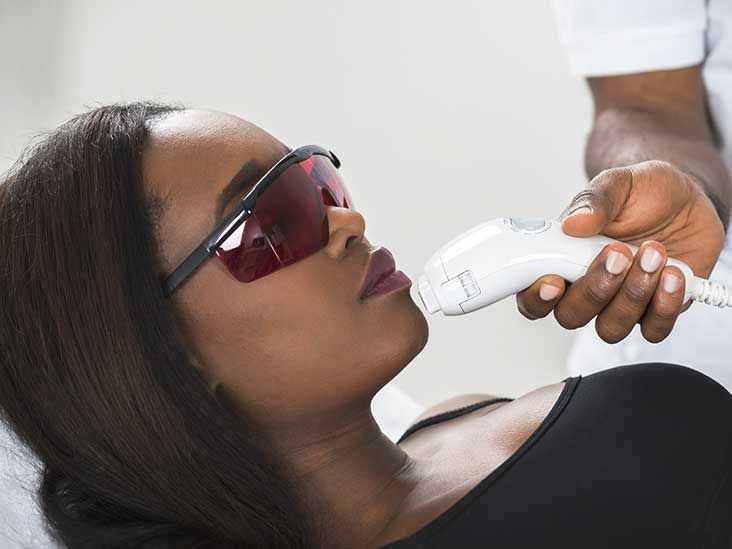
Laser hair removal uses concentrated light to target pigment (melanin) in the hair. That light turns into heat, which damages the hair follicle enough to slow or stop future growth. The goal is to damage the follicle while leaving surrounding skin as unharmed and unbothered as possible.
Here’s the key detail people miss: lasers work best when the hair is actively growing. Hair grows in cycles, and not every follicle is “on” at the same time. That’s why one session can’t catch everythingsome follicles are basically offline, ignoring your appointment like it’s an early-morning group chat.
Does It Work? What Results You Can Realistically Expect
For most healthy adults with a good hair/skin match and a qualified provider, laser hair removal is very effective. Many people see noticeable thinning after the first couple of sessions. Over a full series, hair often becomes patchier and grows back slower, and some areas can stay nearly hair-free for a long time.
What “Works” Usually Means
- Fewer hairs in the treated area
- Slower regrowth (think weeks instead of days)
- Finer, softer hairs when they do return
- Less irritation compared with shaving or waxing (especially for ingrowns)
What “Works” Usually Does Not Mean
- Instant permanence after one visit
- Zero regrowth forever in every area (hormonal areas can be stubborn)
- Great results on very light hair (blonde, white/gray, and some red hair often respond poorly)
Bottom line: Laser hair removal is best described as “long-term hair reduction.” You can absolutely get smooth, low-maintenance results, but you’re not signing a lifetime contract with hairlessness (unless your follicles are feeling unusually cooperative).
How Many Sessions Do You Need?
Most people need a series of treatments because hair follicles cycle through growth stages. A common range is about 2 to 6 sessions for many patients, though plenty of people require around 6 sessions (and sometimes more for certain areas). Sessions are typically spaced weeks apart so the laser can catch more follicles during active growth.
Typical Treatment Timing by Area (Example Schedule)
- Upper lip/chin: often every 4–8 weeks
- Underarms/bikini: often every 6–8 weeks
- Back/legs: sometimes every 8–12+ weeks (slower cycles)
And yes, you may need maintenance treatments down the road. Hormones, aging, and “surprise follicles” can trigger new growthespecially on the face and neck.
Who Gets the Best Results?
Laser hair removal works by targeting pigment in hair, so it tends to be most effective when there’s a clear contrast between hair and skinclassically, dark hair on lighter skin. But technology has improved, and many skin tones can be treated safely and effectively when the correct device and settings are used.
Hair Color Matters (A Lot)
Lasers generally struggle with:
- White/gray hair (very little melanin)
- Very light blonde hair (often not enough pigment)
- Some red hair (melanin type differs and can respond inconsistently)
Skin Tone Matters for Safety
Darker skin has more melanin in the skin itself, which means there’s a higher risk of pigment changes if the wrong laser or settings are used. The good news: certain lasers (commonly including Nd:YAG) can be safer options for deeper skin tones when used by experienced providers.
Laser Types: What’s the Difference, and Should You Care?
You don’t need to become a laser engineer, but you do want to know whether a clinic is using equipment appropriate for your skin tone and hair type. Common systems include:
Alexandrite, Diode, Nd:YAG, and IPL
- Alexandrite: often used for lighter skin tones; can be very effective on dark hair
- Diode: commonly used, effective for many skin types with proper settings
- Nd:YAG: frequently chosen for darker skin tones due to deeper penetration and lower epidermal melanin absorption
- IPL (Intense Pulsed Light): not a laser; uses broad-spectrum light and can work for some people but is often less powerful than in-office laser systems
Translation: a one-size-fits-all approach is a red flag. A good provider chooses the tool and settings based on you, not based on what’s cheapest to run.
What It Feels Like (A Honest Description)
Most people describe the sensation as a quick snaplike a rubber band flick. Some areas are more sensitive (upper lip, bikini line), while others are easier (legs, arms). Many clinics use cooling devices or gels, and some offer topical numbing options for comfort.
How to Prep So You Don’t Accidentally Sabotage Your Results
Preparation matters. The laser needs the follicle in place, so the usual guidance is:
- Shave before your appointment (often within 24 hours)
- Avoid waxing, plucking, or threading beforehand (those remove the follicle)
- Avoid tanning and heavy sun exposure before and after sessions
- Tell your provider about medications and recent skincare treatments
If you show up freshly waxed, the laser is basically staring at an empty parking lot, wondering where all the cars went.
Aftercare: What To Do When Your Skin Is Feeling Spicy
Right after treatment, mild redness or swelling is common. Think “sun-kissed” rather than “crispy.” Helpful aftercare habits include:
- Skip hot showers, saunas, and intense workouts for a day or two (heat can aggravate skin)
- Use gentle cleanser and moisturizer
- Apply broad-spectrum sunscreen daily (SPF 30+ is a common minimum)
- Don’t pick or scrub if the area feels slightly rough
Also: you may see hair shedding in the weeks after treatment. That’s normal and often a sign the follicle took the hint.
Side Effects and Risks: What’s Normal vs. What’s Not
Laser hair removal is generally considered safe when performed by a qualified professional using appropriate equipment. That said, it can cause side effectsespecially when the settings are wrong or aftercare is ignored.
Common (Usually Temporary) Effects
- Redness
- Swelling around follicles
- Mild stinging or tenderness
- Temporary pigment changes (darkening or lightening)
Less Common but More Serious Risks
- Burns or blisters
- Scarring
- Long-lasting pigment changes
- Eye injury risk if treated too close to eyes without proper protection
- Rare paradoxical hair growth (more hair near treated areas)
If you have significant blistering, worsening pain, or signs of infection, contact a healthcare professional.
How Much Does Laser Hair Removal Cost?
Cost varies widely by city, clinic, provider credentials, and the area treated. Some people pay per session; others buy packages. Professional organizations that track cosmetic procedure pricing report averages that can help set expectations, but your total cost depends on how many sessions you need and whether you do maintenance.
Cost Reality Check
- Small areas (upper lip, underarms) cost less per visit
- Large areas (legs, back) cost more
- Packages can reduce the per-session price, but only if the clinic is reputable
Tip: If a deal seems too good to be true, it might be “IPL with confidence” rather than medical-grade laser with proper training.
At-Home Devices: Do They Work?
At-home devices can help reduce hair growth for some people, especially those using IPL. They tend to be less powerful than professional systems, so results may take longer and be less dramatic. Safety matters here too: choose devices with clear instructions, follow skin tone/hair color guidance, and don’t treat areas the device says to avoid.
If you have deeper skin tones, a history of pigment issues, or you’re treating a sensitive area, it’s smart to consult a dermatologist or qualified clinician before DIY-ing it.
How To Choose a Provider (So You Don’t Become a Cautionary Tale)
Great results come from the right combination of device + settings + skill. Look for:
- Medical oversight (especially for higher-risk skin tones)
- Experience treating your skin tone
- A patch test if you’re concerned about pigment changes
- Transparent pricing and realistic promises (no “guaranteed permanent” hype)
Questions Worth Asking at a Consultation
- Which device will you use for my skin tone and hair color?
- How many sessions do you estimate for my goals?
- What side effects are most common for my skin type?
- What’s your policy if I need extra sessions?
- How do you handle adverse reactions?
Laser Hair Removal vs. Waxing, Shaving, and Electrolysis
Choosing a method depends on budget, hair type, pain tolerance, and how permanent you want results to be.
Quick Comparison
- Shaving: cheap, fast, frequent upkeep
- Waxing: longer-lasting than shaving, can irritate skin, requires regrowth between sessions
- Laser: long-term reduction, best for dark hair, requires a series and upfront cost
- Electrolysis: targets individual follicles and can be permanent, but can be time-consuming for large areas
FAQ: The Questions Everyone Asks (Usually While Holding a Razor)
Is laser hair removal permanent?
It can be long-lasting, and some areas may stay hair-free for a long time, but many people experience some regrowth and may need maintenance sessions.
Can it help with ingrown hairs?
Many people report fewer ingrowns because there’s less hair growing backand what does regrow is often finer.
Is it safe for sensitive areas?
Often yes, when performed by trained professionals with proper settings. But sensitive areas can be more uncomfortable, and provider skill matters.
Conclusion: So… Does Laser Hair Removal Work?
Yeslaser hair removal works for many people, especially those with darker hair, and it’s one of the most popular options for long-term hair reduction. The best outcomes come from realistic expectations, completing a full series of sessions, choosing a qualified provider, and protecting your skin (hello, sunscreen).
If you want a smoother routine and fewer “why is my razor plotting against me?” moments, laser hair removal can be a smart investment. Just remember: it’s a process, not a magic wand. (It’s a laser. Lasers are cooler than wands anyway.)
Real-World Experiences: What People Usually Notice (And Wish They’d Known)
Note: The experiences below are common patterns people report. Your results can differ based on hair color, skin tone, hormones, and provider technique.
1) “I Thought the Hair Would Fall Out Immediately”
A super common surprise: you don’t walk out of the clinic hairless like a freshly peeled grape. Many people notice the treated hair looks normal for several days, then starts to shed over the next 1–3 weeks. That shedding can look like “regrowth,” but it’s often the hair exiting the follicle as your skin renews itself. People who know this in advance tend to feel calmerand less tempted to book a panic appointment after day five.
2) “Session One Helped… But It Wasn’t Dramatic”
Lots of people report a modest change after the first session: slower growth, slightly patchy areas, or hair that feels softer. Big, obvious results often show up after several sessions, once more follicles get treated during active growth phases. The folks who love their outcomes most are usually the ones who complete the full serieseven if they had weeks where they questioned whether their follicles were personally offended by lasers.
3) “Some Areas Respond Like a Dream, Others Negotiate”
Underarms and lower legs are frequently described as “high-reward” areasmany people see strong reduction there. Hormonal areas (chin, upper lip, sometimes bikini line) can be more stubborn. People with conditions linked to hormones (like PCOS) often say laser helps, but they may need more sessions or periodic maintenance to keep results consistent. The big emotional win here: even if hair isn’t completely gone, it can become easier to manage and less noticeable.
4) “The Pain Was… Manageable, But Spicy”
Experiences vary wildly. Some describe it as a quick snap that’s more annoying than painful; others feel a sharper sting in sensitive areas. A recurring theme is that cooling methods make a huge difference. People also report that timing matters: hydrated skin, avoiding sun exposure, and not arriving already irritated can improve comfort. Many say the discomfort is short-livedlike a brief “why am I doing this?” moment followed by relief that it’s over quickly.
5) “Sun + Laser Was a Bad Combo”
One of the most consistent regrets: getting too much sun (or using self-tanner) near treatment time. People who ignore sun precautions are more likely to report irritation or pigment changes. On the flip side, those who commit to sunscreen and shade often describe smoother recoveries and more predictable results. A common “aha”: laser hair removal is partly a lifestyle choice during your seriesbecause your skin becomes the main character, and UV exposure is the villain.
6) “Choosing the Right Provider Mattered More Than I Expected”
People who have the best experiences often mention thorough consultations, patch tests when appropriate, and providers who adjust settings based on skin response. Those with negative experiences frequently describe rushed sessions, poor aftercare instructions, or clinics that used a one-setting-fits-all approach. Many say they wish they’d asked more questions about which device would be used for their skin tone and hair typebecause good technology in untrained hands is still a problem.
7) “My Routine Changed in a Good Way”
After a successful series, many people say the biggest benefit isn’t just smoother skinit’s mental space. Fewer last-minute shaves, fewer ingrowns, and fewer “can I wear this today?” calculations. Even people who still get some regrowth often describe it as lower-stress hair: lighter, finer, and less frequent. In short, the experience many report is not perfectionit’s convenience. And for a lot of busy humans, convenience is the real luxury.

