
Hair Care
Fab Freebie: Uncommon Areas
Jul
Some homes look polished but strangely anonymous, as though the furniture arrived in one enormous box labeled “Respectable Beige.” Then there are homes with personality: a lamp that resembles a tiny ecosystem, a family portrait rendered in an unexpected medium, or a serving bowl that makes guests ask, “Where on earth did you find that?” The difference is not necessarily money, square footage, or access to an interior designer with dramatic eyeglasses. It is often one memorable object placed in one overlooked spot.
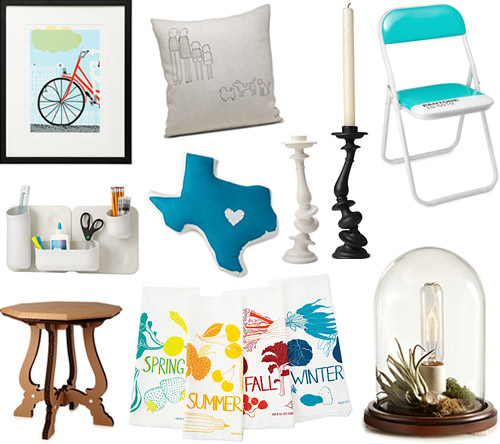
Fab Freebie: Uncommon Areas began as a playful 2013 giveaway from the home-improvement blog Young House Love. The prize was a $250 UncommonGoods gift card intended to help a reader add character to an ordinary home. The featured examples included personalized decor, unconventional furniture, whimsical serving pieces, and even a lamp combined with a terrarium. The original promotion used Rafflecopter and was limited to entrants in the United States. It has long since ended, so any current page claiming to offer that exact prize should be treated with caution.
Note: This article is a retrospective and decorating guide. It does not represent an active giveaway or prize offer.
What “Fab Freebie: Uncommon Areas” Really Meant
The title worked as a cheerful pun. The prize came from UncommonGoods, while the products were meant to improve the uncommon areas of a homethe odd corners, empty landings, tiny entryways, narrow walls, and neglected shelves that rarely appear in glamorous real-estate photos.
The concept still feels relevant because mass-produced rooms can become visually predictable. A sofa faces a television. A coffee table holds a remote. A blank corner quietly collects one dusty extension cord. Adding an unusual item interrupts that routine and gives the room a story. It does not have to be expensive or outrageous. A personalized pillow, sculptural lamp, handmade tray, miniature indoor garden, or clever organizer can be enough to turn an unused pocket into a point of interest.
UncommonGoods continues to position itself as a marketplace for creative products made by independent artists and makers. The company highlights unusual gifts, personalized items, home accessories, servingware, games, and experience-based gifts rather than competing only on ordinary household necessities. Its current site also states that it has avoided selling leather, feathers, and fur since its founding in 1999.
Why Unusual Home Decor Has Such a Strong Effect
It communicates personality without requiring a speech
The objects people display can reveal interests, memories, humor, and personal history. A standard lamp says, “This corner was dark.” A lamp shaped around a botanical display says, “This corner was dark, but I also enjoy moss and mild eccentricity.” Research and commentary on environmental psychology suggest that living spaces contain clues about their occupants and that possessions can become closely tied to identity.
That is why personalized home accessories often feel more significant than anonymous decorations. A map marking a meaningful city, a family-name illustration, a custom recipe board, or an object connected to a shared joke has emotional value beyond its materials. The best quirky home decor is not strange merely to attract attention. It makes the room feel more specifically yours.
It creates an instant conversation starter
Guests are more likely to comment on an unexpected object than on a perfectly acceptable gray end table. Conversation pieces lower the social temperature of a room. They give people something easy to ask about, which is especially helpful when guests do not know one another well.
The trick is restraint. One distinctive item can look curated. Fifteen distinctive items competing on the same shelf can look like a gift shop experiencing turbulence. A strong decorative surprise needs some quiet space around it so the eye has time to notice what makes it special.
It turns wasted space into useful space
Interior-design publications consistently recommend assigning neglected areas a clear purpose rather than filling them randomly. An awkward nook might become a reading corner, a miniature office, a beverage station, a display zone, or practical storage. Architectural Digest recommends keeping furnishings simple in unusually shaped nooks so that the solution does not overwhelm the available space.
Better Homes & Gardens similarly treats awkward corners, shallow mantels, wide kitchens, and irregular niches as opportunities for solutions that combine style with function. The goal is not to decorate every available inch. It is to make the home work better while giving overlooked architecture a deliberate role.
Where to Find the “Uncommon Areas” in Your Home
The forgotten entryway
Many apartments do not have a formal foyer. The front door opens directly into the living room, leaving keys, bags, mail, and shoes to establish their own tiny civilization. A narrow shelf, wall-mounted organizer, compact bench, or decorative catchall can create the feeling of an entryway without blocking circulation.
Choose one object that sets the tone immediately. A playful key holder, personalized house portrait, unusual mirror, or handmade bowl can provide character while doing a real job. Small-apartment guidance from Better Homes & Gardens recommends using a narrow bench, baskets, hooks, and a runner to create a welcoming entrance in a limited footprint.
The empty living-room corner
An empty corner does not automatically need furniture. Negative space can be useful, especially in a small room. But when a corner makes the layout feel unfinished, give it one dominant element: a comfortable chair, a tall plant, a sculptural floor lamp, a vertical shelf, or a compact cabinet.
House Beautiful notes that an accent chair, gallery wall, or indoor plant can often resolve an awkward corner without a major redesign. The Spruce also recommends lighting, storage, seating nooks, and wall decor as practical ways to activate neglected corners.
A common mistake is squeezing several undersized objects into the gap because each one technically fits. Instead, measure the available width and height, then choose a piece with enough visual presence to look intentional. One excellent lamp usually beats a lamp, basket, stool, plant stand, umbrella holder, and ceramic goose engaged in a territorial dispute.
The space beneath the stairs
Under-stair areas are among the most useful uncommon spaces because their changing ceiling height naturally creates a sense of enclosure. Depending on the dimensions, the area can become a reading nook, pet retreat, home bar, storage wall, homework station, or miniature office.
Real Simple has highlighted under-stair transformations that use custom storage, seating, bars, and cozy reading areas. The best approach respects the low ceiling instead of fighting it. Place sitting-height functions beneath the lowest portion and reserve taller sections for shelves or standing storage.
The narrow kitchen wall
A wall too small for a cabinet may still be large enough for a rail, spice shelf, plate display, magnetic strip, vertical herb garden, or framed collection of family recipes. Servingware can double as decoration when its colors and shapes support the rest of the kitchen.
This is a natural location for unusual gifts because useful kitchen objects are easier to justify than purely decorative clutter. A handmade spoon rest, sculptural bottle opener, witty tea towel, or personalized cutting board can stay visible while earning its counter space.
The overlooked bedroom nook
A bedroom corner can become a quiet reading seat, dressing area, meditation spot, or compact desk. Wall-mounted lighting is particularly helpful because it preserves floor and tabletop space. In a small room, limit the palette and let one personalized object provide the emotional focal point.
Martha Stewart’s design guidance recommends turning unused pockets into reading areas with seating, lighting, and books. The same principle works in a bedroom: decide what activity is missing, then build the smallest comfortable version of it.
The powder room with no personality
Small bathrooms are ideal places to experiment because visitors spend enough time to notice the details but not enough time to conduct a full architectural critique. Try one bold print, a humorous sign, a distinctive soap dish, an unexpected mirror, or a tiny shelf displaying an object with a story.
Because the room is compact, avoid filling every wall. A single unusual feature can make the entire space memorable. It is the decorative equivalent of adding hot sauce: a few drops create excitement; emptying the bottle creates a situation.
How to Choose Quirky Decor Without Creating Clutter
Start with a purpose
Before buying anything, write down what the area needs to do. Does it need light, seating, organization, storage, greenery, or visual balance? A product should ideally solve one of those problems while adding personality. This filter prevents impulse purchases that are charming online but homeless after delivery.
Measure the space twice
Unusual furniture can have unusual dimensions. Record width, depth, available wall height, nearby door swings, outlet locations, and walking clearance. Use painter’s tape to mark the proposed footprint on the floor. If everyone must turn sideways and apologize to the furniture while passing, the item is too large.
Real Simple’s small-space advice emphasizes scale, proportion, clear walkways, and intentional editing. A room can feel cramped when furniture is too large, too small, or poorly placedeven when the total number of pieces seems reasonable.
Use the “one surprise per vignette” rule
A vignette is a small visual grouping, such as a lamp, framed print, and bowl on a console. Let one element be the star while the others provide support. If the lamp is sculptural, keep the artwork calmer. If the artwork is loud, choose a simple table. This approach protects personality from turning into visual noise.
Repeat one color or material
An unusual object feels connected to the room when it repeats something already present. A bright blue vase might echo a stripe in the rug. A wooden puzzle box might relate to the dining table. A brass wall sculpture might pick up the finish of a nearby lamp.
Consistency does not make an eccentric object boring. It gives the eye a reason to believe the object belongs there rather than arriving through a minor portal malfunction.
Favor objects with stories
Handmade, personalized, vintage, and locally designed pieces tend to generate stronger stories than generic accessories. Etsy’s home-decor guidance observes that shoppers often use custom pillows, vintage vessels, hand-stamped textiles, and similar items to create homes that feel distinctively their own. Recent marketplace trend reports also emphasize expressive, nostalgic, and personal displays.
Why a Gift Card Was a Smart Freebie
The original Fab Freebie did not force the winner to accept one highly specific product. A gift card allowed the recipient to choose an item suited to their taste, household, and available space. That flexibility matters when a retailer sells everything from kitchen tools and personalized art to games, gardening accessories, and decorative objects.
Gift cards remain popular because they combine the ease of cash with a sense of direction. The National Retail Federation reported that gift cards ranked as the second-most popular holiday gift in 2025, with projected spending reaching approximately $29 billion.
UncommonGoods currently offers physical and digital gift cards in whole-dollar amounts ranging from $5 to $1,000. Its support information states that the cards do not expire, although they cannot be used for international orders. Those current terms should not be confused with the rules of the expired 2013 promotion.
What Makes a Legitimate Online Giveaway?
A trustworthy sweepstakes should clearly identify the sponsor, prize value, eligibility rules, entry period, winner-selection method, and any geographic restrictions. It should also explain how personal information will be used. A genuine prize should not require the winner to pay a mysterious release fee, processing fee, customs charge, or gift-card payment.
The Federal Trade Commission explains that legitimate sweepstakes are free and determined by chance. Requiring a purchase to enter or improve the odds of winning can turn a promotion into an illegal lottery. Consumers should also be suspicious of urgent messages demanding money or financial information before a prize can be released.
For publishers planning a modern “Fab Freebie,” the lesson is simple: write clear official rules, display them prominently, protect entrant data, and make the free entry method easy to find. Cute branding is welcome. Legal ambiguity wearing a party hat is not.
The Broader Story Behind UncommonGoods
The appeal of the original giveaway was not limited to novelty. UncommonGoods built its identity around independent makers, creative products, and a business model that highlights social and environmental goals. B Lab lists the company as a Certified B Corporation headquartered in New York and certified since May 2007. Its profile describes a marketplace focused on designs by independent artists and makers, along with worker, community, and environmental practices evaluated through the B Impact Assessment.
The company’s Better to Give program began in 2001. According to current company information, UncommonGoods donates $1 from each purchase to a nonprofit partner chosen by the customer, or $2 for purchases made by eligible Perks members. The reported cumulative contribution has exceeded $3 million.
Those details help explain why the brand fit a home-design blog’s audience. The products promised more than decoration. They offered stories about makers, materials, humor, personalization, and causesqualities that can make an object feel meaningful rather than merely new.
Experience-Based Lessons from Decorating Uncommon Areas
Experience 1: The chair that solved nothing until it gained a lamp
A frequent decorating experience begins with an empty corner and an impulsive chair purchase. The chair fits. The color works. Everyone celebrates for approximately seven minutes. Then nobody sits there because the corner is too dark, there is nowhere to place a drink, and the chair feels detached from the room.
The practical lesson is that a functional nook usually needs a small system rather than one isolated object. Add a wall-mounted light or narrow floor lamp, a compact table, and perhaps one soft textile. Suddenly, the chair becomes a reading destination instead of decorative parking. The unusual element might be the lamp, a sculptural side table, or a personalized cushionbut comfort must come first.
Experience 2: The tiny entryway that stopped eating keys
Another common transformation happens beside the front door. Before the change, keys move mysteriously between coat pockets, kitchen counters, and whatever dimension contains missing socks. Mail forms a leaning tower. Bags land wherever gravity negotiates a settlement.
A shallow wall shelf, a few hooks, and one memorable catchall can change the daily routine. The most successful version uses a tray or bowl that is enjoyable enough to attract attention. A handmade ceramic dish, personalized map tray, or playful object with clearly defined compartments encourages people to use it. The decor works because the habit and the visual appeal reinforce each other.
Experience 3: The awkward wall that became a family gallery
Narrow walls between doorways are often ignored because standard art looks too wide. A vertical collection can fit better: small portraits, postcards, children’s drawings, travel tickets, miniature textiles, or framed recipes. Apartment Therapy has shown that irregular arrangements and small gallery walls can make awkward mini-walls feel intentional.
The most satisfying galleries usually share one visual rule. The frames might all be black, the images might use similar colors, or every item might relate to family travel. Without that connection, the display can resemble evidence assembled by an unusually sentimental detective.
Experience 4: The under-stair area that needed editing, not more storage
The first instinct with an under-stair space is often to add as many bins as geometry will permit. This creates capacity but not necessarily usefulness. Deep storage can hide items so effectively that they reappear only during a future move, looking surprised and slightly offended.
A better experience comes from deciding what should remain accessible. Daily shoes can occupy pullout drawers. Books can sit on shallow shelves. A pet bed can use the lowest section. The taller end might hold a desk or beverage cabinet. Once the functions are separated, one whimsical featurea patterned cushion, unusual wall light, custom pet portrait, or artistic drawer pullcan give the entire installation personality.
Experience 5: The shelf that taught the value of subtraction
The most important experience in quirky decorating is discovering that enthusiasm has a volume control. A shelf filled with handmade gifts, travel souvenirs, candles, plants, framed photographs, novelty mugs, and one tiny wooden dinosaur may contain wonderful objects, yet display none of them effectively.
Remove everything and return only the best pieces. Vary their heights, leave open space, and group related items. Store the remaining objects and rotate them seasonally. The shelf will feel fresher, each item will receive more attention, and the wooden dinosaur can finally enjoy the respect it deserves.
This editing process does not require becoming a minimalist. It simply distinguishes a collection from congestion. The objective of Fab Freebie: Uncommon Areas is not to fill every blank surface with novelty. It is to use a few well-chosen objects to turn overlooked spaces into useful, memorable parts of the home.
Conclusion: Make Room for a Little Weird
The original Fab Freebie is over, but its central idea remains cheerful and practical. A home does not become personal because every room follows the newest trend. It becomes personal when ordinary spaces reflect the people living in them.
Look for the corner that feels unfinished, the entryway that lacks a landing zone, the narrow wall nobody knows how to decorate, or the shelf that needs one meaningful focal point. Give that area a purpose, measure carefully, and choose an object that is useful, well made, or connected to a story. A touch of weirdness is not a design failure. Used thoughtfully, it is often the detail that makes the entire room feel alive.

