
Skincare
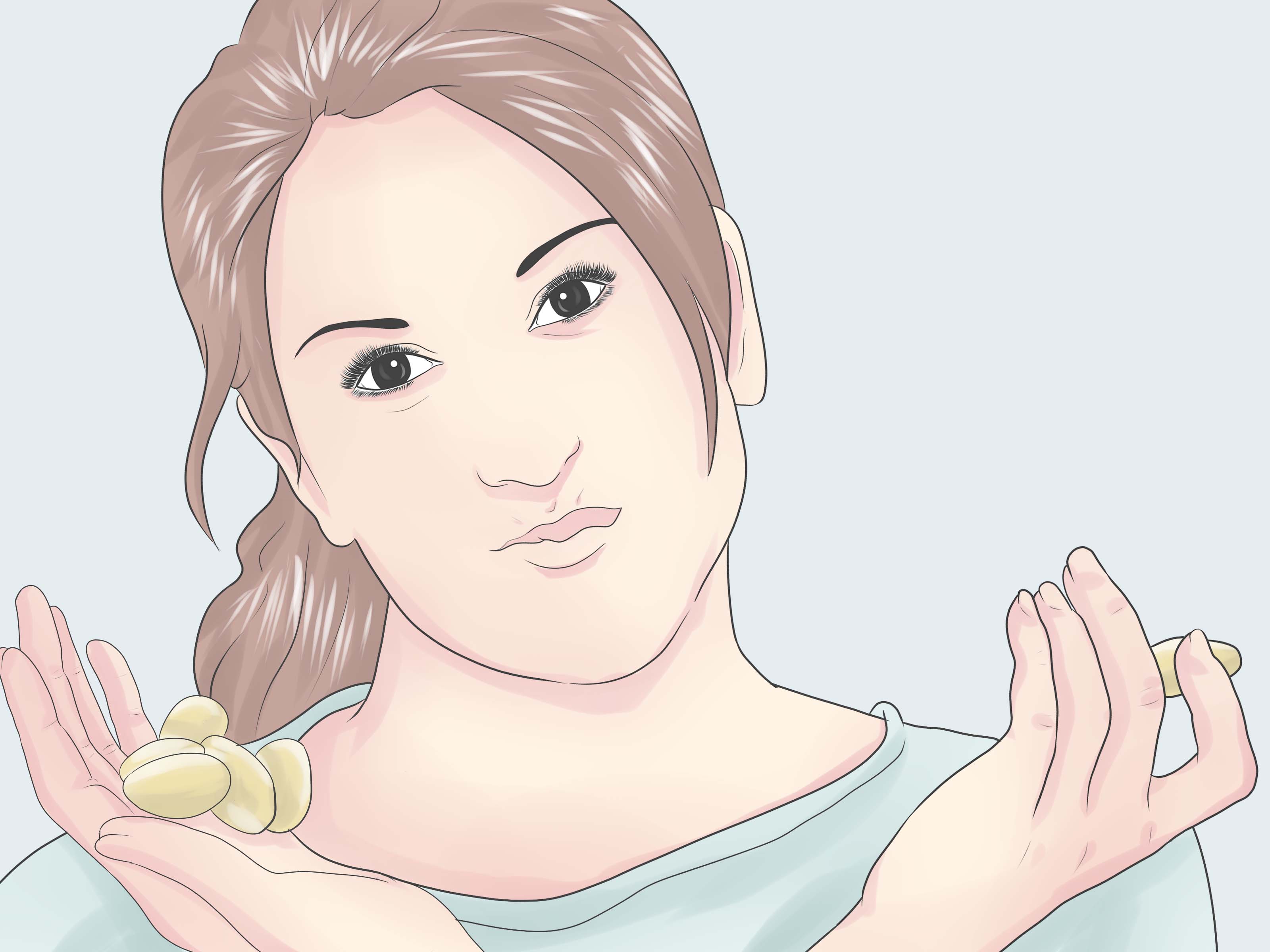
How to Chew Betel Nut in Papua New Guinea: 7 Steps
Jun
Important note: This article explains betel nut chewing in Papua New Guinea for cultural and informational purposes, not as a health recommendation. Betel nut, also called areca nut or buai in Papua New Guinea, is addictive and is strongly linked to oral cancer, oral submucous fibrosis, gum disease, tooth staining, and other health risks. If you have heart disease, oral sores, pregnancy concerns, anxiety, or a history of substance dependence, it is safest to avoid it.
Introduction: The Tiny Green Nut With a Big Reputation
In Papua New Guinea, betel nut is not just something people chew. It is a conversation starter, a roadside economy, a social ritual, a travel curiosity, and, depending on whom you ask, either a beloved daily habit or a public health headache wrapped in a green shell. Locally known as buai, betel nut is chewed with mustard stick, often called daka, and lime powder, usually made from burnt coral or shells in coastal areas. Together, these ingredients create a sharp, peppery, mildly stimulating chew that turns saliva a dramatic red-orange color.
For visitors, the first sight of buai can be memorable. Markets may have piles of green nuts stacked like tiny coconuts. Vendors may sell mustard sticks in neat bundles. People chat, laugh, bargain, and chew, while red stains on sidewalks tell their own very honest story. It is part of daily life in many communities, especially in markets, bus stops, settlements, villages, and urban neighborhoods.
But here is the part that deserves more than a tiny footnote: betel nut chewing is not harmless. The areca nut is classified as carcinogenic to humans, and regular chewing is associated with a high risk of mouth cancer and precancerous changes in the mouth. Papua New Guinea has faced serious oral cancer concerns linked to widespread buai use. So, while this guide explains how the practice is commonly done, it also includes safer etiquette, practical warnings, and reasons many health experts advise against starting.
What Is Betel Nut in Papua New Guinea?
Betel nut is the seed of the areca palm. In Papua New Guinea, people usually chew the fresh green nut rather than the heavily processed forms found in some other countries. The classic PNG combination includes three items: the nut, the mustard stick, and lime powder. The nut provides the main stimulant compound, arecoline. The mustard stick adds a peppery bite. The lime changes the chemistry in the mouth, intensifying the flavor and effect. In simple kitchen terms, the nut is the main character, the mustard is the spicy best friend, and the lime is the dramatic director yelling, “More intensity!”
Unlike South Asian paan, which may wrap areca nut in betel leaf with spices, sweeteners, or tobacco, the Papua New Guinean style is usually more direct. A chewer cracks or bites open the nut, chews the inner seed, then dips the mustard stick into lime and chews it with the nut. The mixture produces a warm, bitter, peppery sensation and a flow of red saliva that is typically spat out, not swallowed.
How to Chew Betel Nut in Papua New Guinea: 7 Steps
Step 1: Understand the Health Risks Before You Start
Before learning the mechanics, understand the reality. Betel nut can be addictive, and regular use increases the risk of serious oral health problems. These may include mouth sores, gum irritation, stained teeth, jaw stiffness, oral submucous fibrosis, leukoplakia, and oral cancer. Combining betel nut with tobacco increases the danger even more. This is not like sampling a new tropical fruit and calling it a day. It is a psychoactive habit with long-term consequences.
If you are a traveler, the healthiest choice is to observe the custom respectfully without chewing. You can ask questions, learn the vocabulary, watch how locals prepare it, and still keep your mouth out of the experiment. Cultural appreciation does not require red spit. Your dentist would probably send a thank-you card.
Step 2: Know the Local Ingredients
The three traditional ingredients are buai, daka, and kambang or lime powder, depending on the local language and region. Buai is the areca nut itself. It is often green, round or oval, and firm. Daka is a mustard stick from a peppery plant stem or inflorescence. Lime powder is a white alkaline powder made by burning shells or coral and grinding the result.
Freshness matters in local preference. Many chewers prefer young, fresh nuts because they are easier to chew and produce a stronger, juicier mixture. Older nuts can be harder, drier, and rougher on the mouth. If someone offers you buai, they may also offer the mustard and lime together, because chewing the nut alone is not the full PNG-style experience.
Step 3: Crack or Bite the Betel Nut Carefully
Experienced chewers often bite through the outer husk with impressive confidence. Beginners should not try to become village champions on the first attempt. The nut can be tough, and biting carelessly may hurt your teeth. Some people use a small knife to cut the nut open. Others split it by biting the end and peeling away the husk.
The edible part is the inner seed. Once exposed, it is chewed slowly until it breaks down into fibrous pieces. The taste is bitter, grassy, and slightly astringent. The texture can be woody. If your first thought is, “This is not a chocolate truffle,” congratulations, your taste buds are functioning normally.
Step 4: Chew the Nut Until It Softens
Place a small piece of the nut in the mouth and chew gently. The goal is to soften it and create a wad, not to swallow chunks. As the nut breaks down, saliva increases. At this point, the flavor may be bitter and earthy. The stimulant effect may feel like mild alertness, warmth, or lightheadedness, especially for people who are not used to it.
Do not rush. Chewing too much too quickly can cause nausea, dizziness, sweating, hiccups, or a racing heartbeat. First-time users are more likely to feel unpleasant effects. If you feel unwell, stop immediately, spit it out, rinse your mouth, and drink water.
Step 5: Add Mustard Stick With a Tiny Amount of Lime
The mustard stick is usually dipped lightly into lime powder and then chewed together with the softened nut. Lime is powerful. A tiny amount can change the whole mixture. Too much can burn the mouth, irritate the gums, and make the experience harsh. This is one reason beginners should be extremely cautious or avoid trying it altogether.
Once lime enters the mix, the color changes. Saliva turns orange, then red. The taste becomes hotter and stronger. The chemical reaction also increases the release of stimulant compounds. In PNG, experienced chewers often know exactly how much lime they want. Newcomers, however, usually have no such wisdom. Their mouths are basically tourists in flip-flops.
Step 6: Spit, Do Not Swallow
Betel nut chewing produces red saliva and fibrous residue. In Papua New Guinea, chewers generally spit the liquid out. Swallowing the juice or fibers can upset the stomach and intensify unpleasant effects. Use a proper container or a place where spitting is acceptable. Never spit on walls, floors, vehicles, hotel grounds, public walkways, or someone’s garden unless your life goal is to become a cautionary tale.
Spitting etiquette matters. Red betel spit is one reason buai has been controversial in urban areas such as Port Moresby. It stains concrete, buildings, clothing, and public spaces. Responsible behavior is not just polite; it helps reduce the public nuisance associated with chewing.
Step 7: Stop Early, Rinse Your Mouth, and Watch for Warning Signs
If someone chooses to chew despite the risks, stopping early is smarter than pushing through. Spit out the wad when the flavor becomes too strong, the texture feels dry, or your body signals discomfort. Rinse your mouth with clean water afterward. Do not brush aggressively right away if your mouth feels irritated, because lime and friction can make sensitive tissue feel worse.
Watch for warning signs over time: mouth ulcers that do not heal, white or red patches, bleeding spots, difficulty opening the mouth, persistent soreness, numbness, loose teeth, or trouble chewing and swallowing. These symptoms deserve professional medical or dental attention. With oral cancer, early detection can make an enormous difference.
Betel Nut Etiquette in Papua New Guinea
In PNG, buai is often social. Offering it can be a gesture of friendliness. Sharing it may happen during conversation, travel breaks, market visits, ceremonies, or casual gatherings. If you do not want to chew, a polite refusal is acceptable. A simple “No thank you, I don’t chew” is usually enough. You do not need to deliver a medical lecture with dramatic background music.
If you do accept, use only your own pieces and avoid sharing chewed items. Hygiene matters. Do not take lime with wet fingers from a shared container if others are using it. Do not spit where people walk. Do not assume every person in PNG chews buai or approves of it. Many Papua New Guineans are concerned about the health effects, mess, cost, and social impact of heavy chewing.
Why People Chew Buai in PNG
People chew betel nut for many reasons. Some say it gives energy during long workdays. Some enjoy the social routine. Some use it to suppress hunger, pass time, stay alert, or relax during conversation. For vendors, buai is also income. The roadside betel nut trade supports many families, especially in informal economies where cash opportunities can be limited.
This is why public health discussions around betel nut are complicated. It is not just a personal habit; it is tied to culture, livelihoods, identity, and urban life. Telling people simply to “stop chewing” without understanding the social and economic role of buai is unlikely to work. At the same time, ignoring the cancer risk is not responsible either. The honest conversation must hold both truths: buai is culturally significant, and buai is harmful to health.
Common Mistakes Beginners Make
Using Too Much Lime
Lime powder is not a seasoning to sprinkle like Parmesan cheese. Too much can burn the mouth and make the chew painfully strong. A tiny amount is already potent.
Swallowing the Juice
The red juice is normally spat out. Swallowing it can cause nausea and stomach discomfort, especially for beginners.
Chewing Too Much at Once
New users may underestimate the stimulant effect. Chewing a large nut quickly can lead to sweating, dizziness, vomiting, or a racing heart.
Ignoring Mouth Sores
A sore mouth is not a badge of cultural bravery. Persistent sores, white patches, red patches, or jaw tightness should be checked by a clinician or dentist.
Spitting Anywhere
Public spitting creates stains and spreads germs. Use a container, dispose of waste properly, and respect local rules.
Health Risks: The Part Nobody Should Skip
The main health concern with betel nut is cancer, especially oral cancer. Areca nut can damage cells in the mouth, and lime increases alkalinity, which can worsen tissue irritation and chemical exposure. Long-term chewing can also cause oral submucous fibrosis, a condition where the mouth becomes stiff and difficult to open. That condition can be precancerous and life-changing.
Other concerns include gum disease, tooth decay, tooth staining, bad breath, dependency, increased heart rate, and possible cardiovascular effects. Some users mix tobacco with betel nut, which raises health risks even further. People who are pregnant, have heart problems, have oral lesions, or are trying to quit addictive substances should avoid betel nut entirely.
From an SEO standpoint, this is the central message searchers need: how to chew betel nut in Papua New Guinea is not just a travel how-to topic. It is also a public health topic. Any guide that explains buai without mentioning oral cancer is like writing a guide to sunbathing on Mercury and forgetting sunscreen.
Safer Alternatives for Curious Travelers
If you are visiting Papua New Guinea and want to experience buai culture without chewing, there are better options. Visit a market and observe the trade. Ask local vendors what makes a good nut. Photograph the colorful market setup if permission is given. Learn the words buai, daka, and lime. Talk with people about why they chew and how attitudes are changing. Buy fresh fruit instead. Your mouth gets a tropical experience, and your gums avoid filing a complaint.
You can also explore other PNG cultural experiences: local food, bilum weaving, village hospitality, coastal fishing communities, highland markets, singsing festivals, and storytelling traditions. Papua New Guinea has more to offer than one addictive nut, no matter how famous that nut may be.
of Experience: What It Is Like Around Buai Culture in Papua New Guinea
Experiencing betel nut culture in Papua New Guinea is less about the chew itself and more about the scene around it. Imagine walking through a busy market where everything feels alive at once: people calling out prices, PMVs loading passengers, children weaving through adults, smoke from food stalls drifting into the air, and small piles of green buai arranged with the seriousness of luxury goods. A good betel nut vendor can judge quality at a glance. A regular buyer may squeeze, inspect, bargain, reject, and select with the focus of someone choosing a diamond ring, except the ring is green and will soon turn their spit red.
For a newcomer, the first surprise is how normal it all seems. Buai is not hidden. It is not whispered about in alleyways. It is out in the open, sold beside bananas, cigarettes, bottled drinks, and phone credits. People chew while talking, waiting, walking, or working. In some places, it feels like the unofficial punctuation mark of daily conversation. A sentence begins, a nut cracks, a point is made, and somewhere nearby someone spits with Olympic-level confidence.
The second surprise is the strength of the ritual. There is a rhythm to it. Crack the nut. Chew. Add mustard. Touch the mustard to lime. Chew again. Spit. Talk. Repeat. Experienced chewers do this without thinking, like tying shoelaces or checking a phone. The process looks casual, but it carries social meaning. Offering buai can break the ice. Sharing supplies can signal friendliness. Refusing politely is also part of the dance, especially for visitors who are curious but cautious.
The third surprise is the mess. Red stains appear on roadsides, market corners, drains, and walls. Some cities and businesses try to control buai spitting because it affects cleanliness and public image. This is where the romantic travel-blog version of betel nut meets the municipal-cleaning-budget version. Culture may be beautiful, but red spit on a white wall is still red spit on a white wall.
Talking with people about buai often reveals mixed feelings. Some love it and say it helps them stay awake, work longer, or relax. Some want to quit but find it difficult. Some worry about cancer but continue chewing because everyone around them does. Some dislike the stains and cost. Others depend on selling buai for income. That complexity is important. Betel nut in Papua New Guinea is not simply “good” or “bad.” It is a habit, a business, a symbol, a health risk, and a social tool all at once.
The best travel experience is therefore not necessarily chewing it yourself. It may be listening. Ask why people chew. Ask how they choose good buai. Ask whether younger people chew more or less than older generations. Ask what people think about bans or health campaigns. Those conversations teach far more than a mouthful of bitter fiber ever could.
Conclusion
Learning how to chew betel nut in Papua New Guinea means learning more than seven physical steps. It means understanding buai as a cultural practice, a social habit, a street economy, and a serious public health issue. The basic process is simple: prepare the nut, chew it, add mustard and a tiny amount of lime, spit the red juice, and stop before discomfort takes over. But the bigger lesson is caution. Betel nut is addictive and carcinogenic, and regular use can cause lasting damage to the mouth and body.
For visitors, the smartest approach is respectful curiosity. Watch, ask, learn, and think carefully before trying. If you choose not to chew, you are not missing the soul of Papua New Guinea. You are simply keeping your mouth out of a risky relationship. And honestly, some relationships are best admired from a safe distance.

