
Makeup
Cuisinart Brick Oven Classic
Jun
The Cuisinart Brick Oven Classic, also known by its model number BRK-100, is one of those countertop appliances that sounds like it was invented by someone who wanted pizza night but did not want to build a wood-fired oven in the backyard. Fair enough. Not everyone has room for a brick dome, a pizza peel collection, and a neighbor asking why there is smoke near the fence.
This compact stainless steel oven was designed to bring some of the heat-retaining benefits of brick-oven cooking to a regular kitchen counter. It is not a modern smart oven, not an air fryer, and definitely not a spaceship with Wi-Fi. Instead, it is a sturdy, old-school countertop brick oven with three core functions: bake, broil, and toast. Its appeal comes from a simple idea: add real brick inserts and a removable baking stone to a toaster oven format, then let home cooks chase crisp crusts, roasted edges, and better reheated pizza without firing up a full-size oven.
Because the Cuisinart Brick Oven Classic is now discontinued, it is most often discussed by owners, collectors, secondhand buyers, and people comparing older toaster ovens with newer countertop ovens. That makes a good review more useful than ever. Is it still worth considering? What does it do well? Where does it show its age? And should you grab one if you find it in clean working condition? Let’s open the oven door and take a closer look.
What Is the Cuisinart Brick Oven Classic?
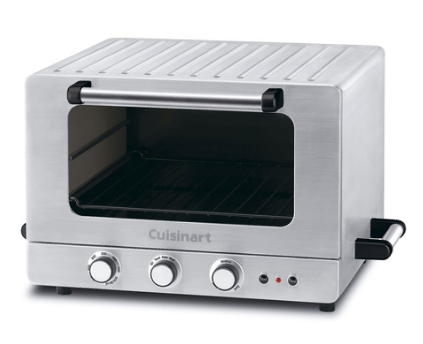
The Cuisinart Brick Oven Classic BRK-100 is a countertop toaster oven broiler with a stainless steel exterior, tinted glass door, permanent brick inserts built into the side walls, and a removable baking stone. It has a listed capacity of about 0.90 cubic feet, which places it in the larger toaster oven category rather than the tiny “two slices and a dream” category.
Its power rating is 1700 watts, and it can reach up to 500°F. That maximum temperature matters because many basic toaster ovens top out lower or struggle to hold high heat. For pizza, flatbread, roasted vegetables, open-faced sandwiches, frozen snacks, and small loaves, the higher heat ceiling gives the BRK-100 more flexibility than a basic toast-only machine.
The key feature is obviously the “brick oven” design. The side bricks and removable stone add thermal mass. In plain kitchen English, they absorb heat and release it steadily. That helps the oven feel less flimsy and more substantial than a lightweight metal box. It also gives crusts and bottoms a better chance of turning crisp instead of pale, soft, and emotionally disappointing.
Main Features and Specifications
0.90 Cubic Foot Interior
The interior is large enough for practical everyday cooking. It can handle toast, small casseroles, personal pizzas, roasted vegetables, fish fillets, chicken pieces, scones, muffins, and side dishes. It is not a replacement for a full-size oven when cooking Thanksgiving dinner for twelve people, unless your guests are squirrels. But for couples, small families, apartments, dorm-style setups where allowed, RVs, and secondary kitchens, the size is useful.
1700 Watts and 500°F Maximum Temperature
With 1700 watts of power, the Cuisinart Brick Oven Classic has enough muscle for serious countertop cooking. The 500°F top temperature is especially helpful for foods that benefit from strong heat, such as pizza, bread, roasted potatoes, garlic toast, and broiled sandwiches. It will not behave like a 700°F indoor pizza oven or a 900°F outdoor wood-fired oven, but it gets hotter than many basic toaster ovens.
Built-In Brick Inserts
The brick inserts are permanently built into the sides of the oven. They are not just decorative panels trying to look rustic for Instagram. Their purpose is to help hold heat and create a more traditional baking environment. The effect is most noticeable when you preheat the oven properly and cook items that need bottom or side heat stability.
Removable Baking Stone
The removable baking stone is one of the most important accessories. It can help improve pizza crust, flatbread texture, and artisan-style bread bottoms. For best results, the stone should be preheated. Putting dough on a cold stone is like sending a race car onto the track with flat tires: technically possible, but why do that to yourself?
Bake, Broil, and Toast Functions
The BRK-100 focuses on three classic cooking modes: bake, broil, and toast. This simplicity is part of its charm. There are no digital presets for “bagel with existential crisis” or “leftover pizza but make it emotional.” You control the temperature, toast shade, and cooking mode manually.
Two Racks for Multi-Level Cooking
The oven includes two racks, making it possible to cook on more than one level. That is handy for toast batches, small cookies, or warming multiple items. However, as with most compact ovens, airflow and heat distribution are tighter than in a full-size oven, so rotating food during cooking can improve evenness.
Stainless Steel Housing and Tinted Glass Door
The industrial-style stainless steel exterior gives the oven a durable, professional look. The tinted glass door helps you monitor cooking without constantly opening the door and dumping heat into the kitchen like a tiny culinary betrayal.
How the Brick Oven Design Changes Cooking
A normal toaster oven heats quickly but can lose heat quickly too. The Cuisinart Brick Oven Classic is different because the bricks and baking stone store heat. This is similar in concept to masonry ovens, which rely on heat-retaining materials to create steady cooking conditions.
In daily use, this means the oven may take a little longer to preheat than a basic toaster oven, especially when the baking stone is inside. That is not a flaw; it is part of the design. Once hot, the stone can help deliver a stronger bottom crust on pizza, bread, and pastries. The brick side walls may also help reduce the thin, uneven heat feeling that some lightweight countertop ovens have.
Still, expectations matter. The BRK-100 is a countertop electric oven with brick elements, not a traditional wood-fired brick oven. It does not produce smoke flavor, leopard-spotted Neapolitan pizza in 90 seconds, or the sudden urge to speak Italian. What it can do is provide better heat retention and a more satisfying baking surface than many ordinary toaster ovens.
Best Uses for the Cuisinart Brick Oven Classic
Pizza and Flatbread
Pizza is the obvious star. The removable stone helps crisp the crust, especially with thin crusts, naan pizzas, pita pizzas, and frozen pizzas. Homemade dough works well too, as long as it is sized properly for the oven. For best results, preheat the stone at a high temperature, use a light dusting of flour or cornmeal, and avoid overloading the pizza with wet toppings. A soggy mountain of sauce, cheese, mushrooms, and regret will challenge any oven.
Toast and Open-Faced Sandwiches
The toast function makes the BRK-100 useful for everyday breakfasts. It can handle toast, bagels, English muffins, garlic bread, and open-faced melts. Because the oven is larger and more powerful than a pop-up toaster, it is also better for irregularly shaped bread. Thick sourdough slices do not have to be squeezed into a slot like luggage in an overhead bin.
Small-Batch Baking
The Cuisinart Brick Oven Classic is well suited to small-batch baking. Cookies, scones, biscuits, muffins, and small loaves can do nicely when monitored carefully. The stone can be useful for bread, while the racks and baking tray are better for cookies and pastries. Because compact ovens can brown quickly, start checking baked goods earlier than you would in a full-size oven.
Roasting Vegetables
Roasted vegetables benefit from high heat. The BRK-100 can turn broccoli edges crisp, brown potatoes, blister peppers, and give carrots a caramelized finish. Toss vegetables with a little oil, spread them in a single layer, and avoid crowding the tray. If the vegetables are stacked like commuters on a subway, they will steam instead of roast.
Reheating Leftovers
This oven is far better than a microwave for reheating foods that should stay crisp. Pizza, fries, roasted chicken, toasted sandwiches, and pastries usually come back to life better in dry heat. The removable stone is especially useful for leftover pizza because it can restore the bottom crust instead of turning it into a floppy triangle of sadness.
What Makes It Different from Modern Countertop Ovens?
Modern countertop ovens often include convection fans, digital screens, air fry baskets, dehydrating modes, smart presets, and sometimes app control. The Cuisinart Brick Oven Classic does not chase that trend. It is more mechanical, more straightforward, and more focused on heat, stone, and stainless steel.
The biggest missing feature is convection. Some later or higher-end Cuisinart brick oven models offered convection or rotisserie features, but the BRK-100 Classic is known for its simpler bake, broil, and toast setup. That means it may not cook as fast or as evenly as newer convection toaster ovens. You may need to rotate trays, watch browning, and learn the hot spots.
On the other hand, modern air fryer toaster ovens often have lightweight interiors and louder fans. The BRK-100’s brick-and-stone setup gives it a different personality. It feels less like a gadget and more like a small countertop oven for people who care about crust. If your kitchen style is “I want fewer buttons and better bread,” the old Cuisinart still makes sense.
Pros and Cons
Pros
- Brick inserts and removable stone: Better heat retention than many basic toaster ovens.
- High heat capability: Up to 500°F for pizza, bread, roasting, and broiling.
- Useful size: 0.90 cubic feet gives enough room for real cooking.
- Simple controls: Easy to understand without reading a novel-length manual.
- Stainless steel design: Classic, durable look that fits many kitchens.
- Good for small households: Saves energy and time compared with heating a full-size oven for small meals.
Cons
- Discontinued model: New units are generally unavailable, so buyers must look at used or secondhand listings.
- No convection on BRK-100: It lacks the fan-assisted cooking found in many modern ovens.
- Longer preheat with stone: The thermal mass needs time to heat properly.
- Parts may be difficult to find: Accessories, trays, stones, and service parts can be limited.
- Older electronics and heating elements: Used units may have wear, uneven heating, or timer problems.
- Not a true high-temperature pizza oven: It reaches 500°F, not the extreme temperatures used for Neapolitan-style pizza.
Buying a Used Cuisinart Brick Oven Classic
Since the Cuisinart Brick Oven Classic BRK-100 is discontinued, buying one today usually means shopping the used market. That can be a smart move, but only if you inspect carefully. A secondhand countertop oven is not like buying a vintage spoon. It has heating elements, controls, wiring, racks, glass, and surfaces that have lived a life.
First, confirm the model number. The BRK-100 is the Classic version. Other BRK models may include different features, such as convection or rotisserie. Next, check whether the removable baking stone is included. The stone is a major part of the oven’s value. Also look for the two racks, baking tray, broiling pan, crumb tray, and manual if available.
Ask whether all heating elements work. The oven should toast, bake, and broil properly. If possible, test whether it reaches higher temperatures. A unit that cannot climb above 350°F may still warm leftovers, but it loses much of what makes the Brick Oven Classic special.
Look closely at the door seal, glass, handles, knobs, interior coating, and brick condition. Some staining is normal in an older oven. Heavy grease buildup, cracked parts, missing trays, or suspicious smells are not charming vintage character; they are red flags wearing oven mitts.
Cleaning and Maintenance Tips
Cleaning the Cuisinart Brick Oven Classic is simple, but the stone and brick features require common sense. Let the oven cool completely before cleaning. Remove crumbs regularly because crumbs love to become smoke, and smoke loves to make your kitchen smell like a campfire with poor planning.
For the baking stone, avoid soaking it in water or washing it with soap. Baking stones are porous and can absorb moisture and odors. Instead, scrape off stuck bits gently after the stone cools, then wipe with a dry or barely damp cloth. Stains on a baking stone are normal. In fact, a spotless baking stone is suspicious, like a gym membership card that has never seen daylight.
For the nonstick interior areas, wipe with a soft cloth or sponge. Avoid metal scouring pads that can damage surfaces. The racks and trays can usually be washed separately with warm water and mild dish soap. Always dry accessories fully before putting them back.
Who Should Consider the Cuisinart Brick Oven Classic?
The Cuisinart Brick Oven Classic is best for someone who wants a sturdy countertop oven with a traditional cooking feel. It is especially appealing to people who bake small batches, reheat pizza often, roast vegetables, make toast daily, or want a compact oven that does more than warm bread.
It is also a good fit for small kitchens where a full-size oven feels excessive for daily cooking. Apartment dwellers, empty nesters, couples, and home cooks who like practical appliances may appreciate it. If you enjoy learning how an oven behaves and adjusting rack position, preheat time, and tray rotation, the BRK-100 can be rewarding.
However, it is not ideal for someone who wants modern convenience above all else. If you need air frying, digital presets, convection, interior lighting, a touchscreen, or app notifications that tell your phone your toast is emotionally ready, choose a newer model. The BRK-100 is more analog, more patient, and more crust-focused.
Cooking Tips for Better Results
Preheat the Stone Properly
For pizza, bread, and flatbread, give the baking stone enough time to heat. A hot stone improves browning and texture. Depending on the recipe, 15 to 25 minutes of preheating can make a noticeable difference.
Use the Right Rack Position
Use lower positions when you want stronger bottom heat and upper positions when broiling or browning the top. For cookies and pastries, the middle position is usually safer. Compact ovens can brown faster than expected, so keep an eye on the first batch.
Rotate Food When Needed
Because the BRK-100 does not rely on convection, rotating food can help prevent uneven browning. Turn pizzas, bread, trays, or vegetables halfway through cooking if one side is browning faster.
Do Not Overcrowd the Oven
Air and heat need space to move. If you pack the tray too tightly, food steams. This is especially true for vegetables, fries, and frozen snacks. Give food breathing room and it will reward you with better texture.
Watch Sugary Foods Carefully
Pastries, glazes, and sweet toppings can brown quickly at high heat. Start checking early. The line between “beautifully caramelized” and “archaeological discovery” can be surprisingly thin.
Cuisinart Brick Oven Classic vs. a Regular Toaster Oven
Compared with a regular toaster oven, the Cuisinart Brick Oven Classic feels more specialized. A basic toaster oven is usually faster to preheat and easier to move, but it may not hold heat as well. The BRK-100’s brick inserts and stone give it an advantage for foods where crust and heat stability matter.
For toast alone, a regular toaster oven may be enough. For frozen pizza, reheated slices, bread, roasted vegetables, and broiled dishes, the Cuisinart has a stronger argument. It is not just about getting food hot. It is about texture. Crispy edges, browned tops, and firm bottoms are where this oven earns its counter space.
Still, the BRK-100 asks for more patience. It is heavier, older, and less feature-packed. If you simply want toast in a hurry, this oven may feel like bringing a cast-iron skillet to a cereal breakfast. But if you want a small oven that behaves with a little more substance, the brick design is the point.
Final Verdict: Is the Cuisinart Brick Oven Classic Still Worth It?
The Cuisinart Brick Oven Classic remains interesting because it solves a real kitchen problem: how to get better baking and crisping from a countertop oven. Its 0.90 cubic foot capacity, 1700-watt power, 500°F maximum temperature, brick inserts, removable baking stone, stainless steel housing, and bake/broil/toast functions make it more than a basic toaster oven.
Its weaknesses are equally clear. It is discontinued, it lacks convection, replacement parts may be limited, and used units require careful inspection. It is not the best choice for someone who wants the newest air fryer toaster oven or a high-temperature indoor pizza oven. But for the right buyer, especially one who finds a clean working unit with the stone and accessories included, the BRK-100 can still be a charming and capable countertop workhorse.
Think of it as the sensible, slightly old-fashioned friend who shows up with homemade bread instead of an app-connected gadget. It may not be trendy, but it knows how to brown a crust.
Additional Experience Notes: Living With a Countertop Brick Oven
Using a countertop brick oven like the Cuisinart Brick Oven Classic changes the rhythm of small-kitchen cooking. The first lesson is patience. With a lightweight toaster oven, many people toss food in almost immediately and hope for the best. With the BRK-100, preheating matters more. The brick inserts and baking stone need time to absorb heat. Once you accept that, the oven becomes easier to love. It is not slow in a bad way; it is deliberate, like a cook who sharpens the knife before chopping onions.
Pizza is usually the first experiment, and it teaches the most. A thin crust placed on a properly heated stone can come out with a firm bottom and nicely browned edges. The cheese melts well, the sauce thickens slightly, and the crust avoids the limp texture that often happens in a microwave. However, the oven also teaches restraint. Too much sauce or too many wet toppings can overwhelm the crust. Mushrooms, fresh tomatoes, and heavy cheese should be used thoughtfully. The BRK-100 rewards balance. It politely punishes chaos.
Toast is another everyday test. Thick slices of sourdough, bakery bread, and split rolls work especially well because the oven has enough interior room for awkward shapes. Unlike a pop-up toaster, it does not care whether your bread is perfectly rectangular. That makes breakfast more flexible. You can toast bread, melt cheese, warm a pastry, or crisp a breakfast sandwich without switching appliances. The results may require a little knob learning, but once you know your preferred shade, the process becomes easy.
For weeknight dinners, roasted vegetables are one of the best uses. Small batches of potatoes, carrots, zucchini, asparagus, peppers, and broccoli can cook without heating the full-size oven. This is helpful in summer, when turning on a large oven feels like inviting a dragon into the kitchen. The Cuisinart still gives off heat, of course, but the smaller chamber is more manageable. A tray of vegetables with olive oil, salt, pepper, and garlic can become a fast side dish with crispy edges and concentrated flavor.
Baking small items is also satisfying, especially biscuits, scones, garlic knots, and small loaves. The stone gives bread a better base, while the compact chamber helps the oven feel efficient. Still, monitoring is important. Small ovens can brown faster near the heating elements, and older units may have hot spots. Rotating the tray halfway through baking is a simple habit that improves results. It is not complicated; it is just the countertop oven version of paying attention.
Cleaning becomes part of the experience too. The baking stone will stain, and that is normal. Trying to keep it showroom-clean is a losing battle and, frankly, a boring one. A seasoned stone tells the story of pizzas, breads, and reheated midnight snacks. The real goal is removing crumbs, grease, and stuck food before they smoke. Regular light cleaning is easier than heroic deep cleaning later.
The biggest ownership lesson is that the Cuisinart Brick Oven Classic feels different from modern digital ovens. It is more tactile. You turn knobs, watch the food, listen for bubbling cheese, and learn how the oven behaves. For some cooks, that is a drawback. For others, it is exactly the charm. It makes countertop cooking feel a little more hands-on, a little more traditional, and a lot more satisfying when the crust comes out right.
Editorial Note: This article was created from real product information, official-style specifications, manual-based guidance, retailer listings, and long-running owner discussions about the Cuisinart Brick Oven Classic BRK-100. Since the model is discontinued, current availability, accessory condition, and used-market pricing can vary widely.

