
Body Care
An RD Reviews Sprinly in 2024
Jul
Editor’s Note: This review-style article is written for general nutrition education and consumer guidance. It is not medical advice, and anyone with food allergies, kidney disease, diabetes, digestive disorders, pregnancy-related nutrition needs, or a prescribed diet should consult a registered dietitian or qualified clinician before changing meal plans.
Introduction: Can a Vegan Meal Delivery Service Actually Save Dinner?
There are nights when “cooking from scratch” sounds romantic, and then there are nights when opening the fridge feels like staring into a cold, judgmental cave. That is exactly where Sprinly tries to step in. Sprinly is a prepared plant-based meal delivery service that ships fresh, fully cooked vegan meals to your door. No chopping onions. No scrubbing pans. No pretending that a handful of crackers counts as dinner.
In this RD-style review of Sprinly in 2024, we are looking at the service through a nutrition-first lens: ingredients, protein, fiber, sodium, portion size, convenience, price, taste, and who this meal delivery service is actually best for. Sprinly positions itself as a 100% plant-based, gluten-free, organic-focused meal service with no refined sugar or artificial preservatives. The company offers weekly prepared meals that can be heated in about three minutes and eaten for lunch or dinner.
For people who want to eat more vegetables but do not want to spend Sunday wrestling a mountain of kale, Sprinly has obvious appeal. But is it worth the price? Is it filling enough? Does it meet the standards a registered dietitian would look for in a balanced meal? Let’s plate it up and find out.
What Is Sprinly?
Sprinly is a weekly prepared meal delivery service built around vegan, plant-based meals. Unlike traditional meal kits that send raw ingredients and recipe cards, Sprinly meals arrive already cooked. You refrigerate them, heat them when ready, and eat. The service is designed for people who want healthy plant-based meals without grocery shopping, meal prep, or the classic “I bought fresh herbs and used three leaves” situation.
The meals are single-serving and generally intended for lunch or dinner. Sprinly’s menu rotates weekly, and customers typically choose from six meal options per week. Plans are available in 6, 12, or 18 meals. Current public pricing has commonly listed the 6-meal plan at $109 per week, the 12-meal plan at $199 per week, and the 18-meal plan at $299 per week. That puts Sprinly in the premium prepared meal delivery category rather than the budget grocery category.
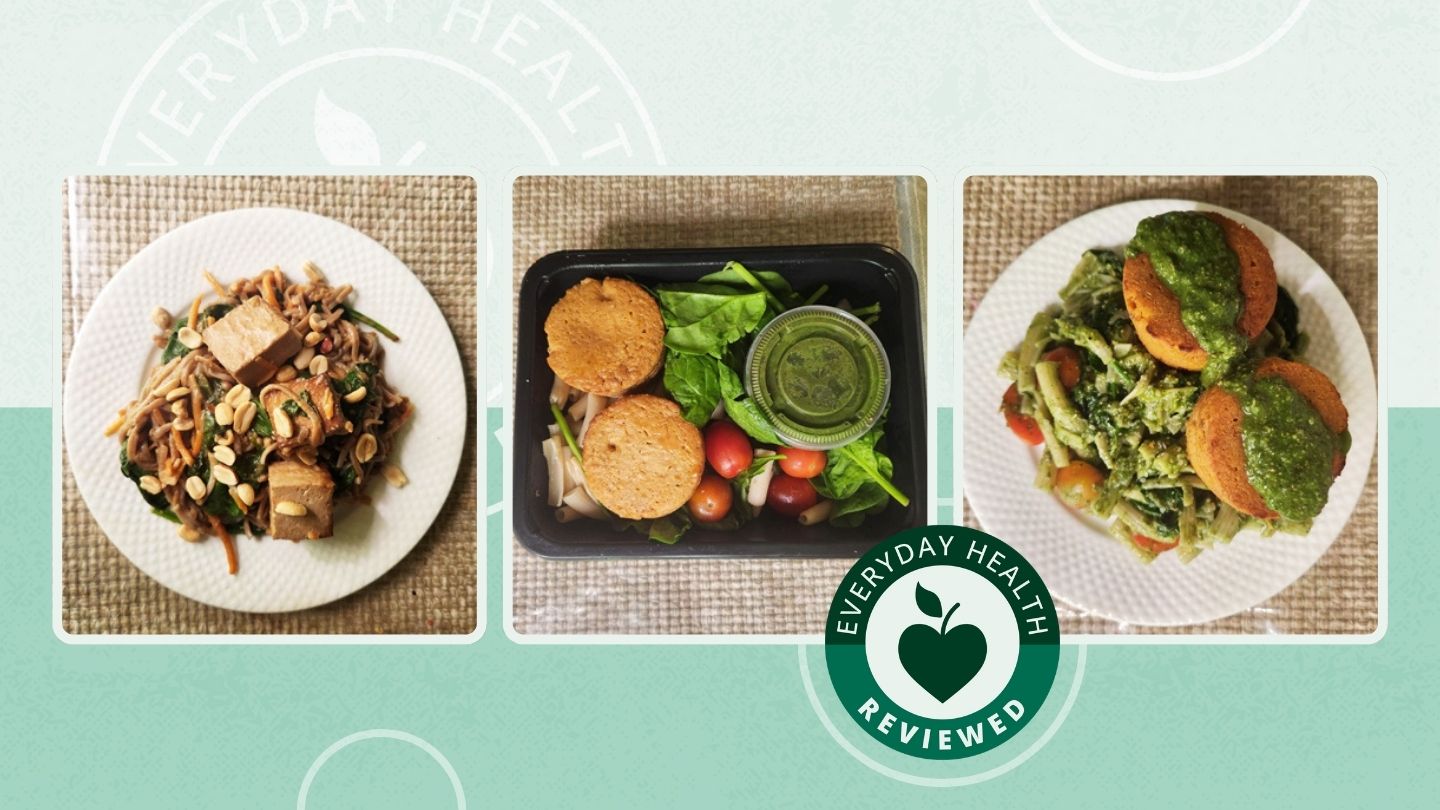
Sprinly emphasizes organic ingredients, whole foods, gluten-free recipes, plant-based proteins, fresh vegetables, legumes, whole grains, nuts, seeds, and house-made sauces. Meals may include dishes such as gluten-free pasta with bean-packed marinara, peanut soba noodles with tofu and broccoli, chipotle sweet potato hash with plant-based chorizo crumble, lentil bolognese, vegetable curries, quinoa bowls, and salads with hearty toppings.
How Sprinly Works
1. Choose a Plan
Customers choose how many meals they want each week. The plans are simple: 6, 12, or 18 meals. For one person, six meals may cover several lunches or dinners. For couples or small households, the larger plans make more sense. Families with big appetites may find the service helpful but expensive if used as a full replacement for cooking.
2. Select Meals from the Weekly Menu
Each week, Sprinly posts a limited rotating menu. The limited menu is both a strength and a weakness. It helps Sprinly focus on quality and reduce food waste, but it can feel restrictive if you are a picky eater or need lots of variety. You can usually adjust quantities, repeat meals you like, and skip meals you do not want.
3. Meals Arrive Fresh, Not Frozen
Sprinly ships meals fresh in insulated packaging with ice packs. They are not frozen dinners, which helps explain the fresh texture of salads, grains, vegetables, and sauces. Once delivered, meals should be stored in the refrigerator and eaten within the recommended freshness window. Some meals may be marked “Eat Me Earlier,” which is basically the meal-delivery version of “please don’t forget me behind the oat milk.”
4. Heat and Eat
Most meals include microwave and stovetop instructions and can be ready in about three minutes. This is one of Sprinly’s biggest advantages. Compared with cooking from scratch, the time savings are significant. Compared with takeout, Sprinly usually offers more vegetables, more fiber, and more transparency around ingredients.
RD Nutrition Review: What Sprinly Gets Right
High in Plant Foods
From a registered dietitian perspective, Sprinly’s biggest win is its emphasis on whole plant foods. Many meals include vegetables, beans, lentils, tofu, quinoa, rice, gluten-free pasta, nuts, seeds, herbs, and sauces made from recognizable ingredients. These foods naturally provide fiber, vitamins, minerals, antioxidants, and phytonutrients.
Most Americans do not eat enough fiber, fruits, vegetables, legumes, or whole grains. A service like Sprinly can help close that gap because the meals are built around those foods rather than treating vegetables like a sad garnish hiding next to the fries. Fiber supports digestive health, fullness, cholesterol management, and blood sugar stability. Meals with beans, lentils, quinoa, tofu, vegetables, and whole grains can be especially helpful for people trying to eat more plant-forward meals.
Good Fiber Potential
Many Sprinly meals are fiber-friendly because they use beans, lentils, vegetables, quinoa, brown rice, sweet potatoes, and leafy greens. Some menu examples list fiber in the double digits per serving, which is impressive for a prepared meal. A bean-packed marinara, for example, can offer far more fiber than a standard refined pasta dish. That matters because fiber is one of the most under-consumed nutrients in the American diet.
However, if you are not used to eating many beans or vegetables, start slowly. Going from low fiber to “hello, lentils!” overnight can make your digestive system file a formal complaint. Drink water, space meals out, and let your gut adjust.
Lower Saturated Fat Than Many Takeout Meals
Because Sprinly meals are fully plant-based and do not use meat or dairy, many dishes are naturally lower in saturated fat than typical takeout meals built around cheese, cream, butter, bacon, or fatty cuts of meat. That does not automatically make every plant-based meal perfect, but it is a meaningful advantage for people watching heart health markers.
Meals that use tofu, beans, lentils, nuts, seeds, olive oil, and vegetables can support a heart-conscious dietary pattern. As always, portions and overall diet matter. A cashew-based sauce is still calorie-dense, but it usually brings more unsaturated fat and micronutrients than a heavy cream sauce.
Mindful Sodium Compared with Many Prepared Foods
Prepared meals often come with a sodium problem. Some frozen dinners and restaurant meals can turn into salt bricks wearing sauce. Sprinly generally appears more sodium-conscious than many conventional prepared meals, with several meals listing moderate sodium levels rather than extreme numbers. That is a plus.
That said, sodium needs vary. Athletes, people who sweat heavily, and some individuals with low blood pressure may need more sodium, while people with hypertension, kidney disease, or heart failure may need less. A registered dietitian would recommend checking the nutrition label for each meal rather than assuming all Sprinly meals fit every medical diet.
No Refined Sugar or Artificial Preservatives
Sprinly promotes meals made without refined sugar and artificial preservatives. Some meals may still include natural sweeteners such as maple syrup or date syrup, so “no refined sugar” does not always mean “zero sugar.” Still, using sauces and dressings made from whole-food ingredients can be a better choice than many ultra-processed prepared meals.
Where Sprinly Falls Short
Protein Can Be Inconsistent
One of the biggest RD concerns with Sprinly is protein variability. Some meals contain a solid amount of plant protein from tofu, lentils, beans, quinoa, nuts, seeds, or plant-based crumbles. Others may be lighter, especially salad-style meals or vegetable-heavy bowls. For many adults, a satisfying meal should generally include a meaningful protein source. People with higher protein needsathletes, older adults, pregnant people, or those trying to maintain muscle while losing weightmay need to add extra tofu, edamame, beans, tempeh, seitan if tolerated, or a side protein.
For example, a tofu noodle bowl with around 30 grams of protein is much more meal-complete than a lighter vegetable salad with modest protein. Sprinly can absolutely fit into a high-quality diet, but customers should read each meal’s nutrition facts instead of assuming every dish has the same protein punch.
The Menu Is Limited
Sprinly typically offers six meals per week. For some customers, that is enough. For others, six options may feel like culinary speed dating: exciting at first, then suddenly you have seen everyone before. If you love variety, global flavors, breakfast choices, snacks, smoothies, desserts, or custom protein swaps, Sprinly may feel too narrow.
The upside is that a smaller menu can support freshness, operational consistency, and reduced food waste. The downside is that picky eaters, large households, and people with multiple allergies may struggle to find enough meals they genuinely want each week.
It Is Expensive
Sprinly is not pretending to be a bargain-bin dinner solution. At roughly $16 to $18 per meal depending on the plan, it costs more than cooking beans, rice, vegetables, and tofu at home. It may also cost more than some casual takeout options. The value depends on what you are replacing.
If Sprinly replaces homemade meal prep, it is expensive. If it replaces last-minute restaurant delivery, unused groceries, and stress-snacking cereal over the sink, the math becomes more favorable. The service is best viewed as a convenience-and-health investment, not the cheapest way to eat vegan.
Not Ideal for Every Allergy
Sprinly meals are plant-based and made in a gluten-free kitchen, but that does not mean every meal is safe for every allergy. Many meals use nuts, soy, sesame, coconut, or other common allergens. Cashew sauces, tofu, walnuts, and peanuts appear in various plant-based menus. Anyone with food allergies should review ingredient lists carefully before ordering.
Taste and Texture: Fresh, Colorful, and Usually Satisfying
Prepared vegan meals can go wrong in two common ways: bland “health food” energy or mushy microwave sadness. Sprinly generally avoids both by leaning into fresh vegetables, herbs, spices, grains, legumes, and creamy plant-based sauces. The meals tend to look colorful and feel more like something from a health-focused cafe than a freezer aisle dinner.
The strongest meals are usually bowls and entrees that combine vegetables, a starch, a protein, and a flavorful sauce. Think sweet potatoes with plant-based chorizo crumble, tofu with noodles and vegetables, lentil bolognese with gluten-free pasta, or quinoa bowls with roasted vegetables and vinaigrette. These meals provide contrast: soft grains, crisp vegetables, creamy sauces, chewy tofu, and crunchy toppings.
The lighter meals may need help. A salad can be delicious, but if it is low in calories or protein, it may not carry you from lunch to dinner without a snack. A practical RD tip: keep easy add-ons nearby. Add avocado, roasted chickpeas, hemp seeds, edamame, fruit, whole-grain toast, or a protein smoothie if a meal feels too light.
Who Should Try Sprinly?
Busy Professionals
Sprinly is a strong fit for busy professionals who want healthy lunches or dinners ready in minutes. If your workday regularly ends with “I have no energy to cook,” these meals can prevent the takeout spiral.
Plant-Based Beginners
People who want to eat more plant-based meals but do not know what to cook may find Sprinly useful. It introduces combinations like lentils, quinoa, tofu, sweet potatoes, cashew sauces, vegetable curries, and gluten-free pastas in a low-effort format.
Vegans and Vegetarians
Vegans and vegetarians often have fewer prepared meal options than omnivores. Sprinly’s fully plant-based model removes the need to scan menus for hidden dairy, eggs, or meat-based broths.
People Avoiding Gluten
Sprinly’s gluten-free focus may appeal to people avoiding gluten. However, those with celiac disease should verify current practices and certification details before relying on any service, especially if cross-contact is a concern.
Who May Want to Skip Sprinly?
Budget-Focused Shoppers
If your main priority is saving money, cooking at home will almost always beat Sprinly. A pot of lentil soup, roasted vegetables, rice, and tofu can feed several people for the price of one or two prepared meals.
High-Protein Eaters
Sprinly can work for higher-protein diets, but not automatically. Some meals are protein-rich, while others are more moderate. If you track protein closely, check labels before selecting meals and plan add-ons.
Picky Eaters
Sprinly uses global flavors, legumes, tofu, nuts, vegetables, herbs, and sauces. If you dislike many plant foods or need plain meals, the menu may feel adventurous in a “why is there beet in my burger?” way.
Large Families
Because meals are individually portioned and premium-priced, Sprinly may not be practical for feeding a large household every day. It may work better as a backup option for busy nights.
RD Verdict: Is Sprinly Healthy?
Yes, Sprinly can be a healthy choice for many people. From a dietitian’s perspective, the service has several strong nutrition qualities: plant-forward meals, whole-food ingredients, meaningful fiber, moderate saturated fat, colorful produce, and convenient portions. It can help people eat more vegetables, beans, lentils, tofu, and whole grains without spending hours in the kitchen.
The main nutrition caveat is balance. Not every meal will be equally filling or protein-rich. A meal that contains 16 grams of protein may be adequate for some people but too low for others. A meal with 30 grams of protein and 15 grams of fiber is a different story. The smartest way to use Sprinly is to choose meals intentionally: look for protein, fiber, calories, sodium, and allergens before ordering.
Overall, Sprinly is best for someone who values convenience, plant-based eating, organic-focused ingredients, and fresh prepared meals enough to pay a premium. It is not the cheapest option, not the most customizable option, and not the highest-protein meal service. But for the right customer, it can make healthy eating feel much easierand sometimes that is exactly what keeps a good habit alive.
How to Make Sprinly Meals More Balanced
Add Protein When Needed
If a meal is lower in protein, add baked tofu, edamame, roasted chickpeas, lentils, tempeh, hemp seeds, or a side of soy yogurt. This is especially useful after workouts or for anyone who needs longer-lasting fullness.
Add Healthy Fats for Staying Power
Avocado, tahini, pumpkin seeds, walnuts, or olive oil can help lighter meals feel more satisfying. Do not go wildthis is dinner, not an oil slickbut a small addition can improve fullness.
Pair Light Meals with Fruit or Soup
If a salad or vegetable bowl feels too light, pair it with fruit, a small soup, roasted potatoes, or whole-grain toast if tolerated. This keeps the meal plant-based while adding energy and satisfaction.
Watch Sodium If You Need To
Sprinly may be more sodium-conscious than many prepared meals, but sodium still varies by dish. People with medical sodium restrictions should check each label carefully.
Sprinly Compared with Takeout
Compared with typical takeout, Sprinly often wins on vegetables, fiber, saturated fat, and ingredient transparency. It also removes decision fatigue. Instead of scrolling through delivery apps like you are choosing a life partner, you open the fridge and dinner is already there.
However, takeout may win on indulgence, portion size, and immediate variety. Sprinly is not trying to be greasy pizza or loaded nachos. It is trying to be the meal you feel good after eating. That distinction matters. If you want comfort food, takeout may satisfy the craving. If you want a convenient meal that supports your health goals, Sprinly is the stronger option.
Sprinly Compared with Cooking at Home
Cooking at home is usually cheaper and more customizable. You control salt, spice, protein, portion size, and ingredients. You can also batch cook for far less money. But home cooking requires planning, shopping, chopping, cleaning, and time. Those are not tiny details. They are the exact reasons many people abandon healthy eating during busy weeks.
Sprinly is not better than home cooking in every way. It is better than not eating well because you are too tired to cook. That is where prepared meal delivery services can be genuinely useful. They create a bridge between “I want to eat better” and “I actually did.”
500-Word Experience Section: What Using Sprinly Feels Like in Real Life
Using Sprinly feels less like ordering a meal kit and more like hiring a very organized plant-based friend who shows up once a week with a cooler full of lunches. The first experience is mostly about relief. The meals are already cooked, the labels are clear, and the fridge suddenly looks like someone with their life together lives in your house. Whether that is true is between you and your laundry basket.
The best part is the mental convenience. You do not have to ask, “What should I eat?” six times a week. You already know. There is a colorful container waiting for you. That matters more than people think. A lot of unhealthy eating is not caused by a lack of nutrition knowledge. Most people know vegetables are helpful. The problem is timing, energy, stress, and decision fatigue. Sprinly solves the “I cannot think anymore” part of dinner.
The meals also make plant-based eating feel approachable. Instead of building a vegan meal from scratch, you get to taste how ingredients work together: tofu with noodles and sauce, lentils with pasta, beans blended into marinara, sweet potatoes paired with smoky spices, or quinoa topped with roasted vegetables. For someone who is new to vegan meals, this can be educational. You may learn that cashew sauce can be creamy, lentils can be hearty, and tofu does not have to taste like a kitchen sponge with commitment issues.
There are some practical realities. The meals take up fridge space, so plan accordingly. If your refrigerator is already packed with condiments from 2019, make room before delivery day. Also, because the meals are fresh rather than frozen, they are not meant to be forgotten. This is not a stockpile service. It is a “eat these this week” service. The freshness is part of the appeal, but it requires a little organization.
Some meals feel dinner-worthy right out of the container. Others may need backup. If a meal is lighter, add a side or snack. A banana with peanut butter, roasted chickpeas, edamame, fruit, soup, or avocado toast can turn a lighter Sprinly meal into something more satisfying. This is not a failure of the service; it is normal meal personalization.
The biggest emotional win is that Sprinly can make healthy eating feel less like a project. There are no pots stacked in the sink. No cutting board covered in beet juice. No mystery herbs wilting in the produce drawer. You heat the meal, eat it, and move on with your day. For busy parents, professionals, students, caregivers, or anyone trying to eat better during a chaotic season, that convenience can be powerful.
The biggest drawback is cost. Sprinly is a premium service, and you feel that at checkout. It makes the most sense when used strategically: during demanding workweeks, postpartum periods, exam seasons, travel recovery, kitchen renovations, or any time your normal cooking rhythm collapses. It may not need to be an every-week subscription. For many people, Sprinly works best as a flexible support toolsomething you use when life gets busy and you want your meals to stay nutritious instead of becoming a rotating cast of takeout containers.
Final Verdict
Sprinly is a strong prepared meal delivery option for people who want organic-focused, vegan, gluten-free meals that are fresh, colorful, and easy to heat. From an RD perspective, the meals shine in their use of vegetables, legumes, whole grains, plant proteins, fiber-rich ingredients, and thoughtful sauces. The service can help people eat more plant-based meals without the friction of planning and cooking.
It is not perfect. The menu is limited, the price is high, and some meals may need more protein or calories depending on your needs. But if you are a busy person trying to eat more plants, reduce takeout, and keep healthy meals within arm’s reach, Sprinly is absolutely worth considering in 2024.
The RD bottom line: Sprinly is not a magic wand, but it is a very convenient fork. Use it wisely, choose higher-protein meals when possible, add sides when needed, and let it make healthy eating easier during the weeks when cooking feels like a competitive sport.

