
Hair Care
Am I Chopped? Take This Quiz to Find Out
Aug
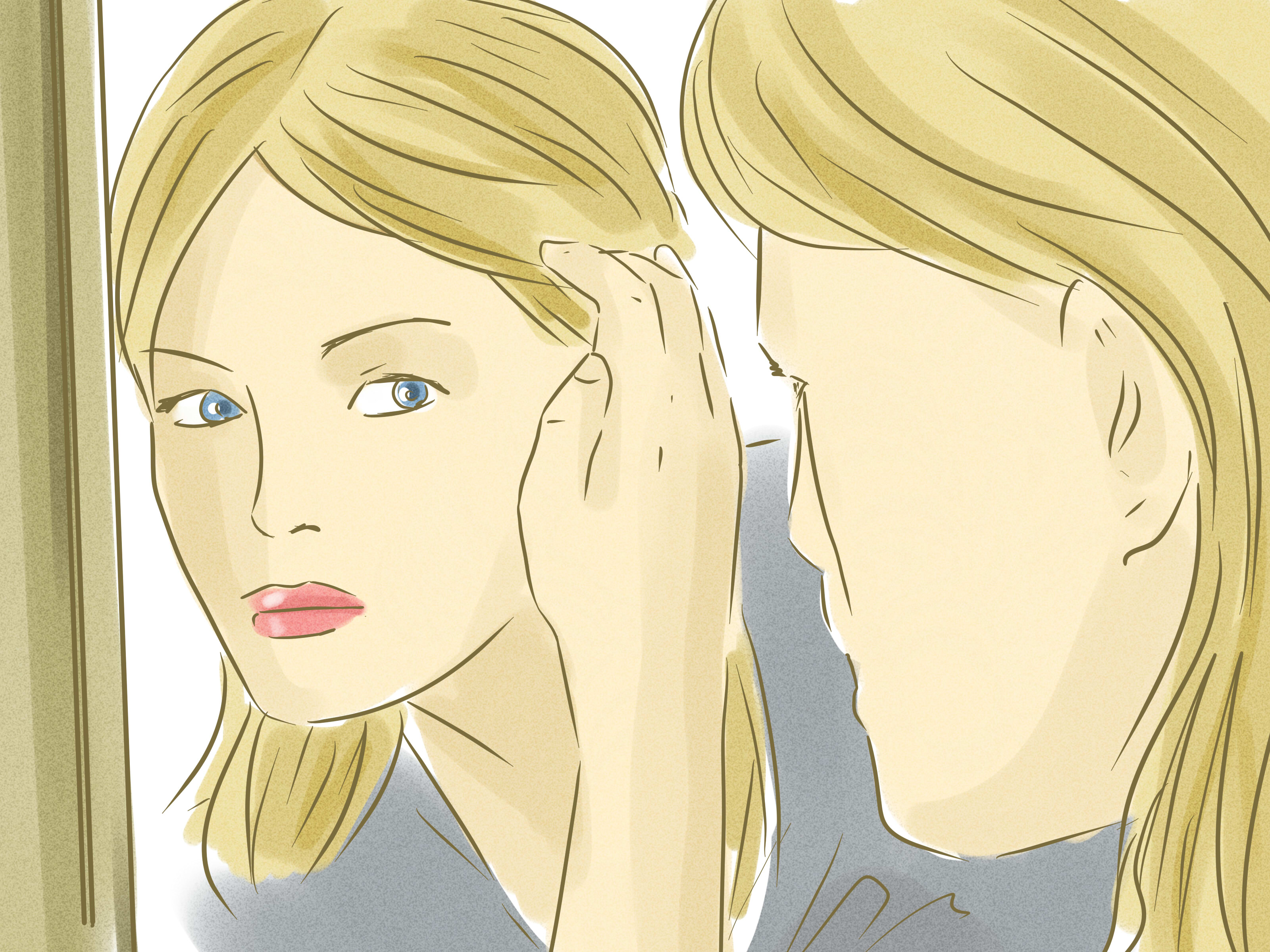
One bad selfie, an uncooperative haircut, or a five-minute scroll through impossibly polished faces can trigger a surprisingly dramatic question: “Am I chopped?” Before you begin drafting a formal apology to every mirror you have ever encountered, take a breath. Your appearance probably did not collapse overnight like a folding lawn chair.
In current internet slang, “chopped” generally means unattractive, uncool, or poorly presented. It is often used jokingly among friends, but it can also become a blunt appearance-based insultespecially when teens use it to rank or exclude people online.
This “Am I Chopped?” quiz will not measure facial symmetry, calculate your jawline angle, or consult an international council of cheekbones. Instead, it explores grooming, confidence, body language, self-talk, social-media habits, and the way you respond to other people’s opinions. Those factors often shape how attractive you feeland how comfortably you present yourselffar more than a single awkward photograph.
What Does “Chopped” Really Mean?
Online, someone may be called chopped because of their face, hairstyle, outfit, posture, dating profile, or general “vibe.” The term is intentionally vague, which makes it convenient for teasing and terrible for objective analysis.
A person may look fantastic to one group and completely ordinary to another. Lighting changes. Trends change. Haircuts grow back. Attraction also depends on expression, familiarity, humor, voice, energy, style, kindness, and personal preference. A screenshot captured while you were chewing should therefore not be accepted as legally binding evidence.
Feeling chopped is not the same as being unattractive
Sometimes “I look terrible” really means “I am tired,” “I dislike this outfit,” “my skin is irritated,” or “I have compared myself with edited content for 45 consecutive minutes.” Social-media platforms can repeatedly serve appearance-focused material, encouraging users to compare ordinary faces and bodies with carefully selected, filtered, posed, and professionally lit images. Health organizations warn that this cycle may weaken confidence or turn normal self-improvement into unhealthy preoccupation.
Important quiz rule
This is an entertainment and self-reflection quiz, not a psychological assessment or beauty test. Select the response that sounds most like your usual behavior, not the answer you think would earn approval from the imaginary judges.
Am I Chopped? Take the Quiz
Give yourself zero points for each A answer, one point for each B answer, and two points for each C answer. Record your total after answering all 15 questions.
-
What happens when you see an unflattering photo of yourself?
A. I laugh, delete it if necessary, and continue living.
B. I inspect it longer than I should but eventually move on.
C. I treat it like a forensic report proving that my entire appearance is doomed.
-
How would you describe your everyday grooming routine?
A. Clean, comfortable, and appropriate for my lifestyle.
B. Inconsistent, but I know what makes me feel presentable.
C. I have either abandoned grooming or turned it into a stressful two-hour engineering project.
-
How often do you compare your face or body with influencers?
A. Rarely. I know online images are selected and frequently enhanced.
B. Sometimes, especially when I am already feeling insecure.
C. Constantly. My brain runs an unauthorized comparison tournament every day.
-
What is your posture like in social situations?
A. Usually relaxed and open.
B. I sometimes shrink into myself when I feel nervous.
C. I fold inward like a nervous camping chair and avoid being noticed.
-
How do your clothes usually fit?
A. They fit comfortably and reflect at least some part of my personality.
B. My wardrobe is functional, although several pieces are not doing me favors.
C. I choose clothes mainly to hide myself or copy trends I do not actually enjoy.
-
What do you do when someone gives you a sincere compliment?
A. I say thank you.
B. I feel awkward but try to accept it.
C. I argue with the person until they regret mentioning my appearance.
-
How much does one rude comment affect you?
A. It may sting, but I consider the source and keep perspective.
B. I replay it for a while before letting it go.
C. One random commenter can overturn years of evidence from friends, family, and actual mirrors.
-
How often do you check your reflection?
A. When it is useful, such as before leaving home.
B. More frequently when I am having an insecure day.
C. Repeatedlyor I avoid mirrors completely because they cause distress.
-
How do you feel before meeting new people?
A. Curious about whether we will get along.
B. Nervous about the impression I will make.
C. Convinced they will reject me because of my appearance.
-
What is your relationship with filters and photo editing?
A. I may use them creatively, but I still recognize my real face.
B. I prefer edited photos but can post natural ones.
C. My edited face has become the standard against which I criticize my actual face.
-
How much sleep are you usually getting?
A. Enough to function without looking and feeling permanently haunted.
B. My sleep schedule needs work.
C. I sleep like a raccoon managing three startups and then blame my bone structure.
-
How do you behave around people you find attractive?
A. I remember that they are ordinary humans and speak normally.
B. I become self-conscious but remain reasonably functional.
C. I mentally rank myself beneath them and assume I should not even say hello.
-
How often do you criticize other people’s looks?
A. Rarely. Appearance is not a character evaluation.
B. Occasionally, especially when friends start doing it.
C. Frequently. Ranking other people has become a way to protect my own confidence.
-
Does worrying about your appearance stop you from doing things?
A. Not usually.
B. Sometimes I avoid photos, events, or conversations.
C. I regularly miss activities, dates, school, work, or social opportunities because I feel unacceptable.
-
Which statement sounds most like your inner voice?
A. “I have good days, rough days, and plenty to offer beyond appearance.”
B. “I would feel better if I improved a few things.”
C. “I must become attractive before I deserve confidence, connection, or happiness.”
Your “Am I Chopped?” Quiz Results
0–8 Points: Probably Not ChoppedJust Human
You appear to have a reasonably balanced relationship with your looks. You can notice an unfortunate angle without assuming your ancestors have personally failed you. You understand that grooming and style can influence presentation, but they do not determine your worth.
Continue maintaining the basics: adequate sleep, comfortable clothing, regular hygiene, enjoyable movement, and friendships that are not built around insulting one another. Your greatest advantage may be your ability to participate in life without waiting to look perfect first.
9–17 Points: The Algorithm Has Been Seasoning Your Brain
Your appearance is probably not the central problem. You may simply be overexposed to comparisons, trends, filters, appearance ratings, or jokes that quietly damage confidence. You can still see yourself realistically on good days, but your opinion becomes harsher when you are tired, rejected, photographed badly, or scrolling too long.
Try unfollowing accounts that consistently make you feel inadequate. Add content related to humor, art, sports, books, nature, skills, or hobbies so your feed stops behaving like a 24-hour facial inspection department. Research suggests that reducing social-media exposure can improve how some teens and young adults feel about their appearance, particularly when previous use has been heavy or comparison-focused.
18–24 Points: Your Confidence Is Under Construction
You may be confusing low confidence with low attractiveness. Your answers suggest that self-consciousness, avoidance, or appearance checking has begun affecting how you present yourself. When you enter a room expecting rejection, you may avoid eye contact, speak quietly, close your posture, or withdraw from conversations. Other people then have fewer opportunities to notice your humor, warmth, intelligence, and personality.
Start with achievable changes rather than an extreme makeover. Choose a haircut you can realistically maintain. Wear clean clothes that fit your current body. Improve your sleep routine. Practice looking up when you walk. Speak to yourself with the same fairness you would offer a friend. None of these steps turns you into a different person; they make it easier for the existing person to show up.
25–30 Points: This Is Not a Looks VerdictIt Is a Distress Signal
A high score does not mean you are chopped. It means thoughts about appearance may be consuming too much attention or limiting daily life. Repeatedly checking mirrors, constantly seeking reassurance, avoiding social situations, or spending hours focused on perceived flaws can occur with serious body-image difficulties. Body dysmorphic disorder, for example, involves persistent distress about perceived appearance flaws that may appear minor or invisible to others.
You cannot diagnose yourself with an online quiz, but you deserve support if appearance worries are interfering with school, work, relationships, eating, sleep, or social activities. Consider talking with a licensed mental health professional, physician, school counselor, or trusted adult. Seeking assistance is not an admission that your fears are correct. It is a decision to stop letting those fears control the schedule.
How to Look and Feel Less “Chopped” Without Losing Your Mind
Master the unexciting basics
The internet loves dramatic transformations because “person drinks water, washes pillowcase, and gets eight hours of sleep” is not thrilling television. Nevertheless, the basics work. Maintain regular hygiene, dental care, clean clothing, manageable hair, and a sleep schedule that does not require negotiations with the moon.
Choose fit before fashion
A trendy outfit that pinches, slides, or makes you uncomfortable will rarely create confidence. Start with fit, comfort, and proportion. Then add colors, accessories, or details that feel personal. Style should help you communicate something about yourself, not disguise you as somebody currently popular on an app.
Improve your environment, not just your face
Harsh overhead lighting has started more confidence crises than it will ever admit. Clean your camera lens, use natural light when possible, and stop judging yourself through the distorted close-up view of a front-facing camera held six inches from your nose.
Practice body neutrality
You do not have to wake up every morning declaring that every feature is magnificent. A more realistic goal is body neutrality: recognizing that your body carries you through life even when you do not feel especially attractive. You can respect your face without composing a love song about your pores.
Build qualities that survive bad lighting
Humor, curiosity, reliability, kindness, conversational skills, competence, and emotional maturity remain attractive after the ring light is switched off. Develop interests that make you feel capable. Learn to ask good questions. Become the person who remembers names, keeps promises, and makes others feel welcome.
Do not participate in appearance-based bullying
Calling people chopped may seem harmless inside a friend group, but repeated public insults, humiliating posts, and cruel comments can become bullying or cyberbullying. Federal anti-bullying guidance defines cyberbullying as sharing harmful, false, or mean content through digital devices and platforms.
Confidence built by ranking other people is extremely fragile. The moment someone more stylish or conventionally attractive appears, the entire structure collapses. A better strategy is to develop self-respect that does not require a human sacrifice.
A Seven-Day “Unchopped” Confidence Reset
Day 1: Remove or mute five accounts that reliably make you criticize your appearance.
Day 2: Assemble one clean, comfortable outfit that fits properly and feels like you.
Day 3: Replace one harsh thought with a neutral observation. Change “I look disgusting” to “I dislike this photo and can take another.”
Day 4: Improve one practical grooming habit, such as washing makeup brushes, trimming facial hair, moisturizing dry skin, or scheduling a haircut.
Day 5: Spend time doing something skill-based rather than appearance-based.
Day 6: Attend or initiate one social interaction without waiting to feel perfectly confident.
Day 7: Take a photograph in ordinary natural light. Do not zoom in. Do not inspect individual features. View the whole person, because that is what everyone else sees.
Experiences: What People Often Learn After Asking “Am I Chopped?”
The following examples are realistic composite experiences created to illustrate common patterns. They are not descriptions of specific identifiable individuals.
The haircut that became a personality crisis
Jordan booked a haircut after seeing a heavily styled reference photo online. The result was not disastrous, but it sat differently on Jordan’s hair texture and required much more styling than expected. After receiving two jokes from friends, Jordan decided the haircut had revealed a permanent truth: “I am chopped.” For several days, hats became mandatory equipment.
The situation improved after a different barber reshaped the sides and explained how to style the top in five minutes. More importantly, Jordan realized that embarrassment had magnified a temporary grooming problem into a verdict about the entire face. The haircut was imperfect. The person underneath it had not changed.
The selfie that looked nothing like the mirror
Maya felt comfortable with her appearance until she started recording short videos with the front-facing camera. Certain angles made her nose appear larger and her face look longer. She began taking dozens of photos, switching filters, and asking friends which version looked most accurate. Their answers provided approximately seven minutes of reassurance before the cycle restarted.
Maya eventually stopped using close-up camera angles and took a break from appearance-focused content. She also noticed that videos recorded from farther away looked much closer to what she saw in the mirror. The important discovery was not that one lens was flattering and another was evil. It was that no single image could accurately represent a moving, expressive human face.
The person who thought confidence required permission
Chris believed attractive people naturally received confidence at birth, perhaps in a small gift bag. Because Chris felt average, social situations seemed like auditions that had already been failed. At parties, Chris avoided eye contact, stood near the wall, and answered questions with one or two words. When conversations ended quickly, the result appeared obvious: people were not interested because Chris was chopped.
A friend offered a different explanation. Chris looked uncomfortable and unavailable, so people assumed privacy was preferred. Chris began practicing small behaviors: uncrossing arms, asking follow-up questions, remembering names, and staying in conversations for an extra minute. Nothing about Chris’s bone structure changed, yet social reactions improved. Confidence had not arrived before action; it developed because of action.
The glow-up that did not solve everything
Alex improved fitness, updated a wardrobe, found a flattering hairstyle, and received more compliments. For a while, every compliment felt like proof that the project had succeeded. Unfortunately, the relief depended on receiving another compliment the next day. When a post performed poorly or someone failed to notice the new outfit, insecurity returned.
Alex eventually understood that external improvement and internal stability are separate projects. Better grooming increased comfort and self-expression, but it could not permanently silence fear of rejection. That required reducing comparison, developing interests unrelated to appearance, and learning to accept neutral reactions without treating them as insults.
The lesson shared by all four experiences
People often ask “Am I chopped?” during a temporary collision of bad lighting, social comparison, tiredness, rejection, teasing, or an unsuccessful style choice. The mind then combines every insecurity into one dramatic conclusion. Practical improvements may help, but the healthiest glow-up includes perspective.
You can change your hairstyle without declaring war on your natural features. You can improve your clothing without hiding your body. You can care about appearance without making it your full-time occupation. Most importantly, you can enter relationships, photographs, classrooms, offices, and social spaces before you feel perfect.
Your face is not a project that must be completed before your life begins. Take care of yourself, develop your style, and make sensible improvements where they genuinely serve you. Then close the ranking app, leave the mirror alone, and go become interesting.
Final Verdict: Are You Chopped?
Probably not. You may be tired, under-groomed, badly photographed, overly filtered, awkwardly dressed, nervous, or temporarily betrayed by a haircut. Those are solvable situations, not permanent identities.
The better question is not “Am I attractive enough to deserve confidence?” It is “What would help me feel healthier, more comfortable, and more like myself?” Use your quiz result as a starting point. Improve the practical things you can control, challenge the cruel thoughts that are not helping, and seek professional support when appearance worries begin controlling your life.
And remember: somewhere on the internet, a perfectly attractive person is currently staring at a badly lit selfie and asking the exact same question.
Note: This quiz is intended for entertainment and general self-reflection. It does not diagnose body dysmorphic disorder, anxiety, depression, eating disorders, or any other medical or mental health condition.

