
Beauty Tools & Accessories
Shingles and HIV: What Is the Link?
Aug
Shingles can feel like an especially rude encore from chickenpox: the childhood illness leaves the stage, waits quietly in the nervous system, and returns years later with burning pain and a blistering rash. For people living with HIV, that unwanted comeback is more likely because HIV can weaken the immune defenses that normally keep the varicella-zoster virus under control.
However, developing shingles does not automatically mean that a person has HIV. Shingles is common, particularly among older adults and anyone with reduced immunity. Still, an unusually severe, widespread, recurrent, or early-age case may encourage a healthcare professional to recommend HIV testing or another immune-system evaluation.
What Is Shingles?
Shingles, medically known as herpes zoster, is caused by the varicella-zoster virus. This is the same virus responsible for chickenpox. After a person recovers from chickenpox, the immune system does not completely remove the virus. Instead, it becomes inactive inside clusters of nerve cells, where it may remain quiet for decades.
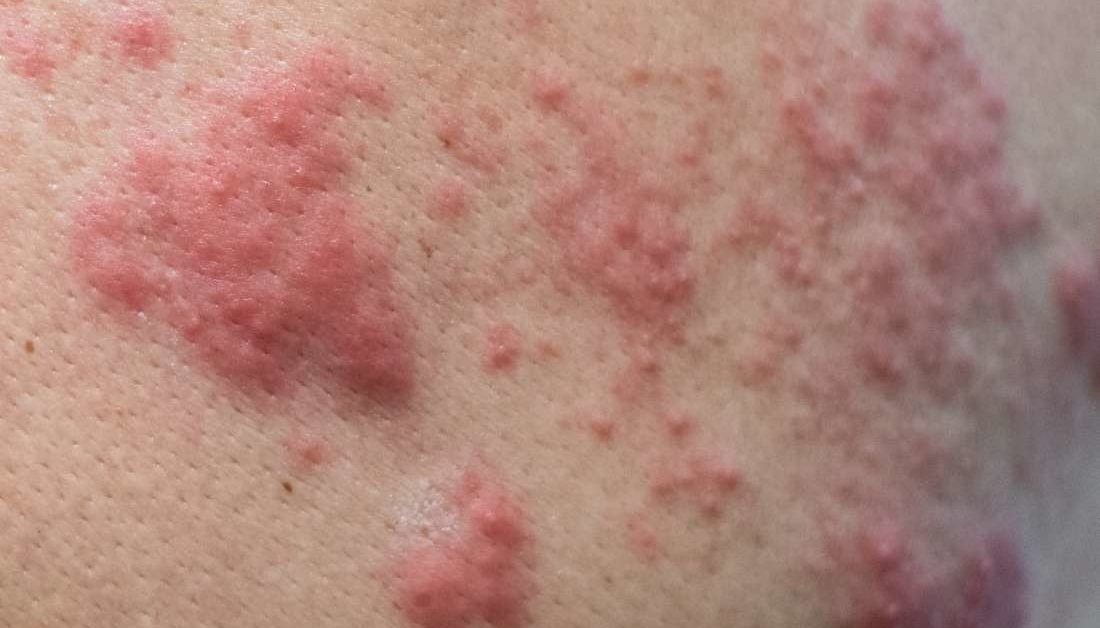
If immune surveillance weakens, the virus can reactivate and travel along a nerve toward the skin. The result is usually pain followed by a band or patch of fluid-filled blisters. The rash commonly affects one side of the chest, back, abdomen, neck, or face rather than spreading evenly across the body.
Common shingles symptoms
Symptoms may begin before the rash becomes visible. A person may notice burning, tingling, itching, stabbing pain, unusual skin sensitivity, fatigue, headache, or fever. Within several days, red or discolored spots may develop into grouped blisters that eventually break, dry, and form scabs.
The discomfort can range from irritating to intense. Clothing, bedsheets, or even a light breeze may feel surprisingly painful because shingles affects the nerves as well as the skin. In some cases, nerve pain occurs without an obvious rash, a condition sometimes called zoster sine herpete.
How Are Shingles and HIV Connected?
The link between shingles and HIV centers on cell-mediated immunity, especially the work of CD4 T cells. These immune cells help recognize and control infections that are already hiding inside the body. HIV targets CD4 cells, and untreated or poorly controlled HIV can gradually reduce their number and effectiveness.
When that immune control becomes weaker, dormant varicella-zoster virus has a better opportunity to reactivate. In the modern antiretroviral therapy era, federal HIV guidelines report that shingles remains approximately three to four times more common in people with HIV than in people without HIV. The risk is particularly elevated when the CD4 count is below 200 cells per cubic millimeter or when HIV is detectable in the blood.
Does shingles mean HIV has progressed to AIDS?
No. A shingles outbreak does not, by itself, prove that HIV has progressed to AIDS. People with well-controlled HIV and healthy CD4 counts can still develop shingles, just as people without HIV can. Age, cancer, immune-suppressing medication, organ transplantation, and other medical conditions can also reduce the body’s control over varicella-zoster virus.
Shingles is not classified by itself as an AIDS-defining condition. Nevertheless, recurrent or complicated shingles may provide useful information about immune health. A clinician may review the person’s viral load, CD4 count, medication adherence, vaccination history, and other possible causes of immune suppression.
Can shingles be an early clue to undiagnosed HIV?
Sometimes. Most shingles cases are not caused by HIV, but clinicians may consider HIV testing when shingles occurs in a younger adult without an obvious explanation. Testing may also be appropriate when the rash affects several nerve regions, repeatedly returns, heals unusually slowly, causes extensive tissue damage, or spreads beyond its original location.
Medical case reports have described shingles leading to an HIV diagnosis in people who did not know they were living with the virus. These reports do not mean every young person with shingles has HIV. They show why routine, stigma-free testing can be a sensible health check rather than a judgment about anyone’s relationships or behavior.
Can Shingles Become More Severe in People With HIV?
Many people with HIV experience a typical localized outbreak and recover with prompt treatment. However, advanced or uncontrolled HIV can increase the likelihood of complicated shingles. The rash may involve more than one dermatome, continue producing new blisters for longer than expected, or become disseminated across distant areas of the body.
People with lower CD4 counts are also more vulnerable to eye disease, bacterial infection of the damaged skin, facial nerve problems, hearing complications, inflammation of the brain or spinal cord, and infection involving internal organs. These complications are not the usual outcome, but they help explain why someone with HIV should contact a healthcare professional promptly rather than waiting for the rash to negotiate a peaceful surrender.
Postherpetic neuralgia
Postherpetic neuralgia is persistent nerve pain that continues after the skin has healed. It may feel burning, stabbing, electric, or painfully sensitive to touch. The condition can last for months and occasionally much longer. Early antiviral treatment may reduce the severity and duration of shingles, although it cannot guarantee that lingering nerve pain will be prevented.
Shingles around the eye
Blisters on the forehead, eyelid, or tip of the nose may signal involvement of the ophthalmic branch of the trigeminal nerve. Eye-related shingles can cause inflammation, scarring, vision changes, or permanent vision loss. Federal HIV guidelines recommend an ophthalmologic examination when this nerve region is affected, even if the eye initially appears normal.
Shingles After Starting HIV Treatment
Antiretroviral therapy, commonly called ART, restores immune function and is the foundation of HIV care. Curiously, shingles risk may rise temporarily during the first six months after ART begins. Researchers believe this can sometimes occur as the recovering immune system produces an inflammatory response against varicella-zoster virus.
This phenomenon may be described as immune reconstitution inflammatory syndrome, or IRIS. It does not mean ART is failing or making HIV worse. Current federal guidance says ART should not be delayed or stopped because of shingles or concern about shingles-related IRIS. The outbreak should be treated while HIV therapy continues under medical supervision.
How Is Shingles Diagnosed in Someone With HIV?
A healthcare professional can often diagnose shingles by examining the rash and reviewing the pattern of pain. A one-sided cluster of blisters following a nerve pathway is a strong clue. Because rashes can be less typical in immunocompromised patients, a clinician may collect fluid, cells, or crust material from a lesion for laboratory testing.
Testing can help distinguish varicella-zoster virus from herpes simplex, bacterial skin infections, medication reactions, contact dermatitis, and other conditions that may look similar. The clinician may also order a CD4 count and HIV viral-load test to assess immune status and determine whether the current HIV treatment plan is working effectively.
How Is Shingles Treated in People With HIV?
Antiviral medications are the main treatment. Common options include acyclovir, valacyclovir, and famciclovir. Treatment works best when started as soon as possible, preferably within about 72 hours after the rash appears. People should still seek care after that window, particularly if new blisters are forming, the pain is severe, the face or eyes are involved, or the immune system is weakened.
A person with localized, uncomplicated shingles may be treated with oral medication. Intravenous antiviral therapy and hospital monitoring may be needed when the rash is widespread or when there are signs that the infection has reached the eyes, brain, lungs, liver, or other organs. The exact drug, dose, and treatment duration depend on immune status, kidney function, symptoms, and the location and extent of the infection.
Pain and skin care
Pain management may include appropriate over-the-counter medicine or prescription treatment for nerve pain. Patients should check with a clinician before combining medicines because some products may interact with existing prescriptions or may be unsuitable for people with kidney, liver, stomach, or bleeding problems.
The rash should be kept clean, dry, and covered with a sterile nonstick dressing when practical. Cool damp compresses, loose clothing, rest, and an oatmeal bath may reduce irritation. Scratching is strongly discouraged, no matter how persuasive the itch becomes, because broken skin raises the risk of bacterial infection and scarring.
Is Shingles Contagious?
A person cannot catch shingles directly from someone else’s shingles rash. However, someone who has never had chickenpox and has not been vaccinated against it can acquire varicella-zoster virus from active shingles lesions. That newly infected person would develop chickenpox, not shingles, although shingles could occur later in life.
Until every blister has crusted, the rash should remain covered. Hands should be washed after touching the area or changing a dressing. Close contact should be avoided with susceptible pregnant people, newborns, unvaccinated individuals, and people whose immune systems are severely weakened.
Can the Shingles Vaccine Help People With HIV?
Yes. The recombinant shingles vaccine, sold as Shingrix, does not contain live varicella-zoster virus. The CDC recommends two doses for adults age 19 and older who are or will be immunocompromised because of a disease or treatment. This recommendation includes people with HIV, regardless of CD4 count.
The second dose is normally administered two to six months after the first. In certain immunocompromised patients, a clinician may recommend completing the series within one to two months. Two doses are recommended even for someone who has previously had shingles, because the infection can return.
When is the best time to receive Shingrix?
The vaccine can be given to people living with HIV, but the immune response may be stronger when HIV is virally suppressed and the CD4 count has improved. The decision to vaccinate immediately or wait for greater immune recovery should consider the person’s current risk, treatment status, previous outbreaks, and likelihood of returning for the second dose.
Shingrix is used to prevent future outbreaks; it is not a treatment for an active shingles rash. Vaccination is generally postponed until the current illness has resolved. A healthcare professional can recommend an individualized schedule.
When to Seek Urgent Medical Care
Someone with HIV should contact a healthcare professional promptly after developing possible shingles symptoms. Same-day evaluation is especially important when the rash is widespread, rapidly expanding, unusually painful, or located on the face, forehead, eyelid, nose, or ear.
Emergency care may be needed for vision changes, eye pain, severe headache, neck stiffness, confusion, fainting, muscle weakness, facial paralysis, breathing problems, persistent vomiting, high fever, or difficulty walking. These symptoms may suggest involvement beyond the skin and should not be managed with home remedies alone.
Does a Shingles Outbreak Mean HIV Treatment Is Not Working?
Not necessarily. Even effective ART cannot reduce shingles risk to zero. A single outbreak may occur despite an undetectable viral load and a healthy CD4 count. The episode should nevertheless be used as an opportunity to review recent laboratory results, medication adherence, vaccination status, stress, sleep, and other medical conditions.
If HIV is detectable or the CD4 count has fallen, the healthcare team can look for missed doses, drug interactions, absorption problems, treatment resistance, or another illness affecting immunity. The most effective long-term protection against opportunistic infections remains consistent HIV treatment that maintains viral suppression.
Conclusion
HIV and shingles are linked through the immune system. HIV can weaken the CD4-cell response that keeps varicella-zoster virus dormant, making shingles more likely and potentially more complicated. The greatest risks generally occur with a low CD4 count, detectable HIV, or advanced immune suppression.
Shingles does not prove that someone has HIV, and it does not mean that HIV has automatically progressed to AIDS. Still, an unexplained case in a younger person, repeated outbreaks, or severe and widespread disease may justify HIV testing. Prompt antivirals, continued ART, appropriate pain care, and two-dose Shingrix vaccination can substantially improve prevention and management.
Experiences With Shingles and HIV: What the Illness Can Feel Like
The following scenarios are illustrative composites based on commonly reported clinical experiences. They do not describe identifiable individuals and should not replace personalized medical advice.
The pain that arrived before the rash
One experience commonly described by patients begins with pain that makes very little sense. A person may feel burning beneath the ribs or along one side of the back but see nothing unusual in the mirror. The discomfort may initially be blamed on exercise, a pulled muscle, kidney trouble, or an exceptionally unfriendly office chair.
Several days later, small blisters appear in the same area. For a person living with HIV, the sight of a new rash may immediately create anxiety about viral load, CD4 count, medication failure, or AIDS. A medical visit can replace those frightening assumptions with a practical plan: confirm the diagnosis, begin an antiviral, check recent HIV laboratory results, and manage the pain.
When those results show viral suppression and a stable CD4 count, the outbreak may simply represent a risk that remains slightly higher even with well-controlled HIV. The experience is uncomfortable, but it is not automatically evidence that treatment has failed.
Shingles as a reason to get tested
Another scenario involves a younger adult who develops a painful one-sided rash without knowing of any immune problem. Because shingles is less expected at that age, the clinician recommends an HIV test along with routine medical evaluation.
Receiving a positive result can turn an appointment about a rash into a life-changing day. Fear, embarrassment, anger, and confusion may arrive all at once. Yet early diagnosis also creates an opportunity to begin ART before further immune damage occurs. Modern HIV treatment can suppress the virus, protect the immune system, and enable people to live long and healthy lives.
In this situation, shingles did not cause HIV. It acted as a clinical clue that encouraged testing. The lesson is not that every shingles rash signals HIV; it is that testing can provide clarity when the presentation is unusual. An HIV test is a medical tool, not a moral verdict.
The frustration of a recurrent outbreak
A third experience may involve someone who has already dealt with shingles once and is deeply unimpressed when familiar tingling returns. Recurrence can be emotionally draining because the person remembers the disrupted sleep, sensitive skin, missed work, and weeks of healing from the first episode.
A quick call to the HIV care team can make a major difference. Starting treatment early may shorten the outbreak, while updated viral-load and CD4 testing can identify whether immune control has changed. The clinician may also discuss Shingrix if the vaccine series has not been completed.
Recovery may still require patience. Loose shirts replace fashionable ones, sleep becomes a carefully engineered project, and the phrase “just don’t scratch it” proves much easier to say than to follow. Support from family, friends, employers, and healthcare professionals can reduce both the physical strain and the feeling of isolation.
The shared lesson
Across these experiences, the most useful response is early action rather than panic. Report symptoms promptly, continue HIV medication unless a clinician says otherwise, protect the rash, and ask about vaccination after recovery. Shingles can be painful and disruptive, but timely care usually turns an alarming outbreak into a manageable medical problem.
SEO Information

