
Body Care
How to Play Hide and Go Seek: Simple Game Rules & Variations
Aug
Hide and go seek requires no batteries, instruction manual, or mysterious bag of plastic pieces. All you need is a safe playing area, at least two people, and someone willing to be “It.” Within minutes, an ordinary living room, backyard, or playground becomes a landscape of secret corners and suspiciously giggling curtains.
Although the basic idea is simpleone player searches while everyone else hidesfamilies and playgrounds use slightly different hide-and-seek rules. Agreeing on boundaries, winning conditions, and off-limits hiding places before the round begins keeps the game fair, safe, and considerably less dramatic.
Hide and Go Seek Rules at a Glance
| Game element | Standard rule |
|---|---|
| Players | Two or more, although three or more creates a better search |
| Equipment | None; a designated home base is optional |
| Main roles | One seeker, called “It,” and one or more hiders |
| Counting time | Usually 10 to 100 seconds, depending on the playing area |
| Objective | The seeker finds every hider; hiders avoid being discovered |
| Typical next seeker | The first person found, unless the group chooses another rule |
How to Play Hide and Go Seek Step by Step
1. Choose a Safe Playing Area
Select an indoor or outdoor space with enough hiding opportunities but clear limits. A backyard might end at the fence, while an indoor game might include the living room, hallway, and bedrooms but exclude the kitchen and garage.
Show everyone the boundaries instead of merely saying, “Don’t go too far.” Younger players may have a surprisingly ambitious definition of “nearby.” Identify off-limits rooms, yards, stairways, storage areas, and any place where a child could become trapped or lost.
2. Decide Who Will Be “It”
Choose the first seeker with a quick method such as rock-paper-scissors, drawing numbers, or a counting rhyme. Volunteering also works, especially when one heroic adult is prepared to inspect the same curtains fourteen times.
The seeker stands at the agreed counting spot, closes their eyes, and faces a wall or tree. No peeking is allowed. If temptation is strong, the seeker can cover their eyes with both hands while another player confirms that the counting remains honest.
3. Count While Everyone Hides
The seeker counts aloud to a predetermined number. Ten or 20 seconds may be enough inside one room. A large yard may require 30, 50, or even 100. Counting loudly lets hiders know how much time remains and reassures everyone that the seeker has not quietly begun an early investigation.
Meanwhile, the other players choose hiding spots inside the boundaries. Hiders should be fully concealed when possible, but they must never lock doors, leave the playing area, or enter unsafe enclosed spaces.
4. Begin the Search
After reaching the final number, the seeker announces, “Ready or not, here I come!” The phrase matters because it tells everyone that hiding time has ended. Late hiders must work with whatever questionable location they have chosen.
The seeker searches until every player is found. In the simplest version, clearly seeing and naming a hider counts as finding that person. Other groups require a gentle tag. Decide which rule applies before playing; changing from “I saw you” to “I have to tag you” halfway through a chase is how playground court cases begin.
5. Finish the Round
A round ends when the seeker finds everyone or when an agreed time limit expires. The first player found commonly becomes the seeker in the next round. Alternatively, the final player found can be declared the winner and choose the next seeker.
If someone cannot be found when time expires, call a release phrase such as “All come in free!” Every hider must respond and return to the meeting point. Never allow a round to continue indefinitely, particularly outdoors.
Rules to Set Before the Game Starts
A 60-second rules discussion prevents most disagreements. Confirm the following details:
- The exact playing boundaries and off-limits locations
- How high the seeker will count and whether counting must be slow
- Whether hiders may change locations after the search begins
- Whether seeing, naming, or tagging someone counts as finding them
- Whether the game uses a home base
- How long a round can last
- Who becomes “It” next
Players should also agree that helping the seeker by revealing another person’s hiding place is poor sportsmanship. Loudly announcing, “Nobody is behind the couch!” while staring directly at the couch is not technically subtle either.
Essential Hide-and-Seek Safety Tips
Safe hiding places should be accessible, ventilated, structurally stable, and easy to exit without help. An adult should inspect the play zone before young children begin.
- Never hide inside refrigerators, freezers, dryers, coolers, storage chests, car trunks, or other enclosed containers.
- Keep parked vehicles locked and make the driveway, garage, street, and parking area off-limits.
- Exclude pools, ponds, creeks, construction areas, sheds, roofs, balconies, and unfamiliar buildings.
- Do not climb tall furniture, trees, fences, or unstable objects.
- Avoid hiding under heavy blankets where breathing or movement may be restricted.
- Remove tripping hazards and keep stairways well lit.
- Use a time limit and a clear signal that immediately ends the round.
- Supervise young children and pair them with adults in large outdoor spaces.
Flashlight hide and seek should use flashlights onlynever candlesand the area should be familiar and cleared of hazards before lights are dimmed. Players should walk rather than sprint in darkness.
Simple Strategies for Hiders and Seekers
Tips for Hiders
A good spot hides the whole body without creating danger. Look for visual cover, such as behind an open door or beside furniture, rather than squeezing into a sealed container. Stay quiet, silence noisy devices, and avoid locations that everyone used during the previous round.
If movement is permitted, relocate only when the seeker is safely facing another direction. Moving can rescue a weak hiding place, but it can also transform one small floorboard creak into a full confession.
Tips for Seekers
Search methodically. Check obvious locations first, then inspect the area from one side to the other. Look for unusual shapes, shadows, moving curtains, misplaced cushions, and feet that appear to have grown beneath furniture.
Pause occasionally and listen. Whispering, breathing, and suppressed laughter often reveal more than eyesight. Keep track of who has been found so nobody remains hidden after the round ends.
Fun Hide-and-Seek Variations
1. Sardines
Sardines reverses the classic setup. One person hides while everyone else counts and searches separately. When a seeker finds the hider, that seeker quietly joins the same hiding place. The group becomes increasingly crowded until the final seeker discovers everyone. The first finder usually becomes the next hider.
2. Home-Base Hide and Seek
Choose a tree, wall, cone, or other visible object as home base. After the search begins, hiders may leave their spots and attempt to reach base. A hider who touches it before being tagged is safe. This variation combines stealth with short chases, so it needs a flat area without traffic or obstacles.
3. Team Hide and Seek
Divide a larger group into hiders and seekers. Give the hiders a head start, then allow the seekers to work together. Set a time limit and switch roles after each round. This format works well for camps, parties, and classrooms because no single child carries the entire searching workload.
4. Multiple Seekers
Choose two or three seekers instead of one. They count together and then divide the search area. Multiple seekers make large spaces manageable and shorten rounds. To keep the game fair, give hiders extra time or expand the boundaries slightly.
5. Flashlight Hide and Seek
Play in a dim but familiar indoor area or a safely enclosed yard at dusk. The seeker uses a flashlight and finds someone by shining the beam on them and saying their name. Establish a strict no-running rule and leave enough background light for everyone to navigate safely.
6. Kick the Can
Place an empty, lightweight can or similar marker at home base. The seeker counts while the others hide. When a hider is spotted, the seeker and hider race toward the marker. Depending on the chosen rules, a hider who reaches and kicks it first may remain safe or release previously captured players.
7. Ghost in the Graveyard
One player, the “ghost,” hides while everyone else waits at base. The group searches together. When someone spots the ghost, that player calls, “Ghost in the graveyard!” Everyone races back to base while the ghost attempts to tag someone. The tagged player becomes the next ghost.
8. Object Hide and Seek
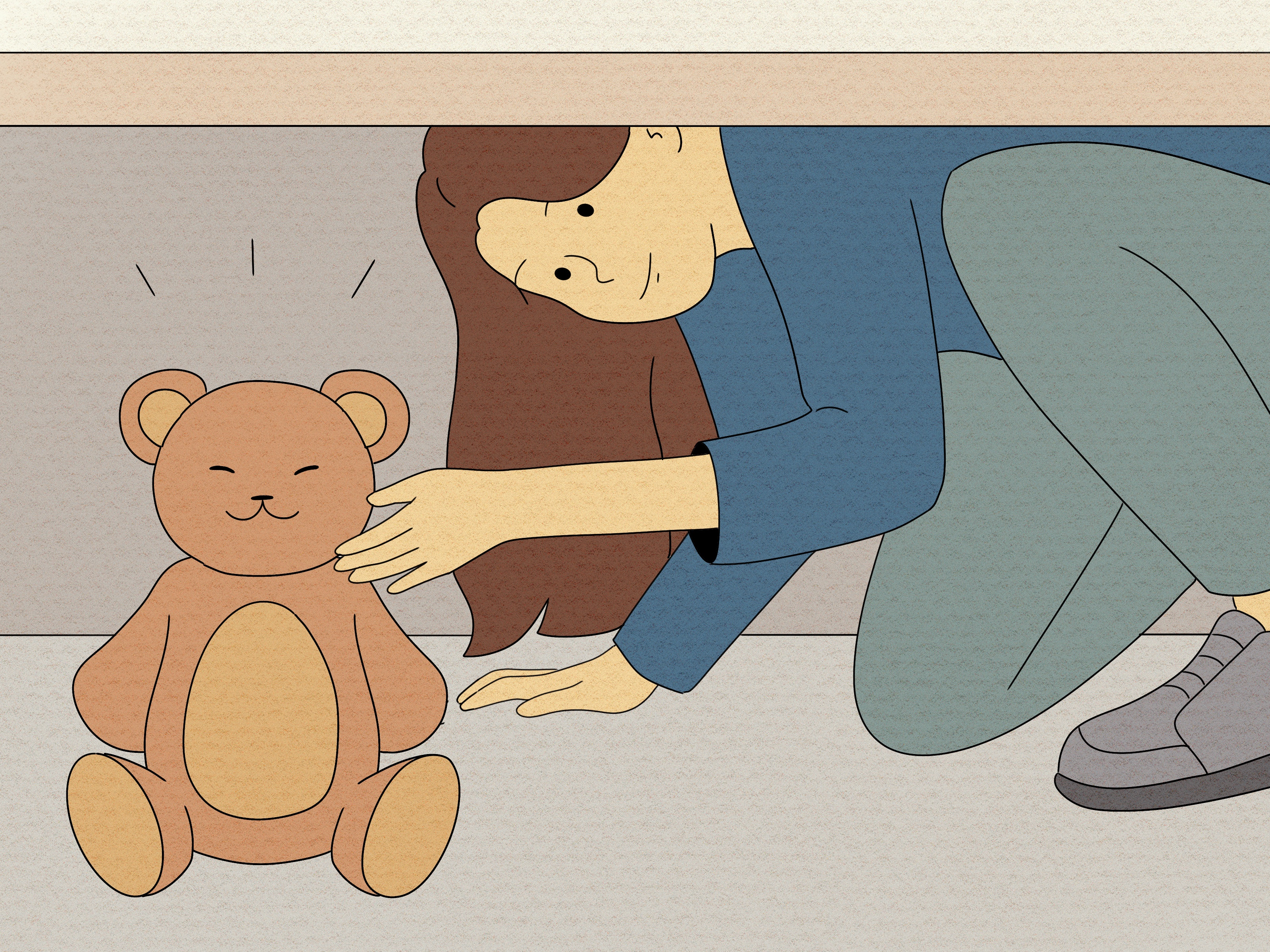
Instead of hiding people, conceal a stuffed animal, toy, or paper shape. Searchers can receive “warmer” and “colder” clues or practice directions such as left, right, under, and beside. This low-pressure version is especially suitable for toddlers, small rooms, and rainy days.
9. Color or Shape Hunt
Hide several safe paper shapes or colored cards around a room. Ask players to find only the circles, red cards, or another chosen category. This educational variation combines observation, counting, vocabulary, and movement without requiring children to remain concealed.
Adapting the Game for Different Ages
For toddlers and preschoolers, use one room, obvious hiding places, short counts, and direct adult supervision. Adults can hide partly in view or call the child’s name. The objective at this age is joyful discovery, not a tactical disappearance worthy of an international spy.
Elementary-age children can handle larger boundaries, home-base rules, teams, and simple strategy. Older children and adults may enjoy Sardines, timed rounds, themed hiding zones, or point systems. Players with limited mobility can participate through object hide and seek, verbal clues, paired teams, or seated searching roles.
What Children Can Learn From Hide and Seek
Active play supports physical movement, social connection, planning, emotional regulation, and cooperation. Hide and seek also exercises attention, observation, spatial awareness, memory, counting, patience, and perspective-taking. Hiders predict where the seeker will look; seekers imagine where another person might choose to hide.
The game also provides practice with taking turns and managing suspense. A child learns to wait quietly, follow shared rules, cope with being discovered, and begin another round without treating the laundry hamper’s betrayal as a personal tragedy.
Real-World Experiences: What Makes a Game Memorable
The most successful hide-and-seek games usually begin with a smaller playing area than organizers initially imagine. In a family home, two or three connected rooms may produce better rounds than the entire building. Searchers stay engaged, hiders are not left alone for long, and adults can account for everyone. Once players understand the rules, the boundaries can gradually expand.
A common experience with younger children is that hiding and remaining silent are entirely different skills. A preschooler may select an excellent spot behind a curtain and then repeatedly ask whether the seeker can see them. Treating that excitement as part of the fun works better than demanding perfect silence. Partially visible hiding places also make the game less intimidating and provide quick successes.
Mixed-age groups benefit from partners. Pairing a younger player with an older child or adult prevents unsafe wandering and helps everyone participate. The older partner can suggest suitable spots without completely taking over. For the next round, partners can change so the same two tactical geniuses do not occupy the unbeatable closet corner all afternoon.
Home-base rules often create the loudest and most energetic games. They also produce the most disagreements unless tagging rules are clear. Groups have better experiences when they mark a visible safe zone, require gentle one-hand tags, and prohibit blocking or guarding the base from inches away. A cone, tree, or taped square works better than an imaginary location that seems to move whenever someone is losing.
Sardines tends to succeed at family gatherings because it gives nervous players company once they find the original hider. It also creates a naturally funny ending: several people attempt to remain silent in a space designed for approximately one coat. The hiding place must still be safe and roomy enough to avoid falls, restricted breathing, or a blocked exit.
Outdoor games are most enjoyable when boundaries can be recognized at a glance. Fences, walking paths, cones, and building walls are better markers than vague instructions such as “Stay where we can see you.” Bright clothing or glow bracelets may be useful near dusk, while a whistle or distinctive call can signal that the round has ended.
Another recurring lesson is that long rounds are rarely better rounds. A five- or ten-minute limit keeps the seeker motivated and ensures that a successful hider does not spend half an hour reconsidering every life choice behind a shrub. If time expires, congratulate the remaining hiders, call everyone back, and rotate roles.
Finally, memorable games depend more on fairness than on elaborate rules. Let new or younger players hide with a partner, rotate the seeker role, and praise clever but safe choices. When disputes arise, pause and settle the rule for future rounds instead of retroactively declaring a winner. Hide and seek is at its best when suspense turns into laughter and everyone wants to hear the counting begin again.
Conclusion
Learning how to play hide and go seek takes only a few minutes: establish boundaries, select a seeker, count aloud, hide safely, and search until everyone is found. The real secret is agreeing on details before the game starts. Clear rules prevent disputes, while safe boundaries let players focus on stealth, observation, and the serious business of pretending not to notice someone’s toes beneath the curtains.
Once the classic version becomes familiar, variations such as Sardines, home-base hide and seek, object hunts, and team play can keep the game fresh for different ages, spaces, and abilities.

