
Makeup
Pioppi Diet Health Claims
May
The Pioppi Diet sounds like the sort of eating plan that arrives wearing linen, carrying extra-virgin olive oil, and judging your breakfast cereal from across the room. Named after Pioppi, a village in southern Italy often associated with Mediterranean diet lore, the plan became popular by promising something very shiny: better metabolic health, lower inflammation, improved heart health, easier weight loss, and maybe even a longer life. In diet-book language, that is basically the Avengers assembled.
But once the confetti settles, the real question is simpler and more useful: Do the Pioppi Diet health claims hold up? The honest answer is part yes, part not-so-fast. Some pieces of the plan line up beautifully with evidence-based nutrition: more vegetables, more nuts, more fish, more olive oil, fewer added sugars, fewer ultra-processed foods, more walking, better sleep, and less frantic snacking. That is not nonsense. That is solid public-health territory.
Where the Pioppi Diet gets slippery is when it starts acting like it alone cracked the code to longevity, or when it drifts away from the traditional Mediterranean pattern and leans too hard on saturated fat, full-fat dairy, coconut oil, or anti-carb messaging. A diet can have good ideas and still overpromise. In fact, that is one of nutrition’s favorite hobbies.
This article takes a clear-eyed look at the Pioppi Diet health claims, what the plan gets right, what it gets wrong, and how to borrow its smartest ideas without signing away your pasta forever.
What the Pioppi Diet Actually Is
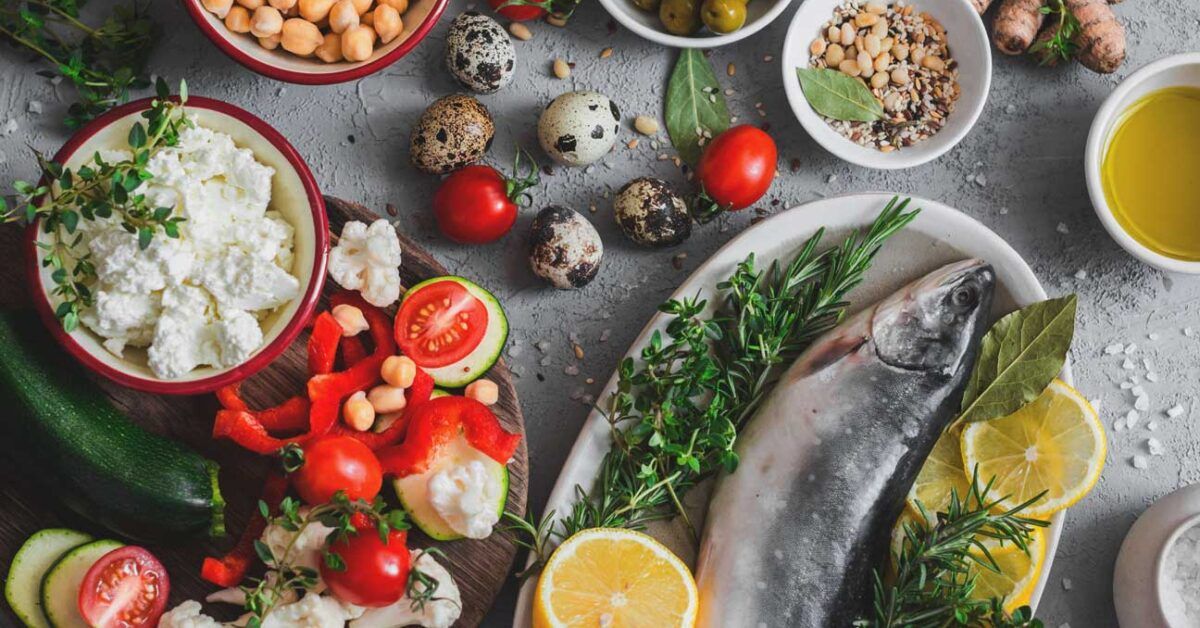
At its core, the Pioppi Diet is usually described as a low-carb, higher-fat, Mediterranean-inspired lifestyle plan. It tends to emphasize vegetables, olive oil, nuts, seeds, oily fish, eggs, and home-cooked meals while discouraging added sugar, refined flour, many packaged foods, and a long list of familiar carb-heavy staples. Some versions also include weekly fasting, regular movement, stress reduction, social connection, decent sleep, and time outdoors.
That mix is important because the Pioppi Diet is not just selling food. It is selling a whole life. And to be fair, that gives it one big advantage over crash diets that focus only on macros. The plan understands something many trendy diets forget: people do not live inside spreadsheets. They live inside routines, families, habits, and snack drawers.
Still, the branding can be misleading. Traditional Mediterranean eating is not simply “high fat and low carb.” It is typically built around minimally processed plant foods, beans, whole grains, fruits, vegetables, nuts, seeds, olive oil, moderate fish, and relatively small amounts of red or processed meat. So when the Pioppi Diet sharply cuts bread, pasta, rice, or legumes while making more room for foods high in saturated fat, it starts to look less like classic Mediterranean eating and more like a modern remix with a very confident publicist.
Why Some Pioppi Diet Health Claims Sound Credible
1. It pushes people away from ultra-processed foods
This is one of the strongest parts of the Pioppi argument. Diets heavy in ultra-processed foods tend to bring along more added sugar, more sodium, more refined starch, more overeating, and more cardiometabolic trouble. Replacing packaged snack foods and sugary convenience meals with vegetables, fish, beans, yogurt, eggs, nuts, and olive oil is a meaningful upgrade for many people. That change alone can improve satiety, reduce calorie overload, and support better blood sugar control.
2. It highlights healthy fats instead of treating all fat like a villain
The Pioppi Diet is absolutely right to push back against the old idea that every gram of fat is public enemy number one. Olive oil, nuts, seeds, and oily fish fit well within evidence-backed heart-healthy eating patterns. These foods can improve meal satisfaction, make vegetables more delicious, and help replace less helpful dietary patterns built around refined carbs and snack foods. In other words, olive oil on tomatoes is doing more nutritional work than a sad fat-free cookie pretending to be virtuous.
3. It includes lifestyle habits that matter
Walking, sleeping well, reducing stress, eating with other people, and spending less time in a constant cortisol carnival are all smart ideas. The Pioppi Diet gets credit for not pretending health begins and ends with a fork. A person who cooks more, sleeps better, moves daily, and eats fewer ultra-processed foods may very well see improvements in weight, energy, glucose control, and blood pressure, even if the plan’s grandest claims are exaggerated.
4. Intermittent fasting may help some adults
Some Pioppi-style plans encourage a weekly fast. Research on intermittent fasting suggests it may help some adults with weight loss and short-term improvements in triglycerides, LDL cholesterol, fasting insulin, and blood pressure. That said, the long-term effects are still less certain, and fasting is not automatically better than other sustainable eating patterns. It can be a tool, not a halo.
Where the Pioppi Diet Health Claims Start to Overreach
The biggest problem: it borrows Mediterranean credibility, then changes the script
Here is the key tension. The Pioppi Diet benefits from the glowing reputation of the Mediterranean diet, but some of its louder claims drift away from what mainstream heart-health guidance actually supports. Traditional Mediterranean eating is rich in minimally processed plant foods and generally low in saturated fat. It does not revolve around coconut oil, heavy amounts of fatty meat, or the idea that bread and pasta are nutritional supervillains plotting in your pantry at night.
Claim: Saturated fat is not a real concern
This is where the science gets less friendly to Pioppi-style hype. Major U.S. heart-health guidance still recommends limiting saturated fat, especially by replacing it with unsaturated fats from foods like olive oil, nuts, seeds, and fish. That matters because saturated fat can raise LDL cholesterol, and high LDL is a well-established risk factor for atherosclerotic heart disease. So if someone uses the Pioppi label as permission to pile on butter, fatty red meat, cheese, and coconut oil while calling it “Mediterranean,” the plan can move away from its healthiest foundation very quickly.
A good rule of thumb is this: Mediterranean is not code for unlimited full-fat everything. The strongest evidence favors a pattern where healthy fats mostly come from plant sources and seafood, not from turning every meal into a dairy-and-coconut festival.
Claim: Carbs are the central villain
The Pioppi Diet often sounds harsh on carbohydrates, but nutrition science is much less dramatic. Refined carbs and sugary foods are worth limiting. That part is reasonable. But whole grains and legumes are a different story. Whole grains provide fiber, vitamins, minerals, and compounds associated with lower risks of heart disease, stroke, and diabetes. Beans and lentils also support heart health, satiety, and blood sugar control. Throwing these foods into the same bucket as pastries and soda is nutritionally sloppy.
This is one of the article’s biggest takeaways: the problem is not “carbs” as a category; the problem is the quality of the carbohydrate and the overall dietary pattern. Oats are not cupcakes. Lentils are not gummy bears. Rice is not morally corrupt. Context matters.
Claim: A 21-day plan can dramatically reset long-term health
Short-term structure can help people get started, but the body is not a smartphone that installs a permanent upgrade in three weeks. A 21-day plan may reduce snacking, improve food quality, and help someone feel more in control. Great. But long-term cardiometabolic health depends on what happens after the motivational honeymoon. If a plan is too rigid, too socially disruptive, or too dependent on fear-based food rules, the rebound can be swift.
Claim: Red wine belongs in the health halo
Some versions of Pioppi-style messaging mention moderate red wine. That should be treated carefully, especially in a health article. Current heart organizations do not recommend that people start drinking for heart benefits. If someone does not drink, they should not begin for “wellness.” For teenagers, the answer is even simpler: alcohol is not a health food, not a biohack, and not part of any responsible recommendation.
Claim: The diet itself explains longevity in Pioppi
This is another oversimplification. Longevity in any region is rarely explained by one food list. Social structure, physical activity, income patterns, stress, smoking rates, healthcare access, meal timing, community ties, and total calorie intake all matter. Trying to reduce a whole way of life to a grocery basket is like saying a symphony succeeds because of one violin. Nice instrument. Incomplete story.
What the Evidence-Based Version of the Pioppi Idea Looks Like
If we strip away the sales pitch, the most defensible version of the Pioppi Diet health claims looks like this:
- Eating fewer ultra-processed foods is a smart move.
- Choosing olive oil, nuts, seeds, and fish more often can support heart health.
- Vegetables, fruits, beans, and other fiber-rich foods deserve more real estate on the plate.
- Walking, sleeping well, lowering stress, and eating in a sustainable rhythm matter.
- Weight loss and better metabolic markers may happen when overall food quality improves.
That is all sensible. The weaker version sounds like this: all carbs are suspect, saturated fat has been unfairly framed, full-fat dairy is automatically a health upgrade, and one highly branded plan has finally exposed the “truth” that mainstream nutrition somehow missed. That version is much harder to defend.
Who Might Benefit From a Pioppi-Style Approach
Adults who currently eat a lot of takeout, sugary drinks, packaged snacks, or refined convenience foods may benefit from many Pioppi-inspired changes. More home cooking, more vegetables, more protein from fish or legumes, fewer sugary foods, and more routine often improve how people feel. Someone with insulin resistance may also do well on a lower-refined-carb approach if it remains balanced and sustainable.
But the all-or-nothing version is not ideal for everyone. Very restrictive food rules can backfire for people who dislike rigid dieting, have a complicated relationship with food, or need flexible meal patterns. Weekly fasting is also not a universal fit. People with medical conditions, a history of disordered eating, or medication-related blood sugar concerns should not treat fasting like a casual weekend hobby.
And again, it is worth saying clearly: no one needs alcohol to make this pattern “authentic,” and no one needs to fear every piece of whole-grain toast as if it personally insulted their pancreas.
How to Borrow the Best Ideas Without Buying the Hype
If you like the appeal of the Pioppi Diet but want an evidence-based version, keep the strongest pieces and politely escort the exaggerations out the door.
- Base meals on vegetables, beans, lentils, fruit, fish, nuts, seeds, yogurt, and olive oil.
- Cut back on sugary drinks, pastries, heavily processed snacks, and ultra-processed convenience meals.
- Include whole grains if they work for you, especially oats, brown rice, barley, quinoa, and whole-grain bread or pasta.
- Use olive oil as the star fat more often than butter or coconut oil.
- Keep red and processed meat in a supporting role, not the headliner.
- Walk daily, sleep like it matters, and stop treating stress management as optional.
- View fasting as optional, not magical.
That approach keeps the Mediterranean strengths while avoiding the tendency to turn every nutrition disagreement into a courtroom drama. Food works better when it is practical, not theatrical.
Real-World Experiences With Pioppi Diet Health Claims
In real life, people who try a Pioppi-style plan often notice that the first “health claim” they experience is not mystical longevity. It is the shock of discovering how many foods in a normal modern routine are ultra-processed, sugary, salty, or weirdly easy to overeat. Once breakfast shifts from sweet cereal or pastries to eggs, yogurt, nuts, fruit, or leftovers from a real dinner, many people feel fuller for longer. Afternoon energy crashes may become less dramatic. Cravings often calm down, not because the diet cast a spell, but because meals start containing more protein, fiber, and fat from more satisfying foods.
Another common experience is that people feel more in control when they cook more often. A Pioppi-style routine usually nudges people toward simple meals: grilled fish, chopped vegetables, olive oil, nuts, soup, beans, salads, and plain yogurt instead of engineered snack foods. That can create a noticeable difference in how meals feel physically. People often describe less bloating from constant grazing, fewer “I am starving and now I need six crackers, two cookies, and emotional support” moments, and better awareness of hunger and fullness.
But the experiences are not universally glowing. Some people feel fantastic when they reduce refined carbs, while others overshoot and cut too many useful carbohydrates too quickly. That can lead to low energy, irritability, social frustration, or the classic rebound effect where the forbidden bread basket becomes the most beautiful object in the room. This is especially true when people lump whole grains and legumes into the same category as donuts and soda. The problem is not that the body “needs sugar”; the problem is that overly rigid rules are hard to live with and can make normal eating feel weirdly dramatic.
Weekly fasting produces mixed experiences too. Some adults say a structured fasting window makes them feel lighter, less snack-driven, and more mindful. Others feel distracted, headachy, or too hungry to function well. For busy people, fasting can also backfire if it leads to overeating later. That does not mean fasting never works. It means response varies, and the plan is not a one-size-fits-all miracle. The most useful lesson is that any fasting routine needs to fit a person’s schedule, health needs, and long-term habits, not just a book’s bold chapter title.
There is also a social side to Pioppi-style eating that gets less attention than macros. Many people report that eating more like this works best when the focus is not “dieting,” but building a calmer daily rhythm. Taking walks after dinner, eating at a table instead of in front of a screen, planning groceries, sleeping more consistently, and cutting down on hyper-palatable snack foods can make health goals feel less like punishment and more like organization. That is a real advantage. The Pioppi Diet is most convincing when it behaves like a lifestyle tune-up, not a nutritional revolution.
Perhaps the most honest experience people have is this: the useful parts of the Pioppi message are not particularly exotic. They are just hard to do consistently in a world full of convenience food, stress, and constant marketing. More vegetables, more fish, more beans, more olive oil, fewer ultra-processed foods, better sleep, and less overeating are not glamorous ideas. They are just durable ones. That may be why the Pioppi Diet gets attention. It wraps familiar good habits in a more dramatic package. For some people, that packaging helps them start. For others, it creates unnecessary confusion.
So the real-world verdict is refreshingly unromantic: when people use the Pioppi Diet to clean up food quality and improve daily habits, they often feel better. When they use it to justify too much saturated fat, fear all carbs, or chase miracle-style promises, results become a lot less impressive. The experience usually depends less on the label and more on how sensibly the label is applied.
Final Verdict
The Pioppi Diet health claims are neither total fiction nor a nutrition moon landing. The plan gets meaningful things right: minimize ultra-processed foods, cook more, prioritize vegetables and healthy fats, eat fish, move often, sleep better, and stop letting sugar run the group chat. Those ideas deserve respect.
But the stronger claims deserve skepticism. The evidence does not support using the Mediterranean name as a free pass for lots of saturated fat, harsh anti-carb rules, or rosy promises about rapid long-term transformation. The healthiest interpretation of Pioppi looks a lot like a balanced Mediterranean-style eating pattern with less junk food and more lifestyle sanity. And honestly, that is plenty powerful. It may not sound as sexy as a secret from an Italian village, but it is more believable, more sustainable, and much kinder to your dinner plans.
SEO Tags

