
Skincare
Why We’ll Be Seeing More Yellow Jackets Than Ever This Summer
Jun
If your summer plans include grilling burgers, sipping lemonade, or heroically guarding a bowl of watermelon from tiny striped intruders, brace yourself: yellow jackets may be extra noticeable this season. These black-and-yellow wasps have a talent for arriving precisely when the potato salad comes out, and they do not RSVP. While the phrase “more yellow jackets than ever” sounds like something a panicked picnic host might shout while sprinting across the lawn, there are real reasons many Americans could see more yellow jacket activity during summer.
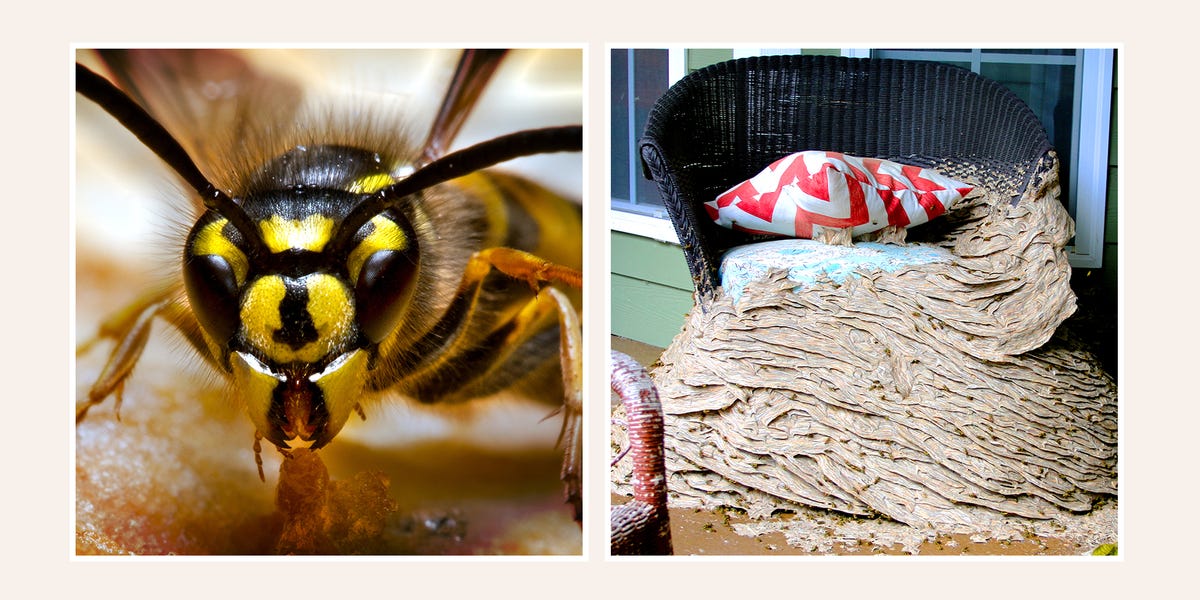
The short explanation is this: warm weather, longer active seasons, plentiful food, drought stress, messy outdoor dining, and hidden nesting sites can all help yellow jacket colonies grow quickly. By late summer, one small spring nest can become a busy colony with hundreds or even thousands of wasps. That is when homeowners suddenly notice yellow jackets around trash cans, patios, gardens, playgrounds, orchards, campgrounds, and outdoor restaurants.
Yellow jackets are not villains, even if they sometimes behave like tiny bouncers at a barbecue. They are predators, scavengers, and part of the natural cleanup crew. They eat flies, caterpillars, and other insects, and they help remove bits of decaying food from the environment. The problem is that their idea of “cleanup” often includes your soda, your sandwich, and your personal space.
What Are Yellow Jackets, Exactly?
Yellow jackets are social wasps, usually belonging to the genera Vespula or Dolichovespula. They are often confused with bees, but they are sleeker, less hairy, more sharply patterned, and far more interested in your picnic plate. Honey bees usually focus on flowers. Yellow jackets, especially later in the season, are happy to investigate meat, fruit, sugary drinks, garbage, compost, and fallen apples. In other words, they are the uninvited guests who bring nothing and inspect everything.
Most yellow jacket colonies are annual. A fertilized queen survives winter in a protected place, such as under bark, inside a log, in leaf litter, or in a sheltered crack. In spring, she emerges, finds a nesting site, lays eggs, and raises the first workers. At first, the colony is small and easy to miss. By mid to late summer, workers take over foraging and nest maintenance, and the colony grows fast.
That growth curve explains why people often say yellow jackets “came out of nowhere.” They did not. They were simply building an empire underground while you were buying patio cushions.
Why Yellow Jackets May Be More Noticeable This Summer
1. Warm Springs Give Queens a Head Start
A yellow jacket season begins with overwintered queens. When spring temperatures rise earlier or remain mild for longer periods, queens may become active sooner. A queen that starts early may have more time to build the first brood of workers, and workers are the engine of colony growth. More workers mean more foraging, more larvae fed, and more visible yellow jacket activity by summer.
Warm spring weather does not guarantee a yellow jacket boom everywhere. Heavy rain, late freezes, predators, disease, and food availability can all affect colony success. Still, a mild start often improves the odds that queens survive, establish nests, and keep building.
2. Hotter Summers Speed Up Insect Activity
Yellow jackets are cold-blooded insects, meaning their activity is strongly tied to temperature. Warm conditions can increase foraging and movement, especially during the months when colonies are expanding. When the weather is consistently warm, yellow jackets do not need to wait around like tiny office workers for the thermostat to cooperate. They can search for food, defend the nest, and expand the colony more actively.
This matters because many parts of the United States have been experiencing longer warm seasons and more intense heat events. More warm days can create a longer window for yellow jackets to feed, reproduce, and interact with people. That does not mean every yard will become a wasp airport, but it does mean the season may feel busier in many places.
3. Mild Winters May Help More Queens Survive
Winter is a natural population filter. Many insects die when cold temperatures are severe enough, long enough, and poorly buffered by shelter. But queens tucked into protected places can survive freezing weather surprisingly well. In milder winters, especially where deep cold snaps are shorter or less frequent, more overwintering queens may make it to spring.
More surviving queens can mean more attempted nests. Not every queen succeeds, but if a higher number begins the season, homeowners may notice more nests in wall voids, rodent burrows, hollow logs, sheds, deck spaces, and landscape edges. It only takes one nest in the wrong location to turn a peaceful backyard into a high-stakes obstacle course.
4. Drought Can Push Yellow Jackets Toward People
Dry weather can change yellow jacket behavior. When natural moisture and food sources become limited, yellow jackets may search more aggressively for water, sweets, and protein. That brings them to birdbaths, pet bowls, leaky hoses, trash bins, compost piles, barbecue grease, ripe fruit, and open drink cans.
Drought also affects plants and prey insects. If natural food sources decline, yellow jackets may rely more heavily on scavenging. To a yellow jacket, your outdoor trash can is not disgusting. It is a buffet with a lid that probably does not seal well enough.
5. Backyard Food Sources Are Basically Yellow Jacket Advertising
Humans accidentally create excellent yellow jacket habitat. We host cookouts, leave fruit to soften under trees, toss soda cans into recycling bins without rinsing them, store pet food outside, and forget that garbage lids need to close all the way. Then we act shocked when an insect designed to locate protein and sugar finds protein and sugar.
Early in the season, yellow jackets are especially interested in protein because developing larvae need it. They may hunt caterpillars, flies, and other insects. Later in the season, workers become more attracted to sugary foods, ripe fruit, nectar, and sweet drinks. This shift is one reason yellow jackets feel especially annoying in late summer and early fall. They are no longer just hunting bugs; they are casing your lemonade like jewel thieves.
6. Large Colonies Peak When People Are Outdoors Most
Yellow jacket colonies are usually small in spring and early summer, then become far larger by late summer. Unfortunately, that peak overlaps with the exact time people want to enjoy patios, parks, pools, campgrounds, tailgates, and late-season gardening. A nest that was invisible in June may become impossible to ignore in August.
Colony size varies by species and region. Some nests remain modest. Others can grow very large, especially when weather and food conditions are favorable. The bigger the colony, the more workers must forage. The more workers forage, the more likely someone will meet them near food, trash, flowers, or a lawn mower.
Why Yellow Jackets Seem More Aggressive Later in the Season
Yellow jackets are defensive around nests all season, but they often feel bolder or more irritating later in summer. There are several reasons for that. First, there are simply more of them. A colony with many workers has more guards, more foragers, and more opportunities for human contact.
Second, food needs change. Early in summer, workers hunt protein for larvae. Later, as colony dynamics shift and reproductive wasps develop, workers often seek more carbohydrates. That means fruit, juice, soda, frosting, honey, and every sweet drink at a picnic becomes interesting.
Third, natural food can become scarcer, especially during dry spells. A hungry yellow jacket is not reading social cues. It is following smell, movement, and opportunity. Swatting at it may make the situation worse, because sudden motion can trigger defensive behavior.
Finally, many nests are hidden. Ground-nesting yellow jackets may use abandoned rodent burrows, gaps under landscape timbers, or cavities near tree roots. People often discover them by accident while mowing, trimming, raking, or walking too close. From the yellow jacket point of view, a lawn mower is not yard equipment; it is a thunderous monster attacking the front door.
Where Yellow Jackets Build Nests
Yellow jackets are flexible nesters. Many species build underground nests in old rodent holes or other soil cavities. Others may nest in wall voids, attics, sheds, crawl spaces, hollow trees, dense shrubs, or under decks. A nest entrance may look like a small hole with steady insect traffic. If you see yellow jackets repeatedly flying in and out of one spot, do not poke it with a stick unless your summer goals include regret.
Because nests can be hidden, homeowners often notice the foragers before they find the colony. A few yellow jackets at the grill do not automatically mean there is a nest on your property. They can forage away from the nest. But repeated traffic around a crack, hole, wall gap, or soil opening is worth taking seriously.
Are Yellow Jackets Bad for the Environment?
No. Yellow jackets play useful ecological roles. They prey on many insects, including pests that damage gardens and landscapes. They also scavenge decaying material and, in some cases, visit flowers. The trouble begins when their nest is close to people, pets, playgrounds, doorways, patios, mailboxes, or outdoor work areas.
The goal should not be to wipe out every wasp in sight. A nest far from human activity can often be left alone until winter, when most colonies naturally die out. But a nest near high-traffic areas may need professional management, especially if children, pets, elderly people, or anyone with a sting allergy is present.
How to Reduce Yellow Jacket Problems Before They Start
Seal Food and Trash
The best yellow jacket prevention strategy is boring, which is how you know it works. Keep trash cans tightly closed. Rinse soda cans, juice bottles, and food containers before putting them in recycling bins. Clean grills after use. Cover food outdoors. Empty garbage regularly. Keep compost covered. Pick up fallen fruit before it ferments into a yellow jacket nightclub.
Watch Drinks Carefully
Open cans and dark bottles are risky because yellow jackets can crawl inside unnoticed. Use clear cups outdoors when possible, cover drinks, and check before sipping. Nothing ruins a cookout faster than discovering your soda has acquired a stinger.
Inspect Early in the Season
Spring and early summer are the best times to watch for nest activity. Small nests are easier to manage than mature colonies. Look around eaves, deck edges, sheds, retaining walls, woodpiles, ground holes, and places where insects repeatedly fly in and out. Do not seal an active wall nest entrance, because trapped yellow jackets may find their way indoors.
Reduce Nesting Opportunities
Fill abandoned rodent burrows after confirming they are empty. Repair gaps in siding, screens, vents, and trim. Keep sheds and outbuildings maintained. Remove rotting logs near high-use areas. Store firewood neatly and away from doors. Yellow jackets love a convenient cavity, and your job is to make the property look less like a luxury wasp condo complex.
Use Traps Carefully
Yellow jacket traps can reduce nuisance foragers in some situations, especially when placed away from patios and eating areas. The key word is “away.” A trap beside the picnic table is basically a wasp invitation with snacks. Follow label directions, choose traps designed for yellow jackets, and understand that traps may not eliminate a nest.
What Not to Do Around Yellow Jackets
Do not swat wildly. Do not pour gasoline into a nest. Do not burn a nest. Do not plug an active entrance. Do not use a shop vacuum unless you enjoy turning household tools into horror props. Do not attempt nest removal if you are allergic, if the nest is inside a wall, if the nest is large, or if it is near electrical equipment or difficult terrain.
For many homeowners, the safest option is to call a licensed pest management professional. This is especially true for underground nests, structural nests, and nests close to family activity. Professionals have protective gear, proper products, and experience reading nest behavior. Your flip-flops and confidence are not a treatment plan.
What to Do If You Get Stung
Most yellow jacket stings cause pain, redness, itching, and swelling near the sting site. Wash the area, apply a cold compress, and monitor symptoms. Unlike honey bees, yellow jackets can sting more than once and usually do not leave a stinger behind.
Seek emergency medical care immediately if symptoms suggest an allergic reaction, such as trouble breathing, swelling of the face or throat, dizziness, fainting, widespread hives, nausea, or a rapid drop in blood pressure. Anyone with a known severe sting allergy should follow their medical action plan and carry prescribed epinephrine.
Real-World Experiences: What People Notice During a Yellow Jacket Summer
One of the most common yellow jacket experiences starts innocently: a family sets out lunch on the patio, and one wasp appears. Then another. Then three more arrive, as if the first one texted the group chat. At first, everyone tries to stay calm. Someone says, “Ignore it and it will go away,” which is a lovely theory that yellow jackets have apparently never read. The real issue is usually not the sandwich itself but the open trash bag, the sticky recycling bin, the watermelon rinds, or the barbecue grease cooling nearby.
Another classic experience happens while mowing. A person runs the mower over a patch of lawn they have crossed a hundred times before. Suddenly, yellow jackets pour from a small ground opening. The nest was there for weeks, but the colony was smaller and less visible. By late summer, the entrance has steady traffic, and vibration from the mower triggers a defensive response. This is why watching flight patterns before yard work can prevent a painful surprise. If insects are repeatedly entering the same hole, mark the area from a safe distance and avoid it until it can be assessed.
Gardeners often meet yellow jackets around ripe fruit. Peaches, pears, grapes, berries, and apples can attract them once fruit splits, bruises, or falls. The insects are not there to ruin anyone’s harvest out of spite. They are feeding on sugars and moisture. Still, picking fruit promptly and cleaning up drops can make a noticeable difference. In orchards and backyard gardens, sanitation is not glamorous, but it is powerful.
Campers and hikers have their own version of the story. A cooler is opened, snacks come out, and yellow jackets begin circling. The best campsite habits are simple: keep food sealed, clean cooking surfaces, wash utensils quickly, store trash away from tents, and avoid leaving sweet drinks unattended. A yellow jacket in a soda can is small, silent, and deeply committed to ruining the afternoon.
Restaurant patios and outdoor events can also become yellow jacket magnets late in the season. The combination of spilled drinks, uncovered condiments, overflowing bins, and constant food service creates ideal foraging conditions. Staff can reduce problems by cleaning tables quickly, using lidded trash containers, rinsing sticky surfaces, and placing traps away from customers rather than near dining areas.
The biggest lesson from these experiences is that yellow jacket prevention is mostly about timing and housekeeping. Early inspection helps catch nests before they become major hazards. Food control reduces foraging. Calm behavior lowers the chance of stings. Professional help prevents risky DIY disasters. Yellow jackets may be part of summer, but they do not have to be the main character.
Conclusion
We may see more yellow jackets this summer because the conditions that support them are becoming more common: warmer starts to the season, long stretches of heat, mild winter survival, drought-driven scavenging, abundant backyard food sources, and large late-season colonies. Yellow jackets are beneficial insects in the right place, but they become a serious nuisance when their nests overlap with human activity.
The smartest response is not panic. It is prevention. Seal trash, cover food, rinse recyclables, pick up fallen fruit, inspect for nests early, and avoid disturbing active colonies. If a nest is near people or pets, treat it as a safety issue, not a weekend dare. Summer should be for grilled corn, cold drinks, and lazy evenings outsidenot sprinting across the yard because a striped insect claimed your hamburger.
Note: This article is based on current U.S. extension, pest management, allergy, and climate information, rewritten in original language for web publication.

