
Skincare
In Praise of Shadows Architecture
Jun
In Praise of Shadows architecture is not about making rooms gloomy, mysterious, or so dark that you start apologizing to your coffee table after bumping into it. It is about designing with restraint. It is about understanding that light becomes meaningful only when shadow gives it shape. In a world of glass towers, LED strips, glossy kitchens, and bathrooms bright enough to interrogate a raccoon, the quiet power of shadow feels almost rebellious.
The phrase comes from In Praise of Shadows, the celebrated 1933 essay by Japanese writer Junichiro Tanizaki. In that slim but surprisingly influential work, Tanizaki explored how traditional Japanese aesthetics value dimness, patina, texture, indirect light, and the emotional depth created by shadow. Architecture, in this view, is not just a container for furniture and Wi-Fi routers. It is a living instrument that tunes light, silence, material, and human behavior.
Today, architects, interior designers, homeowners, and even sustainability experts are rediscovering the lesson. Shadow is not the enemy of good design. Used intelligently, it cools buildings, softens glare, reveals texture, supports mood, and makes space feel human. In other words, shadow has been quietly doing excellent work while bright white ceiling lights take all the credit.
What Is In Praise of Shadows Architecture?
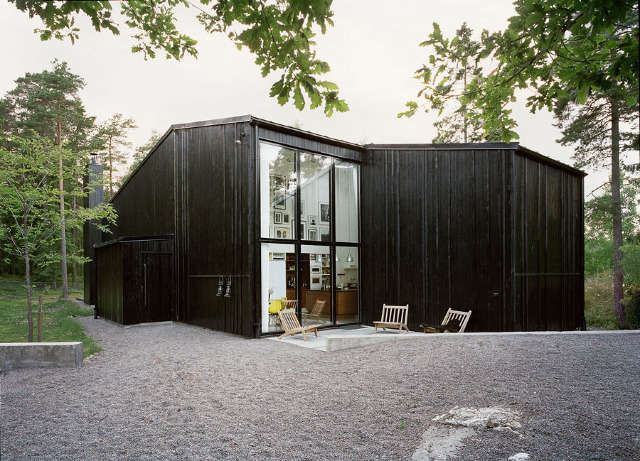
In Praise of Shadows architecture is an approach to space that treats shadow as an active design material. Instead of flooding every corner with uniform brightness, it uses gradation: soft edges, shaded thresholds, filtered daylight, deep eaves, muted surfaces, layered rooms, and materials that absorb rather than aggressively reflect light.
This philosophy is strongly associated with Japanese architecture, especially traditional homes, temples, tea rooms, and gardens. Think of shoji screens diffusing daylight, deep roof overhangs protecting interiors from harsh sun, wooden beams darkened by age, tatami rooms with soft reflected light, and alcoves where a single scroll or flower arrangement gains presence because the surrounding space is calm.
In Western modern design, brightness often became shorthand for cleanliness, efficiency, and progress. Bigger windows, whiter walls, shinier surfaces, more lighting fixturesbasically, the architectural version of opening every app on your phone at once. Tanizaki challenged that impulse. He suggested that beauty often lives in subtle contrast, in the half-visible, in the way a surface changes throughout the day.
Why Shadows Matter in Architecture
1. Shadows Give Light a Job
Light without shadow is flat. It may be practical, but it can also make a room feel sterile. Shadow gives light direction and drama. A sunbeam crossing a concrete wall, the dark underside of a stair, the glow behind a paper screenthese moments create depth. They remind us that architecture is not only seen; it is felt over time.
Louis Kahn, one of the great masters of architectural light, understood this beautifully. His Kimbell Art Museum in Fort Worth is often praised for the way natural light is filtered, reflected, and softened beneath its vaults. The result is not a bright box. It is a sequence of calm, luminous rooms where light serves art rather than attacking it with a flashlight.
2. Shadows Reveal Materials
Glossy surfaces tend to shout. Matte surfaces whisper. Shadow makes those whispers interesting. Wood grain, handmade plaster, stone, brick, linen, clay tile, concrete, and oxidized metal all become richer when light grazes them at an angle. The small imperfectionsthe knots, pores, waves, scratches, and signs of agebecome part of the design.
This is one reason shadow architecture pairs so naturally with natural materials. A perfectly flat white wall under harsh light says, “I was installed last Tuesday.” A slightly textured limewash wall in filtered daylight says, “I have stories, but I am emotionally mature enough not to overshare.”
3. Shadows Make Buildings More Comfortable
Shadow is not only poetic; it is practical. In hot climates, shade reduces solar heat gain and helps interiors stay cooler. Overhangs, exterior screens, louvers, pergolas, courtyards, trees, and recessed windows can all control sunlight before it becomes indoor heat. This is passive design at its smartest: let the building do some work before asking the air conditioner to become a full-time hero.
Good daylighting design is not about maximizing brightness at all costs. It is about balancing natural light, glare control, thermal comfort, and visual comfort. A room can be bright enough to read in without feeling like a dentist’s office. That is the sweet spot.
Japanese Aesthetics and the Architecture of Shade
Traditional Japanese architecture often uses transition spaces to manage light. The veranda, or engawa, works as a buffer between interior and garden. Deep eaves create shade. Sliding screens allow rooms to open, close, glow, or retreat. Rather than separating inside and outside with a hard line, the building creates a layered conversation.
In a Japanese room, shadow is not empty. It is atmosphere. The dim alcove makes an artwork more powerful. The filtered light makes paper screens feel alive. The muted surface of aged wood carries memory. This is not minimalism in the cold, “where did all my stuff go?” sense. It is minimalism with feeling, patience, and a strong dislike for unnecessary glare.
The same principles can be adapted far beyond Japan. A desert house in Arizona, a coastal home in California, a brownstone renovation in Brooklyn, or a compact apartment in Chicago can all benefit from shadow-conscious design. The point is not to copy Japanese rooms like a theme restaurant. The point is to learn from the deeper idea: light should be shaped, not dumped.
Tadao Ando: Concrete, Light, and the Drama of Restraint
No modern architect is more closely associated with the poetry of light and shadow than Tadao Ando. His work often uses exposed concrete, simple geometry, water, courtyards, and sharply controlled openings. The result is architecture that feels quiet but never boring. Ando does not decorate space with things; he composes space with absence, proportion, and light.
His Church of the Light in Osaka is a famous example. A cross-shaped opening cuts through a concrete wall, allowing daylight to become the central spiritual element. The room is simple, but the experience is powerful because the light is not everywhere. It arrives with purpose.
In the United States, Ando’s Modern Art Museum of Fort Worth and Pulitzer Arts Foundation in St. Louis show how shadow architecture can support art. Concrete walls, water courts, controlled daylight, and careful sequencing make visitors aware of their movement through space. The buildings do not scream for attention. They lower their voice, which is often the fastest way to make people actually listen.
Shadow Architecture in Modern Homes
Use Deep Eaves and Overhangs
Deep eaves are one of the oldest and smartest tools in architecture. They shade windows from high summer sun while still allowing lower winter sun to enter in many climates. They also protect walls and openings from rain. In design terms, eaves give a house eyebrowsand like good eyebrows, they provide expression and function.
Filter Light Instead of Blocking It
Screens, curtains, latticework, perforated panels, bamboo blinds, wooden slats, and frosted glass can transform harsh light into soft illumination. This is especially useful in living rooms, bedrooms, home offices, and dining areas where comfort matters more than showroom brightness.
Choose Materials That Age Well
Shadow architecture loves materials with depth. Consider wood, stone, handmade tile, clay plaster, brick, cork, linen, wool, and matte metals. These surfaces do not need constant polishing to look good. In fact, they often improve with age. They collect memory rather than fingerprints of regret.
Create Thresholds
A threshold is a transition: porch to entry, hallway to living room, garden to veranda, bright kitchen to quiet dining nook. Shadow makes thresholds meaningful. It slows people down. It tells the body, “You are entering a different mood now.” That is architecture doing emotional choreography.
Interior Design Lessons from In Praise of Shadows
You do not need a museum budget or a Pritzker Prize architect to bring shadow architecture into daily life. Start with lighting. Replace one harsh overhead light with layered lighting: a floor lamp, a wall sconce, a shaded table lamp, or a warm LED strip hidden behind a shelf. Avoid making the ceiling the only source of illumination. Nobody wants to relax under a light that feels like it is searching for escaped prisoners.
Next, work with contrast. A darker wall behind a sofa can make artwork glow. A shaded corner can become a reading nook. A textured wall can look richer when lit from the side. A dining table under a pendant light feels more intimate than the same table under flat ceiling brightness.
Finally, edit reflective surfaces. Glass, chrome, glossy tile, and polished stone can be beautiful, but too much reflectivity creates visual noise. Balance shine with matte finishes. Let some surfaces absorb light. A room needs sparkle, but it also needs places where the eye can rest.
How Shadow Supports Sustainable Architecture
There is a strong environmental argument for praising shadows. Buildings consume energy for lighting, cooling, and heating. Thoughtful shading can reduce cooling loads, improve comfort, and make natural daylight more usable. Instead of relying only on mechanical systems, architects can design façades, rooflines, courtyards, and window placement to respond to climate.
Good shading is climate-specific. In a cold region, you may want winter sun to enter and warm thermal mass. In a hot region, you may need aggressive shade on multiple orientations. In humid climates, shade must work with ventilation. In dense cities, reflected light from neighboring buildings may matter as much as direct sun. Shadow architecture is not a single style; it is a set of intelligent responses.
This is where the poetry meets the spreadsheet. The same overhang that gives a room a calm, shaded edge may also lower glare and reduce heat gain. The same courtyard that creates a beautiful patch of moving light may also support ventilation. The same screen that adds privacy may make daylight softer and more usable. Beauty and performance do not have to be enemies. They can share a cab and split the fare.
Common Mistakes When Designing with Shadows
Mistake 1: Confusing Shadow with Darkness
A shadow-rich room should not feel depressing or unsafe. The goal is variation, not gloom. There should be enough light for tasks, movement, and comfort. Shadow works best when paired with carefully placed illumination.
Mistake 2: Using Only Dark Colors
Shadow architecture is not simply painting everything charcoal and hoping for sophistication. Pale plaster, rice paper, warm wood, and beige textiles can all create beautiful shadow effects. Texture and light direction matter as much as color.
Mistake 3: Ignoring Daily and Seasonal Change
Sunlight moves. A room that feels gentle in the morning may become a toaster by 3 p.m. Study how light enters the space during different times of day. The best shadow architecture behaves well across seasons, not just during the ten minutes when a photographer visits.
Practical Experience: What It Feels Like to Live with Shadow Architecture
The experience of shadow architecture is easiest to understand in ordinary moments. Imagine waking in a bedroom where the morning light does not blast through the window like a motivational speaker with boundary issues. Instead, it filters through linen curtains, slides across a wood floor, and slowly brightens the room. You do not feel attacked by the day. You feel invited into it.
In a living room shaped by shadows, the best seat often changes as the day moves. Morning may belong to the chair near the east window. Afternoon may favor the sofa under the deep eave. Evening may gather everyone around a lamp that creates a warm pool of light. The room becomes less like a static container and more like a quiet sundial for daily life.
Cooking in a shadow-conscious kitchen can also feel different. Not darkfunctional lighting still mattersbut calmer. Under-cabinet lights illuminate the counter. A shaded window reduces glare. Matte tile catches soft highlights. Wood shelves hold bowls, jars, and small objects without turning every surface into a reflective parade. The kitchen still works hard, but it does not look like it is preparing for a television cooking competition at all hours.
Bathrooms may benefit the most from this philosophy, mostly because modern bathrooms have developed a suspicious obsession with brightness. A good bathroom needs clear task lighting at the mirror, yes. But it can also have indirect light near the tub, textured walls, a small shaded window, or warm illumination that makes the room feel restorative. Nobody has ever ended a long day thinking, “What I really need now is the emotional atmosphere of a hospital corridor.”
The most memorable experience, however, often happens in transitional spaces: a porch, a hallway, a stair landing, a garden path, or a covered entry. These are the places where shadow slows the body. A recessed doorway makes coming home feel ceremonial. A shaded porch becomes a pause between public street and private interior. A stair lit from above turns climbing into a small architectural event. Even a narrow hallway can feel generous if one wall catches a soft wash of light while the other falls into shade.
Living with shadow architecture teaches patience. It encourages people to notice time, weather, texture, and silence. It makes the home feel less like a product photo and more like a place with moods. That may be the greatest lesson of In Praise of Shadows: beauty does not always announce itself loudly. Sometimes it waits in the corner, perfectly composed, wondering when we will finally stop over-lighting everything.
Conclusion: The Future Belongs to Better Shadows
In Praise of Shadows architecture remains relevant because it answers a modern problem: too much visual noise. As homes, offices, hotels, museums, and public buildings become brighter and more technologically loaded, people crave spaces that feel calm, tactile, and emotionally grounded.
Shadow is not a lack. It is a design resource. It can cool a room, frame a view, reveal a material, deepen a mood, and make light feel precious again. From traditional Japanese houses to the concrete calm of Tadao Ando, from Louis Kahn’s luminous museums to today’s climate-responsive homes, the lesson is clear: great architecture does not simply chase the light. It teaches light where to land.
So yes, praise the shadows. Praise the eave, the screen, the alcove, the courtyard, the matte wall, the quiet lamp, and the brave little corner that refuses to become another overexposed square on the internet. The future of architecture may not be brighter. It may be wiser, softer, cooler, and beautifully shaded.

