
Beauty Unlocked
18 Fun Games to Play in the Dark with Friends
Jun
There is something hilariously magical about turning off the lights and suddenly realizing your hallway has become a mysterious cave, your backyard is now a secret mission zone, and your best friend hiding behind a chair thinks they are basically a ninja. Games to play in the dark with friends are perfect for sleepovers, birthday parties, camping nights, youth group hangouts, family gatherings, and those evenings when everyone says, “I’m bored,” while sitting next to three phones, a game console, and unlimited snacks.
The best dark games do not need expensive supplies. Usually, a few flashlights, glow sticks, paper, a safe room, and a group of people willing to laugh at themselves will do the trick. Some games are active, some are quiet, some are spooky-but-not-too-spooky, and some are just regular games that become ten times funnier when visibility drops to “Where did my sock go?” levels.
Before you begin, set a few simple safety rules. Choose a familiar space, remove tripping hazards, keep stairs, roads, pools, and sharp furniture out of bounds, and make sure everyone knows the stop word if someone feels uncomfortable. Keep at least one emergency light nearby. The goal is fun, not turning your living room into an obstacle course designed by a raccoon with a grudge.
Why Games in the Dark Are So Much Fun
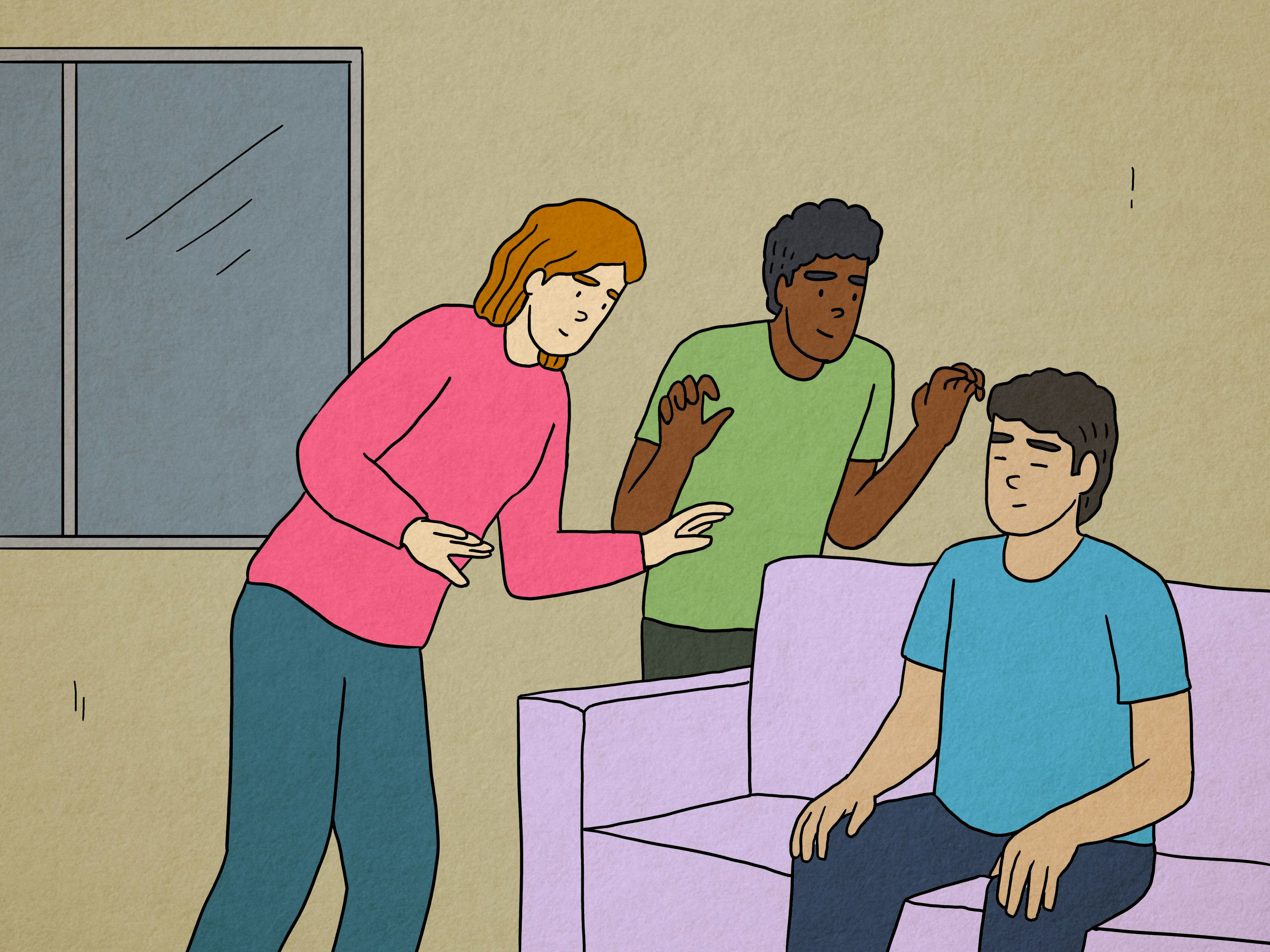
Playing in the dark changes ordinary games into mini adventures. Your senses wake up. You listen more carefully, move more slowly, and notice tiny sounds you would normally ignore. A whisper from across the room suddenly feels dramatic. A flashlight beam becomes a spotlight. A glow stick becomes treasure. Even a simple round of tag feels like a movie scene, minus the special effects budget.
Dark party games also work well because they encourage teamwork, imagination, and real interaction. Nobody needs to stare at a screen. Friends have to communicate, cooperate, guess, sneak, search, and laugh together. These games are especially great for groups because they mix movement with creativity, making them ideal for sleepover games, indoor games at night, backyard night games, and glow-in-the-dark party activities.
Quick Safety Setup Before You Turn Off the Lights
Choose the right play area
Pick a room, basement, backyard, or campsite that everyone can move through safely. Block off stairs, slippery floors, driveways, streets, pools, fire pits, and anywhere people could trip or wander too far. If playing outside, set clear boundaries before the lights go out.
Use safe lighting
Flashlights, lanterns, battery candles, and glow bracelets are great. Avoid shining bright lights directly into anyone’s eyes. If using glow sticks, do not chew them, cut them, or break them open. They are for glowing, not for becoming a science experiment on your carpet.
Make comfort rules
Not everyone loves spooky games. Decide the scare level before starting. A good rule is: funny suspense, yes; terrifying your friend into texting their mom from under a blanket, no. Let anyone sit out, switch teams, or stop without teasing.
18 Fun Games to Play in the Dark with Friends
1. Flashlight Tag
Flashlight tag is one of the classic games to play in the dark with friends. One player is “It” and carries a flashlight. Everyone else hides within the agreed play area. Instead of tagging someone by touching them, “It” tags players by shining the flashlight on them and calling their name. Once tagged, that player either becomes “It” or joins the seeker team, depending on your rules.
For extra fun, give everyone 30 seconds to hide while “It” counts loudly. The suspense builds fast, especially when someone tries to crouch behind a tiny plant and truly believes they have vanished from human history.
2. Glow Stick Hide and Seek
This version of hide and seek uses glow sticks to make the game more colorful and easier to manage. Each player wears one glow bracelet or necklace, while the seeker carries a flashlight. The glow makes players visible enough for safety but still mysterious enough to keep the game exciting.
You can also reverse the rules: the seeker wears the glow stick, and everyone else hides in the shadows. This creates a fun “moving lighthouse” effect as the seeker walks around trying to spot hidden friends.
3. Sardines in the Dark
Sardines is hide and seek with a twist. One person hides while everyone else searches. When a seeker finds the hidden person, they quietly squeeze into the hiding spot too. More and more players pile into the same place until only one person is left searching.
In the dark, Sardines becomes ridiculous in the best way. The hiding spot gets crowded, friends try not to giggle, and someone inevitably whispers, “Move your elbow,” like they are trapped in a suitcase. Keep the hiding areas safe and avoid closets or tight spaces where people could get stuck.
4. Ghost in the Graveyard
Despite the spooky name, this game can be played in a lighthearted way. One player is the “ghost” and hides while everyone else counts together. Then the group searches. When someone spots the ghost, they shout, “Ghost in the graveyard!” and everyone races back to the safe base before the ghost tags them.
This is best outdoors in a fenced yard or large safe room with clear boundaries. Keep running controlled, and choose a base that is easy to reach. The fun comes from the surprise, not from crashing into patio furniture like a confused superhero.
5. Shadow Charades
Shadow charades is perfect for indoor dark games. Hang a sheet or use a blank wall. Place a flashlight or lamp behind the actor so their shadow appears large and dramatic. Players take turns acting out animals, movies, sports, or silly actions while the group guesses.
A tiny hand gesture becomes a giant shadow monster. A simple “brushing teeth” clue somehow looks like a dragon playing the flute. That is the charm. Use categories like “famous animals,” “things parents say,” or “bad dance moves” to keep the game fresh.
6. Glow Stick Ring Toss
Glow stick ring toss is simple, bright, and great for parties. Make rings from glow bracelets and place bottles, cones, or paper towel rolls as targets. Turn off the lights and let players toss glowing rings from a marked line.
To make it more competitive, assign points to different targets. The farthest target might be worth five points, while the closest is worth one. This game is calmer than tag, so it is a good choice when everyone needs a break but still wants the dark-room atmosphere.
7. Murder-Free Mystery Detective
For a safer, friendlier twist on classic mystery party games, play “Mystery Detective.” One person secretly chooses a “trickster,” one person is the detective, and everyone else sits in a circle. The trickster winks or makes a tiny gesture at players, who then dramatically say, “I’m out!” The detective has three guesses to identify the trickster.
Dim lighting makes the game harder because the detective has to watch carefully. It is suspenseful without being too intense, and players can add funny dramatic exits like fainting onto a pillow or whispering, “Tell my snacks I loved them.”
8. Capture the Glow
Capture the Glow is a nighttime version of capture the flag. Divide players into two teams. Each team hides a glow stick or glowing object on its side of the play area. The goal is to sneak over, grab the other team’s glow item, and bring it back without being tagged.
This game works best outdoors with enough space, but it can also work in a large basement or gym. Set boundaries clearly and use walking or speed-walking rules if the area is small. The glowing target makes the game feel like a secret mission, which is a fancy way of saying everyone will suddenly take it very seriously.
9. Flashlight Limbo
Flashlight limbo needs almost no equipment. Two players hold flashlights so the beams cross like a glowing limbo bar. Everyone takes turns leaning backward and passing under the light without touching the imaginary beam. Lower the beam each round.
Add music for maximum silliness. The darker room makes the beam look more dramatic, and players will absolutely argue about whether someone “touched the light.” Appoint a judge, preferably the friend who is least likely to be bribed with chips.
10. Glow Bowling
Glow bowling turns empty plastic bottles into a mini bowling alley. Put a glow stick inside each bottle, set them up like bowling pins, and roll a soft ball toward them. The glowing pins look surprisingly cool when they scatter.
This is one of the best indoor games at night because it is easy to control and safe for mixed ages. Use a hallway or open floor space, but remove anything breakable first. Your grandmother’s vase does not want to participate.
11. The Silent Line-Up Challenge
In this game, players must line up in a specific order without speaking. Try birthday month, height, shoe size, first-name alphabetical order, or number of pets. The dark makes it harder because players cannot rely on quick visual clues.
Give everyone one flashlight, but they can only point it at the floor. This keeps the mood dim while still allowing safe movement. The challenge becomes a mix of gestures, whispers that are not supposed to happen, and people realizing they do not actually know their friends’ birthdays.
12. Flashlight Scavenger Hunt
A flashlight scavenger hunt is easy to customize. Hide small objects around a room or yard, then give players a list and flashlights. Items can include a red sock, a paper star, a toy animal, a spoon, or a sticky note with a clue.
For teams, give each group a different list. For a mystery version, hide clues that lead to a final prize. Keep items visible enough to find without digging through private drawers, because “I found your old math test” is not the treasure hunt vibe anyone requested.
13. Glow-in-the-Dark Pictionary
Use a small whiteboard, glow markers, neon paper, or a flashlight pointed at a drawing surface. Players draw clues while their team guesses. The dim setting makes even simple drawings look mysterious, which is helpful when someone’s horse looks like a potato wearing a wig.
Choose easy categories such as food, animals, movies, school subjects, or common objects. Keep rounds short, around 60 seconds, so the energy stays high. This is a great option for groups that want funny party games without running around.
14. Nighttime “Would You Rather?”
This game needs no supplies and works well when everyone is sitting in a circle with dim lights or flashlights. Players take turns asking “Would you rather?” questions. Keep them funny, creative, and friendly: “Would you rather have glow-in-the-dark hair or shoes that play theme music?”
The dark makes the conversation feel like a campfire hangout, even if you are sitting on a living room rug next to a half-empty bowl of popcorn. Avoid questions that embarrass people too much. The goal is laughter, not social survival training.
15. Flashlight Freeze Dance
One player controls the music and flashlight. When the music plays, everyone dances. When the flashlight turns on or the music stops, everyone freezes. Anyone who moves is out for the round or must do a funny challenge, like inventing a new dance move named after a vegetable.
This game is perfect for younger groups, sleepovers, and parties where everyone has extra energy. Use a room with open floor space and soft lighting around the edges so nobody bumps into furniture while performing what they believe is award-winning choreography.
16. The Whisper Trail
The Whisper Trail is like telephone, but with movement. Players sit or stand in a line. The first person gets a silly phrase, whispers it to the next person, and the message travels down the line. In the dark, listening becomes harder, and the final sentence is usually nonsense.
Try phrases like “The purple penguin borrowed my flashlight” or “Grandma joined a secret glow stick dance crew.” At the end, compare the original phrase with the final version. This game proves that human communication is a miracle and also a disaster.
17. Monster Museum
Monster Museum is a dark-room statue game. One player is the museum guard with a flashlight. Everyone else freezes in monster poses around the room. When the guard turns away, the monsters can move slowly. When the flashlight shines on them, they must freeze instantly.
If the guard catches someone moving, that player becomes a statue in a “display area” or switches roles. Keep the monster poses funny instead of scary. Think goofy goblins, dramatic vampires, or a zombie who clearly needs a nap.
18. Campfire Story Circle Without the Campfire
You do not need an actual campfire to tell stories in the dark. Sit in a circle with one flashlight in the middle, pointing upward under a bottle or paper lantern to create a soft glow. One person starts a story with one sentence, and each player adds the next sentence.
Set the theme before starting: mystery, comedy, adventure, lost treasure, haunted pizza place, or a dog who becomes mayor. Because each person adds a piece, the story will probably become chaotic, and that is the point. The best ending is usually the one nobody saw coming.
How to Choose the Best Game for Your Group
Not every game fits every group, so choose based on space, energy level, age, and mood. If everyone is full of energy, try flashlight tag, Capture the Glow, Ghost in the Graveyard, or Monster Museum. If the group wants something calmer, choose Shadow Charades, Glow Pictionary, Whisper Trail, or Would You Rather?
For small groups of three to five people, mystery games, scavenger hunts, and story circles work well. For larger groups, team games like Capture the Glow and Glow Stick Ring Toss are easier to manage. If players are nervous about the dark, keep a lamp on low or use glow necklaces so the room feels playful rather than spooky.
The secret is balancing suspense with comfort. A little darkness makes everything exciting. Too much darkness turns “fun game night” into “who stepped on my foot and why is everyone yelling?” Start with gentle games, then increase the adventure level if everyone is having fun.
Supplies That Make Dark Games Better
You can play many of these games with nothing, but a few supplies make the night smoother. Flashlights are the most useful. Small lanterns, glow sticks, reflective tape, soft balls, paper clues, plastic bottles, and music can also help. Keep extra batteries nearby and choose soft objects for tossing games.
Snacks matter too. A group that has been running around in the dark will suddenly act like they have completed a survival expedition. Water, popcorn, fruit, chips, or cookies can turn a short game night into a full event. Just keep food away from active play areas unless you want someone to discover a cracker under their sock tomorrow.
Experience Section: What Actually Makes Dark Games Memorable
The most memorable nights are rarely the ones with perfect rules. They are the nights when someone hides so well everyone forgets they are playing. They are the rounds where a flashlight battery dies at the worst possible moment, and the entire group gasps like the soundtrack just changed. They are the moments when a simple glow stick becomes “the sacred treasure” and two teams defend it with the seriousness of ancient warriors guarding a kingdom.
One of the best things about fun games to play in the dark with friends is that they give people permission to be silly. In normal daylight, a person might refuse to act like a monster statue or whisper a nonsense phrase about a penguin. In the dark, however, the pressure drops. Everyone is a little less worried about looking cool because nobody can fully see anyone anyway. That is social freedom with a flashlight.
In real group settings, the best games usually have three ingredients: simple rules, quick rounds, and room for improvisation. Flashlight tag works because everyone understands it in ten seconds. Shadow charades works because bad acting makes it better. Campfire Story Circle works because nobody has to be a professional storyteller; they just need to add one sentence and enjoy the chaos.
Another useful lesson is to rotate between active and calm games. Start with something high-energy, like Glow Stick Hide and Seek or Capture the Glow. Then bring everyone back with Glow Pictionary or Would You Rather. This keeps the night from becoming too wild and gives quieter friends a chance to enjoy the fun too. Not every player wants to sprint across a yard like they are escaping invisible bees.
Safety also becomes part of the experience when it is handled early. When boundaries are clear, players relax. They know where they can go, what areas are off-limits, and how to stop the game if needed. A quick “no stairs, no street, no rough tagging, no hiding in tiny spaces” speech may sound boring, but it prevents problems and keeps the night focused on laughing instead of searching for someone’s missing shoe.
The funniest moments often come from tiny surprises. Someone shines a flashlight and reveals a friend standing completely still behind a curtain. A glow bowling pin wobbles dramatically but refuses to fall. A story that began with a treasure map somehow ends with a raccoon running for president. These little moments are why dark party games stay in people’s memories.
Games in the dark also work because they turn ordinary places into something new. A backyard becomes a mission field. A basement becomes a museum. A bedroom becomes a stage for shadow animals that look nothing like the animal intended. You do not need fancy decorations or a huge budget. Darkness, imagination, and a few friends can do most of the heavy lifting.
For the best experience, take a few photos before or after the games, not during the active rounds. Phones with bright screens can ruin the atmosphere and distract players. Let the night feel different from the usual scroll-and-sit routine. The memories will be better when everyone is actually part of the game instead of filming the game from a corner.
Finally, end with a calm activity. A story circle, snack break, or quiet “best moment of the night” recap gives everyone a fun closing. It also helps younger players settle down after all the excitement. The final memory should be laughter, not someone yelling, “One more round!” while three people are already lying on the floor like tired starfish.
Conclusion
Games to play in the dark with friends are proof that fun does not need to be complicated. With a safe space, simple supplies, and a group willing to be a little ridiculous, the dark becomes a playground for creativity, teamwork, suspense, and laughter. Whether you choose flashlight tag, glow bowling, shadow charades, or a story circle, the best game is the one that gets everyone involved and comfortable.
Keep the rules clear, the lighting safe, and the mood friendly. Mix active games with calmer ones, respect anyone who wants to sit out, and remember that the funniest moments are often unplanned. The lights may be off, but the memories will be bright. Yes, that sentence is cheesy. No, we are not apologizing for it.
Note: These game ideas are designed for safe, friendly group play. Always choose age-appropriate activities, set boundaries, avoid unsafe areas, and keep a light available in case anyone needs it.

