
Beauty Unlocked
Woman Flips Out When She Finds Out Her BF Uses A Fake Name At Coffee Shops To Feel More Comfortable
Aug
A coffee order usually creates only two serious questions: hot or iced, and whether paying extra for foam counts as financial planning. For one young couple, however, a routine café visit produced a much bigger mystery. The boyfriend ordered under the name “Tom,” even though Tom was not his real name. His girlfriend reportedly treated this harmless coffee shop alias like evidence that she was dating a master of deception hiding somewhere between the pastry case and the pickup counter.
The disagreement soon became an online debate about privacy, personal comfort, identity, trust, and relationship communication. Is using a fake name at coffee shops genuinely dishonest? Is it a reasonable way to avoid awkward attention? Or was the real problem not the alias, but the dramatic assumptions attached to it?
The Coffee Shop Alias That Started the Argument
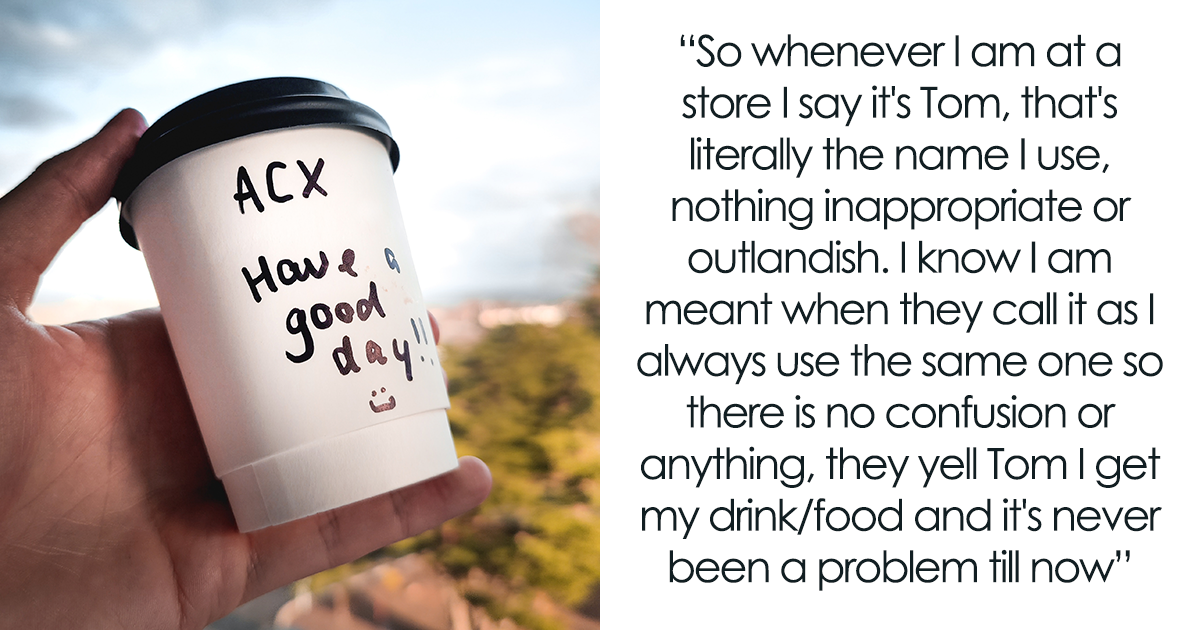
According to the publicly shared story, the boyfriend was 22 and had a simple habit: whenever a barista asked for a name, he gave “Tom.” His actual name was not especially unusual, difficult, or embarrassing. He simply disliked hearing it called loudly across a crowded coffee shop.
To him, “Tom” was not an alter ego. He was not using it to open a bank account, dodge a court summons, or launch a suspicious cryptocurrency. It was a temporary label attached to a drink. The alias helped him feel less exposed during a brief public interaction.
His new girlfriend discovered the habit when they visited Starbucks together. After hearing him give the fake name, she became upset and reportedly accused him of being a pathological liar. She also argued that using an alias showed disrespect and distrust toward employees and other customers.
That escalation is what made the story so fascinating. The original behavior was tiny: one word at a register. The emotional interpretation was enormous: dishonesty, character flaws, and a possible relationship warning sign. In other words, a latte became a personality test.
Is Using a Fake Name at Coffee Shops Actually Lying?
Technically, “Tom” is false information if the customer’s name is not Tom. But everyday life depends heavily on context. Not every inaccurate label is a harmful deception. Nicknames, pen names, stage names, gamer tags, usernames, initials, and shortened names all obscure or simplify identity without necessarily hurting anyone.
The Purpose of the Name Matters
At most coffee shops, the requested name is an order-management tool. It helps employees connect a finished drink with the person who purchased it. The customer is not completing a passport application or giving sworn testimony before Congress. The practical requirement is that the customer recognizes the name when it is called and collects the correct order.
If someone uses an alias to manipulate a partner, hide an affair, impersonate another person, commit fraud, or avoid accountability, the deception has meaningful consequences. If someone says “Tom” because he does not want strangers hearing his real name, the stakes are dramatically lower. Nobody at the sugar station has been betrayed.
Many People Consider the Practice Harmless
Many people responding to the story saw the coffee shop alias as routine. Some current and former baristas explained that employees generally care more about organizing orders than verifying legal identities. Their practical message was simple: choose a name, remember it for five minutes, and please do not walk away with Jennifer’s caramel macchiato.
The girlfriend still had every right to feel surprised. Partners frequently discover habits that seem strange at first. However, surprise is different from immediately assigning a psychiatric label or turning one low-stakes behavior into a verdict on someone’s entire personality.
Why Some People Prefer a Coffee Shop Alias
People use fake names at cafés for many reasons, and most are less dramatic than a streaming-service crime documentary. The habit may be connected to convenience, privacy, cultural experience, humor, or social comfort.
They Want to Avoid Mispronunciation
Names are closely connected to identity, family, language, and heritage. When a name is repeatedly misheard, misspelled, laughed at, or carelessly pronounced, a two-minute coffee order can become an exhausting little ritual. Some customers use a short alias because they want coffee, not an early-morning pronunciation seminar.
A simplified name reduces friction, but it can also create mixed feelings. Some people may feel they are temporarily editing themselves to make an interaction easier for everyone else. The burden is rarely obvious to the employee or customer standing nearby.
They Prefer a Small Layer of Privacy
Consumers routinely limit how much personal information they share. They use screen names, secondary email addresses, initials, privacy settings, masked phone numbers, and abbreviated delivery details. A coffee shop alias is an offline version of the same instinct: provide only what is needed for the transaction.
A first name may seem harmless, but comfort levels differ. Some people simply dislike hearing personal information announced to a room full of strangers. Others have dealt with unwanted attention, harassment, or acquaintances who ignored boundaries. A preference does not have to be shared by everyone else to be reasonable.
Brief Social Interactions Can Feel Uncomfortable
Ordering coffee sounds easy until the shop is crowded, the grinder is roaring, milk is being steamed like a locomotive, and six customers are waiting behind you with the patience of airport security.
For someone who feels self-conscious, a predictable alias can remove one small uncertainty. Using “Tom” does not automatically mean a person has social anxiety disorder, and internet strangers should not diagnose him. Still, discomfort with attention, embarrassment, or public interaction can shape ordinary habits.
Sometimes It Is Just Fun
Not every alias has a serious psychological backstory. Some customers give playful names because the transaction is temporary and low-stakes. Baristas have heard superheroes, cartoon characters, fictional detectives, and names that probably should have remained inside someone’s head.
A customer ordering as “Batman” is unlikely to be concealing a cave-based vigilante operation. He may simply need caffeine and attention.
Why the Girlfriend May Have Reacted So Strongly
Calling the boyfriend a pathological liar appears disproportionate based on the information shared. Even so, understanding a reaction is not the same as approving it. Strong emotions often emerge when a small event activates a much larger fear.
She May Have Interpreted Secrecy as a Trust Problem
New relationships contain many unknowns. Each partner is still learning the other person’s habits, boundaries, history, and definition of normal. Discovering an unexplained alias can briefly feel like opening a drawer and finding a passport with a different name, even when the real explanation is far less exciting.
If she had previous experiences involving dishonesty, infidelity, manipulation, or hidden identities, the coffee shop moment may have triggered those memories. That could explain her alarm, but it would not justify personal attacks. A healthier response would have been, “Why do you use that name?” followed by the increasingly rare relationship skill known as listening.
They May Define Honesty Differently
Some people view honesty as strict factual accuracy in nearly every situation. Others judge honesty by intent, relevance, and consequence. One person sees a coffee shop alias as an innocent boundary. Another sees any deliberate false statement as a warning sign.
Neither philosophy can be resolved by shouting the word “liar” beside a display of cake pops. Couples need to discuss what behavior truly threatens trust. Does the alias hide something important from the partner? Does it harm anyone? Is it used only during anonymous transactions? Clear definitions keep tiny disagreements from becoming moral emergencies.
The Argument May Have Been About Control
There is another possibility: the girlfriend may have believed she should decide how her boyfriend presents himself in public. If so, the conflict was not really about honesty. It was about whether one partner must abandon a harmless comfort strategy because the other partner dislikes it.
Healthy relationships allow individuality. Partners can question each other’s habits, but curiosity should come before control. A person does not surrender every nickname, preference, boundary, and odd little ritual upon entering a relationship. Love is not a corporate merger.
The Difference Between a Quirk and a Relationship Red Flag
The internet loves red flags because they turn complicated human behavior into a simple traffic-light system. Yet not every unusual habit predicts danger. Context, intent, pattern, and impact matter more than novelty.
A coffee shop alias is probably a harmless quirk when it is used consistently for comfort or convenience, causes no meaningful harm, and is explained openly when questioned.
It becomes more concerning when fake identities spread into important areas of life, stories constantly change, the person hides major facts, or aliases are used to deceive, exploit, manipulate, or escape responsibility.
The girlfriend’s reaction deserves the same contextual test. One shocked overreaction can be repaired with reflection and an apology. A repeated pattern of insults, controlling behavior, accusations, humiliation, or armchair diagnoses is more serious.
The important question is not simply, “Who was wrong at Starbucks?” It is, “Can these two people discuss differences without trying to destroy each other’s character?”
How This Conversation Could Have Gone Better
Relationship misunderstandings frequently grow when partners assume motives instead of asking questions. The boyfriend believed the alias was obviously harmless. The girlfriend apparently believed it revealed deep dishonesty. Each person was reacting to a different story inside their own head.
Start With Curiosity
A useful opening would be: “I noticed you gave a different name. What makes that more comfortable for you?” The question invites information without announcing a guilty verdict.
Describe the Feeling Without Attacking Character
The girlfriend could say, “It surprised me, and for a moment I wondered whether you hide other things.” That identifies her fear without declaring him fundamentally dishonest. Character labels create defensiveness and distract from the actual behavior.
Explain the Boundary Clearly
The boyfriend could respond, “I use the same simple alias only when a business needs a name to call an order. I am not hiding my identity from you.” He could also acknowledge that discovering the habit unexpectedly might look strange.
Repair the Escalation
If the conversation became heated, both partners could pause and return later. A repair might sound like, “I overreacted and used a label I should not have used,” or, “I laughed off your concern instead of explaining why this matters to me.”
Repair does not require agreeing that the alias is brilliant. It requires treating the relationship as more important than winning the argument.
Real-Life Experiences That Make the Coffee Shop Alias Relatable
The boyfriend’s story feels oddly specific, but many everyday experiences reveal the same tension. People want convenience and connection while also wanting control over how much of themselves they expose.
Experience One: The Name That Becomes a Group Project
Imagine a customer named Xochitl entering a noisy café before work. She says her name once. The cashier asks again. She repeats it slowly. The cashier attempts a spelling, another employee joins the conversation, and suddenly three strangers are analyzing her identity while a line forms behind her.
She may love her name and still choose “Sara” next time because she wants coffee, not a panel discussion. Her alias does not necessarily reflect shame. It may mean she is conserving energy.
People simplify information to fit rushed environments every day. Others should make a sincere effort to learn unfamiliar names, but individuals still get to choose when they want to teach and when they simply want to drink a latte in peace.
Experience Two: The Customer Who Does Not Want to Be Located
Consider someone leaving a difficult relationship or dealing with an overly persistent acquaintance. Hearing a real name called across a familiar café could reveal where that person spends time. An alias creates a modest privacy buffer.
It is not a complete security system, but it may provide reassurance. Most customers will never experience that situation, which is exactly why judging another person’s boundary can be risky. We rarely know the history behind a small precaution.
Experience Three: The Introvert With a Reliable Script
A shy customer may rehearse an order before reaching the counter: “Medium cold brew, no syrup, name is Sam.” The script reduces decisions and makes the interaction predictable.
When the barista hears “Pam,” asks four follow-up questions, and announces “large hot chocolate for Dan,” the universe has clearly rejected the plan. Even so, the ritual may still make ordering easier.
People use scripts everywhere. They prepare opening lines for phone calls, save email templates, practice presentations, and plan how to introduce themselves. A coffee shop alias can serve the same purpose by turning one variable into something familiar.
Experience Four: The Couple Who Laughs Instead of Litigates
Picture another couple discovering the same habit. One partner hears “Tom,” waits until they sit down, and asks, “Have I been dating an international man of mystery?” The other explains. They laugh, invent increasingly ridiculous aliases, and continue their day.
The difference is not that this couple avoids uncomfortable feelings. Curiosity simply arrives before accusation. Humor creates room for an explanation instead of replacing it. They treat the unusual behavior as new information, not evidence for the prosecution.
Experience Five: When the Alias Really Is a Warning Sign
Now imagine a person who uses different names with coworkers, gives contradictory stories about employment, hides social media accounts, refuses to introduce a partner to friends, and becomes aggressive whenever questions are asked.
In that context, a coffee shop alias may be one part of a larger pattern of deception. Healthy judgment looks at repeated behavior. One low-stakes alias with a clear explanation is not equivalent to a hidden life. At the same time, partners should not ignore major inconsistencies merely because each incident comes with a creative excuse.
Experience Six: The Alias Creates Its Own Problem
Fake names are not completely inconvenience-proof. A customer might forget the chosen alias, stare blankly while “Tom” is called six times, and then accuse the café of losing the order. Another customer may also be Tom, producing a brief espresso-based identity crisis.
The practical lesson is simple: use a memorable alias, avoid offensive jokes, and do not create unnecessary work for employees. A privacy habit should make the transaction easier, not transform the pickup counter into community theater.
Conclusion: The Name Was Fake, but the Conflict Was Real
Using a fake name at coffee shops is generally a low-stakes personal choice. It can reduce awkwardness, prevent repeated mispronunciation, protect a little privacy, or make an ordinary transaction more comfortable. Based on the story as it was publicly shared, calling the boyfriend a pathological liar was an excessive response to behavior that caused no clear harm.
Still, the most useful takeaway is not that one partner won while the other lost. The episode shows how quickly people can confuse unfamiliar behavior with bad intent.
A healthier relationship response begins with a question, not a diagnosis. Ask what the habit means. Explain why it caused concern. Look for patterns. Respect reasonable boundaries. Then collect the correct drink before somebody else walks away with it.
SEO Metadata
Note: This article analyzes a publicly shared relationship story and broader social behavior. It does not diagnose either person or independently verify private details beyond the original account.

