
Hair Care
What’s the difference between chemical and physical exfoliation?
Jun
Exfoliation is one of the most effective ways to improve skin texture, enhance radiance, and maintain a healthy complexion. However, when exploring exfoliating products, many people encounter two main categories: chemical exfoliation and physical exfoliation. This often raises the question: What’s the difference between chemical and physical exfoliation?
While both methods aim to remove dead skin cells and reveal fresher skin underneath, they work in very different ways. Understanding the benefits, drawbacks, and ideal uses of each type can help you choose the best option for your skin type and skincare goals.
In this guide, we’ll break down the differences between chemical and physical exfoliation and explain how to determine which approach is right for you.
What Is Exfoliation?
Exfoliation is the process of removing dead skin cells that accumulate on the surface of the skin.
Regular exfoliation can help:
- Smooth rough texture
- Brighten dull skin
- Improve skin tone
- Unclog pores
- Enhance product absorption
- Support healthy skin renewal
There are two primary methods of exfoliation:
- Physical exfoliation
- Chemical exfoliation
Although both achieve similar goals, the way they work differs significantly.
What Is Physical Exfoliation?
Physical exfoliation involves manually removing dead skin cells using abrasive particles or tools.
Common examples include:
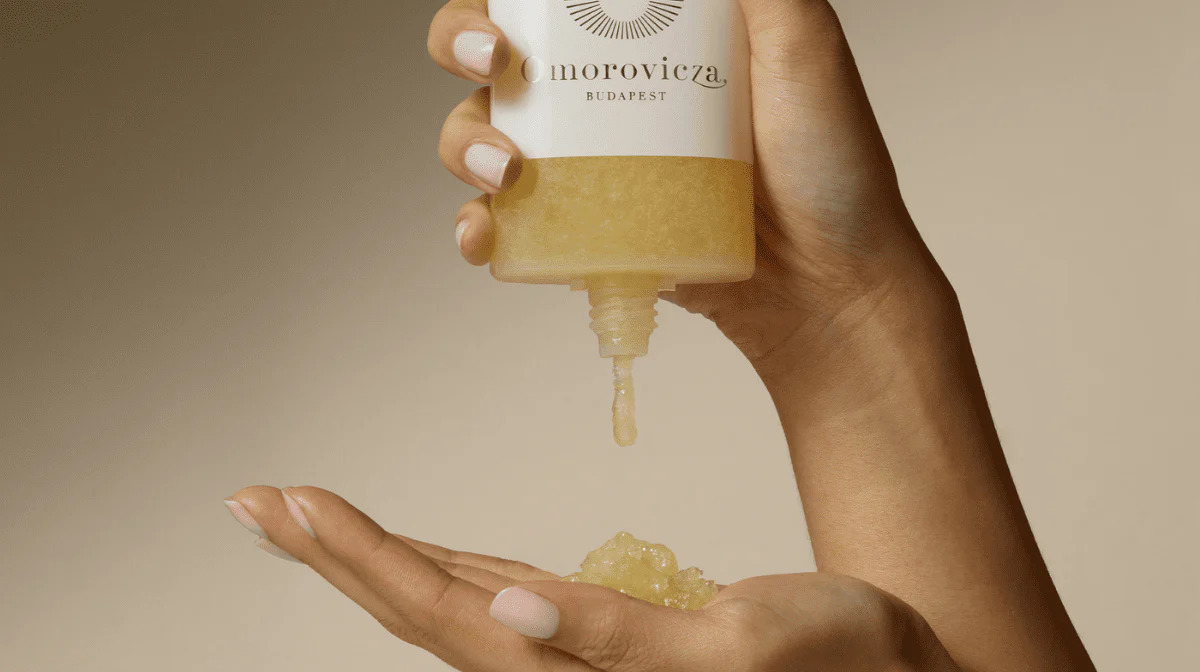
- Facial scrubs
- Body scrubs
- Exfoliating gloves
- Cleansing brushes
- Konjac sponges
- Microfiber cloths
Physical exfoliants work by mechanically buffing away dead skin from the skin’s surface.
Benefits of Physical Exfoliation
Physical exfoliation offers several advantages:
Immediate Results
Many people notice smoother skin immediately after use.
Easy to Use
Physical exfoliants are simple to incorporate into a skincare routine.
Effective for Rough Areas
They can be particularly useful for thicker skin on:
- Elbows
- Knees
- Feet
- Body skin
Instant Softness
The skin often feels softer and smoother right away.
Potential Drawbacks of Physical Exfoliation
While effective, physical exfoliation is not suitable for everyone.
Potential disadvantages include:
- Skin irritation from aggressive scrubbing
- Micro-tears caused by rough particles
- Increased redness in sensitive skin
- Uneven exfoliation
Using excessive pressure can damage the skin barrier and worsen sensitivity.
What Is Chemical Exfoliation?
Chemical exfoliation uses acids or enzymes to dissolve the bonds that hold dead skin cells together.
Rather than physically scrubbing the skin, chemical exfoliants encourage dead skin cells to shed naturally.
Common chemical exfoliants include:
Alpha Hydroxy Acids (AHAs)
Popular AHAs include:
- Glycolic acid
- Lactic acid
- Mandelic acid
AHAs are water-soluble and primarily work on the skin’s surface.
They are often used to improve:
- Dullness
- Fine lines
- Uneven skin tone
- Sun damage
Beta Hydroxy Acids (BHAs)
The most common BHA is:
- Salicylic acid
BHAs are oil-soluble and can penetrate into pores.
They are particularly effective for:
- Oily skin
- Acne-prone skin
- Blackheads
- Congested pores
Polyhydroxy Acids (PHAs)
Examples include:
- Gluconolactone
- Lactobionic acid
PHAs provide gentler exfoliation and are often suitable for sensitive skin.
Benefits of Chemical Exfoliation
Chemical exfoliation offers several unique advantages.
More Even Exfoliation
Chemical exfoliants generally work uniformly across the skin’s surface.
Improved Skin Tone
They may help reduce:
- Dullness
- Mild hyperpigmentation
- Uneven texture
Better for Acne-Prone Skin
BHAs can penetrate pores and help reduce congestion.
No Scrubbing Required
Chemical exfoliation minimizes friction, which may reduce irritation for some skin types.
Potential Drawbacks of Chemical Exfoliation
Chemical exfoliants can cause issues if used improperly.
Possible side effects include:
- Dryness
- Redness
- Peeling
- Sensitivity
- Temporary irritation
Overuse can weaken the skin barrier and increase sun sensitivity.
Key Differences Between Chemical and Physical Exfoliation
| Feature | Physical Exfoliation | Chemical Exfoliation |
|---|---|---|
| Method | Manual scrubbing | Acids or enzymes dissolve dead skin cells |
| Results | Immediate smoothness | Gradual improvement over time |
| Best For | Rough skin and body areas | Texture, acne, pigmentation, and aging concerns |
| Skin Sensitivity | Can irritate sensitive skin | Often gentler when used correctly |
| Pore Penetration | Surface only | Can reach deeper into pores |
| Risk of Overuse | Abrasion and irritation | Barrier damage and sensitivity |
Both methods can be effective when used appropriately.
Which Is Better for Sensitive Skin?
For many people with sensitive skin, gentle chemical exfoliants such as:
- Lactic acid
- Mandelic acid
- PHAs
may be preferable because they avoid mechanical friction.
However, every skin type is different. Some individuals tolerate mild physical exfoliation better than acids.
Patch testing new products is always recommended.
Which Is Better for Acne-Prone Skin?
Chemical exfoliation is often the preferred option for acne-prone skin.
Salicylic acid is especially effective because it:
- Penetrates pores
- Removes excess oil
- Reduces congestion
- Helps prevent breakouts
Harsh physical scrubs may irritate inflamed acne and potentially worsen redness.
Which Is Better for Dry Skin?
Dry skin can benefit from both methods, depending on the product.
Gentle AHAs such as lactic acid offer the added benefit of hydration while exfoliating.
For body care, mild physical exfoliation combined with rich moisturizers may also be effective.
Can You Use Both Types Together?
Yes, but caution is necessary.
Some skincare routines combine:
- Chemical exfoliation for the face
- Physical exfoliation for the body
Others alternate between methods on different days.
However, using both aggressively at the same time may cause:
- Irritation
- Redness
- Excess dryness
- Skin barrier damage
Moderation is essential.
How Often Should You Exfoliate?
The ideal frequency depends on your skin type and the product being used.
Sensitive Skin
- 1–2 times per week
Normal Skin
- 2–3 times per week
Oily Skin
- Up to 3 times per week if tolerated
Over-exfoliation can lead to more problems than benefits.
The Importance of Sunscreen After Exfoliation
Regardless of which exfoliation method you choose, daily sunscreen is crucial.
Exfoliation exposes newer skin cells, which may be more vulnerable to UV damage.
Always apply:
- Broad-spectrum sunscreen
- SPF 30 or higher
to protect your skin and maintain results.
So, what’s the difference between chemical and physical exfoliation? Physical exfoliation removes dead skin cells through manual scrubbing, while chemical exfoliation uses acids or enzymes to dissolve them.
Neither method is universally better. The ideal choice depends on your skin type, sensitivity level, and skincare goals. Physical exfoliation may be effective for rough body skin and instant smoothness, while chemical exfoliation often provides more targeted benefits for acne, uneven texture, and skin tone concerns.
When used correctly and in moderation, both methods can help reveal brighter, smoother, and healthier-looking skin. The key is choosing the approach that works best for your unique skin needs and supporting it with proper hydration and daily sun protection.

