
Makeup
“We Simply Do Not Care Anymore”: Women Over 40 Share What Doesn’t Matter To Them And Younger Ladies Should Listen
Jun
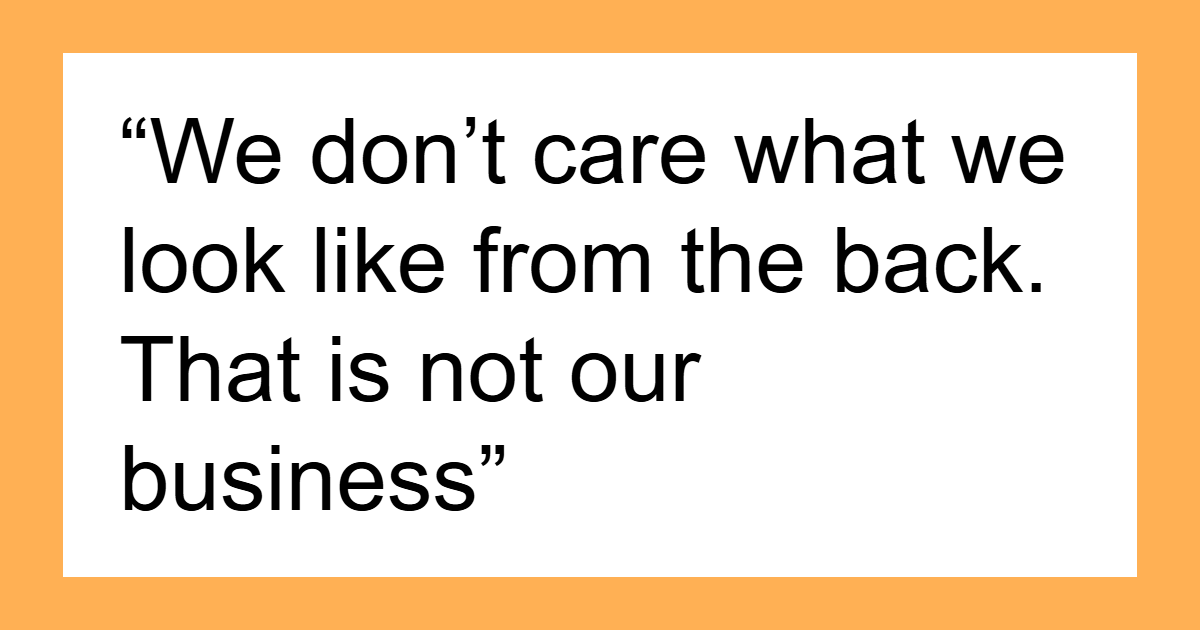
There comes a magical moment in many women’s lives when the invisible committee in their head finally gets fired. You know the committee: the one that comments on your outfit, your wrinkles, your messy kitchen, your career timeline, your tone of voice, your parenting, your dating life, your “resting face,” and whether your jeans are still considered “in.” Around 40 and beyond, many women start looking at that committee and saying, with the calm authority of a queen canceling a useless meeting: we simply do not care anymore.
That phrase has become a kind of rallying cry online, especially among women over 40 who are publicly naming the things they no longer waste emotional energy on. Perfect homes? Hard pants? People who do not like them? Beauty rules written by someone selling serum? The pressure to be forever agreeable, forever young, forever available, and forever smiling? No, thank you. Return to sender.
This is not bitterness. It is clarity. For younger women, the message is not “stop caring about everything.” It is much wiser than that: stop caring about things that drain your life without improving it. Women over 40 are not giving up; many are finally choosing themselves without asking the world for a permission slip.
Why Women Over 40 Start Caring Less About the Wrong Things
Turning 40 is not a personality transplant. No fairy godmother arrives with reading glasses and a starter pack of boundaries. But midlife often brings enough lived experience to make certain old pressures look ridiculous.
By this stage, many women have survived heartbreak, career detours, family drama, caregiving, financial stress, health changes, social comparison, and at least one haircut they were told would be “low maintenance” but absolutely was not. They have watched trends come, go, return, and pretend to be new. They have learned that being liked by everyone is impossible, and worse, exhausting.
Midlife also brings real biological and emotional shifts. Perimenopause and menopause can affect sleep, mood, energy, body temperature, concentration, and overall well-being. That does not mean every woman over 40 is suddenly grumpy because of hormones, which is a lazy stereotype. It means many women are managing a full human life while their bodies are also negotiating a new contract. At some point, caring about whether someone approves of your comfortable shoes becomes laughable.
The Things Women Over 40 Say No Longer Matter
1. Being Liked by Everyone
Younger women are often trained to be pleasant first and honest second. Smile. Soften the email. Make the rejection sound like a cupcake. Apologize before asking a question. By 40, many women have discovered the secret: being liked by everyone usually means abandoning yourself in tiny installments.
Women over 40 often care more about being respected than being universally adored. They know a person can dislike your boundaries and still benefit from them. They also know that some people only call you “difficult” when you stop being easy to exploit.
This is one of the biggest lessons younger women should take seriously. You do not have to become cold, rude, or unreachable. You can be kind without being endlessly available. You can be generous without being a doormat with Wi-Fi.
2. Looking Perfect All the Time
Women over 40 are often done with the exhausting job of looking “effortless,” which ironically requires the effort of a small construction crew. Perfect hair, perfect skin, perfect nails, perfect outfit, perfect angle, perfect lighting, perfect “I woke up like this” faceenough.
Many women still enjoy beauty, fashion, makeup, hair color, skin care, and style. The difference is motivation. The question becomes less “Will this make me acceptable?” and more “Do I actually enjoy this?” That shift is powerful.
Gray hair may stay. Wrinkles may be treated, celebrated, ignored, or moisturized while one whispers, “We’re doing our best, girls.” Comfortable clothes become less of a guilty pleasure and more of a constitutional right. The male gaze loses its position as creative director.
3. Fashion Trends That Hurt
High heels at every event? Hard pants on a long flight? A dress that requires strategic breathing? Many women over 40 have retired from suffering for fashion unless they genuinely feel like making the sacrifice. Comfort becomes not laziness, but wisdom.
The lesson is not that young women should stop dressing up. Dress up. Have fun. Wear the dramatic boots. Try the lipstick. Buy the sparkly bag that makes your inner child clap. But do not confuse discomfort with sophistication. If an outfit requires you to spend the entire night adjusting, tugging, wincing, and pretending your toes are not filing a formal complaint, it may not deserve you.
4. A Spotless House as Proof of Moral Worth
One of the funniest and most relatable themes in conversations among women over 40 is the death of house-performance anxiety. The home no longer needs to look like a magazine spread before anyone enters. If the laundry is visible, congratulations: the household contains textiles.
For generations, women have been judged by the cleanliness of their homes as if a baseboard were a character reference. Many women over 40 are done with that. A lived-in home is not a failure. A messy kitchen after dinner means people ate. A basket of unfolded laundry is not a personality disorder.
Younger women should listen closely here: your home should support your life, not become the place where your self-worth goes to be dusted, vacuumed, and quietly resented.
5. Explaining Every Decision
Women are often expected to provide footnotes for their choices. Why are you single? Why are you married? Why no kids? Why so many kids? Why did you change careers? Why did you stay? Why did you leave? Why are you tired? Why are you happy?
After 40, many women discover the beautiful full sentence known as “No.” Its cousin, “That does not work for me,” is also a classic. No essay required. No courtroom evidence. No emotional PowerPoint presentation with tasteful transitions.
Not every choice needs public approval. Some decisions are private because they belong to the person living them.
What Younger Women Can Learn From the “We Do Not Care” Era
Choose Your Energy Like It Is Money
Energy is not unlimited. Women over 40 often learn this through experience, sometimes the hard way. They have spent years spending emotional currency on people, appearances, arguments, and expectations that gave little back.
Younger women can benefit from asking a simple question: “Is this worth the energy it costs?” Not every text needs a reply. Not every opinion deserves a defense. Not every invitation deserves a yes. Not every social media comment deserves even one eyebrow raise.
Stop Auditioning for People Who Are Not Hiring
Many younger women spend years trying to win approval from people who have already decided not to understand them. A distant friend. A judgmental relative. A boss who moves the goalposts. A partner who mistakes loyalty for endless tolerance.
Women over 40 often become excellent at spotting unwinnable auditions. They stop dancing for judges who never intended to clap. That does not mean they stop improving. It means they stop confusing someone else’s limited vision with their own potential.
Let Your Body Be a Body
Bodies change. They gain weight, lose weight, scar, stretch, wrinkle, ache, heal, sweat, and surprise us. Midlife can make those changes harder to ignore, but it can also make body shame feel less useful.
Women over 40 often become more aware that a body is not a decorative object. It carries groceries, hugs children, survives illness, dances badly in kitchens, walks away from bad relationships, laughs until it leaks a little, and keeps showing up. That deserves respect.
Younger women deserve to learn this before decades of self-criticism steal their peace. Care for your body because you live in it, not because the internet has assigned it a ranking.
The Freedom of Not Performing Femininity for Approval
One major reason the “women over 40 do not care anymore” conversation resonates is that it exposes how much of traditional femininity is performance. Be pretty, but not vain. Ambitious, but not intimidating. Smart, but not arrogant. Sexual, but not too sexual. Maternal, but not boring. Independent, but not “too much.” Youthful, but not desperate. Mature, but not old.
That rulebook is impossible because it was not designed for women’s freedom. It was designed to keep women editing themselves forever.
Women over 40 often start rejecting the assignment. They may still love lipstick, romance, home decor, fitness, family traditions, and beautiful clothes. But they are less willing to perform those things under threat of judgment. They know the difference between desire and obligation.
Relationships Get Simpler When Approval Stops Being the Goal
Another thing many women over 40 stop caring about is maintaining one-sided relationships. The friend who only calls during crisis season. The relative who insults you and calls it honesty. The partner who treats basic effort like an Olympic event. The coworker who believes your time is community property.
Boundaries become less dramatic with age because women begin to understand that peace is not passive. Peace often requires action. It may mean leaving the group chat, muting the chaos, saying no to hosting, asking for help, or letting someone be disappointed without rushing to fix their feelings.
For younger women, this is gold. You are allowed to notice how people make you feel. You are allowed to stop over-explaining disrespect. You are allowed to choose relationships that feel mutual, safe, and real.
Career Pressure Looks Different After 40
Women over 40 also tend to care less about career theater. They may still be ambitious, but they become less impressed by hustle culture that glorifies burnout and calls it passion. They have seen enough workplaces to know that being the most available person in the room does not always lead to respect. Sometimes it just leads to more unpaid emotional labor and a calendar that looks like it lost a fight.
At the same time, women over 40 often face gendered ageism at work. They may be judged as too old in industries obsessed with youth, while still being expected to mentor, organize, remember birthdays, smooth conflicts, and bring institutional knowledge to the table. This double standard is not imaginary; it is part of why many women become sharper about where they invest professional energy.
The lesson is not to care less about your career. It is to care more strategically. Build skills. Keep receipts. Negotiate. Rest. Network with people who respect your expertise. Do not confuse exhaustion with excellence.
What “Not Caring” Really Means
The phrase “we do not care anymore” can sound dismissive, but its deeper meaning is surprisingly tender. Women over 40 often care very much. They care about their health, families, friendships, communities, money, safety, purpose, and joy. They care about the truth. They care about having enough sleep to function like a person instead of a haunted Roomba.
What they stop caring about is the noise: the unpaid emotional management, the beauty panic, the pressure to be endlessly accommodating, the performance of perfection, and the opinions of people who are not living the consequences of their advice.
This is not giving up. This is editing. And editing is how a life becomes readable.
Specific Examples Younger Women Should Remember
Do Not Waste Years Waiting to Be “Ready”
Many women over 40 look back and realize they delayed joy until they felt thinner, richer, prettier, calmer, more qualified, or more approved. They skipped swimsuits, photos, trips, applications, dates, and bold choices because they thought they needed to become a more acceptable version of themselves first.
Younger women should not wait. Wear the swimsuit. Take the picture. Apply for the role. Start the project. Eat at the restaurant alone. Your life is not a waiting room for a future version of you who has finally earned permission to participate.
Stop Making Yourself Smaller to Keep People Comfortable
Some people prefer women who are convenient. Quiet, agreeable, attractive but not distracting, capable but not threatening, helpful but not needy. Women over 40 often become less interested in fitting into that tiny decorative box.
Younger women should learn early that shrinking does not make you safer in the long run. It makes you resentful. Speak clearly. Take up space. Let your laugh be loud. Let your standards be visible.
Do Not Confuse Drama With Love
By midlife, many women have learned that peace can feel boring at first if chaos used to feel familiar. A healthy relationship may not produce the same adrenaline as a messy one, but that is the point. Love should not require constant detective work.
If someone repeatedly makes you feel anxious, small, replaceable, or confused, do not romanticize the suffering. Women over 40 will tell you: the right person does not need to be decoded like ancient ruins.
Extra Experiences: The Quiet Revolution of Women Who Finally Choose Themselves
One of the most powerful experiences women over 40 describe is the first time they say no without decorating it. No, I cannot host Thanksgiving this year. No, I am not available for a phone call that lasts three hours and leaves me emotionally microwaved. No, I will not wear shoes that make me walk like a baby deer on a frozen driveway. No, I am not going to apologize for aging in public.
At first, this can feel almost illegal. Many women have been raised to believe their comfort comes after everyone else’s convenience. So when they finally choose themselves, even in small ways, guilt may show up like an uninvited guest carrying a casserole of anxiety. But then something interesting happens: the world usually does not end.
The family adjusts. The friend finds another person to vent to. The coworker learns to read the document themselves. The event continues even if one woman decides not to attend. The dishes wait, because dishes are famously patient little monsters. A woman realizes she was not holding the entire universe together. She was holding too much.
Another common experience is the sudden appreciation for peace. In youth, excitement can be mistaken for meaning. Busy weekends, dramatic texts, complicated romances, and constant plans may feel like proof that life is happening. Later, many women discover the luxury of a quiet evening with clean sheets, a favorite show, a locked door, and snacks that require no plate because adulthood is about choices.
This does not mean women over 40 stop wanting adventure. Many want more adventure, not less. They travel, start businesses, go back to school, date again, divorce, remarry, lift weights, write books, learn instruments, buy motorcycles, move cities, or finally take the pottery class they have mentioned since 2009. But the adventure becomes less about impressing other people and more about feeling awake in their own lives.
There is also a deep shift in friendships. Younger women may collect social circles out of habit, proximity, or fear of being left out. Women over 40 often become more selective. They want friends who tell the truth kindly, celebrate wins without jealousy, respect silence, and do not turn every gathering into a competition over who is busiest, thinnest, most successful, or most exhausted. A smaller circle can feel bigger when it is honest.
Health becomes another teacher. A woman who once pushed through every warning sign may begin listening to her body because ignoring it no longer feels noble. Sleep matters. Strength matters. Mental health matters. Doctor visits matter. So does laughter, sunlight, stretching, and saying, “Actually, I need help.” Younger women should not wait until burnout becomes a personality trait before treating rest as necessary.
Perhaps the most beautiful experience is the return of personal taste. After years of dressing for trends, decorating for approval, parenting for judgment, working for validation, or dating for status, many women over 40 rediscover what they actually like. Not what is impressive. Not what photographs well. Not what earns compliments from people with suspiciously strong opinions. What they like.
That might be bright lipstick, gray hair, loud wallpaper, early bedtimes, solo travel, comfortable bras, mystery novels, weight training, gardening, breakfast for dinner, or refusing to learn whatever new slang has arrived to make everyone over 30 feel like a fossil with a mortgage.
The experience is not always glamorous. Sometimes liberation looks like canceling plans. Sometimes it looks like blocking a number. Sometimes it looks like eating leftovers in pajamas while feeling no need to turn your life into content. But beneath those ordinary moments is something extraordinary: a woman deciding her life belongs to her.
Conclusion: Younger Ladies, Listen Closely
When women over 40 say they simply do not care anymore, they are not telling younger women to become careless. They are offering a shortcut. They are saying: do not spend decades worshiping at the altar of other people’s expectations. Do not confuse approval with love, busyness with worth, or beauty standards with truth.
Care deeply about what matters. Care about your health, your money, your friendships, your curiosity, your boundaries, your integrity, and your joy. Care about becoming someone you can trust. But release the exhausting little rules that make you perform instead of live.
The great gift of women over 40 is not that they have all the answers. It is that many of them have finally stopped pretending the wrong questions deserve their whole lives.
Note: This article is intended for general lifestyle and informational publishing. It reflects broad social trends, research-informed context, and common personal experiences shared by women in midlife, not medical or psychological advice.

