
Body Care
Trade Your Screen Time For Skill Time With These 18 Surprisingly Fun Hobbies
Jul
Your thumb has completed another heroic expedition from the top of your phone to the bottom. You have watched three cooking videos without cooking, saved six workout routines without moving, and somehow learned that a stranger’s cat refuses to eat from a blue bowl. Fascinating? Certainly. Life-changing? Probably not.
Technology is useful, entertaining, and nearly impossible to avoid. The problem begins when intentional screen use turns into automatic scrolling. Minutes disappear, bedtime moves suspiciously closer to sunrise, and leisure time leaves you feeling less refreshed than when it began.
A better solution is not to throw your phone into a lake. It is to replace a small portion of passive screen time with skill time: enjoyable offline activities that produce something tangible, strengthen an ability, or create a memorable experience. The following fun hobbies for adults and teens are inexpensive, approachable, and entertaining enough to compete with your favorite feed.
Why Replacing Screen Time With Hobbies Actually Works
Reducing recreational screen time is easier when you replace it rather than simply remove it. “Do not scroll” leaves an empty space in your routine. “Spend 20 minutes drawing,” however, gives your hands and attention somewhere specific to go.
Good hobbies combine three satisfying ingredients: a clear action, visible progress, and a manageable challenge. You can see the basil growing, hear a chord becoming cleaner, or notice that your latest paper crane looks less like it survived a tornado. That progress creates a reason to return tomorrow.
The goal is not instant mastery. It is active leisuretime spent creating, moving, observing, experimenting, or connecting instead of consuming an endless stream selected by an algorithm.
18 Surprisingly Fun Hobbies That Turn Screen Time Into Skill Time
“`
1. Urban Sketching
Urban sketching means drawing ordinary places as you see them: a coffee mug, a bus stop, your bedroom window, or the heroic pile of laundry waiting for attention. All you need is paper and a pencil. Instead of aiming for gallery-worthy realism, capture basic shapes, shadows, and details. A ten-minute sketch trains observation and gives you a physical record of your daysomething your browser history rarely provides with dignity.
2. Hand Lettering and Calligraphy
If your handwriting currently resembles a doctor signing a form during an earthquake, hand lettering offers hope. Practice decorative alphabets, bold block letters, or simple brush-style strokes using an ordinary pen. Write favorite quotes, make gift tags, or redesign your weekly planner. The slow, controlled motion demands attention, making it a satisfying offline hobby for evenings when your brain needs quieter entertainment.
3. Origami
Origami transforms a flat square of paper into cranes, flowers, boxes, animals, and occasionally an unidentifiable object you confidently call “modern art.” It develops patience, spatial reasoning, and precision without requiring expensive supplies. Begin with bookmarks, jumping frogs, or simple stars. Once the folds become familiar, challenge yourself to complete a model from memory instead of repeatedly checking instructions.
4. Visible Mending
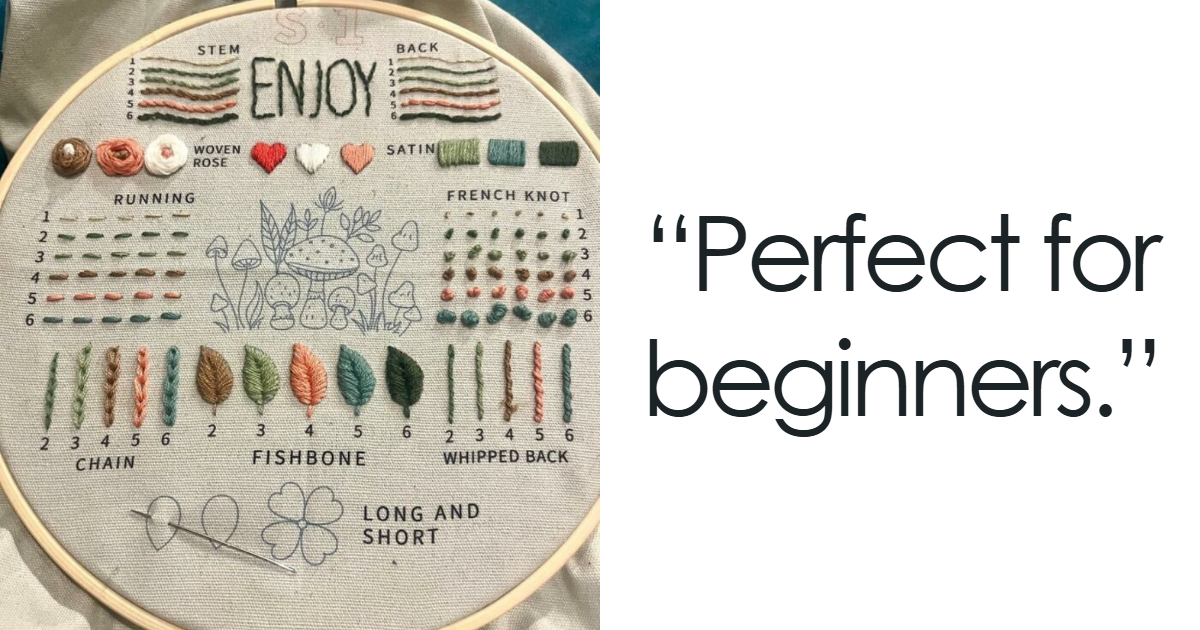
Visible mending repairs worn clothing with colorful stitches and patches that are meant to be noticed. Rather than hiding a hole, you turn it into a small design. Start with an old denim pocket, tote bag, or sock that has already accepted its fate. This practical craft saves useful items, teaches basic sewing, and provides a surprisingly satisfying answer to disposable shopping habits.
5. Crochet
Crochet uses one hook and yarn to create fabric one loop at a time. The repetitive hand movement can feel calming, while the expanding project gives you constant visual progress. Begin with a rectangle, which can become a coaster, scarf, pouch, or “experimental textile” if the edges wander. Crochet is portable, relatively inexpensive, and perfect for listening to music or talking with family without staring at another screen.
6. Air-Dry Clay Miniatures
Air-dry clay lets you make tiny plants, food models, magnets, figurines, or decorative bowls without owning a kiln. The small scale keeps projects manageable and encourages playful experimentation. Try shaping a miniature breakfast, a cartoon animal, or a model of your dream house. Because the material records every fingerprint, it quickly teaches pressure control, proportion, and the useful life lesson that perfection is overrated.
7. Bread Baking
Bread baking combines chemistry, timing, and the ancient joy of hitting dough when it needs kneading. A basic loaf teaches how flour, water, yeast, salt, temperature, and patience work together. Start with a beginner-friendly sandwich loaf or no-knead recipe. Even an uneven result usually smells excellent, and mistakes remain highly compatible with butter.
8. The Five-Ingredient Cooking Challenge
Turn dinner into a creativity game by choosing five main ingredients and building a meal around them. For example, use rice, eggs, spinach, tomatoes, and cheese to create a skillet dish, stuffed omelet, or improvised bowl. Limiting ingredients encourages problem-solving and helps you understand seasoning, texture, and cooking order. Keep basic pantry seasonings available so the challenge remains fun rather than tragically bland.
9. Container Gardening
You do not need a backyard, overalls, or an argument with a neighborhood squirrel to start gardening. Herbs, lettuce, green onions, and compact flowers can grow in containers near a sunny window or balcony. Gardening teaches consistency because plants respond directly to light, water, soil, and care. It also turns checking for new leaves into a tiny daily event that is far more rewarding than checking notification badges.
10. Birding
Birding begins when you stop describing every outdoor bird as either “pigeon” or “probably not a pigeon.” Visit a park, sit quietly, and notice size, color, movement, calls, and habitat. Keep a paper list of what you observe. The hobby strengthens attention and makes familiar places feel newly interesting because the cast of feathered characters changes with weather, season, and time of day.
11. Neighborhood Puzzle Walks
Create a walking route with small observation missions: find three unusual doors, identify five tree shapes, count objects of one color, or sketch a simple map from memory afterward. You can take turns designing puzzle walks with friends or family. This activity converts an ordinary walk into a low-pressure scavenger hunt while adding movement to time that might otherwise disappear into the couch.
12. Pressed-Flower Art
Collect fallen leaves or flowers where local rules permit, press them between absorbent sheets inside a heavy book, and use the dried pieces for bookmarks, cards, or framed arrangements. The process teaches patience because nature refuses to provide same-day shipping. It also sharpens your eye for color, symmetry, and texture. Avoid picking protected plants or removing flowers from private property.
13. Juggling With Rolled Socks
Juggling looks impossible until the first pattern suddenly clicks. Rolled socks make safe, quiet practice objects and are less likely than hard balls to declare war on nearby lamps. Begin with one sock, then two, before attempting a basic three-object cascade. Practice for five minutes at a time. Juggling develops timing, coordination, and persistence while delivering immediate evidence that dropping something is part of learning.
14. Learning a Dance Routine
Dancing replaces sedentary screen time with movement, rhythm, and a socially acceptable reason to slide across the kitchen. Choose a short sequence and learn it in sections. Practice the footwork slowly before adding arms or speed. You do not need to film, post, or perform it. The private victory of finally completing the routine without colliding with furniture is enough.
15. Table Tennis
Table tennis is fast, social, and easier to begin than many organized sports. A basic session trains reaction time, balance, coordination, and strategic placement. No full-size table is available? Some community centers, schools, and recreation spaces provide equipment. Beginners can also practice controlled bounces on a paddle before playing. The point is steady improvement, not immediately becoming a mysterious international champion.
16. Chess or Go on a Real Board
Digital versions are convenient, but physical pieces create a slower, more focused experience. Chess teaches pattern recognition, planning, and consequence. Go uses simpler rules but produces remarkably complex decisions. Learn one opening principle at a time, review why a game changed, and play opponents near your level. Losing is not proof that you are bad at strategy; it is extremely personalized homework.
17. Backyard Astronomy
You can begin observing the night sky without buying an expensive telescope. Learn to recognize the moon’s changing position, bright planets, and a few major constellations using a printed seasonal chart. Record the date, time, cloud cover, and what you notice. The hobby develops patience and perspective while reminding you that the universe is enormous and therefore probably not concerned about your awkward message from three years ago.
18. Analog Journaling and Microfiction
Journaling does not require writing a dramatic autobiography every night. Record three observations, one question, and one memorable detail from the day. On creative days, turn an observation into a 100-word story. A forgotten glove on a bench can become a mystery; a flickering hallway light can become science fiction. Writing by hand slows your thinking and gives scattered ideas a place to become something more interesting.
“`
How to Choose a Hobby You Will Actually Continue
The best hobby is not the one that appears most impressive online. It is the one you can begin with the time, space, budget, and energy you really have.
- Match the hobby to your mood: Choose movement when restless, crafts when overstimulated, and social activities when isolated.
- Keep the starting cost low: Borrow equipment, use household materials, or purchase only the most basic supplies.
- Make the first session tiny: Ten focused minutes are more useful than a two-hour plan that never begins.
- Prepare the environment: Leave the sketchbook visible, place the board game on a table, or store yarn where it is easy to reach.
- Track repetitions, not talent: Count sessions completed rather than judging whether every result looks professional.
Try one hobby for seven days before buying advanced equipment. Enthusiasm is wonderful, but it has been responsible for many closets filled with abandoned supplies.
A Realistic 30-Day Skill-Time Experience
Replacing screen time rarely feels revolutionary on the first evening. The most common beginning is almost comically ordinary: you place the phone across the room, open a notebook, and immediately wonder whether anyone has messaged you during the previous eleven seconds.
During the first few days, the new hobby may feel slower than scrolling. That is because social feeds deliver novelty with no effort, while skill-based hobbies ask you to tolerate a short period of confusion. The first sketch may look crooked. The first loaf may emerge shaped like a geological event. The first juggling session may mostly involve picking socks off the floor.
Yet these imperfect results are strangely memorable. You can point to them. You can laugh at them. Most importantly, you can compare them with what comes next.
By the end of the first week, a routine begins to form. Instead of sitting down and automatically opening an app, you start associating a certain time or place with the hobby. The dining table becomes the drawing table after dinner. Saturday morning becomes bread morning. A walk through the neighborhood becomes an opportunity to notice birds, plants, building details, or possible story ideas.
The second week often produces the first meaningful breakthrough. Your hands remember a crochet stitch without constant checking. You identify a familiar bird from its movement before seeing its color. You finish a chess game and understand the decision that caused the loss. These are small achievements, but they are personally earned. There is no “skip ad” button between effort and improvement.
During the third week, frustration may return. Progress becomes less dramatic, and the hobby’s novelty fades. This is where many people mistakenly conclude that they have lost motivation. In reality, they have simply reached the normal middle of learning. Shorter sessions help. So does changing the challenge: draw with only one line, cook a familiar ingredient differently, or invite a friend to play.
By day 30, the biggest change may not be expert-level skill. It may be a different relationship with free time. Twenty minutes no longer feels too small to matter. A quiet evening no longer automatically demands digital entertainment. You have a growing collection of pages, stitches, recipes, observations, plants, moves, or stories that did not exist a month earlier.
You may also notice that screen time becomes more intentional. You still watch videos, message friends, read news, and enjoy entertainment, but you are less likely to remain online simply because nothing else has been prepared. The hobby provides an exit ramp.
Not every activity will become a lifelong passion. One hobby may bore you, another may be inconvenient, and a third may inspire unreasonable excitement about thread colors. That experimentation is part of the experience. You are not auditioning for a permanent identity. You are discovering which activities make your attention feel active, calm, curious, or connected.
Make the Screen-to-Skill Swap Simple
Begin with one repeatable rule: trade the first 20 minutes of recreational screen time each evening for a hobby. Put the phone out of reach, prepare your supplies in advance, and stop when the 20 minutes are over unless you genuinely want to continue.
A good offline hobby should not become another performance metric. You do not need to monetize it, build a personal brand around it, or produce daily evidence for an audience. Make something clumsy. Learn slowly. Enjoy being a beginner where nobody is keeping score.
Your screen can entertain you, but a hobby can leave you with a skill, a story, a useful object, a stronger body, or a sharper eye. Trade a little scrolling for a little creating, and your free time may finally start feeling like it belongs to you again.

