
Beauty Tools & Accessories
The Ultimate Guide to Caring for a Venus Fly Trap Effectively
Jun
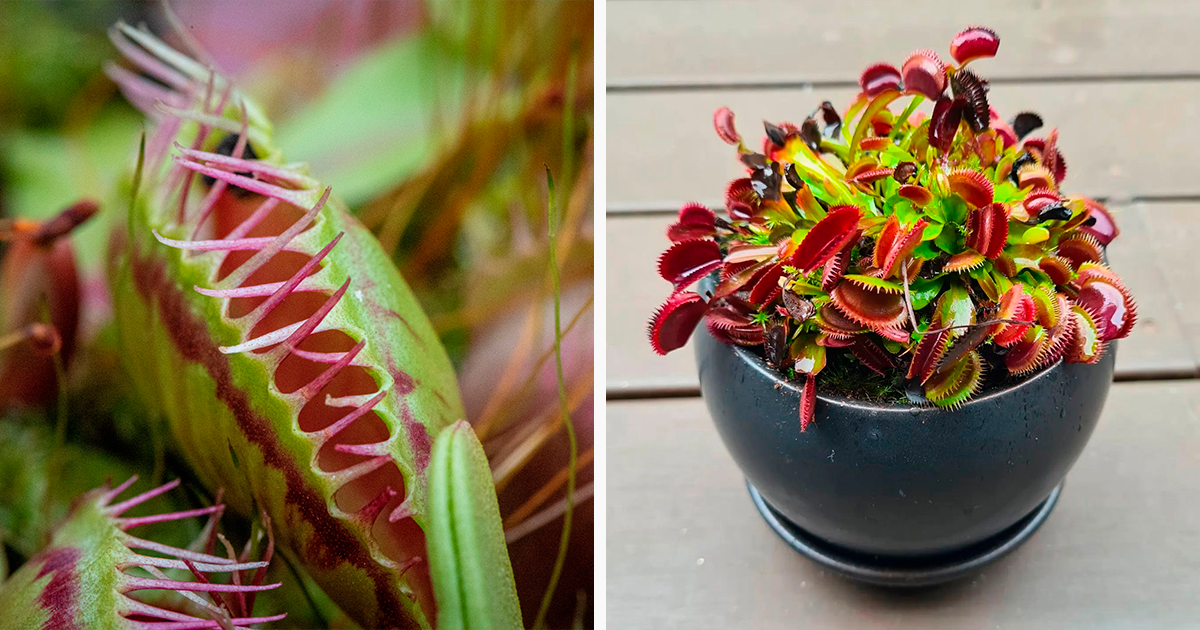
Venus fly traps look like tiny green monsters with excellent dental work. They snap, they digest bugs, and they make every windowsill feel slightly more dramatic. But despite their theatrical personality, the Venus fly trap is not a mysterious alien pet. It is a real plant with very specific needs: strong light, mineral-free water, nutrient-poor soil, patience, and a winter rest period that does not involve panic-buying fertilizer.
The biggest mistake beginners make is treating a Venus fly trap like an ordinary houseplant. It is not ordinary. Native to wet, sunny, nutrient-poor habitats in the Carolinas, Dionaea muscipula evolved to catch insects because the soil where it grows does not provide enough nutrients. That means the care routine is almost the opposite of what many indoor gardeners are used to. No rich potting mix. No plant food. No tap water “just this once.” And please, no hamburger bits. Your fly trap is a carnivorous plant, not a drive-through customer.
This guide explains how to care for a Venus fly trap effectively, whether you just rescued one from a grocery store death cube or you are planning to build a mini bog garden. You will learn the best light, water, soil, feeding, dormancy, repotting, and troubleshooting tips so your plant can do more than surviveit can actually thrive.
What Makes a Venus Fly Trap Different?
A Venus fly trap is a carnivorous perennial plant. The “traps” are modified leaves with sensitive trigger hairs inside. When prey touches the hairs in quick succession, the trap closes. This clever system helps the plant avoid wasting energy on raindrops, dust, or the finger of a curious human who “just wants to see it snap.” The trap then seals more tightly if the insect continues moving, allowing digestion to begin.
In the wild, Venus fly traps grow in sunny, acidic, wet soils that are low in nutrients. Their roots are adapted for moisture and anchoring, not for absorbing fertilizer-rich meals from the soil. That is why success in Venus fly trap care comes down to recreating three natural conditions: bright light, pure water, and lean growing medium. When those basics are right, the plant becomes much less fussy than its reputation suggests.
Venus Fly Trap Care at a Glance
- Scientific name: Dionaea muscipula
- Light: Full sun outdoors or strong grow light indoors
- Water: Distilled water, rainwater, or reverse-osmosis water only
- Soil: Nutrient-poor mix such as sphagnum peat moss with perlite or silica sand
- Fertilizer: Avoid completely
- Food: Small insects only, and only occasionally
- Dormancy: Cool winter rest is recommended for outdoor and seasonal growing
- Common problems: Low light, mineral buildup, wrong soil, overfeeding, and rot
1. Give Your Venus Fly Trap Plenty of Light
Light is the engine of a healthy Venus fly trap. Although the plant gets nutrients from insects, it still makes energy through photosynthesis like other plants. A hungry fly trap can wait for bugs; a light-starved fly trap slowly declines.
Outdoor Light
Outdoors, place your Venus fly trap where it receives at least six hours of direct sunlight per day. Morning sun with bright afternoon light is good, but full sun is often ideal if the plant is gradually acclimated. Healthy traps often develop red or pink interiors when they receive strong light, though color depends on the variety. If the leaves grow long, floppy, and pale green, your plant is probably stretching for more light like a teenager reaching for the last slice of pizza.
Indoor Light
Indoors, a bright south-facing window may work, but many homes do not provide enough direct sun. A full-spectrum LED grow light can solve the problem. Keep the light close enough to be effective but not so close that it overheats the plant. Aim for 12 to 14 hours of bright artificial light during active growth. If your Venus fly trap is indoors and looks weak despite proper watering, light is usually the first suspect.
2. Use the Right WaterThis Is Not Optional
Venus fly traps are extremely sensitive to dissolved minerals. Tap water, softened water, and many bottled drinking waters can leave salts in the soil. Over time, those minerals damage the roots and cause blackened traps, weak growth, and slow decline. The plant may look fine for a few weeks, then suddenly act like it has read a tragic novel.
Use only:
- Distilled water
- Rainwater
- Reverse-osmosis water
The easiest watering method is the tray method. Place the pot in a shallow saucer with about half an inch to one inch of pure water during the growing season. Let the pot absorb moisture from below. The soil should stay consistently damp, never bone dry. However, do not keep the crown submerged or flood the traps. Venus fly traps like wet feet, not a swimming lesson.
In winter dormancy, reduce watering. The soil should remain lightly moist, not constantly saturated. Cool temperatures plus soggy conditions can invite rot, which is plant care’s version of a jump scare.
3. Choose Nutrient-Poor Soil
Regular potting soil is one of the fastest ways to kill a Venus fly trap. Standard houseplant mixes often contain fertilizer, compost, lime, or minerals. These ingredients are wonderful for many plants but terrible for fly traps. Remember: this plant evolved in poor soil. It wants the botanical equivalent of a minimalist apartment.
A reliable Venus fly trap soil mix is:
- One part sphagnum peat moss and one part perlite
- Or one part sphagnum peat moss and one part silica sand
- Or long-fiber sphagnum moss for certain growing setups
Always check that perlite or sand has no added fertilizer. Avoid beach sand, play sand with additives, garden soil, compost, cactus mix, orchid bark blends, and anything labeled “moisture control” with plant food included. If the bag says it feeds plants for six months, put it down gently and back away.
4. Pick the Right Pot
A Venus fly trap does well in a plastic or glazed ceramic pot with drainage holes. Avoid unglazed terra-cotta because it can wick moisture away and may release minerals into the soil. The pot should be deep enough for roots, usually at least four inches deep. A wider pot also helps buffer temperature swings, especially outdoors.
If you bought your plant in a tiny plastic cup, repotting may be useful after it adjusts to your home. However, do not repot repeatedly just because you are excited. Venus fly traps appreciate stability. Repot every one to two years, preferably in late winter or early spring before vigorous growth begins.
5. Feed Your Venus Fly Trap Correctly
Here is the good news: if your Venus fly trap grows outdoors, you probably do not need to feed it at all. It will catch its own insects. That is literally its brand.
Indoor plants may benefit from occasional feeding, but less is more. Feed one trap every two to four weeks during active growth, and only if the plant is healthy. Use insects small enough to fit comfortably inside the trap. A good rule is that the insect should be no larger than one-third the size of the trap. Suitable foods include small flies, gnats, ants, tiny crickets, or freeze-dried bloodworms that have been rehydrated.
Do not feed:
- Meat
- Cheese
- Fruit
- Candy
- Large insects
- Anything greasy, salty, or cooked
Human food can rot inside the trap and harm the plant. A Venus fly trap is not impressed by steak night. If feeding dead prey, gently stimulate the trigger hairs after placing the food inside so the trap closes and begins the digestive process. Never trigger traps for fun. Each trap can open and close only a limited number of times before it dies back.
6. Understand Dormancy
Dormancy is one of the most debated parts of Venus fly trap care. In nature, Venus fly traps experience seasonal changes. During winter, growth slows, traps may turn black, and the plant rests. This is normal. A dormant fly trap often looks like it has given up on life, gardening, and perhaps society as a wholebut it is usually just resting.
For outdoor growers in suitable climates, dormancy happens naturally as temperatures drop and days shorten. For indoor growers, some specialists note that strong artificial light and stable conditions can keep plants growing, while many traditional care guides still recommend a cool winter rest for long-term vigor. A practical approach is this: if your plant is grown outdoors or receives natural seasonal cues, allow dormancy. If it is grown indoors under lights, keep conditions consistent and watch plant health carefully.
During dormancy, keep the plant cool, usually around 35°F to 50°F when possible, and reduce watering so the soil stays damp but not soaked. Remove dead black leaves to reduce mold. In spring, increase light and water gradually as new growth appears.
7. Avoid Fertilizer Completely
Do not fertilize a Venus fly trap. Fertilizer can burn the roots and damage the plant because it is adapted to nutrient-poor conditions. This includes liquid houseplant fertilizer, slow-release pellets, compost tea, worm castings, and “just a tiny bit” of plant food. The tiny bit is still too much.
If your fly trap looks weak, the answer is almost never fertilizer. Check light, water quality, soil type, pot drainage, temperature, and whether the plant is entering dormancy. Most problems come from environmental stress, not a lack of plant vitamins.
8. Keep Humidity Reasonable, But Do Not Obsess
Venus fly traps enjoy humidity, but they do not need a sealed terrarium to survive. In fact, closed terrariums can create problems: poor air circulation, overheating, mold, and stagnant conditions. Many beginners trap their fly trap in a glass container like a fairy-tale prisoner, then wonder why it sulks.
Good air movement is important. If your indoor air is very dry, use a tray of water beneath the pot or group plants together, but avoid sealing the plant in a constantly wet, airless environment. Outdoors, humidity usually takes care of itself if watering is correct.
9. Repot Without Drama
Repotting refreshes the growing medium and removes mineral buildup. The best time is late winter or early spring. Use fresh carnivorous plant soil and pure water to moisten the mix before planting. Handle the rhizome carefully and avoid crushing the roots.
After repotting, the plant may pause growth for a short time. This does not mean you have failed. It means the plant is adjusting. Keep the soil moist, provide strong light, and resist the urge to “help” with fertilizer, extra feeding, or daily poking.
10. Troubleshoot Common Venus Fly Trap Problems
Black Traps
Individual traps naturally turn black after catching and digesting prey or after opening and closing several times. Trim fully dead traps with clean scissors. If many traps blacken at once, check water quality, soil, and light.
Weak, Pale, Stretchy Growth
This usually means insufficient light. Move the plant to a sunnier spot gradually or add a grow light.
Rotting or Mushy Crown
Rot may happen when the plant is too wet in cool conditions or planted too deeply. Reduce water during dormancy, improve air circulation, and remove dead material.
No New Traps
The plant may be dormant, recently repotted, stressed from shipping, or lacking enough light. Give it time and correct conditions.
Leaves Turning Brown at the Edges
Possible causes include mineral buildup, low humidity, heat stress, or old leaves dying naturally. Switch to pure water if you have not already.
11. Buy Ethically Grown Plants
Venus fly traps are native to a small region of North and South Carolina, and wild populations face threats from habitat loss and illegal collection. Always buy nursery-propagated plants from reputable sellers. Never collect Venus fly traps from the wild. Besides being harmful, wild collection may be illegal. A healthy hobby should not start with plant kidnapping.
Ethically grown plants are also more likely to adapt well to home conditions. Look for sellers who clearly state that plants are seed-grown, tissue-cultured, or nursery-propagated. If a deal seems suspiciously cheap and vague, choose another source.
Seasonal Venus Fly Trap Care Calendar
Spring
New growth begins. Increase light and water. Repot if needed. Resume normal tray watering. Do not feed until the plant is actively producing healthy traps.
Summer
This is peak growth season. Provide full sun, plenty of pure water, and occasional feeding only if the plant is indoors. Outdoor plants usually catch enough food on their own.
Fall
Growth slows as days shorten. Reduce feeding. Watch for older traps turning black. Prepare outdoor plants for cooler weather.
Winter
Allow dormancy for plants grown with seasonal cues. Keep cool and slightly moist. Remove dead leaves and avoid heavy feeding or repotting until late winter.
Beginner-Friendly Venus Fly Trap Setup
If you want a simple setup that works, start with a plastic pot with drainage holes, a tray, distilled water, and a soil mix made for carnivorous plants. Place the pot outside in strong sun or under a quality grow light indoors. Keep the tray filled with a small amount of pure water during active growth. Do not fertilize. Do not use tap water. Do not feed it tacos. Congratulationsyou are already ahead of most first-time growers.
Experience-Based Tips for Caring for a Venus Fly Trap Effectively
After caring for Venus fly traps, one lesson becomes obvious: this plant rewards consistency more than fussing. Beginners often hover over it like nervous helicopter parents. They mist it, move it, feed it, repot it, poke the traps, change the lighting, and then wonder why the plant looks exhausted. A Venus fly trap does best when you set up the right conditions and then let it behave like a plant.
One useful experience is to treat the plant’s appearance as a message rather than a mystery. Red trap interiors usually suggest good light, while long green leaves stretching upward may mean the plant wants more brightness. A few black traps are not an emergency. They are part of the life cycle. But several black traps appearing after using tap water is a warning sign. In that case, flush the pot with distilled water and switch permanently to mineral-free water.
Another practical tip is to avoid overfeeding. New growers often think a carnivorous plant must eat constantly. In reality, the plant uses sunlight for energy and insects for nutrients. Feeding every trap can stress the plant, especially indoors. A healthy fly trap can go weeks without a meal. Outdoor plants often catch gnats, ants, and small flies without any help. The plant is an excellent little hunter; it does not need you standing nearby with tweezers like a bug waiter.
Light acclimation is also important. If your plant has been sitting indoors under weak store lighting, do not throw it straight into blazing afternoon sun for eight hours. Gradually increase exposure over several days to prevent leaf burn. New growth that forms under brighter light will be stronger and better adapted.
Water trays are convenient, but they should not become swampy soup bowls full of algae, dead insects, and mystery slime. Rinse the tray regularly and refresh the water. Clean conditions reduce fungus gnats and mold. If fungus gnats appear, they are often a sign that the growing medium is too stagnant or overly wet indoors. Improve airflow and avoid sealing the plant in a closed terrarium.
Finally, dormancy teaches patience. A resting Venus fly trap can look rough. Leaves shrink, traps blacken, and growth slows dramatically. Many owners assume the plant is dying and start “rescue missions” that cause more harm than good. Instead, keep it cool, slightly moist, and clean. When spring arrives, new traps usually appear from the center. That first fresh green trap feels like a tiny botanical victory parade.
Conclusion
Caring for a Venus fly trap effectively is not about secret tricks. It is about respecting where the plant comes from. Give it strong light, pure water, nutrient-poor soil, ethical sourcing, and the right seasonal rhythm. Avoid fertilizer, rich potting mix, tap water, and unnecessary trap triggering. Feed sparingly, repot thoughtfully, and learn to recognize normal changes such as blackening old traps or winter dormancy.
Once you understand its needs, the Venus fly trap becomes less intimidating and more fascinating. It is not a disposable novelty plant. With the right care, it can be a long-lived conversation starter, science lesson, and windowsill celebrity. And yes, it will still look like it is plotting something. That is part of the charm.
Note: This article is written in standard American English for web publishing and is based on real horticultural, botanical, and conservation guidance about Venus fly trap care.

