
Body Care
The Landscape Designer Is In: Creating and Maintaining a Thriving Kitchen Garden
Aug
A well-designed kitchen garden does more than produce tomatoes that actuandscape where herbs perfume the air, flowers attract pollinators, and dinner ingredients wait a few steps from the back door.
The trick is to design the space as both a garden and an outdoor room. Productivity matters, but so do comfortable paths, attractive planting combinations, convenient water access, and a maintenance plan that does not consume every Saturday until Thanksgiving. With thoughtful planning, even a modest plot, patio, or collection of containers can become a thriving edible garden.
What Makes a Kitchen Garden Different?
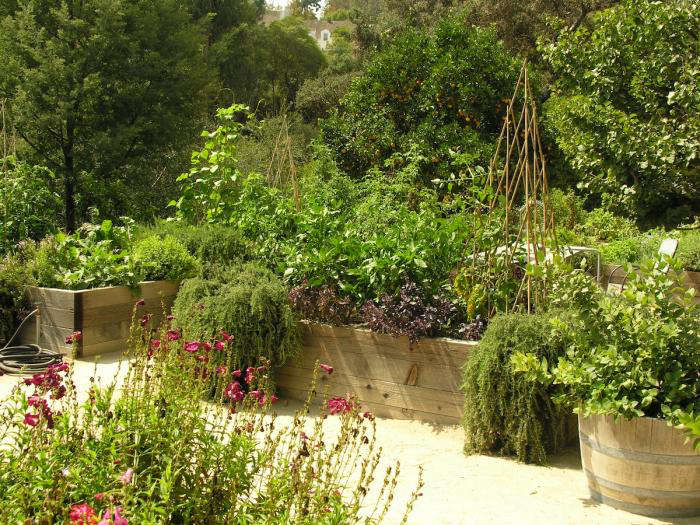
A traditional vegetable garden is often arranged for maximum production. Long rows march across the soil, crops are grouped by type, and appearance may be secondary. A kitchen garden, sometimes called a potager, combines edible plants with ornamental design. Vegetables, herbs, fruits, and flowers are arranged to look appealing throughout the growing season.
That does not mean every lettuce plant must pose like a botanical model. It means the garden is intentionally organized. Paths create structure. Trellises add height. Repeated plants establish rhythm. Flowers soften the edges, while herbs provide texture, fragrance, and culinary value.
The best kitchen gardens are also convenient. A beautiful herb bed located at the far end of a muddy yard will not feel especially charming when you need rosemary during a thunderstorm. Frequent-use plants should be close to the kitchen, grill, or main outdoor living area.
Begin With the Right Location
Follow the Sun
Most fruiting vegetables, including tomatoes, peppers, cucumbers, squash, and beans, perform best with at least six hours of direct sunlight. Eight hours is even better in many climates. Leafy crops such as lettuce, kale, parsley, and chard can tolerate somewhat less light, particularly where summers are hot.
Observe the proposed site at several times during the day. A location that appears sunny at breakfast may be shaded by the garage after lunch. Trees also create changing shade patterns as they leaf out, so early-spring observations can be misleading.
Keep Water Within Reach
Water access is not a glamorous design feature, but carrying heavy watering cans across the yard loses its rustic appeal remarkably quickly. Locate the garden near a hose connection, rain barrel, or irrigation line. Easy access encourages consistent watering and makes it simpler to respond during hot, dry weather.
Choose Well-Drained Ground
Avoid low spots where water collects after storms. Vegetable roots need moisture, but they also need oxygen. Constantly saturated soil can contribute to root problems and poor growth. Raised beds can improve drainage on compacted, rocky, or naturally wet sites, although they may dry out faster than in-ground beds.
Extension guidance consistently recommends convenient, sunny locations with fertile, well-drained soil and practical access to water. Raised beds should be narrow enough that gardeners can reach the center without stepping into and compacting the soil.
Design a Layout That Works and Looks Good
Create Permanent Beds and Paths
Defined beds give a kitchen garden visual order, even when zucchini vines are plotting a hostile takeover. Permanent paths also prevent foot traffic from compacting cultivated soil.
A practical bed is generally narrow enough to reach from both sides. Long rectangular beds are efficient, while square, circular, or keyhole-shaped beds can make the garden more decorative. Paths should be wide enough for comfortable movement. Main routes may need to accommodate a wheelbarrow, garden cart, or mobility aid.
Cover paths with gravel, brick, wood chips, stepping stones, or another durable material suited to the home. Repeating an existing landscape material helps the kitchen garden feel connected to the property rather than dropped into the yard by helicopter.
Add Vertical Structure
Trellises, arches, obelisks, and fences provide support for peas, pole beans, cucumbers, small melons, and indeterminate tomatoes. Vertical growing saves ground space, improves air circulation, and turns climbing crops into living architecture.
Place tall structures where they will not shade shorter crops. In much of the United States, the north side of a bed is usually a sensible location. A sturdy arch over an entrance can support beans or cucumbers while creating a clear transition into the garden.
Repeat Colors and Forms
Repetition is a landscape designer’s secret weapon. A row of purple basil echoed in several beds creates unity. Clumps of marigolds at path intersections make the layout feel intentional. Silver sage leaves can connect visually with gray stone or weathered wood.
Use permanent features to carry the design when annual crops are young or recently harvested. Evergreen herbs, clipped borders, attractive fencing, containers, benches, and structural supports keep the garden from looking empty between seasons.
Build Healthy Soil Before Buying Plants
A kitchen garden’s success is largely determined below the surface. Before adding fertilizer, test the soil through a reputable laboratory. A soil test can identify pH, nutrient levels, and appropriate amendments. It prevents the common mistake of adding products the soil does not need simply because the bag features a heroic-looking tomato.
Most vegetables and herbs grow well in slightly acidic to nearly neutral soil. University of Maryland Extension identifies approximately 6.2 to 6.8 as an ideal pH range for many garden plants, although productive raised beds with abundant organic matter may perform well at slightly higher readings.
Use Compost Wisely
Finished compost improves soil structure, supports biological activity, and helps soil manage water more effectively. Mix compost into new beds or apply a modest layer before planting. More is not always better; repeatedly adding large amounts can create excessive nutrient levels.
Never assume purchased topsoil is automatically excellent. Some products are mostly mineral soil, while others contain substantial organic material. For a new raised bed, use a balanced mixture intended for vegetable production rather than filling the entire structure with pure compost or lightweight potting mix.
Protect the Soil Surface
Bare soil dries, erodes, crusts, and invites weeds to audition for permanent residency. Cover the surface with shredded leaves, clean straw, untreated grass clippings, compost, or another suitable organic mulch. Keep mulch slightly away from plant stems to discourage rot and provide fewer hiding places for pests.
Research-based gardening guidance recommends soil testing before amendment, adding organic matter thoughtfully, and keeping soil covered to reduce erosion, moderate temperature, conserve moisture, and suppress weeds.
Choose Crops for the Kitchen You Actually Use
Grow food that earns its space. If nobody in the household likes beets, planting three rows will not produce a sudden beet-based spiritual awakening. Begin with vegetables and herbs that appear regularly in your meals.
High-value kitchen garden plants include salad greens, cherry tomatoes, peppers, scallions, parsley, basil, cilantro, thyme, chives, and compact cucumbers. These crops are frequently used, taste especially good when freshly harvested, or can be expensive at the grocery store.
Match Plants to the Season
Cool-season vegetables such as peas, radishes, lettuce, spinach, carrots, and many brassicas prefer spring or fall conditions. Warm-season crops such as tomatoes, peppers, squash, cucumbers, eggplants, and basil need warmer soil and protection from frost.
Local planting calendars are more valuable than generic national schedules. Frost dates, humidity, summer heat, rainfall, and pest pressure vary dramatically across the country. A planting date that works beautifully in Minnesota may be far too late in North Carolina and wildly optimistic in Arizona.
Plant for Continuous Harvests
Succession planting prevents the garden from producing fourteen heads of lettuce on Tuesday and nothing for the next month. Sow small amounts of quick-growing crops every one to three weeks, depending on the plant and season.
Replace finished crops promptly. Spring radishes might be followed by bush beans. Early peas can make way for cucumbers. Summer beans can be removed for a fall planting of spinach or arugula. Keeping a simple garden calendar makes these transitions much easier to remember.
Mix Vegetables, Herbs, and Flowers Thoughtfully
A kitchen garden becomes more attractive and ecologically useful when edible plants share space with flowers. Calendula, sweet alyssum, cosmos, zinnias, nasturtiums, and sunflowers can provide color and floral resources for pollinators and other beneficial insects.
Flowering herbs are especially valuable. Dill, cilantro, fennel, oregano, thyme, chives, and basil can attract numerous insects when allowed to bloom. Let a portion flower while continuing to harvest the rest.
Companion planting should be approached with practical expectations. Some combinations improve space efficiency, provide shade, support climbing plants, or attract helpful insects. However, many dramatic claims about one plant magically repelling every pest in the zip code are not supported by strong evidence.
Focus on measurable benefits: plant tall crops where they can shade heat-sensitive greens, grow shallow-rooted crops near deeper-rooted ones, and combine flowers with different bloom shapes and flowering periods. Diverse plantings provide habitat without turning the garden plan into botanical astrology.
Water Deeply, Efficiently, and at the Right Time
Vegetable gardens generally need consistent moisture, especially during germination, flowering, and fruit development. Instead of sprinkling the surface briefly every day, water deeply enough to moisten the root zone. Then allow the soil surface to begin drying before watering again, unless seedlings or extreme heat require more frequent attention.
Check moisture with a finger, trowel, or soil probe. The top of a mulched bed can look dry while the root zone remains moist. Conversely, a quick shower may wet only the surface and provide little useful water.
Use Drip Irrigation or Soaker Hoses
Drip lines and soaker hoses deliver water near the soil, reducing waste and keeping foliage drier. They are particularly helpful for tomatoes and other crops prone to leaf diseases. Covering drip lines with mulch can protect them and reduce evaporation.
Watering in the morning gives plants moisture before the hottest part of the day and allows accidentally wetted leaves to dry. During very hot weather, raised beds and containers may need daily inspection. A typical vegetable garden may require about an inch of water per week, but soil type, temperature, wind, rainfall, and plant size can change that requirement substantially.
Maintain the Garden Without Becoming Its Employee
Weed Early
Small weeds are easy to remove. Large weeds arrive with complicated root systems, seed heads, and an attitude. Walk through the garden several times a week and pull weeds before they become established. Mulch and close crop spacing can reduce germination by limiting light at the soil surface.
Harvest Frequently
Regular harvesting encourages continued production from beans, cucumbers, summer squash, and many herbs. Pick leafy greens while they are tender. Remove oversized or damaged produce so plants can direct energy toward new growth.
Feed According to Need
Fertilization should be based on soil-test recommendations and crop performance. Fruiting vegetables may benefit from additional nutrients during the season, while herbs often develop better flavor and sturdier growth without excessive feeding. Too much nitrogen can produce enormous leafy plants with surprisingly little food attached.
Keep Records
Record varieties, planting dates, harvest periods, pest problems, and successful combinations. Photographs taken every few weeks are also useful. Memory tends to transform last year’s chaotic cucumber jungle into a flawless horticultural triumph, so written evidence is helpful.
Manage Pests With Observation, Not Panic
Inspect plants regularly, including the undersides of leaves. Early detection makes most problems easier to address. Before treating anything, identify the pest or disease correctly. A few holes in a leaf do not automatically require a chemical response.
Integrated pest management begins with prevention and uses the least disruptive effective control. Healthy soil, proper spacing, crop rotation, resistant varieties, sanitation, physical barriers, and support for beneficial insects can prevent many problems.
Floating row covers can exclude insects from vulnerable crops, but they may need to be removed when insect-pollinated plants begin flowering. Hand-picking works well for many larger pests. Diseased leaves and heavily infested plants should be removed when appropriate rather than left to spread trouble throughout the bed.
Rotate Plant Families
Avoid growing the same plant family in the same location year after year. Tomatoes, peppers, eggplants, and potatoes belong to one family; cabbage, broccoli, kale, and radishes belong to another. Rotation can help interrupt certain pest and disease cycles and distribute nutrient demands.
In small gardens, perfect rotation may be impossible. Containers, grow bags, resistant cultivars, replacement of contaminated potting mix, and careful sanitation can still improve results.
Plan for All Four Seasons
A thriving kitchen garden is not a one-season installation. In spring, prepare soil, install supports, and plant cool-season crops. During summer, monitor irrigation, harvest often, and replace tired plants. Fall is ideal for leafy greens, root crops, cleanup, compost application, and planning improvements. Winter can be used to review records, order seeds, repair structures, and sketch the next layout.
Cold frames, low tunnels, row covers, and other season-extension tools can protect crops from light frost and create earlier or later harvests. The appropriate method depends on local conditions and the plants being grown.
Leave some flowers and seed heads standing where practical to provide winter interest and habitat. Remove diseased crop residue, but healthy material can often be composted or used according to local recommendations.
Experience-Based Lessons From Realistic Kitchen Garden Projects
The following lessons reflect common experiences seen across home kitchen gardens. The situations are composite examples rather than claims about one specific property or client.
Experience One: Convenience Beats Ambition
A typical first-time gardener may place a large vegetable plot in the sunniest back corner of the property. On paper, the choice looks perfect. In practice, the garden sits far from the kitchen, hose, and main walkway. Weeds go unnoticed, herbs are rarely harvested, and watering becomes a chore.
A smaller garden near the patio often performs better because it becomes part of daily life. The gardener notices a dry container while drinking coffee, ties up a tomato plant before it collapses, and gathers basil while dinner is cooking. Visibility creates maintenance. The practical lesson is simple: the best location is not merely the sunniest available space. It is the sunniest convenient space.
Experience Two: Start Smaller Than Your Enthusiasm
Seed catalogs make every vegetable appear essential. This can lead to six raised beds, twelve tomato varieties, three kinds of squash, and a household wondering why the dining room is full of seedlings.
Beginning with one or two manageable beds usually produces a more satisfying result. A compact garden can include a tomato, a pepper, cucumbers on a trellis, salad greens, several herbs, and a border of flowers. Once the watering, harvesting, and pest-management routine feels comfortable, the garden can expand.
Expansion is easy. Recovering from midsummer garden exhaustion while zucchini plants block the gate is less elegant.
Experience Three: Design the Supports Before Planting
One of the most common seasonal dramas begins with a tiny tomato transplant and ends with a frantic search for stakes after the plant has become a sprawling green octopus. Trellises, cages, arches, and support wires should be installed before crops need them.
Early installation protects roots from later disturbance and makes the structure part of the design. Matching supports also create visual consistency. A row of sturdy cedar trellises looks intentional; a collection of broom handles and emergency string looks like the garden lost an argument.
Experience Four: Soil Improvement Is More Valuable Than Plant Shopping
Gardeners naturally focus on plants because plants are exciting. Soil resembles, well, dirt. Yet struggling soil cannot be repaired by purchasing increasingly heroic seedlings.
In a typical compacted-yard project, the greatest improvement may come from testing the soil, loosening the planting area without overworking it, incorporating an appropriate amount of compost, and protecting the surface with mulch. Plants often establish more evenly, irrigation becomes easier to manage, and roots can explore a larger area.
This work lacks the immediate glamour of a cart filled with flowering herbs, but it delivers far more value over time.
Experience Five: The Garden Will Change the Plan
No design survives an entire growing season without revisions. A supposedly compact tomato may become enormous. A shaded corner may prove perfect for summer lettuce. Rabbits may discover the parsley with suspicious speed. These are not failures; they are information.
The most successful gardeners observe, adjust, and document. They move the basil next year, widen the path that always feels cramped, replace an unproductive variety, and add flowers where beneficial insects gather. A kitchen garden becomes better through this conversation between design and experience.
The goal is not a flawless space frozen in time. It is a resilient, useful landscape that becomes more productive, attractive, and enjoyable with every season.
Conclusion: Grow a Garden That Belongs to Your Home
A thriving kitchen garden begins with good landscape design: adequate sunlight, convenient access, healthy soil, efficient paths, practical irrigation, and crops selected for the household’s table. Its beauty comes from combining those essentials with structure, repetition, flowers, herbs, and seasonal change.
Start with a realistic area, prepare the soil carefully, and create a maintenance routine based on frequent observation rather than occasional rescue missions. Harvest often, rotate plant families when possible, protect beneficial insects, and keep notes about what succeeds.
Over time, the kitchen garden becomes more than a source of vegetables. It becomes a place to step outside, notice the season, snip a handful of herbs, and feel unreasonably proud of a pepper. That is not merely food production. That is landscape design doing its most delicious work.

