
Skincare
“The BBL Question”: Ariana Grande Confronted With Plastic Surgery Rumors In Lie Detector Test
Jun
Note: This article is based on publicly reported entertainment coverage from reputable U.S. media outlets, including Vanity Fair, People, Glamour, Teen Vogue, InStyle, Page Six, Newsweek, TheWrap, ABC News, CBS News, Vogue, and related culture reporting. It avoids unverified claims and treats body commentary as a media-culture issue, not a judgment on anyone’s appearance.
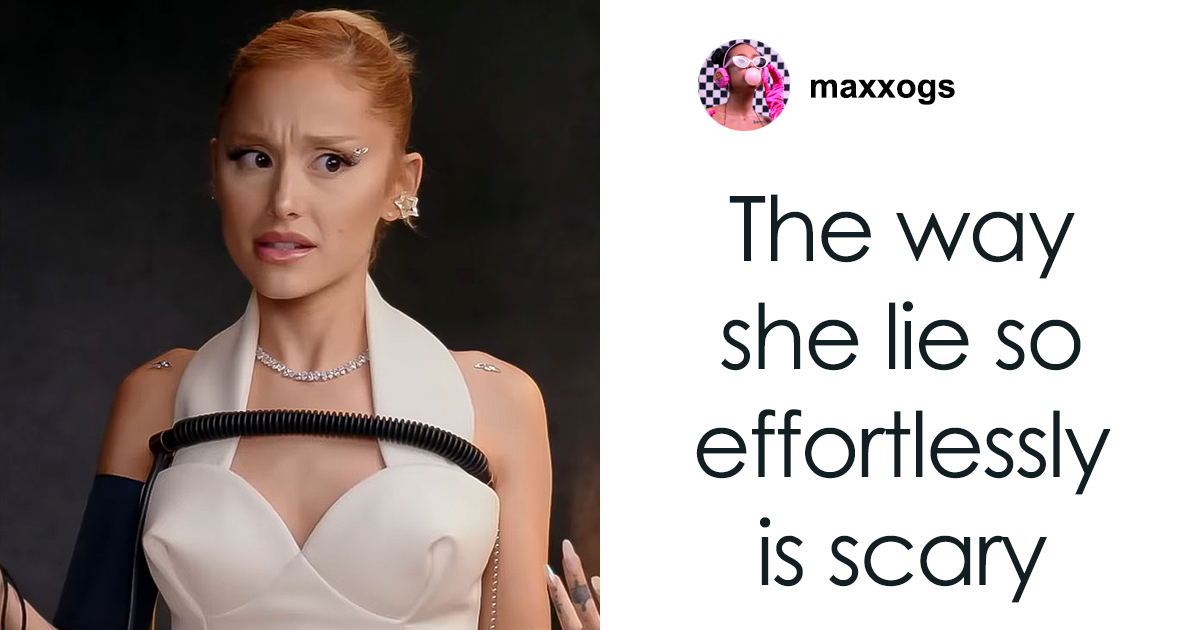
Ariana Grande has faced nearly every kind of internet rumor a pop star can collect, from voice-change theories to beauty speculation to the eternal question of whether anyone online has ever considered logging off. But in a Vanity Fair lie detector test with her Wicked co-star Cynthia Erivo, one moment cut through the usual celebrity fog: “the BBL question.”
The exchange was funny, awkward, meme-ready, and strangely revealingnot because it proved the internet’s favorite theories right, but because it showed how ridiculous celebrity body speculation can become when treated like a public investigation. Grande, sitting across from Erivo and hooked up to a polygraph machine, was asked about plastic surgery rumors that had followed her for years. Nose job? No. Breast augmentation? No. Facelift? Not yet, though she joked she might be open to it someday. Fox eye lift? No. Chin implant? No. And then came the viral BBL moment.
BBL, shorthand for Brazilian butt lift, has become one of the internet’s most recognizable cosmetic-surgery acronyms. In celebrity gossip spaces, it is often thrown around casually, sometimes with the same confidence people use when misidentifying a bird as “probably a pigeon.” Grande handled the question with humor, denying the rumor and making it clear that the procedure simply was not her thing. The polygraph operator’s response supported her denial in the segment, but the larger takeaway was not the machine. It was Grande’s relief at finally saying, clearly and publicly, that much of the speculation was false.
What Happened In Ariana Grande’s Lie Detector Test?
The Vanity Fair video paired Ariana Grande with Cynthia Erivo as part of promotional coverage surrounding Wicked, the movie musical in which Grande plays Glinda and Erivo plays Elphaba. Their friendship and easy back-and-forth made the segment feel less like a harsh interrogation and more like two theater kids who had been handed a polygraph and told, “Please create internet chaos responsibly.”
Erivo asked Grande whether she had ever gotten “work done” to feel more popular. Grande seemed almost delighted that the topic was finally being addressed directly. After years of YouTube thumbnails, TikTok theories, Reddit debates, and side-by-side comparison posts, she appeared ready to answer the questions plainly.
She denied having several procedures that online commenters had speculated about. She also acknowledged that she had used fillers and Botox in the past, while explaining that she had stopped years earlier. Her tone was not defensive so much as relieved. The moment felt less like a confession and more like someone finally cleaning out a rumor closet that had been stuffed shut since the early 2010s.
The BBL Question Became The Viral Moment
The phrase “the BBL question” went viral because it captured the bizarre intimacy of modern celebrity culture. A cosmetic-surgery rumor that might once have lived in tabloid columns now gets processed through reaction videos, fan edits, beauty analysis accounts, gossip forums, and “expert” speculation from people whose main credential is owning a ring light.
Grande’s answer stood out because she did not treat the question as a moral scandal. She did not mock people who choose cosmetic procedures. In fact, one of the strongest parts of her response was her support for personal choice. Her message was essentially: people should do what makes them feel comfortable and beautiful, but that does not mean the public is entitled to guess, accuse, or demand explanations.
That distinction matters. Discussing celebrity beauty culture is fair game. Turning a person’s body into a public evidence board is not. There is a huge difference between analyzing why plastic surgery rumors trend and treating someone’s face or body as if it belongs to the comment section.
Ariana Grande’s Real Answer About Cosmetic Work
Grande’s comments were notable because they included both denials and transparency. She denied the major surgery rumors brought up in the test, including the BBL rumor. She also said she had tried injectables in the past, including fillers and Botox, and had stopped years ago.
That kind of answer is rare in celebrity culture because public figures are often pushed into two impossible boxes. If they deny everything, people accuse them of hiding something. If they admit anything, people treat that admission as permission to speculate about everything else. Grande tried to draw a healthier line: yes, she has made some beauty choices before; no, that does not make every rumor true; and yes, people deserve dignity either way.
The humor helped. When a celebrity answers a rumor with a little theatrical flair, the internet is more likely to listen. Grande’s reactionshalf amused, half exasperatedgave the video its spark. She seemed aware of how absurd it was that a grown woman had to sit beside a machine to convince strangers that a YouTube comment section might not be a reliable medical archive.
Why The Lie Detector Part Should Be Taken As Entertainment
Lie detector tests make great video content because they look official. There are wires, sensors, serious faces, and someone sitting nearby who seems to know whether your nervous laugh means “lying” or “just remembered an embarrassing middle-school moment.” But polygraphs are not magic truth machines.
Psychology experts have long warned that polygraph results are not perfect measures of truth. They track physical responses such as heart rate, breathing, and sweat activity. Those responses can be affected by nerves, stress, surprise, fatigue, or the sheer weirdness of being asked about a BBL in front of millions of future viewers.
So, the Vanity Fair test should be understood as entertainment, not courtroom evidence. The important part is Grande’s own statement. The machine created a dramatic frame, but the real story was a public figure saying, “Here is what I have done, here is what I have not done, and here is why the conversation itself feels exhausting.”
The Bigger Issue: Why Celebrity Body Rumors Spread So Fast
Ariana Grande’s plastic surgery rumors did not appear out of nowhere. They grew in the same digital greenhouse that has produced endless speculation about actors, singers, influencers, and even people who simply had the audacity to age under studio lighting.
Social media rewards comparison. A person posts an old photo beside a new one, adds dramatic music, circles random features, and suddenly the platform treats the clip like breaking news. Lighting, makeup, styling, facial expression, camera lenses, weight changes, dental work, aging, illness, stress, and professional glam teams can all change how someone looks in photos. But nuance is not as clickable as “SHE FINALLY ADMITTED IT?” in all caps.
Grande has spoken before about how uncomfortable and harmful body comments can be. In a widely discussed 2023 video, she reminded fans and critics that people never know what someone is experiencing privately. She also pushed back on the idea that one version of a person’s appearance should be treated as the “correct” version forever. That message became especially relevant when the lie detector clip resurfaced the same larger theme: public curiosity does not erase personal boundaries.
How Wicked Changed The Context
The timing of the lie detector test mattered. Grande and Erivo were promoting Wicked, a project that already placed them under intense public attention. Grande’s role as Glinda required a distinct performance style, vocal approach, costuming, makeup, and public image. Erivo’s role as Elphaba also involved major transformation through makeup, wigs, and character work.
When actors transform for roles, audiences sometimes forget that performance is not the same as personal identity. Grande’s Glinda era brought new styling choices, new interviews, new red carpet looks, and a new public rhythm. For some fans, it was exciting. For gossip accounts, it became another invitation to overanalyze.
The irony is that Wicked itself is a story about perception, judgment, and how quickly people decide who someone is based on appearances and rumors. Grande’s real-life experience with beauty speculation accidentally echoed the themes of the film. The internet, in this case, was less like the Wizard and more like a crowd of flying monkeys with Wi-Fi.
Why Grande’s Response Felt Refreshing
Grande’s best move was refusing to shame anyone. She did not turn the conversation into a sermon about what people should or should not do with their bodies. She also did not encourage the idea that cosmetic procedures are proof of insecurity, deception, or failure. Instead, she made room for two truths: people can choose cosmetic treatments, and other people are not entitled to make assumptions about them.
That balance is important for readers, especially younger fans who see celebrity beauty conversations every day. A person’s worth does not increase or decrease based on cosmetic choices. At the same time, nobody should feel pressured to explain every change in their appearance to satisfy strangers.
Grande’s humor made the clip shareable, but her boundary made it meaningful. The viral moment was not just “Ariana answered the BBL rumor.” It was “Ariana reminded everyone that speculation has consequences.”
The Problem With “Before And After” Culture
Before-and-after posts are one of the internet’s favorite low-effort detective formats. They look persuasive because they place two images side by side and invite viewers to “see the difference.” But photos are not scientific documents. A celebrity photographed at age 19 in paparazzi lighting and again at age 31 on a red carpet is not giving the public a controlled experiment. That is just time, styling, angle, makeup, and life doing what they do.
When people reduce a human being to a set of comparisons, they flatten everything else about that person. Ariana Grande is a singer, actress, performer, songwriter, business owner, and major pop-culture figure. Yet one viral question can temporarily shrink the conversation down to whether a rumor about her body is true.
That is why her lie detector moment mattered. It gave readers a chance to laugh, yes, but also to ask why the rumor machine needed feeding in the first place.
What Fans Can Learn From The Moment
The healthiest response to celebrity appearance speculation is simple: be curious about the culture, not invasive toward the person. It is fair to discuss beauty standards, the pressure of fame, the rise of cosmetic-procedure language online, and the way social platforms turn bodies into trends. It is not fair to diagnose, accuse, or demand personal details from someone who has not offered them.
Grande’s answers also show that honesty does not have to become a public contract for future speculation. Just because she discussed past fillers and Botox does not mean every future photo should be treated as an invitation to reopen the case. People change. Style changes. Lighting changes. Faces move. Bodies age. Life happens. Shocking, yes. Someone alert the algorithm.
Experience Section: What This Moment Feels Like From The Audience Side
If you have ever watched a celebrity interview clip and then accidentally fallen into a 45-minute comment-section tunnel, you already understand why the Ariana Grande lie detector moment traveled so quickly. It had everything the internet loves: a famous person, a slightly uncomfortable question, a best-friend-style co-star, a machine that looks dramatic on camera, and a topic people pretend to be “just asking about” while clearly holding a magnifying glass.
The experience of watching it is strangely familiar. At first, you laugh because Grande’s reaction is funny. She seems relieved, almost thrilled, to knock down rumors that have followed her for years. Then the clip keeps playing, and the mood shifts a little. You realize how odd it is that anyone would need to answer these questions publicly at all. The humor is real, but so is the pressure behind it.
Many readers know a smaller version of this feeling from everyday life. Maybe someone commented on how tired you looked when you were perfectly fine. Maybe a relative asked if you had changed something about yourself at the worst possible moment. Maybe a friend posted an old photo, and suddenly people started comparing it to how you look now. Even when comments are meant casually, they can land heavily. Now multiply that by millions of followers, fan accounts, paparazzi images, and strangers who believe a public platform gives them private access.
That is why the “BBL question” became more than a celebrity gossip headline. It represented the way online culture has normalized appearance interrogation. People do not just notice celebrities anymore; they audit them. They freeze-frame videos, compare photos across decades, and use cosmetic-surgery vocabulary as if they are board-certified through TikTok University. The result is a culture where public figures are expected to be endlessly available for visual inspection.
Grande’s response offered a better model. She answered with humor, corrected false assumptions, admitted what she felt comfortable sharing, and still supported other people’s choices. That combination is powerful because it refuses the usual trap. She did not say cosmetic procedures are bad. She did not say everyone must be “natural.” She did not turn beauty into a purity contest. Instead, she kept the focus on personal choice and public boundaries.
For fans, the experience should be a reminder to slow down before joining a rumor. A joke can be funny without becoming cruel. A trend can be entertaining without becoming invasive. A celebrity can be discussed without being dissected. The best takeaway is not that a polygraph delivered a final verdict on Ariana Grande’s beauty history. The takeaway is that people deserve room to exist without having every change turned into a theory thread.
In the end, the most human part of the clip was not the machine or the viral question. It was Grande’s obvious relief at being heard. That feelingwanting to be seen without being picked apartis not a celebrity issue. It is a people issue.
Conclusion
Ariana Grande’s Vanity Fair lie detector test became a viral moment because it mixed humor, celebrity curiosity, and a long-running conversation about plastic surgery rumors. But beyond the laughs, the “BBL question” revealed something more serious about online culture. The internet often treats famous people’s bodies as public puzzles, even when the answers are private, complicated, or simply none of our business.
Grande denied the major surgery rumors raised in the segment, acknowledged past injectables, and made it clear that she supports people making their own beauty choices. Her response was funny, direct, and refreshingly balanced. It gave fans the headline they clicked for, but it also offered a much better lesson: curiosity should not come at the cost of compassion.

