
Skincare
Testing Acupressure Mats: What We Learned
Jul
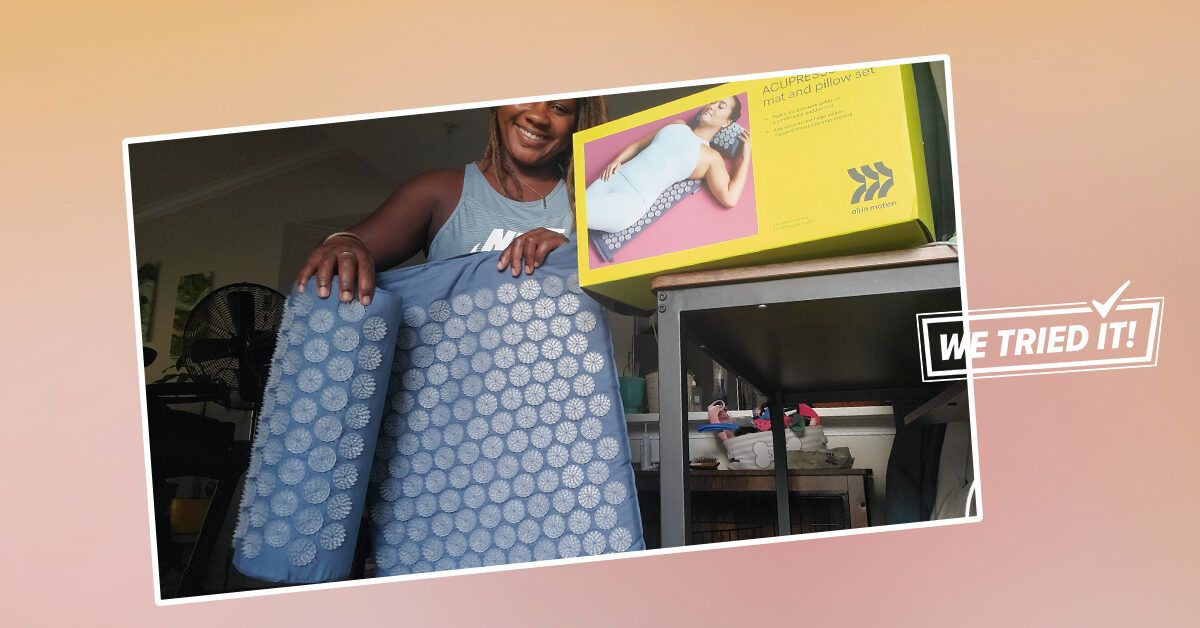
Acupressure mats look a little dramatic at first glance. They resemble yoga mats that had a disagreement with a cactus and never really recovered. But their popularity keeps growing, thanks to big claims around stress relief, back tension, headaches, better sleep, and even faster recovery after long workdays or workouts. So what happens when you stop admiring the spikes from a safe distance and actually use one?
Here’s the honest answer: acupressure mats can feel helpful, but not always in the miracle-product way the internet sometimes promises. After reviewing current health guidance, product testing reports, and hands-on insights from reputable wellness and medical sources, one thing became clear. These mats are not magic carpets. They are simple tools that may help some people relax, loosen up, and feel temporarily better. That is still useful. It is just not the same thing as curing chronic pain or replacing medical care.
In other words, the mat may not change your life, but it might improve your Tuesday. And frankly, that is already a pretty strong sales pitch.
What an acupressure mat is actually supposed to do
An acupressure mat is a padded mat covered in dozens or even hundreds of plastic spike clusters. The idea is borrowed from acupressure, which is related to acupuncture but does not use needles. Instead of inserting anything into the skin, acupressure relies on pressure applied to specific areas of the body. A mat spreads that pressure across a larger area, especially the back, shoulders, neck, and sometimes feet.
The theory sounds elegant. Lie down on the spikes, stimulate pressure points, and encourage relaxation or pain relief. The real-life experience is less elegant at first. It starts with, “Why did I volunteer for this?” Then, after a few minutes, it often shifts into, “Oh. Weird. I kind of get it now.”
That transition matters. Acupressure mats are not loved because they feel instantly comfortable. They are loved because many users report that the initial prickly discomfort gives way to warmth, tingling, muscle release, and a calmer state of mind. The mats do not usually feel luxurious in the spa-robe sense. They feel more like controlled chaos with a decent ending.
What the science says, and what it definitely does not say
The evidence is stronger for acupuncture than for mats
This is the biggest takeaway. When you look at mainstream medical sources, the strongest evidence is not for acupressure mats specifically. It is for acupuncture and, to a lesser extent, acupressure in broader forms. Acupuncture has been studied for chronic pain, osteoarthritis, migraines, tension headaches, and some other conditions. That does not automatically mean a spiky mat on your living room floor will deliver the same result.
That distinction is important because wellness marketing loves to blur it. A mat may borrow the language of acupuncture, but it is not the same intervention. The mat provides broad, surface-level stimulation. Acupuncture is targeted, clinician-guided, and supported by a much larger body of research.
So if you are hoping an acupressure mat will behave like a full treatment plan for chronic low back pain, it is smarter to lower expectations. If you are hoping it may help you feel looser, calmer, or less tense for a while, that expectation is far more realistic.
Relaxation may be part of the benefit
Another thing we learned is that mats may work partly because they force you to stop moving and pay attention to your body. That sounds obvious, but it matters. Some research on related techniques suggests that at least part of the benefit may come from nonspecific effects such as expectation, relaxation, focused breathing, or simply lying down without your phone in your face for 15 minutes.
That does not make the effect fake. It just makes it human. If a mat reliably helps you pause, breathe, and unclench your shoulders from your ears, that is still a real outcome. It is just not proof that every spike is doing something mystical.
How we judged what matters in an acupressure mat
Across major testing guides, the same criteria kept showing up again and again. Comfort mattered, though “comfort” here is a generous term because nobody climbs onto a bed of spikes expecting a marshmallow. Better mats tended to provide support without feeling flimsy. Good design mattered too, especially size, shape, and whether the mat actually covered the parts of the body people wanted to target.
Effectiveness was the biggest category. Did the mat noticeably help with tension, stress, headaches, or soreness? How quickly? Did the effect last beyond the session, or was it more of a short-lived “that was nice” situation? Durability and value also mattered. Some mats held their shape, resisted wear, and came with useful extras like a neck pillow or carrying case. Others felt like they were one enthusiastic week away from becoming a sad pile of foam and regret.
What we learned after looking at acupressure mat testing
1. The first minute is the worst minute
Almost every mat lesson begins here. The first contact can feel sharp, awkward, and slightly insulting. That is normal. For many users, the sensation softens after a couple of minutes as the body settles in. If you panic and bail immediately, you may never reach the part people actually like.
This is why beginners do better with short sessions. You are not trying to prove anything. You are just trying to avoid creating a dramatic personal origin story called The Day I Declared War on My Neck Pillow.
2. Bare skin changes the experience a lot
One of the most consistent findings from product testers was that mats feel more effective on bare skin or with only a very thin layer of clothing. A thick shirt dulls the sensation and makes the spikes feel less engaged. That can be helpful for absolute beginners, but most users who stick with mats eventually prefer more direct contact.
If the full experience feels too intense, a thin T-shirt or sheet can be a smart training-wheels phase. There is no prize for going full gladiator on day one.
3. A neck pillow is not just filler
Some of the best-rated acupressure mats came with a separate pillow, and that turned out to be more than a cute bonus. A supportive pillow can help target the neck and shoulders, which are prime real estate for tension headaches and desk-job stiffness. A weak, squishy pillow, on the other hand, can make the whole setup feel less useful.
If you are shopping for a mat, do not ignore the pillow question. It is not just an accessory. It can completely change how the mat works for upper-body tension.
4. Spike intensity matters more than branding
Some mats are noticeably sharper than others. That affects everything: how fast you adapt, how much pressure you feel, and whether the experience lands in the “pleasantly intense” category or the “absolutely not” category. Testers consistently noted that spike sensation varies a lot, even among mats that look nearly identical online.
That means brand prestige does not always predict your best match. A less expensive mat may still deliver the core sensation just fine. Premium materials can improve durability and feel, but they do not automatically make the mat more effective for every body.
5. Bigger mats are often easier to love
Longer mats tend to feel more forgiving because they provide broader back coverage. That can make it easier to spread your weight and settle into the session. For taller users especially, small mats can feel too narrow or too short, which turns the experience into a game of “which part of me gets the spikes today?”
If you want a more relaxed setup, larger coverage is often worth it.
6. Short sessions beat heroic sessions
Most guidance around these mats favors starting with a few minutes and building up gradually, often into the 10- to 30-minute range if it feels comfortable. Longer is not automatically better. In fact, trying to endure a marathon session on day one is a wonderful way to hate your purchase.
Acupressure mats seem to reward consistency more than bravado. A brief daily session tends to make more sense than one dramatic 45-minute experiment followed by a week of avoidance.
7. Redness and tingling can be normal
People often notice temporary redness, sensitivity, or a warm, tingly feeling after getting off the mat. That can look a little theatrical in the mirror, but it is commonly reported and usually fades. What matters is the difference between temporary skin marking and real irritation. If the mat leaves you with lingering pain, skin damage, or anything beyond mild short-term discomfort, that is your cue to stop pretending this is “part of the process.”
8. The mat may help because it makes you be still
This may be the least glamorous lesson and the most useful one. A mat gives you a reason to lie down, breathe slowly, and not scroll through seven stressful apps at the same time. That alone can reduce the sense of being wound too tight. So yes, the spikes matter. But the ritual may matter too.
If your best result from an acupressure mat is that it becomes your nightly 15-minute timeout, that is not failure. That is a wellness routine wearing very sharp jewelry.
Who may actually enjoy an acupressure mat
Acupressure mats tend to appeal most to people dealing with everyday muscle tension, stress, upper-back tightness, post-workout soreness, or low-grade headaches related to the neck and shoulders. They may also appeal to people who enjoy other intense-but-relieving tools, such as foam rollers, massage balls, percussion devices, or deep-tissue massage.
They are especially easy to like if you enjoy rituals. If you are the sort of person who can commit to ten quiet minutes before bed, the mat may fit naturally into your routine. If you hate slowing down, the mat may either reform you or annoy you. Possibly both.
Who should be careful or skip it
Acupressure is generally considered low risk for many people, but that does not mean every mat session is a brilliant idea for every body. Avoid using a mat on broken, irritated, or rash-covered skin. Pregnancy is another time to be careful, since some acupressure points are not recommended without medical guidance. If you have significant pain, a new injury, or a condition you have not had evaluated, it is better to ask a healthcare professional before treating yourself like a human pincushion.
The golden rule is simple: a mat should feel intense, not harmful.
How to use an acupressure mat without feeling like you lost a dare
Start with the floor, not the bed
A firm surface usually gives a more even, controlled experience. A bed may feel softer at first, but it can also reduce stability and change how pressure is distributed.
Lower yourself down slowly
Do not flop onto the mat like a dramatic movie character. Slow contact gives your body time to adapt.
Begin with 5 to 10 minutes
That is enough to test tolerance and still leave the relationship on good terms.
Breathe like you mean it
Deep, slow breathing makes the session feel less aggressive and more useful. Tensing every muscle while lying on spikes is technically an experience, but not the recommended one.
Use a thin layer if needed
If bare skin feels like too much, use a light shirt or thin sheet until you adjust.
Get off carefully
Rolling off the mat can concentrate pressure in a way that feels worse than the session itself. Sit up slowly instead.
Final verdict: are acupressure mats worth it?
For the right person, yes. But the right person is usually someone who wants a simple home tool for relaxation, temporary tension relief, and a little forced stillness. The wrong person is someone expecting a mat to replace evidence-based treatment for persistent pain, sleep disorders, migraines, or medical conditions that deserve real evaluation.
The best way to think about an acupressure mat is as a low-tech ritual with a surprisingly high sensory profile. It may help you unwind. It may help your back feel looser. It may help your shoulders stop behaving like they are preparing for battle. But it works best when expectations are sensible.
That, more than anything, is what testing acupressure mats teaches you. The mat is not the miracle. The miracle is that sometimes a weird-looking rectangle with plastic spikes can convince you to lie down, breathe, and stop clenching every muscle you own. In modern life, that is honestly not nothing.
Real-world experiences with acupressure mats
One of the most relatable experiences with an acupressure mat is the skeptic-to-believer pipeline. It usually begins with suspicion. Someone opens the box, sees the spikes, and immediately wonders whether this product was designed by a wellness guru or a mildly offended hedgehog. The first lie-down is hesitant. The shoulders stay tense. The breathing is shallow. The user lasts two minutes, gets up, and declares the experiment “interesting,” which is universal code for “I am not yet convinced this was a good idea.”
Then something funny happens on the second or third try. The body learns the routine. The user lowers down more slowly, breathes more deeply, and stays put long enough to get past the sharp first impression. That is when the mat often starts to feel less like punishment and more like release. Desk workers commonly describe the sensation as a reset button for their upper back after hunching over a laptop all day. Runners and gym regulars often say the mat becomes part of their recovery ritual, especially on days when their hips, calves, or lower back feel stubbornly tight.
Busy parents and overbooked professionals seem to have another kind of experience with these mats: they appreciate being forced to do absolutely nothing for a few minutes. That may sound small, but it is not. For people whose brains are always juggling school pickups, Slack messages, grocery lists, and unfinished to-do items, the mat can become a strange but effective boundary marker. Once you are lying on those spikes, multitasking loses some of its charm.
Sleep-related experiences are also common. Not everyone falls in love with the mat before bed, but many users say it helps them wind down by quieting that restless, buzzing feeling that shows up at night. The mat does not sedate you. It is not a magic sleep switch. But it can create a transition between “I am still mentally at work” and “I am finally allowed to exist horizontally.” That is a valuable middle ground.
Of course, not every experience is glowing. Some people never get past the intensity. Others find certain mats too sharp, too short, too flimsy, or too annoying to set up regularly. A few discover that the pillow helps more than the mat itself. And plenty of users conclude that the biggest benefit is not pain relief at all, but the fact that the mat encourages ten quiet minutes of breathing and stillness. Oddly enough, that still counts as a win.
In the end, the most common experience is not transformation. It is gradual appreciation. Acupressure mats rarely earn devotion in one dramatic moment. They earn it through repetition: a better evening here, a looser neck there, a calmer brain on a stressful day. Not flashy. Not miraculous. Just useful in a way that sneaks up on you.

