
Body Care
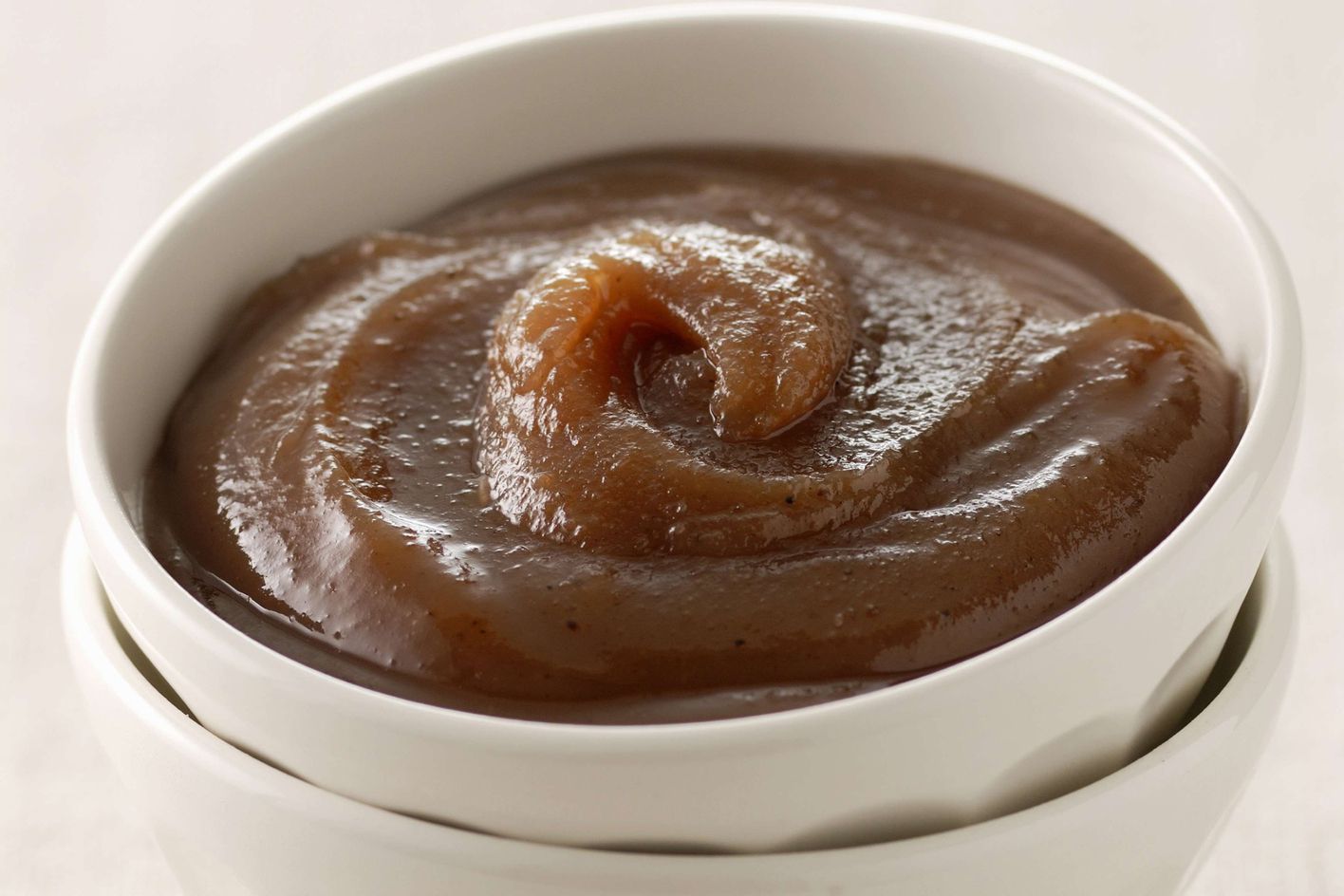
Sweetened Chestnut Puree Recipe
Jul
If autumn had a dessert personality, it would probably be sweetened chestnut puree: warm, elegant, slightly mysterious, and very good at making whipped cream look fancy. This silky chestnut spread is rich without being heavy, sweet without shouting, and versatile enough to slide into cakes, pastries, crepes, ice cream, oatmeal, or straight onto a spoon when nobody is watching.
This sweetened chestnut puree recipe turns cooked chestnuts into a smooth, vanilla-scented cream with just a handful of ingredients. It is inspired by classic European chestnut desserts such as French crème de marrons, Hungarian chestnut puree, and Mont Blanc, but the method is simple enough for a home kitchen in the United States. No pastry degree required. A food processor and a little patience will do the job nicely.
What Is Sweetened Chestnut Puree?
Sweetened chestnut puree is a smooth dessert paste made from cooked chestnuts, sugar, vanilla, and liquid such as water, milk, or cream. The texture can be soft and spoonable, like a thick jam, or firmer and pipeable, depending on how much liquid you add.
Chestnuts are different from almonds, walnuts, or pecans. They are naturally starchy, mild, and slightly sweet, which makes them perfect for blending into a creamy dessert base. Once simmered with sugar and vanilla, their flavor becomes deeper and rounder, almost like a cozy mix of roasted nuts, sweet potato, brown sugar, and holiday nostalgia.
Why You’ll Love This Homemade Chestnut Puree
Store-bought chestnut cream is delicious, but homemade sweetened chestnut puree lets you control the sweetness, texture, and flavor. Want it extra smooth for cake filling? Add more milk or cream. Want it thick enough to pipe onto cupcakes? Reduce the liquid and chill it. Want a grown-up version? Add a splash of rum, brandy, or bourbon. The puree is flexible, forgiving, and far more interesting than another jar of plain caramel sauce.
It is also an excellent make-ahead recipe. You can prepare it before a holiday dinner, freeze small portions, or keep a jar in the refrigerator for quick desserts. A spoonful can turn pancakes, toast, yogurt, or vanilla ice cream into something that sounds suspiciously expensive.
Ingredients for Sweetened Chestnut Puree
Main Ingredients
- 1 pound cooked and peeled chestnuts fresh roasted chestnuts, boiled chestnuts, vacuum-packed chestnuts, or frozen peeled chestnuts all work.
- 3/4 cup granulated sugar adjust to taste if your chestnuts are naturally sweet.
- 1 cup water helps dissolve the sugar and soften the chestnuts.
- 1/2 cup whole milk adds creaminess without making the puree too heavy.
- 1 teaspoon pure vanilla extract the classic flavor partner for chestnuts.
- 1/4 teaspoon fine sea salt balances the sweetness and wakes up the nutty flavor.
- 2 tablespoons heavy cream or unsalted butter optional, but highly recommended for a silky finish.
Optional Flavor Add-Ins
- 1 tablespoon dark rum, brandy, or bourbon
- 1 tablespoon maple syrup instead of part of the sugar
- 1/2 teaspoon cinnamon
- 1 teaspoon cocoa powder for a chocolate-chestnut flavor
- Seeds from 1/2 vanilla bean for a bakery-style aroma
Fresh Chestnuts vs. Packaged Chestnuts
You can absolutely make this recipe with fresh chestnuts, but let’s be honest: peeling chestnuts is a tiny kitchen workout. Fresh chestnuts must be scored before cooking so steam can escape. After roasting or boiling, they should be peeled while warm because the shells and inner skins tighten as they cool.
If you want the fastest route, use vacuum-packed or frozen peeled chestnuts. They are already cooked, clean, and ready for simmering. This shortcut saves time and still produces a beautiful homemade chestnut puree. For a holiday dessert spread, nobody at the table will stand up and demand proof that you personally wrestled each chestnut out of its shell.
How to Make Sweetened Chestnut Puree
Step 1: Prepare the Chestnuts
If using fresh chestnuts, rinse them first. Cut an “X” into the rounded side of each shell with a sharp knife. Roast them on a baking sheet at 400°F to 425°F until the shells open and the flesh is tender, usually about 20 to 30 minutes depending on size. Wrap the hot chestnuts in a clean towel for 10 minutes to trap steam, then peel while warm.
If using packaged cooked chestnuts, simply check for any hard bits, then roughly chop them so they simmer evenly.
Step 2: Make a Light Syrup
In a medium saucepan, combine the sugar, water, milk, and salt. Warm over medium heat, stirring until the sugar dissolves. The mixture does not need to become a thick caramel; you are making a gentle syrup that will soften and sweeten the chestnuts.
Step 3: Simmer the Chestnuts
Add the cooked chestnuts to the saucepan. Bring the mixture to a low simmer, then reduce the heat. Cook for 18 to 25 minutes, stirring occasionally, until the chestnuts are very tender and some of the liquid has reduced. The chestnuts should break easily when pressed with a spoon.
Step 4: Blend Until Smooth
Transfer the warm chestnut mixture to a food processor or high-powered blender. Add the vanilla extract and heavy cream or butter, if using. Blend until smooth, scraping down the sides as needed. If the puree is too thick, add warm milk or water one tablespoon at a time until it reaches your preferred consistency.
Step 5: Adjust the Flavor
Taste the puree. Add a little more sugar if needed, a pinch more salt if it tastes flat, or a splash of rum if the dessert table is feeling festive. Blend again for a few seconds. The finished sweetened chestnut puree should be creamy, fragrant, and smooth enough to spread.
Recipe Card: Sweetened Chestnut Puree
Prep Time, Cook Time, and Yield
- Prep time: 20 minutes with packaged chestnuts, 45 minutes with fresh chestnuts
- Cook time: 25 minutes
- Total time: 45 minutes to 1 hour 10 minutes
- Yield: About 2 cups
Instructions Summary
- Cook and peel fresh chestnuts, or use cooked peeled chestnuts.
- Combine sugar, water, milk, and salt in a saucepan.
- Add chestnuts and simmer until very tender.
- Blend with vanilla and cream or butter until smooth.
- Adjust thickness, sweetness, and flavor before storing.
Texture Tips: Smooth, Thick, or Pipeable
For a spreadable puree, aim for the texture of thick peanut butter. For cake filling, make it slightly softer so it spreads without tearing delicate layers. For Mont Blanc-style desserts, chill the puree until firm, then press it through a potato ricer or piping tip to create thin chestnut strands.
If your puree turns grainy, it usually needs more blending or a little more liquid. Add warm milk one spoonful at a time and keep processing. If it becomes too loose, return it to a saucepan and cook gently for a few minutes to reduce excess moisture.
How to Use Sweetened Chestnut Puree
In Desserts
Sweetened chestnut puree is a natural match for whipped cream, dark chocolate, vanilla, coffee, and buttery pastry. Use it as a filling for crepes, sandwich cookies, sponge cake, layer cake, cream puffs, tart shells, or chocolate roulade. It also works beautifully swirled into cheesecake batter or folded into whipped cream for an easy mousse.
For Breakfast and Snacks
Spread it on toast, waffles, pancakes, or English muffins. Stir a spoonful into oatmeal with sliced bananas and toasted pecans. Add it to Greek yogurt with a drizzle of maple syrup. It makes breakfast feel like a small vacation, even if you are eating it while answering emails in sweatpants.
With Chocolate
Chestnut and chocolate are best friends. Blend a few tablespoons of melted dark chocolate into the puree for a homemade chestnut chocolate spread. Use it between cake layers or spoon it into tart shells. Add a little espresso powder if you want a deeper, almost truffle-like flavor.
Storage and Freezing Tips
Cool the sweetened chestnut puree quickly, then transfer it to an airtight container. Store it in the refrigerator for up to 4 days for best quality and food safety. For longer storage, freeze it in small portions for up to 3 months. Ice cube trays, small jars, or flat freezer bags work well because they let you thaw only what you need.
Do not leave the puree sitting at room temperature for more than 2 hours. Since this recipe contains cooked chestnuts and dairy, prompt refrigeration matters. Label the container with the date, because “mystery beige jar” is not a helpful future kitchen note.
Common Mistakes to Avoid
Not Cooking the Chestnuts Long Enough
Chestnuts need to be fully tender before blending. If they are undercooked, the puree will be gritty and stubborn, like it has made a personal decision not to cooperate.
Adding Too Much Liquid at Once
It is easy to thin a thick puree, but harder to fix a runny one. Add extra milk or water slowly, one tablespoon at a time.
Skipping the Salt
Salt does not make the puree salty. It makes the sweetness taste cleaner and the chestnut flavor more pronounced.
Blending While Too Dry
A dry mixture can strain your blender or food processor. If the blades are spinning without pulling the chestnuts down, stop and add a splash of warm liquid.
Flavor Variations
Vanilla Bean Chestnut Puree
Use the seeds from half a vanilla bean instead of extract. Simmer the pod with the chestnuts, then remove it before blending. This version tastes elegant and works especially well in cakes.
Maple Chestnut Puree
Replace 2 tablespoons of sugar with maple syrup. The maple flavor adds a cozy, woodsy sweetness that pairs nicely with pancakes, waffles, and roasted pears.
Chocolate Chestnut Puree
Add 2 ounces of melted dark chocolate and 1 teaspoon cocoa powder during blending. This turns the puree into a rich dessert spread for toast, cookies, or spoon-based emergencies.
Rum Chestnut Puree
Add 1 tablespoon dark rum after cooking. The flavor is warm, aromatic, and excellent for holiday desserts. For a nonalcoholic version, use rum extract sparingly or skip it entirely.
Serving Ideas for Holidays and Everyday Desserts
For a simple dinner-party dessert, spoon chestnut puree into small glasses and top with whipped cream, shaved chocolate, and crushed cookies. For a bakery-style tart, spread it into a baked tart shell and cover with chocolate ganache. For a classic look, pipe it over meringues with whipped cream for a Mont Blanc-inspired treat.
You can also fold the puree into buttercream, use it as a macaron filling, layer it into parfaits, or stir it into vanilla ice cream. It plays well with orange zest, cinnamon, hazelnuts, pears, apples, coffee, and dark chocolate. Basically, if a flavor belongs in a cozy sweater, it probably belongs with chestnuts.
Experience Notes: What I Learned Making Sweetened Chestnut Puree at Home
The first thing you learn when making sweetened chestnut puree is that chestnuts have a personality. They are not difficult exactly, but they do like attention. Fresh chestnuts need scoring, roasting, steaming, and peeling while still warm. Wait too long and the shells cling like they have signed a lifetime lease. That is why I recommend preparing all your tools before the chestnuts come out of the oven: a towel, a small knife, a bowl for shells, and maybe a calming beverage. Coffee counts. So does moral support.
Using packaged cooked chestnuts is the easiest path, especially if you are making this recipe for a holiday meal when the oven, stovetop, and your patience are already fully booked. The flavor is still lovely, and the texture is often more consistent. Fresh roasted chestnuts, however, bring a deeper toasted aroma. If you have time, they are worth the effort. If you do not, packaged chestnuts are not cheating; they are strategy.
Another useful lesson is that chestnut puree changes texture as it cools. When warm, it may look slightly loose, but after refrigeration it becomes thicker and more structured. For that reason, I like to stop blending when the puree is just a bit softer than my final goal. If I plan to spread it on toast or pancakes, I leave it creamy. If I plan to pipe it for cupcakes or a Mont Blanc-style dessert, I keep it thicker and chill it before using.
The flavor also improves after a few hours in the refrigerator. Freshly blended puree tastes good, but rested puree tastes more balanced. The vanilla settles in, the sweetness softens, and the chestnut flavor becomes fuller. This makes the recipe ideal for planning ahead. Make it the day before a party, then use it in a dessert that looks far more complicated than it really is. That is one of the great joys of chestnut puree: it has “fancy pastry shop” energy with “blend and chill” effort.
My favorite everyday use is spreading it on toasted brioche with a tiny pinch of flaky salt. It also tastes fantastic stirred into oatmeal with maple syrup, or layered with whipped cream and crushed graham crackers for a five-minute dessert cup. The most dramatic version is chocolate chestnut puree tucked inside a cake. People take one bite and immediately ask what the flavor is, because it is familiar and unusual at the same time.
If you are new to chestnut desserts, start with the basic vanilla version. Once you understand the texture, experiment with cocoa, rum, cinnamon, espresso, or maple. Sweetened chestnut puree is one of those quiet recipes that becomes a kitchen secret weapon. It sits in the fridge looking humble, then suddenly transforms breakfast, dessert, and snacks into something charming. Not bad for a brown nut in a shell.
Conclusion
This sweetened chestnut puree recipe is smooth, fragrant, and surprisingly versatile. With cooked chestnuts, sugar, vanilla, and a little milk or cream, you can create a homemade dessert spread that works in cakes, crepes, tarts, parfaits, breakfast dishes, and holiday showstoppers. The key is to cook the chestnuts until tender, blend patiently, adjust the liquid slowly, and season with enough salt to balance the sweetness.
Whether you use fresh roasted chestnuts or convenient packaged ones, the result is a cozy, elegant puree that tastes like fall and winter decided to collaborate on dessert. Make a batch, store it safely, and keep a spoon nearby. For quality control, obviously.

