
Skincare
Statin Medications: Drugs for Improving Cholesterol Levels
Jun
Note: This article is for educational purposes only and should not replace medical advice from a licensed healthcare professional.
Cholesterol is a bit like a houseguest who means well but overstays, blocks the hallway, and eventually starts rearranging the furniture in your arteries. Your body needs cholesterol to build cells, make hormones, and support normal digestion. The trouble begins when low-density lipoprotein cholesterol, better known as LDL or “bad cholesterol,” rises too high and contributes to plaque buildup inside blood vessels. That buildup can narrow arteries, reduce blood flow, and increase the risk of heart attack and stroke.
That is where statin medications come in. Statins are among the most commonly prescribed cholesterol-lowering drugs in the United States, and for good reason: they can significantly lower LDL cholesterol and reduce cardiovascular risk when used appropriately. They are not magic beans, and they do not give anyone permission to eat bacon-wrapped fries for breakfast, but they are powerful tools in modern heart disease prevention.
In this guide, we will break down what statin medications are, how they work, who may need them, the common types, possible side effects, lifestyle habits that make them work better, and what real-life experience with statins often looks like.
What Are Statin Medications?
Statins are prescription medications used to improve cholesterol levels, especially by lowering LDL cholesterol. They belong to a class of drugs called HMG-CoA reductase inhibitors. That name sounds like something a robot would say during a chemistry exam, but the idea is simple: statins block an enzyme in the liver that helps produce cholesterol.
Because the liver makes less cholesterol, it also pulls more LDL cholesterol out of the bloodstream. The result is lower LDL levels and less cholesterol available to contribute to artery-clogging plaque. Statins may also help stabilize existing plaque, making it less likely to rupture and trigger a blood clot.
Doctors often prescribe statins to people who have high LDL cholesterol, a history of heart attack or stroke, diabetes, certain inherited cholesterol conditions, or an elevated risk of cardiovascular disease. The decision is usually based on more than a single cholesterol number. Age, blood pressure, smoking history, family history, diabetes, kidney disease, and other risk factors all matter.
How Cholesterol Affects Heart Health
Not all cholesterol is the villain in the movie. Cholesterol travels through the blood in particles called lipoproteins. LDL cholesterol can deposit cholesterol in artery walls, while high-density lipoprotein cholesterol, or HDL, helps carry cholesterol away from arteries and back to the liver for processing.
LDL Cholesterol: The Main Target
LDL cholesterol is often the main target of treatment because high LDL is strongly linked with atherosclerosis, the gradual buildup of plaque in arteries. Over time, plaque can make arteries stiff and narrow. If a plaque ruptures, the body may form a clot at that site. When that clot blocks blood flow to the heart, it can cause a heart attack. When it blocks blood flow to the brain, it can cause a stroke.
HDL, Triglycerides, and the Bigger Picture
HDL cholesterol is often called “good cholesterol,” but heart risk is not as simple as “HDL high, LDL low, everything fine.” Triglycerides, blood pressure, inflammation, blood sugar, body weight, and lifestyle habits all influence cardiovascular risk. Statins focus mainly on LDL cholesterol, but some statins can also modestly reduce triglycerides and slightly raise HDL.
How Statins Work in the Body
The liver is the body’s cholesterol factory. Statins slow down the production line by blocking HMG-CoA reductase, an enzyme involved in cholesterol synthesis. When cholesterol production drops, the liver increases the number of LDL receptors on its surface. Think of these receptors as tiny cleanup crews that remove LDL from the bloodstream.
This two-part effect is why statins are so effective. They reduce how much cholesterol the body makes and improve how efficiently the liver clears LDL from circulation. Depending on the statin type and dose, LDL cholesterol may fall by 30% to more than 50%.
Statins are usually taken once daily, often at the same time each day. Some older statins work best when taken in the evening because the liver makes more cholesterol at night. Others, such as atorvastatin and rosuvastatin, last longer in the body and can be taken at different times, depending on the prescriber’s instructions.
Common Types of Statin Drugs
Several statin medications are approved in the United States. They differ in strength, dosing, interactions, and how the body processes them. Common examples include:
- Atorvastatin often used for moderate- to high-intensity cholesterol lowering.
- Rosuvastatin a potent statin that can substantially lower LDL cholesterol.
- Simvastatin effective but more likely to have dose-related drug interaction concerns.
- Pravastatin sometimes chosen when drug interaction risk is a concern.
- Lovastatin an older statin often taken with food.
- Fluvastatin usually considered a lower-intensity option.
- Pitavastatin another option that may be used in selected patients.
Your doctor may describe statin therapy as low-intensity, moderate-intensity, or high-intensity. This classification refers to how much the medication is expected to lower LDL cholesterol. For example, high-intensity statin therapy is generally used when a person needs a large LDL reduction, such as after a heart attack or in people at very high cardiovascular risk.
Who Might Need a Statin?
Not everyone with slightly elevated cholesterol needs medication. Some people can improve their numbers with nutrition, exercise, weight management, and smoking cessation. Others need medication because their risk is higher or their LDL cholesterol remains elevated despite lifestyle changes.
People With Existing Cardiovascular Disease
People who have already had a heart attack, stroke, coronary artery disease, peripheral artery disease, or certain artery procedures are often prescribed statins for secondary prevention. In plain English, that means preventing the next event. For these patients, statins are not just about a prettier lab report; they are part of a strategy to reduce future risk.
People With Very High LDL Cholesterol
An LDL cholesterol level of 190 mg/dL or higher may suggest a genetic cholesterol disorder, such as familial hypercholesterolemia. People in this group often need medication because lifestyle changes alone may not bring LDL low enough.
People With Diabetes
Diabetes increases the risk of heart disease, even when cholesterol levels do not look dramatic. Many adults with diabetes are considered candidates for statin therapy, especially if they are between ages 40 and 75 or have additional risk factors.
People With Elevated 10-Year Heart Risk
Doctors may use a cardiovascular risk calculator to estimate a person’s chance of heart attack or stroke over the next 10 years. If the risk is high enough, a statin may be recommended even if cholesterol levels are not sky-high. The goal is prevention, not waiting until the arteries send an angry letter.
Benefits of Statin Medications
The biggest benefit of statins is lowering LDL cholesterol, but the real goal is reducing cardiovascular events. Lower LDL levels are associated with a lower risk of heart attack, stroke, and death from cardiovascular causes, especially in people at higher baseline risk.
They Lower LDL Cholesterol Effectively
Statins are among the most reliable LDL-lowering medications available. Moderate-intensity statins can reduce LDL cholesterol by roughly 30% to 49%, while high-intensity statins can reduce LDL by 50% or more in many patients.
They Help Prevent Heart Attacks and Strokes
By lowering LDL cholesterol and stabilizing plaque, statins help reduce the chance of artery blockage. This is especially important for people who already have cardiovascular disease or multiple risk factors.
They Have a Long Track Record
Statins have been studied for decades in large clinical trials and real-world practice. That does not mean they are perfect for everyone, but their benefits, risks, and interactions are well understood compared with many newer therapies.
Possible Side Effects of Statins
Most people tolerate statins well. Still, side effects can happen, and patients deserve clear information instead of vague reassurance or internet panic. The most commonly discussed side effect is muscle pain or weakness. Some people report soreness, cramps, or fatigue after starting a statin, though not all muscle symptoms are caused by the medication.
Muscle Symptoms
Muscle aches are the side effect people mention most often. In many cases, symptoms are mild and manageable. A clinician may check a blood test called creatine kinase if symptoms are severe, sudden, or accompanied by weakness. A rare but serious muscle injury called rhabdomyolysis can occur, but it is uncommon.
Liver Enzyme Changes
Statins can sometimes raise liver enzymes. Serious liver injury is rare, but doctors may check liver tests before starting therapy or if symptoms suggest a problem. Warning signs may include unusual fatigue, weakness, loss of appetite, dark urine, yellowing of the skin or eyes, or upper abdominal pain.
Blood Sugar and Diabetes Risk
Statins may slightly increase blood sugar in some people and can modestly raise the chance of developing type 2 diabetes, especially in those who already have prediabetes or other risk factors. For many patients at risk of heart disease, the cardiovascular benefits still outweigh this risk. The answer is not to fear the statin; it is to monitor blood sugar and strengthen lifestyle habits.
Memory Concerns
Some people worry that statins cause memory problems or “brain fog.” Research has not consistently shown that statins cause lasting cognitive harm. If someone notices new mental changes after starting any medication, they should discuss it with a healthcare professional rather than quietly blaming the pill bottle and ghosting their treatment plan.
What to Do If You Think a Statin Is Causing Side Effects
If you develop symptoms after starting a statin, do not stop the medication without talking to your healthcare provider. Suddenly stopping may allow LDL cholesterol to rise again, which can increase risk over time, especially in people with existing heart disease.
Instead, your clinician may suggest one or more strategies:
- Lowering the statin dose
- Switching to a different statin
- Trying alternate-day dosing in selected cases
- Checking for thyroid disease, vitamin D deficiency, or drug interactions
- Adding a non-statin medication to allow a lower statin dose
Statin intolerance is real for some people, but it is also often manageable. The goal is to find the safest, most effective plan rather than declaring war on an entire drug class after one rough week.
Statins and Lifestyle: A Team Sport
Statins work best when paired with heart-healthy habits. Medication can lower LDL cholesterol, but it cannot fully cancel out a daily routine built from stress, sleep deprivation, inactivity, and drive-thru diplomacy.
Eat for Lower LDL Cholesterol
A cholesterol-friendly diet emphasizes vegetables, fruits, beans, lentils, whole grains, nuts, seeds, and healthy fats such as olive oil. Fatty fish like salmon, sardines, and trout can provide omega-3 fatty acids. Soluble fiber from oats, barley, beans, apples, and psyllium can help lower LDL cholesterol.
It is also wise to limit saturated fats from fatty meats, butter, full-fat dairy, and many processed foods. Trans fats should be avoided as much as possible. Food labels can be boring, yes, but so is sitting in a cardiology waiting room wondering why “extra cheese” became a personality trait.
Move Your Body Regularly
Physical activity helps improve cholesterol patterns, blood pressure, blood sugar, weight management, and overall heart health. A practical target for many adults is at least 150 minutes of moderate-intensity aerobic activity per week, plus strength training. Walking counts. Dancing in the kitchen counts. Chasing the dog after it steals a sock probably counts emotionally, if not officially.
Quit Smoking
Smoking damages blood vessels and greatly increases cardiovascular risk. Quitting smoking can improve HDL cholesterol and reduce the risk of heart attack and stroke. For people taking statins, quitting smoking is one of the biggest upgrades available.
Manage Weight, Sleep, and Stress
Weight loss is not the only marker of health, but losing excess weight can improve LDL cholesterol, triglycerides, blood pressure, and insulin resistance. Sleep also matters. Chronic sleep deprivation can affect metabolism and food choices. Stress management helps too, because nobody makes their best heart-health decisions while emotionally arguing with a vending machine.
Drug Interactions and Safety Tips
Statins can interact with certain medications, supplements, and foods. Grapefruit and grapefruit juice can increase the level of some statins, especially simvastatin, lovastatin, and atorvastatin, raising the risk of side effects. Not all statins interact with grapefruit in the same way, so patients should ask their pharmacist or clinician for specific guidance.
Some antibiotics, antifungal medications, HIV medications, heart rhythm drugs, and other prescriptions may also interact with statins. Always tell your healthcare provider about every medication and supplement you take, including over-the-counter products. “Natural” does not automatically mean “interaction-free.” Poison ivy is natural too, and nobody invites it to brunch.
People who are pregnant, planning pregnancy, or breastfeeding should discuss cholesterol treatment with their clinician. Statin use in pregnancy requires individualized medical guidance.
Alternatives and Add-On Cholesterol Medicines
Statins are often the first choice for LDL cholesterol lowering, but they are not the only option. Some people need additional therapy because their LDL remains above goal. Others cannot tolerate the statin dose needed to reach their target.
Ezetimibe
Ezetimibe lowers LDL cholesterol by reducing cholesterol absorption in the intestine. It is commonly used with a statin or, in some cases, alone when statins are not tolerated.
PCSK9 Inhibitors
PCSK9 inhibitors are injectable medications that help the liver remove more LDL cholesterol from the blood. They can be very effective, especially for people with familial hypercholesterolemia or established cardiovascular disease who need major LDL reduction.
Bempedoic Acid
Bempedoic acid is an oral non-statin medication that can lower LDL cholesterol. It may be considered for certain patients who need additional LDL reduction or who have statin-related side effects.
Bile Acid Sequestrants and Other Options
Bile acid sequestrants, fibrates, niacin, and prescription omega-3 products may be used in specific cases. The best choice depends on LDL cholesterol, triglycerides, cardiovascular risk, side effects, cost, convenience, and other medical conditions.
How Doctors Monitor Statin Treatment
Before starting a statin, a clinician usually reviews cholesterol numbers, medical history, family history, current medications, and risk factors. Baseline blood tests may include a lipid panel and liver enzyme tests. After starting treatment, cholesterol is often rechecked within several weeks to a few months to see how well the medication is working.
Monitoring is not about catching patients doing something wrong. It is about adjusting the plan. If LDL drops enough and side effects are absent, the plan may continue. If LDL remains high, the dose may be changed or another medication may be added. If side effects appear, the plan can be modified.
Common Myths About Statins
Myth 1: “If I Take a Statin, I Can Eat Anything.”
Nice try, but no. Statins help lower LDL cholesterol, but diet still matters for blood pressure, blood sugar, body weight, inflammation, and triglycerides. Medication is a tool, not a permission slip for unlimited nachos.
Myth 2: “All Statins Are the Same.”
Statins share a common purpose, but they differ in potency, metabolism, dosing, and interaction potential. A person who does not tolerate one statin may do well on another.
Myth 3: “Only Older People Need Statins.”
Many statin users are older adults because cardiovascular risk rises with age, but younger adults may need statins if they have very high LDL cholesterol, familial hypercholesterolemia, diabetes, or strong risk factors.
Myth 4: “Side Effects Mean I Must Stop Forever.”
Side effects should be taken seriously, but they do not always mean statins are impossible. Dose changes, switching medications, and combination therapy can often solve the problem.
Real-Life Experiences With Statin Medications
For many people, the experience of starting a statin begins with surprise. They go for a routine checkup, expecting a quick conversation about blood pressure and maybe a polite lecture about vegetables. Then the cholesterol results arrive, and suddenly the word “atorvastatin” enters the chat.
One common experience is the emotional adjustment. High cholesterol often has no symptoms, so being told to take a daily medication can feel strange. A person may think, “But I feel fine.” That reaction is understandable. Cholesterol problems are sneaky. They do not usually announce themselves with dramatic music. They quietly build risk over years, which is why prevention can feel less urgent than treating a toothache or a sprained ankle.
Another common experience is hesitation about side effects. Many patients have heard stories from friends, relatives, or online forums. Someone’s cousin’s neighbor took a statin and blamed it for everything from leg pain to a bad Wi-Fi signal. In real life, some people do develop muscle aches or other symptoms, but many tolerate statins without any noticeable problem. The best approach is to start with good communication: ask why the statin is recommended, what benefit is expected, what side effects to watch for, and when to follow up.
The first few weeks can involve a bit of body awareness. People may notice every ache and wonder whether it is the medication. That is not foolish; it is human. If symptoms are mild, doctors may recommend monitoring. If symptoms are bothersome, they may check labs, review other causes, or change the dose. Many patients eventually find a statin routine that feels ordinary: brush teeth, take medication, move on with life.
Some people feel motivated after seeing follow-up cholesterol numbers. Watching LDL cholesterol drop can be encouraging, especially when paired with lifestyle changes. A patient who starts walking after dinner, swaps sugary snacks for nuts or fruit, and takes a statin consistently may see meaningful improvement. The lab report becomes less like a scolding report card and more like proof that small daily actions can add up.
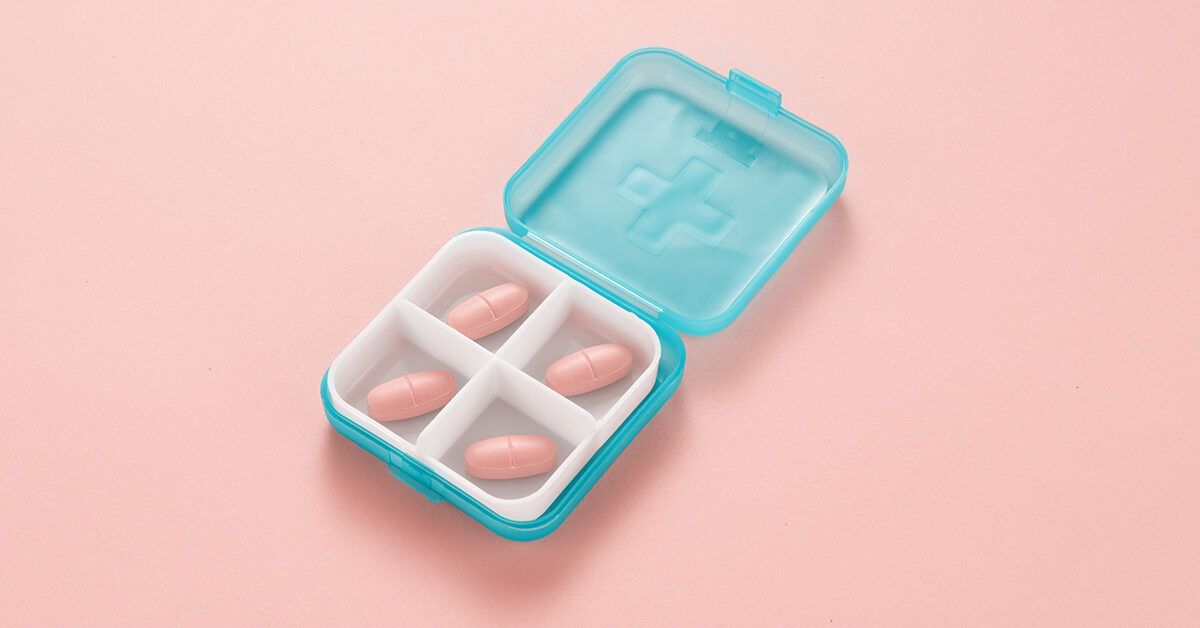
Others struggle with consistency. Daily medication can be easy to forget, especially for people who do not feel sick. Practical habits help. Keeping the medication near a toothbrush, using a pill organizer, setting a phone reminder, or linking the dose to a regular routine can improve adherence. The goal is to make taking the statin boring. Boring is underrated in healthcare. Boring means stable. Boring means no emergency sirens.
Cost and access can also shape the experience. Many statins are available as generics, which makes them affordable for many patients, but insurance coverage, pharmacy changes, and refill timing can still create headaches. Patients should tell their healthcare team if cost is a problem. There may be lower-cost alternatives or pharmacy discount options.
Family conversations are another part of the experience. When one person is diagnosed with very high LDL cholesterol, relatives may need testing too, especially if familial hypercholesterolemia is suspected. This can feel awkward, but it can also be lifesaving. A cholesterol conversation at the dinner table may not be glamorous, but neither is pretending genetics stops at eye color.
Over time, many statin users come to see the medication as one part of a larger heart-health routine. It is not a punishment, a personal failure, or a sign that healthy living “didn’t work.” Sometimes genetics, age, diabetes, prior heart disease, or risk level make medication the smart next step. A statin is simply a toolsmall, usually inexpensive, and backed by strong evidencethat helps reduce risk when the stakes are high.
Conclusion
Statin medications are important drugs for improving cholesterol levels, especially LDL cholesterol. They work by reducing cholesterol production in the liver and helping the body clear LDL from the bloodstream. For people at increased risk of heart attack or stroke, statins can be a major part of long-term cardiovascular prevention.
Like all medications, statins come with potential side effects and should be used under medical guidance. Muscle symptoms, liver enzyme changes, and blood sugar effects deserve attention, but most people tolerate statins well. If problems occur, patients should talk with a healthcare professional rather than stopping on their own.
The best cholesterol plan is rarely just one pill or one salad. It is a combination of smart medication choices, heart-healthy eating, regular movement, not smoking, quality sleep, stress management, and follow-up care. Statins are not a shortcut around healthy living; they are a reliable partner in protecting the heart and blood vessels for the long run.

