
Body Care
Smoking and Wrinkles: What’s the Real Connection?
Jun
Note: This article is for educational purposes only and is based on reputable medical, dermatology, and public-health information. It is not a substitute for professional medical advice.
Wrinkles are a normal part of being human. They show up when we smile, squint, laugh, worry, concentrate, and pretend we understood the plot of a complicated movie. But when wrinkles arrive earlier, deepen faster, or gather around the mouth and eyes like they are holding a tiny neighborhood meeting, lifestyle factors may be involved. One of the biggest suspects? Smoking.
The connection between smoking and wrinkles is not just a beauty rumor invented by a sunscreen company with a dramatic marketing department. Cigarette smoke can affect skin from the inside and outside. It narrows blood vessels, reduces oxygen delivery, increases oxidative stress, damages collagen and elastin, slows repair, and encourages the kind of dull, dry, creased look often called premature skin aging.
In other words, smoking does not simply “sit on the skin.” It meddles with the skin’s construction crew, steals supplies, slows the repair team, and then acts surprised when the building looks tired.
What Causes Wrinkles in the First Place?
To understand smoking wrinkles, it helps to understand regular wrinkles. Skin is supported by collagen and elastin. Collagen gives skin firmness and structure, while elastin helps it stretch and bounce back. When we are younger, skin usually repairs itself more efficiently. Over time, collagen production slows, elastin becomes less resilient, oil production decreases, and skin becomes thinner and drier.
That natural process is called intrinsic aging. Everyone gets it. It is the biological subscription service nobody remembers signing up for.
Then there is extrinsic aging, which comes from outside factors. Sun exposure, tanning beds, pollution, poor sleep, heavy alcohol use, chronic stress, and smoking can speed up visible aging. These factors can make fine lines appear sooner and help shallow creases become deeper wrinkles.
So, Does Smoking Really Cause Wrinkles?
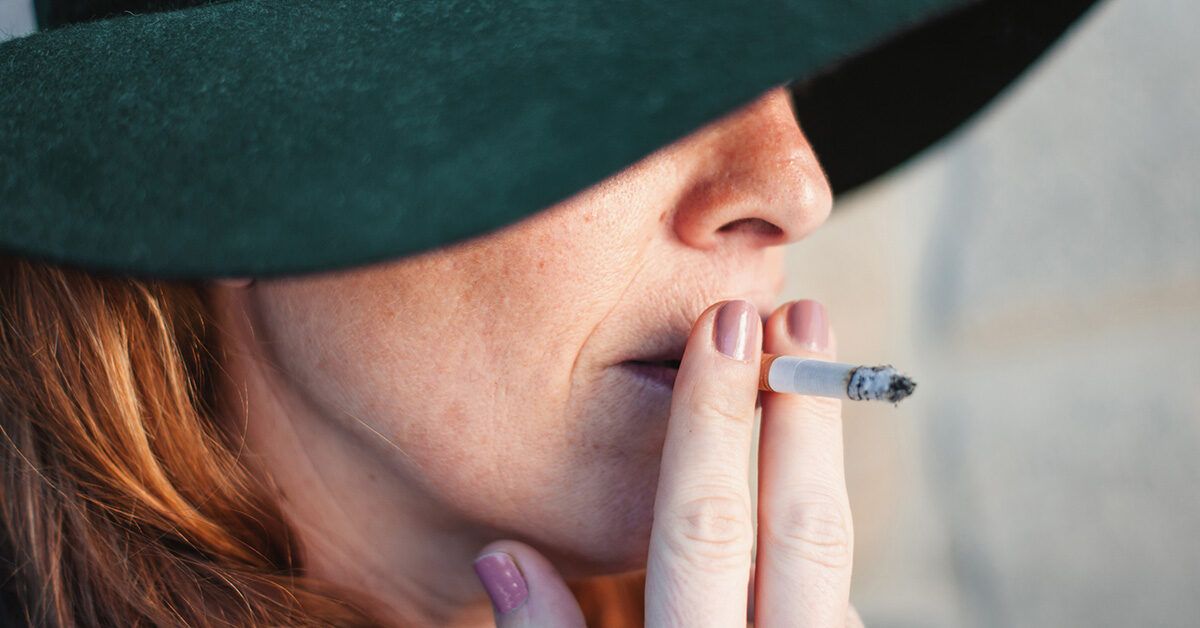
Yes, smoking is strongly associated with premature wrinkles and faster skin aging. The effect is especially noticeable in areas where the skin is thin or repeatedly moved, such as around the lips and eyes. Smokers often develop deeper lines around the mouth, crow’s feet, uneven tone, dullness, and a leathery texture earlier than people who do not smoke.
The relationship is also dose-related. In plain English: the more cigarettes smoked and the more years spent smoking, the higher the chance of visible skin aging. That does not mean every smoker will look the same or that every wrinkle is caused by smoking. Genetics, sun exposure, skin tone, diet, hydration, and skincare habits all matter. But smoking is one of the major lifestyle factors that can push skin aging into fast-forward mode.
How Smoking Ages the Skin
1. Smoking Reduces Blood Flow to the Skin
Nicotine can narrow blood vessels, including the tiny vessels that supply the outer layers of the skin. When blood flow is reduced, skin receives less oxygen and fewer nutrients. Skin cells need oxygen, vitamins, minerals, and amino acids to repair damage and build healthy tissue. When those supplies are limited, the skin may look dull, dry, tired, or uneven.
Think of your skin as a garden. Blood flow is the irrigation system. Smoking does not simply forget to water the plants; it folds the hose, parks a lawn chair on it, and then wonders why the roses are being dramatic.
2. Cigarette Smoke Damages Collagen and Elastin
Collagen and elastin are the skin’s support beams. Cigarette smoke contains thousands of chemicals, many of which can contribute to inflammation and oxidative stress. Oxidative stress happens when unstable molecules, often called free radicals, overwhelm the body’s antioxidant defenses. This process can damage cells and structural proteins, including collagen and elastin.
Research has also linked smoking with increased activity of enzymes known as matrix metalloproteinases, or MMPs. These enzymes break down collagen. Your body needs some MMP activity for normal remodeling and repair, but too much can weaken the skin’s support network. When collagen breaks down faster than the body can replace it, wrinkles and sagging become more likely.
3. Smoking Can Slow Skin Repair
Skin is constantly repairing itself. Even when you are doing nothing, your body is busy replacing cells, managing inflammation, and maintaining the barrier that keeps moisture in and irritants out. Smoking can interfere with this repair process. It is also linked with slower wound healing and a higher risk of complications after injuries or surgical procedures.
For everyday skin, slower repair may mean blemishes linger longer, irritation calms down more slowly, and skin has a harder time bouncing back from environmental stress. For wrinkles, this matters because aging skin is not just skin that has been damaged. It is skin that cannot repair damage as efficiently as it used to.
4. Repetitive Facial Movements Create “Smoker’s Lines”
Some wrinkles form from repeated facial movements. Smiling, frowning, squinting, and raising eyebrows all create dynamic lines. Smoking adds a few extra repeated motions: pursing the lips while inhaling and squinting when smoke drifts toward the eyes.
Over time, these repeated movements can contribute to vertical lines around the mouth and fine lines around the eyes. Of course, facial expressions are part of life. Nobody should stop smiling to avoid wrinkles. But smoking-related movements combine with chemical damage, reduced blood flow, and collagen breakdown, which makes those lines more likely to become etched in.
What Do Smoking Wrinkles Look Like?
Smoking-related wrinkles can appear in several ways. Common signs include:
- Vertical lip lines, sometimes called smoker’s lines
- Deeper crow’s feet around the eyes
- Dull or grayish-looking skin tone
- Uneven texture
- Dryness and roughness
- Sagging or loss of firmness
- More noticeable wrinkles on areas exposed to both smoke and sunlight
These changes are not always immediate. Skin damage can build quietly for years before becoming obvious. That is why someone may smoke for a long time and think, “My skin looks fine,” until one day the bathroom mirror starts giving TED Talks.
Smoking Plus Sun Exposure: The Wrinkle Power Couple Nobody Asked For
If smoking is bad for skin and ultraviolet light is bad for skin, combining them is like inviting two troublemakers to the same dinner party and seating them next to the expensive carpet. Sun exposure is one of the biggest causes of premature skin aging because UV radiation breaks down collagen and elastin. Smoking can amplify oxidative stress and impair repair. Together, they may speed up wrinkles, discoloration, rough texture, and loss of firmness.
This is why dermatologists often emphasize two major anti-aging habits: do not smoke and protect your skin from the sun. Fancy creams can help with texture and hydration, but they cannot outwork a daily routine that keeps damaging skin faster than it can recover.
Can Quitting Smoking Improve Wrinkles?
Quitting smoking cannot erase every wrinkle like a magic Photoshop wand. Existing deep lines may not fully disappear on their own. However, quitting can help slow further damage and may improve the skin’s overall appearance over time. As circulation improves and carbon monoxide levels decrease, the skin can receive more oxygen and nutrients. Many people notice better color, improved brightness, and healthier-looking skin after stopping.
The biggest benefit is prevention of future damage. Think of quitting as stopping a leak in the roof. It may not instantly fix the ceiling stain, but it prevents the next rainstorm from turning your living room into an indoor pond.
How Long After Quitting Can Skin Look Better?
Some changes may appear within weeks, especially improvements in color and hydration. Longer-term benefits can develop over months as circulation, inflammation, and repair processes improve. The timeline varies depending on age, smoking history, sun exposure, skincare, diet, sleep, and overall health.
People who quit earlier usually give their skin a better chance to recover. But it is never “too late” for the body to benefit from stopping smoking. The skin, heart, lungs, blood vessels, and immune system all appreciate the upgrade.
Do Vaping and Nicotine Products Affect Wrinkles Too?
Traditional cigarettes are especially harmful because they expose the body to nicotine, carbon monoxide, tar, and many toxic combustion chemicals. Vaping does not create the same smoke as cigarettes, but many vaping products still contain nicotine. Since nicotine can constrict blood vessels, it may still affect oxygen and nutrient delivery to the skin.
Research on vaping and long-term skin aging is still developing, so it is not accurate to claim that vaping causes the same wrinkle pattern as smoking cigarettes. However, from a skin-health perspective, regularly exposing the body to nicotine is not exactly a spa day. If the goal is healthier skin and better long-term health, becoming nicotine-free is the cleaner win.
Skincare Tips for Smokers and Former Smokers
Use Sunscreen Every Day
Daily broad-spectrum sunscreen is one of the most effective ways to prevent premature wrinkles. Use it on the face, neck, chest, and hands. These areas often show aging first because they get frequent sun exposure. Sunscreen is not glamorous, but neither is realizing your left cheek aged faster because it sat by the car window for ten years.
Add Retinoids Carefully
Retinoids, including retinol and prescription tretinoin, can help improve fine lines, texture, and uneven tone by supporting cell turnover and collagen production. They can be irritating at first, so start slowly and use moisturizer. People with sensitive skin, acne, rosacea, pregnancy, or other conditions should ask a dermatologist before using stronger products.
Moisturize Like You Mean It
Smoking can contribute to dryness and a damaged-looking barrier. A good moisturizer helps reduce water loss and makes fine lines appear softer. Look for ingredients such as glycerin, hyaluronic acid, ceramides, and niacinamide. These do not perform miracles, but they are excellent at making skin behave more politely.
Eat for Collagen Support
Your skin needs building blocks. Protein, vitamin C, zinc, and antioxidants support normal collagen formation and repair. Citrus fruits, berries, leafy greens, beans, fish, eggs, nuts, and colorful vegetables can all be part of a skin-supportive diet. No single food will erase wrinkles, but consistent nutrition helps your skin do its job.
Sleep and Hydration Matter
Skin repair is not powered by wishful thinking and expensive serum alone. Sleep, hydration, and stress management matter. Poor sleep can make skin look dull and tired, while dehydration can make fine lines more noticeable. Water will not remove deep wrinkles, but hydrated skin usually looks smoother and healthier.
Professional Treatments That May Help
For people bothered by smoking-related wrinkles, dermatologists and licensed skin professionals may offer treatments such as chemical peels, microneedling, laser resurfacing, radiofrequency treatments, neuromodulators, or dermal fillers. The right option depends on skin type, wrinkle depth, medical history, budget, and goals.
However, smoking can interfere with healing after cosmetic procedures. Some providers recommend quitting before and after certain treatments to reduce the risk of poor healing and complications. In other words, if you are investing in smoother skin, smoking is the roommate who keeps using your skincare budget to buy chaos.
Common Myths About Smoking and Wrinkles
Myth 1: “Only Heavy Smokers Get Wrinkles”
Heavy, long-term smoking increases risk, but lighter smoking can still affect circulation, oxidative stress, and skin repair. There is no “wrinkle-safe” cigarette level.
Myth 2: “Good Skincare Cancels Out Smoking”
Good skincare helps, but it cannot fully cancel ongoing damage from cigarette smoke. Sunscreen, moisturizer, and retinoids are helpful tools, not invisibility cloaks.
Myth 3: “Wrinkles Mean the Damage Is Permanent, So Why Quit?”
Some existing wrinkles may stay, but quitting can slow future damage and improve overall skin tone, circulation, healing, and health. The goal is not perfection. The goal is giving your skin fewer battles to fight.
Experience Section: What People Often Notice About Smoking and Skin
People who have smoked for years often describe skin changes in small, ordinary moments rather than dramatic movie scenes. It may start with makeup settling into lines around the mouth. Someone may notice that their foundation looks patchy by lunch, even though the product used to work fine. Another person might catch their reflection in a car window and think their skin looks dull, almost as if the brightness setting has been turned down.
A common experience is seeing deeper lines around the lips. These lines may become more obvious when applying lipstick, lip balm, or gloss. Color can bleed into the tiny vertical creases, making them stand out. The person may blame the lipstick, the mirror, the lighting, the weather, or Mercury being in retrograde. But repeated lip pursing combined with reduced collagen support can make those lines more noticeable over time.
Another familiar story involves crow’s feet. Many people love smile lines because they show laughter and expression. But smoking-related eye lines may appear sharper or earlier, especially when paired with squinting through smoke or spending time outdoors without sunglasses. The skin around the eyes is thin, so it tends to reveal lifestyle stress quickly. It is basically the group chat of the face: everything shows up there first.
Former smokers often report that quitting does not make them wake up looking airbrushed. Real life is not a filter, and skin renewal takes time. But many notice subtle improvements: a warmer tone, less grayness, fewer dry patches, and a healthier glow. Some say their skincare products seem to work better after quitting because their skin feels less irritated and more responsive. Others notice that small cuts, blemishes, or post-acne marks seem to heal more predictably.
There is also an emotional side. Wrinkles can become a visible reminder of a habit someone is trying to leave behind. That can feel discouraging, but it can also become motivating. Instead of seeing lines as failure, many former smokers reframe them as proof of change: “This is where I was, not where I am staying.” That mindset matters. Skin improvement is not about chasing teenage skin forever. It is about supporting the healthiest version of the skin you have now.
For people trying to quit, appearance can be one useful motivator, but health is the bigger prize. Better circulation, easier breathing, lower disease risk, improved energy, fresher breath, and fewer smoke odors are all part of the package. The skin benefits are the bonus points. And honestly, if your body gives you bonus points for quitting, take them. No need to argue with a good deal.
Conclusion: The Real Connection Between Smoking and Wrinkles
The real connection between smoking and wrinkles comes down to biology. Smoking reduces blood flow, limits oxygen delivery, increases oxidative stress, damages collagen and elastin, slows healing, and encourages repeated facial movements that deepen lines around the mouth and eyes. It does not simply make skin look older; it changes the conditions your skin needs to stay firm, bright, and resilient.
The good news is that quitting can help. It may not erase every line, but it can slow future damage and support healthier-looking skin. Add sunscreen, gentle skincare, good sleep, balanced nutrition, and professional guidance when needed, and your skin has a much better chance to recover its glow.
Wrinkles are normal. Aging is normal. But letting cigarette smoke speed the process like it is late for a meeting? That part is optional.

