
Hair Care
Smelly feet: Footwear tips, home remedies, and more
Jul
If you’ve ever slipped your shoes off at the end of a long day and immediately wanted to apologize to
everyone in a five-foot radius, you’re not alone. Smelly feet (the medical term is bromodosis)
are incredibly common, totally normal – and, thankfully, usually fixable with some smart footwear choices,
better foot hygiene, and a few easy home remedies.
In this guide, we’ll walk through what actually causes foot odor, which shoes and socks help (or make it
worse), the best home treatments for smelly feet, and when it’s time to talk with a doctor. We’ll finish
with some real-life style “experiences” and practical tips so you can keep your feet fresh, even on your
longest, sweatiest days.
What really causes smelly feet?
Feet don’t just randomly decide to smell bad to embarrass you. Odor is usually a team effort between
sweat, bacteria, and sometimes fungi:
1. Sweat: your feet’s built-in sprinkler system
Your feet have more sweat glands per square inch than almost any other part of your body. When you’re hot,
stressed, exercising, or wearing non-breathable shoes all day, those glands work overtime, soaking your
socks and shoes. On its own, sweat doesn’t smell – but it creates the perfect warm, damp environment for
microbes to throw a party.
2. Bacteria and the “foot funk” problem
The skin on your feet naturally hosts bacteria that feed on sweat and dead skin cells. As they break down
this material, they release compounds that have a strong, sour, or cheesy smell. The more trapped moisture
you have (think tight, unventilated shoes), the more bacteria grow, and the stronger the odor becomes.
3. Fungal infections and athlete’s foot
Fungi love warm, moist spaces – exactly what you get inside sweaty shoes. Athlete’s foot (a common fungal
infection) can cause peeling, redness, itching, and, yes, extra odor. If your feet burn, itch, or have
scaly patches, odor might not be your only issue, and antifungal treatment may be needed.
4. Hyperhidrosis: when sweating is excessive
Some people have hyperhidrosis, a condition that causes excessive sweating. When it affects
the feet (plantar hyperhidrosis), socks and shoes can become soaked quickly, no matter the temperature.
This makes odor control much harder and may require medical treatments like prescription-strength
antiperspirants, iontophoresis, or other therapies.
Footwear tips: choosing shoes and socks that fight odor
You can scrub your feet all you want, but if you keep shoving them into the same sweaty, non-breathable
shoes, the odor will come right back. Think of your footwear as part of your treatment plan.
1. Choose breathable shoes
Look for shoes made from materials that let air circulate and allow moisture to escape:
- Leather, canvas, or mesh uppers help air flow through and dry faster.
-
Avoid shoes made mostly of rubber or stiff plastic, which trap heat and sweat and give
bacteria a cozy home. -
For work or dress shoes, pick styles with perforations or breathable linings instead of sealed, slick
materials.
2. Upgrade your socks
Socks are your front line of defense against foot odor. The right pair can pull sweat away from your skin
and help it evaporate instead of sitting there and stewing.
-
Choose moisture-wicking fabrics like merino wool, bamboo, or technical blends designed
for athletes. These materials draw sweat away from your skin and dry quickly. -
Skip 100% cotton socks for long, sweaty days – cotton tends to soak up sweat and stay damp, which feeds
bacteria. -
If your feet sweat a lot, bring an extra pair and change socks midday, especially at
work or during long trips.
3. Rotate your shoes
Wearing the same pair every day doesn’t give them time to dry out between uses. Aim to:
- Alternate between at least two pairs of shoes so each pair can fully air out for 24 hours.
-
Remove insoles after wearing and let both shoes and insoles dry in a cool, ventilated area – not sealed
in a dark closet or gym bag. -
Use shoe trees, crumpled newspaper, or moisture-absorbing inserts to help pull out excess moisture
faster.
4. Add odor-fighting helpers
Along with breathable shoes and better socks, you can give your footwear some extra backup:
- Anti-odor insoles or liners with charcoal, copper, or silver to help reduce bacteria.
-
Shoe deodorant or disinfectant spray to kill bacteria in your shoes, not just cover the
smell. -
Simple DIY tricks like placing dry tea bags or baking soda sachets in shoes overnight to absorb moisture
and odor.
Daily foot hygiene habits that make a big difference
The best footwear in the world can’t keep feet fresh if sweat, dead skin, and germs build up. Consistent
foot care is non-negotiable if you want to beat smelly feet.
1. Wash thoroughly (not just a quick rinse)
Your feet deserve more than the soap that casually drips down from your shower. Use a mild soap and:
- Wash your feet daily, including the heels, soles, and especially between the toes.
- Use a washcloth or soft brush to gently scrub away dead skin cells and sweat.
- If you work out or sweat heavily, it may help to wash feet again after activity and put on clean socks.
2. Dry completely (especially between the toes)
Leaving your feet even slightly damp is like sending an invitation to bacteria and fungi. After bathing:
- Pat feet dry with a clean towel instead of rubbing aggressively.
- Dry between each toe you can even use a hairdryer on a cool setting if needed.
3. Trim nails and manage dead skin
Dirt, sweat, and microbes can collect under long toenails and in thick calluses. Keep things tidy by:
- Trimming toenails straight across and not too short.
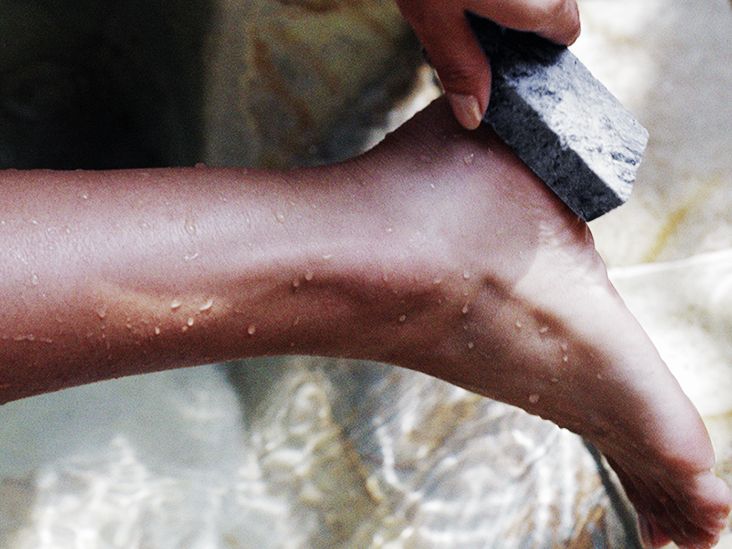
- Using a foot file or pumice stone regularly to gently reduce thick, rough skin.
- Avoiding overly harsh scraping that can cause cracks or small cuts.
4. Use antiperspirant on your feet
Deodorant covers odor; antiperspirant reduces sweat. Many podiatrists recommend using a
clinical-strength antiperspirant on the soles of your feet and between the toes to slow
perspiration. For more severe sweating, doctors sometimes prescribe stronger formulas with aluminum
chloride.
Home remedies for smelly feet that actually help
Home remedies can be a great add-on to good hygiene and footwear habits. They’re not magic, but they can
make a noticeable difference for many people.
1. Vinegar soaks
Vinegar is mildly acidic and has antimicrobial properties, which can make the skin less friendly to
bacteria and some fungi. A typical recipe:
- Mix 1 part vinegar to 2 parts warm water in a basin.
- Soak your feet for about 15–20 minutes, once or twice a week.
- Rinse and dry thoroughly afterward.
Skip vinegar soaks if you have cuts, open sores, or very sensitive skin, as they can sting or irritate.
2. Epsom salt foot baths
Epsom salt (magnesium sulfate) foot soaks can help reduce odor and soothe tired feet:
- Dissolve Epsom salt in warm water (follow package directions, often 1–2 cups per basin).
- Soak feet for 10–20 minutes, then dry well.
3. Baking soda for odor control
Baking soda helps neutralize acids and can reduce odor:
- Add a few tablespoons to a warm foot bath to gently cleanse and deodorize.
- Or sprinkle a light amount into shoes overnight (then shake it out before wearing).
4. Powders to keep feet dry
Moisture-absorbing powders can tip the balance against bacteria:
- Use talcum powder, cornstarch, or dedicated foot powders to keep feet and shoes dry.
- Dust a small amount on clean, dry feet before putting on socks.
- Avoid breathing in powders, and don’t apply to broken skin.
5. Let your feet breathe
When you’re at home, going barefoot (or wearing open-toe sandals) allows air to circulate and helps feet
stay dry. Just be careful in public showers, locker rooms, or pool areas – flip-flops or shower shoes can
help prevent athlete’s foot.
When should you see a doctor for smelly feet?
Smelly feet are usually a nuisance, not a medical emergency. But it’s smart to get checked if:
-
Odor is severe and persistent despite good hygiene, better shoes, and home remedies over
several weeks. - You notice redness, cracking, blisters, or peeling skin that may signal infection.
- Your feet sweat so much that socks and shoes are soaked quickly and often.
- You have diabetes, circulation problems, or nerve issues and notice changes in your feet.
A doctor or podiatrist can check for fungal infections, hyperhidrosis, or other underlying conditions and
recommend specific treatments like prescription antiperspirants, antifungal medications, or other
therapies.
Simple prevention checklist for fresher feet
To keep foot odor under control long term, make these habits part of your routine:
- Wash and dry your feet thoroughly every day.
- Wear moisture-wicking socks and change them when they get damp.
- Choose breathable shoes and rotate pairs so they can dry out fully.
- Use antiperspirant, powders, or insoles if your feet sweat a lot.
- Try weekly foot soaks with vinegar or Epsom salt if your skin tolerates them.
- Address athlete’s foot or nail infections early, before they worsen the odor.
Real-life experiences and extra practical tips
Let’s be honest: almost everyone has had a “please don’t make me take off my shoes” moment. Smelly feet can
be embarrassing, especially at the office, on an airplane, or during a yoga class where shoes come off the
second you walk in. But with a little experimenting, most people find a combo of footwear and home
remedies that works for them.
The office commuter
Picture someone who walks or takes public transit to work in a big city. They spend an hour in closed
sneakers or leather loafers, then sit at a desk all day. By 3 p.m., their feet are hot, their socks are
damp, and they’re silently praying there won’t be a “shoes off” team-building exercise.
What tends to help in this kind of situation is a small “fresh feet kit” stashed in a work bag:
- A spare pair of moisture-wicking socks.
- Travel-sized antiperspirant or foot spray.
- A small container of foot powder.
At lunchtime, a quick bathroom stop to wipe feet with a damp cloth or cleansing wipe, dry them well, add
a bit of powder, and swap into fresh socks can dramatically cut down on afternoon odor. Over time, rotating
between two pairs of work shoes and airing them out overnight makes the results even better.
The gym-goer or athlete
Then you’ve got the runner, hiker, or gym regular whose shoes basically live in a sweaty gym bag. Their
feet get hot and damp several times a week, and the same shoes are always pressed into service for the next
workout.
For this person, breathable, sport-specific socks and shoes are essential. They usually notice a big
difference when they:
- Switch from cotton socks to moisture-wicking performance socks.
-
Take shoes out of the gym bag as soon as they get home and let them dry in a ventilated spot (maybe with
newspaper or shoe trees inside). - Deep-clean shoes occasionally and use deodorizing sprays or inserts between workouts.
Some athletes also schedule regular vinegar or Epsom salt foot soaks after intense training days. It becomes
part of their recovery routine – like stretching, but for their feet.
Teenagers and hormonal changes
Teenagers are famous for strong-smelling gym bags, sneakers, and locker-room feet. Rapid growth, hormones,
and active schedules can mean a lot of sweating in a short time. Teens might not always be consistent about
washing their feet, rotating shoes, or changing socks, so simple, clear routines help:
- “New day, new socks” – no re-wearing sweaty pairs.
- Assigning at least two pairs of school shoes and two pairs of sports shoes to rotate.
- Keeping a visible shoe-drying area at home so shoes aren’t trapped in closets or bags.
If odor is strong or a teen’s feet look irritated or cracked, a quick visit to a healthcare professional
can rule out infections and provide tailored advice.
Living with hyperhidrosis
For people with hyperhidrosis, smelly feet can be a daily challenge, not just an occasional annoyance.
Socks may become damp or soaked shortly after putting them on, and basic fixes might not be enough.
Many people in this situation find they need a layered approach:
- Prescription antiperspirant creams or sprays used as directed by a clinician.
- Regular use of moisture-wicking socks and breathable shoes.
- Foot soaks or professional treatments (like iontophoresis) when recommended.
The key is to remember that hyperhidrosis is a medical condition, not a hygiene failure. Getting
professional help can significantly reduce sweating and odor and improve everyday comfort.
Small changes, big confidence boost
The biggest “experience” most people report once they get smelly feet under control is a simple one:
confidence. You don’t have to worry about taking your shoes off at the airport, or slipping into sandals
at a friend’s house, or stretching on a yoga mat next to someone else.
Smelly feet may feel embarrassing, but they’re usually very treatable. With the right footwear, predictable
hygiene habits, and a few home remedies, you can turn “uh-oh, my shoes are coming off” into “sure, no
problem.”
Conclusion
Smelly feet happen when sweat, bacteria, and sometimes fungi team up inside tight, poorly ventilated shoes.
The good news: you have a lot of control over that environment. Breathable footwear, moisture-wicking socks,
shoe rotation, and consistent hygiene can dramatically reduce foot odor. Add in simple home remedies like
vinegar or Epsom salt soaks and smart use of powders or antiperspirants, and most people can keep bromodosis
from running (or ruining) their day.
If odor is severe, persistent, or accompanied by skin changes, it’s worth talking to a doctor or podiatrist
to rule out infections or hyperhidrosis and explore medical treatments. Fresh-feeling, fresh-smelling feet
aren’t just nicer for the people around you – they make you feel more relaxed and confident in your own
skin (and shoes).

