
Skincare
Sleep Apnea Symptoms to Watch Out For
Jul
Sleep apnea is one of those health conditions that can be dramatic at night and sneaky during the day. You may not remember waking up. You may not hear yourself snore. You may think your morning headache is from “sleeping weird,” your afternoon brain fog is from emails, and your moodiness is simply because someone put an empty milk carton back in the fridge. Again.
But when breathing repeatedly slows, stops, or becomes blocked during sleep, the body noticeseven if the brain conveniently forgets the tiny wake-ups. Sleep apnea can fragment deep sleep, reduce oxygen levels, strain the heart, and leave a person feeling oddly exhausted after what looked like a full night in bed. The tricky part? Many of the most important sleep apnea symptoms happen while you are unconscious, which is a terrible time to take notes.
This guide breaks down the sleep apnea symptoms to watch out for, including the classic signs like loud snoring and gasping, the quieter clues like morning dry mouth and trouble concentrating, and the “wait, that can be sleep apnea too?” symptoms such as nighttime urination, mood changes, and resistant high blood pressure.
What Is Sleep Apnea?
Sleep apnea is a sleep-related breathing disorder in which breathing repeatedly pauses, becomes shallow, or is interrupted during sleep. These pauses may last several seconds or longer and can happen many times per hour. Each interruption can trigger the brain to briefly wake the body enough to restart breathing. The person may not fully wake up or remember it, but the sleep cycle still takes the hit.
The most common type is obstructive sleep apnea, or OSA. It happens when the upper airway becomes partly or completely blocked during sleep, often because throat muscles relax and soft tissues narrow the breathing passage. Central sleep apnea is less common and occurs when the brain does not properly send signals to the muscles that control breathing. Some people have complex sleep apnea, which includes features of both.
No matter the type, the result can be poor sleep quality, daytime fatigue, and increased health risks if the condition goes untreated. Sleep apnea is not just “annoying snoring.” It is a medical condition that deserves attention, especially when symptoms become regular or affect daily life.
The Most Common Sleep Apnea Symptoms
1. Loud, Frequent Snoring
Loud snoring is the symptom most people associate with sleep apnea, and for good reason. In obstructive sleep apnea, air may squeeze through a narrowed airway, causing tissues in the throat to vibrate. That vibration produces snoring, sometimes at a volume that makes the bedroom sound like a small motorcycle rally.
However, not everyone who snores has sleep apnea, and not everyone with sleep apnea snores loudly. Occasional snoring from a cold, allergies, alcohol, or sleeping on your back may not be a major concern by itself. The bigger warning sign is snoring that is loud, frequent, and paired with pauses in breathing, choking, gasping, restless sleep, or daytime sleepiness.
2. Pauses in Breathing During Sleep
One of the strongest warning signs of sleep apnea is witnessed breathing pauses. A bed partner, roommate, family member, or very judgmental pet may notice that you stop breathing, become unusually quiet, then suddenly gasp, snort, or jerk awake.
People with sleep apnea often do not notice these pauses themselves. They may wake up briefly, roll over, and go back to sleep without remembering anything. That is why outside observations matter. If someone says, “You stopped breathing last night,” do not file that under “weird bedtime commentary.” Bring it up with a healthcare provider.
3. Gasping, Choking, or Snorting at Night
Gasping or choking during sleep can happen when the body reacts to blocked or reduced airflow. The brain senses that breathing is not adequate and forces a brief arousal so the airway can reopen. This can create a sudden gasp, snort, or choking sound.
Some people describe waking up with a racing heart or a feeling of panic, as if they were startled awake for no clear reason. Others simply wake up feeling short of breath. If this happens repeatedly, especially alongside loud snoring or daytime fatigue, it is a sleep apnea symptom worth taking seriously.
4. Excessive Daytime Sleepiness
Daytime sleepiness is one of the most disruptive symptoms of sleep apnea. You may technically spend seven or eight hours in bed, but because your sleep keeps getting interrupted, your body may never get enough restorative rest. The result is the kind of tiredness that coffee can negotiate with but rarely defeats.
Excessive daytime sleepiness may show up as dozing off while watching TV, struggling to stay awake during meetings, feeling sleepy after lunch every day, or needing naps that do not feel refreshing. In more dangerous situations, it can cause drowsy driving. If you regularly feel like you could fall asleep at a red light, your body is waving a very large flag.
Morning Symptoms That Can Point to Sleep Apnea
Morning Headaches
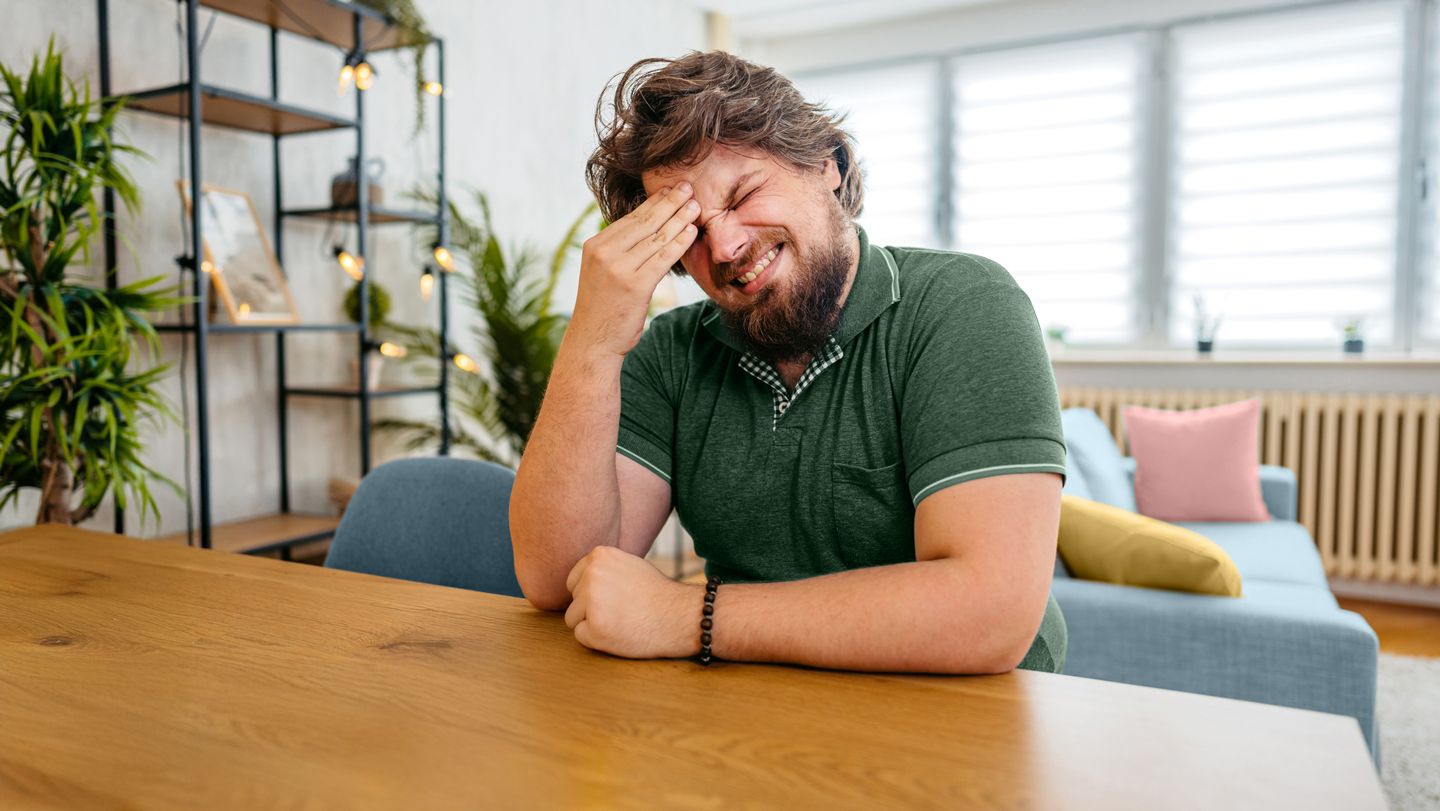
Morning headaches are a common symptom reported by people with sleep apnea. They may feel dull, heavy, or pressure-like and often appear soon after waking. These headaches can be related to poor sleep quality, oxygen changes, carbon dioxide buildup, or repeated nighttime arousals.
Of course, not every morning headache is sleep apnea. Dehydration, jaw clenching, alcohol, migraines, sinus problems, and poor sleep habits can also be responsible. But when morning headaches appear with snoring, gasping, dry mouth, or daytime exhaustion, sleep apnea should be on the list of possibilities.
Dry Mouth or Sore Throat
Waking up with a dry mouth or sore throat can happen when a person breathes through the mouth during sleep. In sleep apnea, mouth breathing may occur because the nose is congested, the airway is narrowed, or the body is trying to pull in more air during breathing interruptions.
If your first morning thought is “Why does my mouth feel like a desert with Wi-Fi?” pay attention. Occasional dry mouth may not mean much, but frequent dry mouth combined with loud snoring or unrefreshing sleep is a useful clue.
Feeling Unrefreshed After a Full Night in Bed
One of the most frustrating sleep apnea symptoms is waking up tired after what should have been enough sleep. You may go to bed on time, avoid late-night scrolling, and still wake up feeling like your battery charged to 12 percent.
This happens because sleep apnea can repeatedly pull the brain out of deeper sleep stages. You may not remember waking, but your body does. Over time, fragmented sleep can leave you feeling drained, foggy, and unusually dependent on caffeine, motivation playlists, and pure stubbornness.
Daytime Clues People Often Miss
Brain Fog and Trouble Concentrating
Poor sleep affects the brain quickly. Sleep apnea can make it harder to focus, remember details, make decisions, or stay mentally sharp. You may reread the same sentence five times, forget why you opened a tab, or walk into a room and need a dramatic pause to remember your mission.
These symptoms are easy to blame on stress, aging, multitasking, or a busy schedule. Sometimes those are factors. But when brain fog comes with snoring, morning headaches, or daytime sleepiness, sleep quality deserves a closer look.
Irritability, Anxiety, or Low Mood
Sleep apnea does not only affect energy. It can affect mood. Repeated sleep disruption may contribute to irritability, anxiety, depression-like symptoms, or a shorter emotional fuse. The person may feel unusually impatient, flat, or overwhelmed.
This does not mean every bad mood is caused by sleep apnea. Life is still life, and printers still jam at the worst possible moment. But mood changes paired with poor sleep, snoring, and fatigue can be part of the symptom picture.
Reduced Interest in Sex or Sexual Performance Problems
Sleep apnea can be associated with lower libido and sexual performance concerns, including erectile dysfunction in some men. Poor sleep, reduced oxygen levels, fatigue, and cardiovascular strain may all play a role.
Because this symptom can feel personal or embarrassing, many people do not mention it during medical visits. But healthcare providers have heard it before. Sharing the full picture can help connect symptoms that otherwise seem unrelated.
Nighttime Symptoms Beyond Snoring
Frequent Nighttime Urination
Getting up to urinate several times a night, known as nocturia, can have many causes, including fluid intake, diabetes, prostate issues, pregnancy, medications, and urinary conditions. But sleep apnea can also contribute.
When breathing repeatedly stops or becomes strained, the body may respond with hormonal and pressure changes that increase nighttime urine production. Also, if sleep is repeatedly interrupted, a person may become more aware of the need to use the bathroom. If nightly bathroom trips come with snoring or gasping, do not ignore the sleep connection.
Restless Sleep and Frequent Awakenings
Some people with sleep apnea toss and turn all night. Others wake repeatedly and assume they have insomnia. They may remember waking up but not realize breathing interruptions are part of the reason.
Sleep apnea and insomnia can overlap. A person may have trouble staying asleep, wake too early, or feel restless without knowing why. If insomnia symptoms appear with snoring, choking, morning headaches, or daytime sleepiness, a sleep evaluation may be helpful.
Night Sweats
Night sweats can happen for many reasons, from bedroom temperature to infections, hormonal changes, medications, anxiety, or other medical conditions. Some people with sleep apnea also report sweating at night, possibly related to repeated stress responses when breathing becomes difficult.
Because night sweats have a wide range of possible causes, they should be discussed with a healthcare provider, especially if they are frequent, severe, or accompanied by weight loss, fever, chest symptoms, or significant fatigue.
Sleep Apnea Symptoms in Women
Sleep apnea is often pictured as a man snoring loudly on his back, but that stereotype can cause women to be overlooked. Women may have classic symptoms like snoring and daytime sleepiness, but they may also report fatigue, insomnia, morning headaches, anxiety, depression, or concentration problems.
Because these symptoms can be attributed to stress, hormones, caregiving, menopause, or mood disorders, sleep apnea may not be the first condition considered. Women who wake unrefreshed, have persistent fatigue, or receive comments about snoring or breathing pauses should ask whether sleep apnea testing is appropriate.
Sleep Apnea Symptoms in Children
Children can have sleep apnea too, and their symptoms may look different from adult symptoms. Loud snoring, pauses in breathing, restless sleep, mouth breathing, bedwetting, morning headaches, and daytime sleepiness can occur. However, some children do not look sleepy. Instead, they may appear hyperactive, irritable, inattentive, or struggle in school.
Enlarged tonsils or adenoids are common contributors to obstructive sleep apnea in children. Any child who snores regularly, gasps during sleep, or has concerning breathing pauses should be evaluated by a pediatric healthcare provider.
Risk Factors That Make Symptoms More Suspicious
Symptoms matter most, but risk factors can raise suspicion. Obstructive sleep apnea is more likely in people who have excess body weight, a larger neck circumference, nasal congestion, a family history of sleep apnea, a naturally narrow airway, enlarged tonsils, or certain jaw structures. Alcohol, sedatives, and sleeping on the back can worsen airway collapse during sleep.
Age also matters. Sleep apnea becomes more common as adults get older, although it can affect younger adults and children. Smoking may irritate and inflame the upper airway. Medical conditions such as high blood pressure, heart disease, type 2 diabetes, and stroke history can also overlap with sleep apnea risk.
When Snoring Is More Than “Just Snoring”
Snoring by itself is not always dangerous. Many people snore occasionally, especially with allergies, colds, alcohol use, or sleeping on their back. The concern rises when snoring is loud, habitual, and interrupted by silence, choking, or gasping.
Think of ordinary snoring as background noise. Sleep apnea-related snoring often has a pattern: loud snore, pause, silence, gasp, snort, repeat. It may be worse when sleeping on the back or after alcohol. A bed partner may notice that the person seems to struggle for air. That pattern is more concerning than steady, soft snoring.
Health Signs That May Be Connected
Untreated sleep apnea has been linked with high blood pressure, heart disease, stroke, irregular heart rhythms, and metabolic problems. This does not mean sleep apnea is the cause of every cardiovascular issue, but the connection is strong enough that symptoms should not be brushed aside.
One especially important clue is high blood pressure that is difficult to control, especially when it appears with loud snoring, daytime sleepiness, or witnessed breathing pauses. People with heart conditions should also mention sleep symptoms to their healthcare provider because treating sleep apnea may be part of improving overall health.
How Sleep Apnea Is Usually Diagnosed
A healthcare provider may begin with questions about symptoms, sleep habits, medical history, medications, and risk factors. They may ask whether anyone has witnessed breathing pauses or loud snoring. In some cases, questionnaires are used to estimate risk.
The diagnosis is usually confirmed with a sleep study. This may be done in a sleep lab, where breathing, oxygen levels, brain activity, heart rhythm, and body movements are monitored. For some adults with suspected obstructive sleep apnea, a home sleep apnea test may be appropriate. The right test depends on symptoms, medical history, and the provider’s judgment.
When to Talk to a Healthcare Provider
You should consider speaking with a healthcare provider if you have loud, frequent snoring; witnessed pauses in breathing; gasping or choking during sleep; persistent daytime sleepiness; morning headaches; dry mouth on waking; trouble concentrating; mood changes; or unrefreshing sleep.
Seek care sooner if sleepiness affects driving, work safety, or daily functioning. Also bring up symptoms promptly if you have high blood pressure, heart disease, stroke history, type 2 diabetes, or a partner who is worried about your breathing at night. Sleep apnea is treatable, but first it has to be recognized.
Real-Life Experiences: What Sleep Apnea Symptoms Can Feel Like
Many people do not discover sleep apnea because they wake up one morning and announce, “Aha, my airway is collapsing during REM sleep.” Usually, the realization is messier and more human. It starts with patterns that seem unrelated.
For example, imagine someone named Mark. He goes to bed around 10:30 p.m. and wakes at 6:30 a.m., so on paper he is getting eight hours of sleep. Yet every morning he feels like he spent the night assembling furniture without instructions. His wife says he snores loudly, but he laughs it off because his father snored too. Then she mentions the pauses. Not just snoringactual silence followed by a gasp. Mark also notices morning headaches and a growing habit of nodding off during evening TV. The clue is not one symptom. It is the pattern.
Now consider Angela, who does not fit the old stereotype. She does not describe herself as a “classic snorer.” Her main problems are insomnia, fatigue, anxiety, and morning headaches. She wakes up several times a night and assumes stress is the cause. She drinks more coffee, buys blackout curtains, tries magnesium, downloads a meditation app, and becomes deeply familiar with the ceiling at 3:12 a.m. Eventually, a sleep evaluation shows that breathing interruptions are fragmenting her sleep. Her symptoms were real; they just did not arrive wearing a neon sign that said “sleep apnea.”
Or picture a college student who keeps missing morning classes. Everyone assumes poor sleep habits, too much gaming, or late-night scrolling. Those may play a role, but his roommate reports loud snoring and choking sounds. He wakes with a dry mouth and struggles to focus during lectures. Even in younger adults, sleep apnea can appear, especially when anatomy, weight, nasal obstruction, alcohol, or family history increases risk.
Parents may notice a different version in children. A child with sleep apnea may snore, breathe through the mouth, toss around in bed, or wet the bed. During the day, instead of acting sleepy, the child may seem wired, cranky, or unable to focus. That can be confusing because adults often expect tired people to look slow and droopy. Children sometimes go the opposite direction: their fatigue puts on sneakers and runs around the room.
The shared lesson is simple: sleep apnea symptoms often hide in plain sight. People normalize snoring. They blame fatigue on being busy. They blame headaches on pillows. They blame irritability on traffic, emails, or the mysterious disappearance of matching socks. But when nighttime breathing symptoms and daytime exhaustion travel together, it is time to connect the dots.
A helpful approach is to track symptoms for two weeks. Write down bedtime, wake time, morning headaches, nighttime bathroom trips, daytime sleepiness, naps, caffeine use, and any reports of snoring or gasping. If possible, ask a bed partner what they notice. Some people even record short audio clips of snoring patterns to share with a clinician. This is not about self-diagnosing; it is about giving your healthcare provider better information.
The good news is that recognizing symptoms can change the story. Treatments such as CPAP therapy, oral appliances, weight management when appropriate, positional therapy, nasal obstruction treatment, and selected surgical options can improve breathing during sleep. The best treatment depends on the person and the type and severity of sleep apnea. But the first step is noticing that “tired all the time” is not a personality trait. Sometimes it is a symptom.
Conclusion
Sleep apnea symptoms can be loud, subtle, obvious, confusing, or completely invisible to the person experiencing them. The classic signs include loud snoring, breathing pauses, gasping or choking during sleep, and excessive daytime sleepiness. But the less obvious symptomsmorning headaches, dry mouth, brain fog, mood changes, nighttime urination, restless sleep, and unrefreshing restmatter too.
If these symptoms happen regularly, especially in combination, do not ignore them. Sleep apnea is common, underdiagnosed, and treatable. You do not need to wait until your snoring becomes a neighborhood event or your coffee budget requires financial planning. A conversation with a healthcare provider can lead to proper testing, clearer answers, and better sleep.
Note: This article is for educational purposes only and does not replace medical advice, diagnosis, or treatment. If you suspect sleep apnea or have symptoms that affect your safety, driving, mood, heart health, or daily functioning, speak with a qualified healthcare professional.

