
Skincare
Samurai Armor Hoodies From Japan
Jul
A regular hoodie says, “I might grab coffee.” A samurai armor hoodie says, “I might grab coffee, defend a castle, and return before the foam disappears from my latte.” That dramatic transformation is exactly what made samurai armor hoodies from Japan an internet sensation.
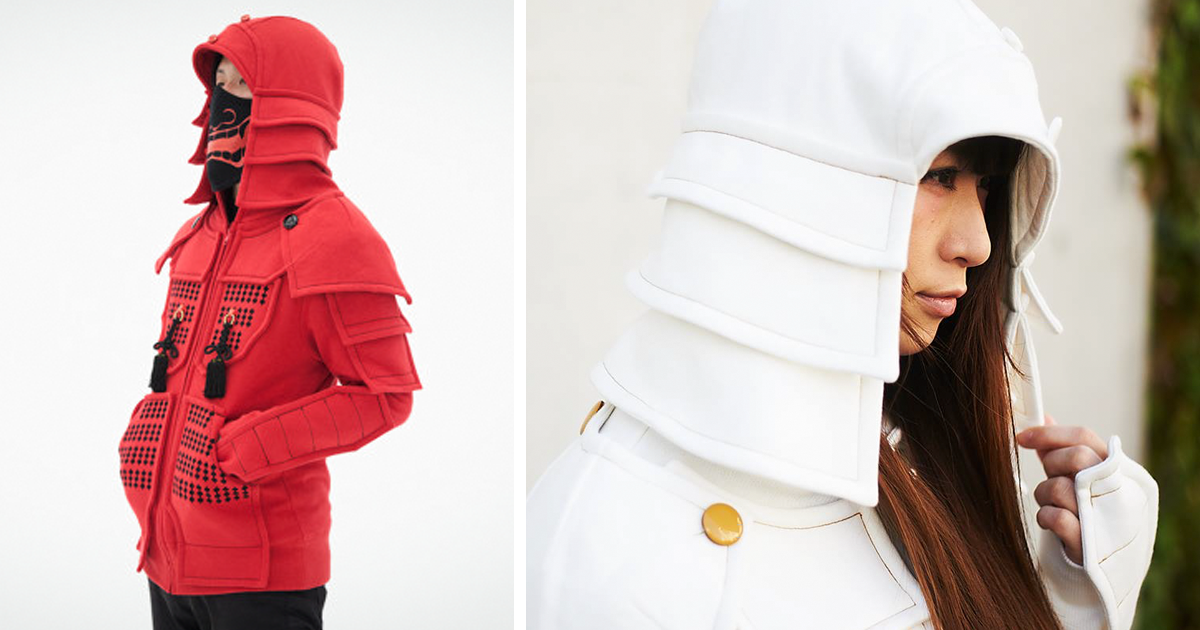
These garments combine the comfort of modern streetwear with visual elements inspired by traditional Japanese armor. Oversized shoulder panels, helmet-like hoods, decorative cords, masks, crests, and layered fabric create the appearance of a warrior’s battle equipment without requiring the wearer to carry forty pounds of lacquered metal onto the subway.
The best-known design emerged internationally through a 2016 crowdfunding project promoted by Tokyo Otaku Mode. Although the original release was limited, its influence continues through collectible garments, cosplay clothing, Japanese streetwear, and countless armor-inspired hoodies sold online.
What Is a Samurai Armor Hoodie?
A samurai armor hoodie is a heavyweight sweatshirt designed to resemble parts of a traditional Japanese suit of armor. It is not protective equipment, historical reproduction armor, or permission to challenge strangers to duels in a grocery-store parking lot.
Instead, it translates the silhouette of samurai armor into soft, wearable fabric. Typical designs use layered panels to imitate the plates and guards found on historical armor. The hood may resemble a kabuto, or samurai helmet, while removable shoulder sections imitate sode, the broad shoulder guards seen on many surviving suits.
Some versions also include a fabric face covering inspired by a menpō, the facial armor worn with certain samurai helmets. Decorative cords, tassels, hand coverings, printed symbols, and detachable helmet crests add theatrical detail.
The result sits somewhere between streetwear, costume design, wearable sculpture, and the most ambitious sweatshirt ever invited to a casual Friday.
The Original Samurai Armor Hoodie Project
The design that attracted worldwide attention was introduced through a crowdfunding campaign in 2016. Tokyo Otaku Mode promoted the Japanese-designed garment to international customers, while Bamboo, vocalist of the anime theme-song band milktub, played a major role in presenting the project.
The campaign initially sought $50,000 and eventually collected more than $83,000. That level of support demonstrated that the audience extended well beyond traditional clothing shoppers. Anime fans, Japanese history enthusiasts, cosplayers, collectors, photographers, and streetwear buyers all saw something appealing in the concept.
Early campaign pledges offering the hoodie began at approximately $270. After the crowdfunding period, a package including the hoodie, a mask, and a helmet ornament was offered for about $350. Buyers could choose from black, white, and red versions.
Those prices were high compared with an ordinary sweatshirt, but the garment was never trying to compete with the anonymous gray hoodie hiding behind a stack of sweatpants at the mall. Its complicated construction, removable components, limited production, and collectible character placed it closer to specialty fashion and premium cosplay.
How Traditional Samurai Armor Influenced the Design
Historical Japanese armor was both functional and highly expressive. Museum examples contain combinations of iron, leather, lacquer, silk, wood, textile, braided cords, gilded metal, and other materials. Individual pieces were assembled to protect the body while allowing a warrior to ride, shoot, and move.
The Kabuto-Inspired Hood
The kabuto was the helmet component of samurai armor. Historical helmets appeared in numerous shapes and could feature prominent ridges, rivets, neck guards, and decorative crests.
On a samurai hoodie, the hood becomes the visual center of the outfit. Structured seams and extra panels give it a more helmet-like outline. Certain versions accept a removable tatemono, a crest or ornament positioned at the front of the hood.
This small addition makes a surprisingly large difference. Without the crest, the garment may resemble elaborate Japanese streetwear. Attach the crest, raise the hood, and suddenly everyone nearby understands that subtlety has left the building.
Shoulder Panels Inspired by Sode
Traditional sode protected the upper arms and shoulders. On historical armor, they could appear as broad, rectangular guards suspended beside the torso.
The hoodie recreates that distinctive profile with layered fabric flaps. These panels add width to the shoulders and help produce the recognizable samurai silhouette. On the original design, some decorative sections could be removed, allowing the owner to reduce the costume-like appearance when desired.
Layered Torso and Neck Details
A traditional suit could include a dō, or cuirass, along with a multipart skirt called a kusazuri. The hoodie does not duplicate these components literally, but layered chest, neck, and shoulder sections suggest the overlapping construction of armor plates.
Decorative cords and tassels reinforce the effect. They also add movement, which looks impressive in photographs and slightly less impressive when one catches on a chair handle.
Face Coverings and Hand Guards
Some samurai armor hoodies include fabric masks inspired by facial armor. Extended sleeves or built-in hand coverings can imitate armored gauntlets while providing warmth.
These details help the outfit feel more complete, especially for cosplay, staged photography, conventions, music videos, or themed events. For everyday wear, owners can often remove or lower the more dramatic accessories.
Why Samurai Armor Hoodies Became So Popular
The popularity of these hoodies was not based on historical interest alone. Their rise also reflected Japan’s strong influence on global streetwear and popular culture.
Japanese designers have repeatedly combined traditional ideas, experimental construction, youth culture, and Western sportswear. Brands such as A Bathing Ape helped turn the Japanese hoodie into an internationally recognized fashion object. Anime, manga, video games, and samurai films further expanded the global audience for Japanese warrior imagery.
A samurai armor hoodie brings these worlds together. It is familiar enough to wear because it is still a sweatshirt, but unusual enough to become the main event of an outfit. That balance makes it highly shareable online. One photograph communicates the concept immediately; no fifteen-minute runway lecture is required.
The garment also satisfies a basic fashion desire: transformation. Pulling up the hood and attaching the crest creates a character, not merely a look. The wearer becomes a futuristic retainer, urban warrior, anime protagonist, or extremely overdressed person waiting for a bus.
Are Samurai Armor Hoodies Practical?
Practicality depends on what you expect from them. For warmth, visual impact, photography, cosplay, and collecting, they can be surprisingly effective. For sword defense, horseback archery, or storming fortified compounds, results may be disappointing.
The original hoodie was described as using fabric roughly twice as thick as that of an average hoodie. That extra material helped create structure and warmth. It also meant that the garment could feel bulky and heavy compared with normal fleece sportswear.
Large shoulder panels may limit movement in crowded spaces. Masks can reduce airflow, visibility, and verbal clarity. A dramatic crest may also make car doors, low branches, and ceiling fans seem strangely aggressive.
For these reasons, many owners treat the hoodie as a flexible statement piece. They wear the simplified configuration casually and reserve the full armor arrangement for conventions, festivals, photo shoots, performances, or special events.
How to Choose a Samurai Armor Hoodie
The original crowdfunding edition is not the only samurai-style sweatshirt available today. Online marketplaces contain everything from sophisticated layered garments to ordinary printed hoodies featuring warrior artwork. Buyers should therefore examine listings carefully.
Check Whether It Is Constructed or Printed
A constructed armor hoodie uses separate fabric panels, cords, guards, or removable accessories. A printed hoodie simply displays an image of armor on a standard sweatshirt.
Neither type is automatically bad. Printed versions are lighter, cheaper, and easier to wash. Constructed versions offer a stronger three-dimensional silhouette and more convincing cosplay value. Trouble begins when a seller photographs one and delivers the other.
Study the Fabric Information
Look for details about fabric weight, lining, fiber content, stitching, and reinforcement. Heavy cotton blends may feel comfortable but require longer drying times. Polyester-rich fabrics can hold shape well and support detailed printing, though they may feel less breathable.
Decorative shoulder panels should be firm enough to maintain their form without becoming stiff cardboard wings. Examine close-up photographs of seams, attachment points, fasteners, and cord ends.
Review the Included Accessories
Determine whether the price includes the mask, crest, shoulder guards, cords, gloves, or other pieces shown in promotional photographs. Some sellers present a fully accessorized model while the base price covers only the hoodie.
Also check whether the accessories are removable. A detachable design is easier to style, transport, store, and clean.
Measure Instead of Guessing
Japanese and Asian clothing sizes may differ from standard U.S. sizing. Never depend only on an S, M, L, or XL label. Compare the listed chest width, shoulder width, sleeve length, and total garment length with a hoodie that already fits you.
Allow extra room if the design contains thick layers or if you plan to wear clothing underneath. A samurai hoodie should look structured, not as though the wearer has been vacuum-sealed for battle.
Be Careful With “Authentic” Claims
Limited products often attract replicas and misleading listings. Ask for photographs of labels, packaging, accessories, stitching, and the actual garment. Reverse-image searches can help identify sellers using borrowed promotional photos.
When purchasing a collectible original, investigate the seller’s history and return policy. Current resale prices can vary widely according to condition, size, completeness, and provenance.
How to Style a Samurai Armor Hoodie
The hoodie already contains enough visual information for an entire small parade, so the rest of the outfit should usually remain simple.
Black tapered pants, technical cargo pants, or dark denim keep attention on the upper body. Minimal sneakers or boots work better than footwear covered in competing graphics. A plain shirt underneath makes it easier to remove the hoodie without revealing yet another dramatic layer.
For a streetwear outfit, remove the crest, mask, and largest shoulder accessories. Wear the hood down and allow the layered construction to provide texture.
For cosplay or photography, use the complete set. Lighting from the side emphasizes the overlapping panels, cords, and helmet shape. Locations with concrete, industrial metal, traditional architecture, or natural landscapes can support the warrior theme without requiring a literal castle.
Avoid carrying realistic-looking weapons in public. Convention rules, venue policies, and local laws may restrict costume weapons. Besides, the hoodie already communicates the concept. Nobody needs a surprise spear in the food court.
Cleaning and Storing an Armor-Inspired Hoodie
Complicated garments need more care than standard sweatshirts. The original project recommended removing shoulder flaps and chest cords before washing and placing the hoodie inside a laundry bag.
Always follow the garment’s specific care label. When no reliable instructions are available, cold water, mild detergent, a gentle cycle, and air drying are generally safer for layered decorative clothing than high heat and aggressive tumbling.
Fasten loose straps before washing. Treat stains locally instead of repeatedly laundering the entire garment. Do not iron printed graphics, synthetic crests, or foam-backed panels directly.
For storage, detach rigid accessories and keep them in a labeled box. Use a broad hanger only if the garment is not excessively heavy; otherwise, fold it to prevent the shoulders from stretching. Make sure every section is completely dry before storage, unless your preferred historical aesthetic includes the aroma of a damp basement.
The Experience of Wearing a Samurai Armor Hoodie
Wearing one is less like putting on a normal hoodie and more like assembling an outfit. The process usually begins with the base garment, followed by arranging shoulder flaps, straightening cords, adjusting hand coverings, and deciding whether the mask and crest are appropriate for the occasion.
In a simplified configuration, the experience can be surprisingly casual. With the removable pieces detached and the hood lowered, the garment behaves like a heavyweight fashion hoodie. The layered shoulders give it a broad silhouette, while the thicker fabric feels reassuring in cold weather. It attracts attention, but it does not necessarily announce that a historical reenactment has begun.
The full configuration is completely different. Once the shoulder guards, mask, tassels, and crest are attached, the wearer becomes visually larger. Peripheral awareness may decrease slightly because of the hood and face covering. Long cords move while walking, and projecting components require extra care around doorways, display shelves, and other people.
At an anime convention, the dramatic design makes social interaction easy. Other attendees may ask where the hoodie came from, whether it is an original release, and how the accessories attach. Photographers tend to favor the raised hood because it completes the helmet shape. Turning the torso slightly instead of standing directly toward the camera helps display the layered shoulders and chest details.
Outdoor wear produces a different impression. Against modern buildings, the garment looks futuristic. In a wooded or historical setting, its armor references become more obvious. Black versions appear sleek and urban, red versions feel theatrical and energetic, and white versions emphasize every panel and seam while also demonstrating a courageous relationship with stains.
Comfort depends heavily on fit. A slightly relaxed size allows the fabric sections to sit naturally. A tight fit can pull the shoulder panels out of position and make the mask uncomfortable. Because of the extra material, the hoodie may become warm indoors, especially beneath convention lighting or inside a crowded hall.
Sitting down also requires a brief adjustment. Back details, cords, or layered sections can bunch against a chair. Removing the crest before entering a car is sensible, and lowering the mask improves conversation unless everyone in the vehicle is fluent in muffled warrior noises.
The most rewarding part of the experience is its flexibility. It can function as a collectible displayed carefully at home, a performance costume, a photography piece, or unconventional outerwear. Owners are not limited to reproducing a historical character. The hoodie works equally well for original cyber-samurai designs, anime-inspired outfits, stage costumes, dance performances, and creative fashion shoots.
The greatest challenge is resisting the temptation to wear every accessory at once. The complete outfit creates maximum impact, but selective styling often looks more sophisticated. A mask and plain hood can feel mysterious. Shoulder guards without the crest create a modern armored silhouette. The crest alone turns a relatively simple hoodie into an immediate conversation starter.
Ultimately, the experience is playful. The garment does not pretend to replace authentic armor, nor should it. Its purpose is to translate a powerful historical silhouette into contemporary clothing. It gives wearers a temporary sense of character and ceremony while remaining soft enough for snacks, selfies, and sitting through a three-hour convention panel.
Final Thoughts
Samurai armor hoodies from Japan succeed because they do more than print a warrior on a sweatshirt. The best versions reinterpret the shapes, layers, symbols, and visual drama of Japanese armor through modern garment construction.
They are bold, warm, collectible, and unquestionably theatrical. They can also be expensive, bulky, and demanding to maintain. Buyers should verify sizing, construction, accessories, and authenticity before ordering.
For the right owner, however, a samurai hoodie is more than novelty clothing. It is wearable design that connects historical inspiration, Japanese street fashion, anime culture, and the universal human desire to look heroic while remaining comfortable.
Note: The best-known original Samurai Armor Hoodie was associated with a limited 2016 crowdfunding release. Availability, resale prices, seller claims, and reproduction quality can change, so current listings should be independently verified before purchase.

