
Skincare
Pushing Back Cuticles: Health Benefits, Precautions, How to Do It
Jun
Cuticles are tiny, stubborn, and somehow powerful enough to ruin a perfect manicure mood. One minute your nails look neat; the next, dry cuticles are waving hello like little flags of chaos. That is why many people search for pushing back cuticles: they want cleaner-looking nails, smoother polish application, and hands that look like they did not just lose a fight with a cardboard box.
But here is the twist: cuticles are not useless skin. They help protect the nail root and nail fold from bacteria, fungi, irritation, and injury. Treat them kindly and they can support healthy-looking nails. Bully them with sharp tools, aggressive scraping, or daily over-grooming, and they may respond with redness, swelling, hangnails, pain, or even infection. Dramatic? Maybe. Accurate? Unfortunately, yes.
This guide explains the health benefits, risks, precautions, and safe steps for pushing back cuticles at home. The goal is not to attack the cuticle like it owes you money. The goal is to soften, tidy, moisturize, and protect the nail area so your nails look polished without sacrificing nail health.
What Are Cuticles, Really?
The cuticle is the thin layer of clear or pale skin at the base of the nail, where the nail plate meets the surrounding skin. People often confuse the cuticle with the living skin fold around the nail, called the proximal nail fold. The visible cuticle is delicate, but the area around it is even more important because it works like a protective seal.
Think of the cuticle as a tiny security guard for your nail root. It helps block germs, moisture, irritants, and debris from sneaking under the skin where new nail cells form. When that seal is damaged by cutting, picking, biting, or aggressive pushing, the nail fold becomes more vulnerable to inflammation and infection.
Is Pushing Back Cuticles Healthy?
The honest answer is: it depends on how you do it. Dermatologists generally advise leaving cuticles alone as much as possible because they protect the nail root. However, many people gently push softened cuticles back as part of a manicure routine. The key word is gently. If the skin hurts, bleeds, lifts, tears, or turns red, you are not doing nail care anymore; you are hosting a tiny disaster.
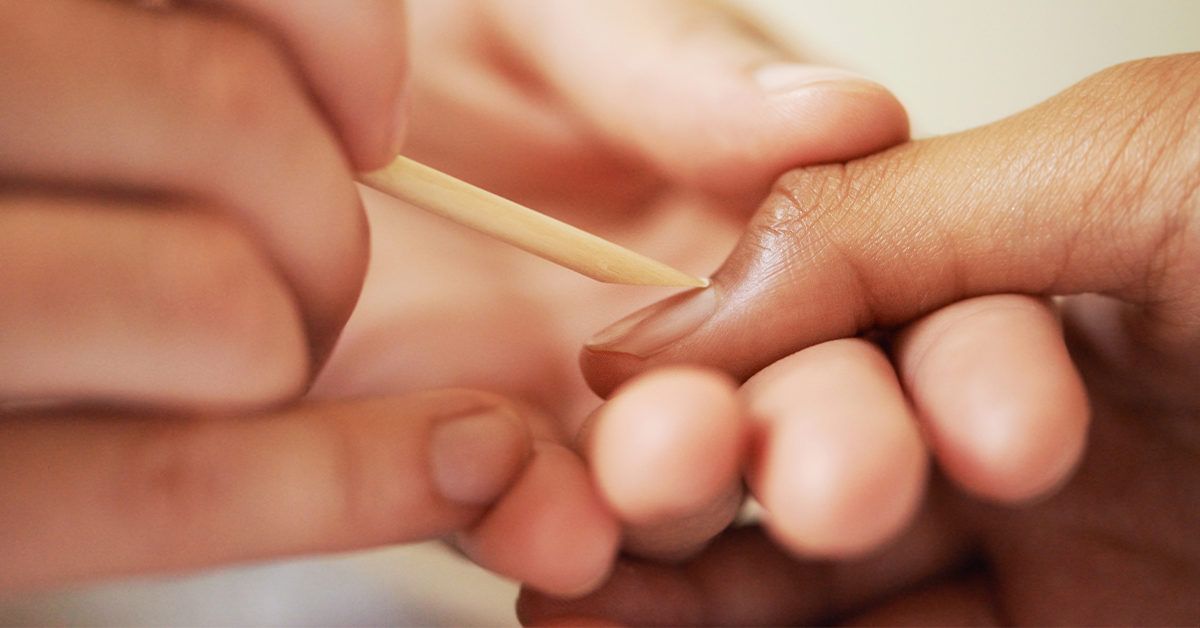
Safe cuticle care should focus on softening, moisturizing, and lightly tidyingnot cutting deep, scraping hard, or forcing the cuticle backward. A soft washcloth, a rubber-tipped cuticle pusher, or an orangewood stick used carefully after soaking can help create a cleaner nail appearance while reducing the chance of trauma.
Health Benefits of Gentle Cuticle Care
1. Cleaner-Looking Nails
When dry cuticle tissue builds up on the nail plate, nails can look uneven, dull, or messy even when they are clean. Gentle cuticle care can make the nail plate appear longer and smoother. This is one reason manicures look more finished after careful cuticle prep.
2. Better Polish Application
Nail polish, gel polish, and press-on nails adhere better to a clean nail surface than to dry skin stuck on the nail plate. If polish is painted over cuticle tissue, it may lift, chip, or peel sooner. Pushing back softened cuticles lightly can create a neater polish line and help manicures look more professional.
3. Fewer Rough Edges and Hangnails
Moisturized cuticles are less likely to split, crack, and form painful hangnails. The benefit comes less from pushing and more from the complete routine: warm water, gentle cleaning, cuticle oil, hand cream, and avoiding picking. In other words, your cuticles do not want a battle plan; they want a spa day.
4. Better Awareness of Nail Health
A simple cuticle-care routine gives you a chance to notice changes early. Redness, swelling, tenderness, yellow-green discoloration, lifting nails, unusual ridges, or persistent pain can signal a nail problem that deserves attention. Healthy nail care is not just cosmetic; it is also a quick check-in with your skin and nails.
Precautions Before Pushing Back Cuticles
Before grabbing a tool, pause. Cuticles are small, but they are attached to a sensitive area. The safest approach is to avoid pushing them back if your nail fold is already irritated, infected, or injured.
Do Not Push Back Cuticles If You Have:
- Redness, swelling, warmth, or throbbing around the nail
- Pus, blisters, or drainage
- Open cuts, cracks, or bleeding skin
- Severe hangnails or torn skin
- Nail lifting, unusual discoloration, or a suspected fungal infection
- Diabetes, poor circulation, or a weakened immune system without medical guidance
These situations raise the risk of complications. For example, paronychia is an infection or inflammation around the nail fold that can become painful and swollen. It often develops after trauma to the cuticle or nail fold, including biting, picking, trimming too closely, or pushing too aggressively.
Should You Cut Your Cuticles?
In most cases, no. Cutting cuticles may create a short-term “clean” look, but it can damage the protective seal around the nail. Once that seal is broken, germs and irritants have an easier path into the skin. Cut cuticles can also grow back rough, making people cut them again, which turns nail care into an annoying little loop of dryness and trimming.
If you have a hangnail, do not pull it. Clip only the loose, dead piece with clean nail scissors or a sanitized cuticle nipper. Do not dig into living skin. Pulling a hangnail can tear healthy tissue and increase the risk of infection. Hangnails are already dramatic enough; they do not need a sequel.
Tools You Need for Safe Cuticle Care
You do not need a salon cart full of shiny gadgets. For a safe at-home routine, keep it simple:
- A bowl of warm water
- Gentle soap
- A clean towel
- Cuticle oil or petroleum jelly
- Hand cream
- A soft washcloth, rubber cuticle pusher, or orangewood stick
- Clean nail scissors for loose hangnails only
Avoid sharp metal tools unless you are trained to use them carefully. Even then, pressure matters. If a tool feels like it belongs in a toolbox instead of a manicure kit, your cuticles may not enjoy the experience.
How to Push Back Cuticles Safely at Home
Step 1: Wash Your Hands
Start with clean hands and nails. Use gentle soap and warm water to remove dirt, oil, and germs. Dry your hands with a clean towel. This lowers the chance of introducing bacteria into tiny cracks around the nail.
Step 2: Soften the Cuticles
Soak your fingertips in warm water for five to ten minutes. You can also do cuticle care after a shower, when the skin is naturally softer. Avoid very hot water, which can dry out the skin and make nails more brittle.
Step 3: Apply Cuticle Oil
Massage cuticle oil, petroleum jelly, or a rich hand cream into the nail folds. This adds slip and reduces friction. Dry cuticles resist movement; softened cuticles are more cooperative, like tiny employees after coffee.
Step 4: Push Gently
Using a soft washcloth, rubber-tipped pusher, or orangewood stick, gently nudge the softened cuticle back toward the base of the nail. Use small movements. Do not scrape the nail plate aggressively. Do not force the skin. If it does not move easily, stop and moisturize instead.
Step 5: Remove Only Loose Dead Skin
If there is a tiny piece of loose, dead skin, clip it carefully with clean nail scissors. Do not cut the attached cuticle or living skin. A good rule: if you can feel it, do not cut it. If it hurts, definitely do not cut it.
Step 6: Moisturize Again
Finish with cuticle oil and hand cream. Rub moisturizer into the nails, cuticles, and surrounding skin. This step helps prevent cracking and keeps the nail fold flexible.
Step 7: Give Your Nails a Break
Do not push back cuticles every day. For most people, once every one to two weeks is plenty. Daily pushing can irritate the nail fold and may create ridges or damage over time.
How Often Should You Push Back Cuticles?
There is no universal schedule, but less is usually better. If your cuticles are healthy, soft, and barely noticeable, you may not need to push them back at all. If you do manicures at home, gentle cuticle care every one or two weeks is enough for most people.
People who wash their hands often, clean with chemicals, work in food service, swim frequently, or use gel and acrylic nails may need more moisturizingnot more pushing. Dryness is usually the problem. The solution is often oil, cream, gloves, and patience, not a more aggressive tool.
Common Mistakes to Avoid
Cutting Too Much
Cutting the living cuticle or nail fold can open the door to infection. It may also make the skin rougher as it heals. Keep trimming limited to loose hangnails only.
Pushing Dry Cuticles
Dry cuticles are more likely to tear. Always soften first with warm water and moisturizer.
Using Dirty Tools
Reusable tools should be cleaned before and after use. At salons, tools should be properly disinfected or sterilized between clients. If a salon reuses files, buffers, or tools without cleaning them, that is a red flag with glitter on it.
Ignoring Pain
Cuticle care should not hurt. Pain is a stop sign, not a challenge.
Picking While Nervous
Many people push, pick, or rub cuticles without realizing it, especially during stress. Repeated picking can damage the nail plate and create ridges. Keeping cuticles moisturized and nails short can reduce the temptation.
Cuticle Care for Gel, Acrylic, and Dip Powder Nails
Artificial nails and long-wear polish can look beautiful, but they add extra stress to the nail area. Before gel, acrylic, or dip powder, avoid aggressive cuticle cutting or pushing. Damaged skin around the nail raises the risk of irritation and infection, especially when products, adhesives, or removers contact broken skin.
If you get salon services, ask about tool cleaning, avoid cuticle cutting, and speak up if anything hurts. A good nail technician will not treat your cuticles like weeds in a driveway. They should work gently and respect the skin barrier.
When to See a Dermatologist or Healthcare Provider
Most dry cuticles improve with simple home care. However, get medical advice if you notice:
- Increasing redness, warmth, swelling, or pain
- Pus or drainage
- A nail that becomes green, yellow, black, or lifts from the nail bed
- Symptoms that last more than a few days
- Repeated infections around the nails
- Nail problems with diabetes, poor circulation, or immune system concerns
Nail infections can take time to clear, and some require prescription treatment. Early care is better than waiting until your finger starts sending angry little pain emails.
Best Daily Habits for Healthy Cuticles
The best cuticle routine is boring in the most beautiful way. Moisturize after washing your hands. Wear gloves when cleaning, washing dishes, gardening, or using harsh chemicals. Keep nails trimmed and filed in one direction to reduce splitting. Do not bite nails or pick at the skin around them. Avoid using your nails as tools to open cans, scrape labels, or perform other heroic but unwise tasks.
At night, apply petroleum jelly, cuticle oil, or a thick hand cream around the nail folds. This simple habit can make cuticles softer and less ragged within days. For very dry hands, apply moisturizer and wear cotton gloves while sleeping. Yes, you may feel like a fancy cartoon butler. Your cuticles will not judge.
Personal Experience: What Gentle Cuticle Care Actually Feels Like
Anyone who has tried to improve their nails knows the first temptation: fix everything immediately. Dry cuticles look messy, so the instinct is to push harder, trim more, buff longer, and somehow expect the hands to look salon-perfect in twelve minutes. That approach usually backfires. The skin around the nails is delicate, and when it is already dry or cracked, aggressive grooming can make it look worse.
A better experience starts with slowing down. After a warm shower or a short soak, the cuticles feel softer and more flexible. Applying cuticle oil before touching any tool changes the whole process. Instead of scraping at tight skin, you are gently guiding softened tissue. The difference is huge. It feels less like “removing” something and more like tidying a small edge.
The most helpful lesson is learning when to stop. In a good cuticle-care session, there is no pain, no bleeding, and no raw-looking skin. The nails simply look a little cleaner and more open near the base. Sometimes the result is subtle, especially if the cuticles were dry or overgrown. That is normal. Healthy nail care is not a dramatic before-and-after reveal every time. It is more like brushing your teeth: small, consistent habits that pay off quietly.
Moisturizing is where the real improvement happens. After a week of applying hand cream after washing and cuticle oil at night, the nail area often looks smoother without much pushing at all. Hangnails become less frequent. Polish sits better. The skin stops catching on sweaters, towels, and every mysterious rough surface in the universe. It is not glamorous advice, but it works: moisturize more than you manipulate.
Another practical experience is that different tools feel very different. A metal pusher can be too harsh for beginners, especially if used at the wrong angle. A washcloth or rubber-tipped pusher is more forgiving. An orangewood stick can work well, but only with light pressure. The tool should glide, not dig. If you see grooves, scratches, or white marks on the nail plate afterward, you used too much force.
Salon experiences vary, too. A careful technician may soften the cuticles, gently clean the nail plate, and avoid cutting living skin. A rushed technician may push hard or cut too close. It is completely reasonable to say, “Please do not cut my cuticles,” or “Please be gentle around the nail fold.” Your hands belong to you, even when someone else is holding a tiny tool and making confident salon noises.
The best long-term routine is simple: clean nails, softened cuticles, gentle pushing only when needed, no cutting except loose hangnails, and daily moisture. That routine may not sound exciting, but it gives the nail area a chance to stay strong. And strong, calm cuticles are the unsung heroes of neat hands. They do not ask for applause. They just quietly protect your nails while you type, text, cook, clean, and occasionally use your thumbnail for something you absolutely should not.
Conclusion
Pushing back cuticles can make nails look cleaner and help manicures apply more smoothly, but it should never be rough, painful, or excessive. Cuticles protect the nail root and surrounding skin, so the healthiest approach is to soften, gently nudge, moisturize, and leave living skin intact. Avoid cutting cuticles, picking hangnails, using dirty tools, or pushing when the skin is swollen or irritated.
For most people, beautiful cuticles come from boring consistency: hand cream, cuticle oil, gloves during wet work, clean tools, and restraint. Treat your cuticles like a protective barrier, not a beauty obstacle, and your nails will have a much better chance of staying smooth, strong, and ready for polishor for a natural, healthy shine.

